

Soy Farm, Soy Yield: 7 Powerful Innovations for 2026
Soy farm, soy yield—two phrases that are synonymous with the rapidly evolving landscape of global agriculture. As we look to 2026 and beyond, innovative technology and sustainable farming practices are driving significant improvements in soy yield, meeting the growing world demand for plant-based proteins and oils. This comprehensive article will walk you through the latest trends, key advancements, and emerging challenges in modern soybean cultivation, with a special emphasis on precision agriculture, climate resilience, and digital transformation tools like those offered by Farmonaut.
To optimize your experience, use our table of contents below:
- The Importance of Soy Yield in Modern Agriculture
- Overview: How Innovations Are Transforming Soy Farms
- 7 Powerful Innovations Boosting Soy Yield in 2026
- Comparative Innovations Impact Table
- Critical Implications for Food Security and Sustainability
- How Farmonaut Empowers Modern Soy Farms
- Challenges Facing Soy Yield Growth
- Future Trends: Beyond 2026
- Frequently Asked Questions
***”Soy yield per hectare could rise by 18% by 2026 due to AI-driven crop monitoring on advanced soy farms.”***
The Importance of Soy Yield in Modern Agriculture
Soybean cultivation remains a cornerstone of the world’s agriculture. As one of the most important protein and oilseed crops globally, soybeans feed billions—directly as food and indirectly through livestock feed and biofuel industries. Given a global population projected to exceed 8 billion by 2030, maximizing soy yield per hectare is critical. Higher yields enhance farmers’ profitability, stabilize domestic and international markets, and reduce the need for converting additional land to cropland, thereby helping conserve natural ecosystems—all pillars of sustainable food systems.
- ✔ Vital for food security: Soybean is essential in meeting the rising demand for plant-based proteins and oils.
- ✔ Economic stability: Higher yields directly affect profitability for farmers and regions that depend on soybean cultivation.
- ✔ Environmental preservation: Enhanced yields reduce the necessity for expanding agricultural land, thus helping to preserve natural habitats.
Increasing soy yield per hectare with technology-driven strategies can dramatically reduce the ecological footprint of global food systems while supporting economic growth in soy-producing regions.
Overview: How Innovations Are Transforming Soy Farms
Soy farm, soy yield: These two facets of modern agriculture have become central to the conversation around sustainability, climate adaptation, and technological advancement.
The drive toward sustainable intensification means leveraging technology—from genetic breeding programs to digital tools—to optimize production while minimizing environmental impact.
-
📈 Data insight:
Precision agriculture and AI-powered monitoring are key to achieving higher yields and improved resource efficiency on modern soy farms. -
🔬 Technology focus:
Machine learning, satellite imagery, IoT sensors, and genetic editing are increasingly deployed for resilient soybean crops. -
🌱 Environmental impact:
Sustainable soil practices and nutrient management strategies are core to reducing the environmental footprint of soy farming.
7 Powerful Innovations Boosting Soy Yield in 2026
Let’s explore the seven most powerful innovations currently driving significant improvements in soy yield worldwide. These advances not only emphasize the importance of technology and sustainable practices, but also enable farmers to overcome evolving climate and market challenges.

-
Genetic Improvements and Seed Technology
Genetic innovation leads the drive to develop soybean varieties with enhanced traits, including drought tolerance, pest resistance, and optimized nitrogen fixation. Modern breeding programs increasingly utilize genomic selection and gene editing techniques (like CRISPR) to develop seeds tailored for local environmental conditions.
- 📈 Yield Gains: AI-driven breeding has pushed average yields up by 10–20% compared to legacy varieties.
- 🌦 Climate Resilience: Improved stress tolerance ensures crops thrive under variable conditions.
- ⚠ Common Mistake: Relying on a single, non-diversified variety can increase pest resistance risks over time.
Pro Tip:
Rotating genetically enhanced soybean varieties and integrating local landrace genetics are strategic moves to future-proof your soy farm against pests and climatic changes. -
Precision Agriculture and Digital Farming
Precision agriculture represents a technology-driven revolution in farm management. With the widespread use of satellite imagery, drones, IoT sensors, and AI analytics, farmers now monitor real-time data on soil moisture, nutrient levels, pest detection, and crop health.
- ✔ Variable Rate Technology (VRT): Smart application of fertilizer and irrigation means higher efficiency and minimized waste.
- ✔ Predictable Yields: Precise input management delivers more consistent harvest outcomes.
- 📊 Data Insight: Farms using digital monitoring tools have reported a 10–15% increase in yield, on average, by 2025.
Explore the Farmonaut Satellite API for real-time monitoring and yield optimization tools.
Visit Farmonaut’s API Developer Docs to integrate satellite-based data into your own agri-software solutions.
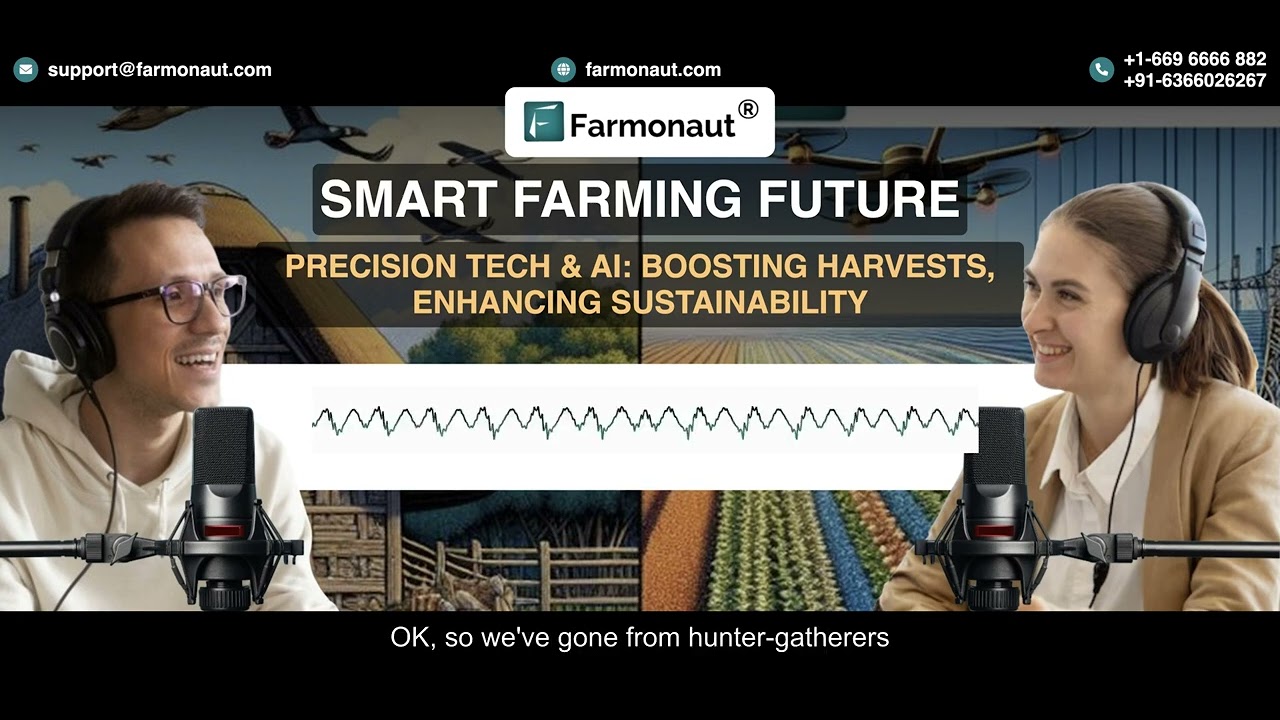 Smart Farming Future : Precision Tech & AI: Boosting Harvests, Enhancing SustainabilityKey Insight: Satellite-powered field monitoring and AI-driven recommendations, as provided by Farmonaut’s platform, unlock new levels of precision for large and small soy farms alike.
 -
Sustainable Soil and Nutrient Management
Soil health is the foundation of strong soy yields. Regenerative farming practices—including cover cropping, crop rotation with legumes, reduced tillage, and organic amendments—enhance the natural ecosystem. These methods foster greater microbial activity, improve soil structure, and increase carbon sequestration, essential for moisture retention and nutrient cycling.
- ✔ Long-Term Stability: Enhanced soil resilience supports consistently higher yields.
- ✔ Reduced Chemical Dependency: Natural fertility reduces the need for synthetic fertilizers.
- ✔ Integrated Cropping Systems: Rotational strategies break pest cycles and support robust
soybean production in diverse regions.
Investor Note:
Investing in sustainable soil health strategies not only enhances crop yields but also increases long-term farmland value, unlocking new opportunities in global carbon trading. Satellite Soil Moisture Monitoring 2025 – AI Remote‑Sensing for Precision Agriculture
 -
Climate Adaptation Strategies and Infrastructure
Climate variability is an unavoidable challenge for global soybean production. Severe weather—drought, extreme heat, and flooding—can severely impact crop yield. Adaptive strategies include using drought-resistant soybean varieties, adjusting planting schedules, and deploying efficient irrigation systems (like drip irrigation). Advanced weather forecasting models and real-time decision support tools further empower farmers to protect yields and manage risks proactively.
- ☀ Drought Resilience: Specialized seed and water management infrastructure cut yield losses in extreme conditions.
- ⚡ Real-Time Forecasts: AI-based weather analysis improves timing for planting and protection interventions.
- 💧 Water Efficiency: Smart irrigation systems reduce waste, increase productivity, and enable more precise nutrient management.
Common Mistake:
Underestimating the impact of local microclimates on soy farm yield can lead to poor adaptation of global technologies—always leverage region-specific data where possible. -
Advanced Pest and Disease Management
Pest resistance is an ever-evolving threat, particularly as monoculture systems become widespread.
New AI-driven scouting systems, high-resolution automated traps, and digital decision support tools allow for targeted intervention—minimizing chemical use and combating evolving threats in real time.- ✔ Integrated Pest Management (IPM): Combines biological, cultural, and technological controls for rapid response.
- ✔ Reduce Resistance: Smart toolkits limit overexposure to single modes of action, preserving tool effectiveness.
- 📊 Yield Impact: Early pest detection systems have reduced crop losses by 5%–12% in high-adoption regions by 2025.
 Soybean Aphid Control : Effective Scouting and Control Strategies for Optimal Crop Yield
 -
AI-Enabled Real-Time Monitoring and Advisory Systems
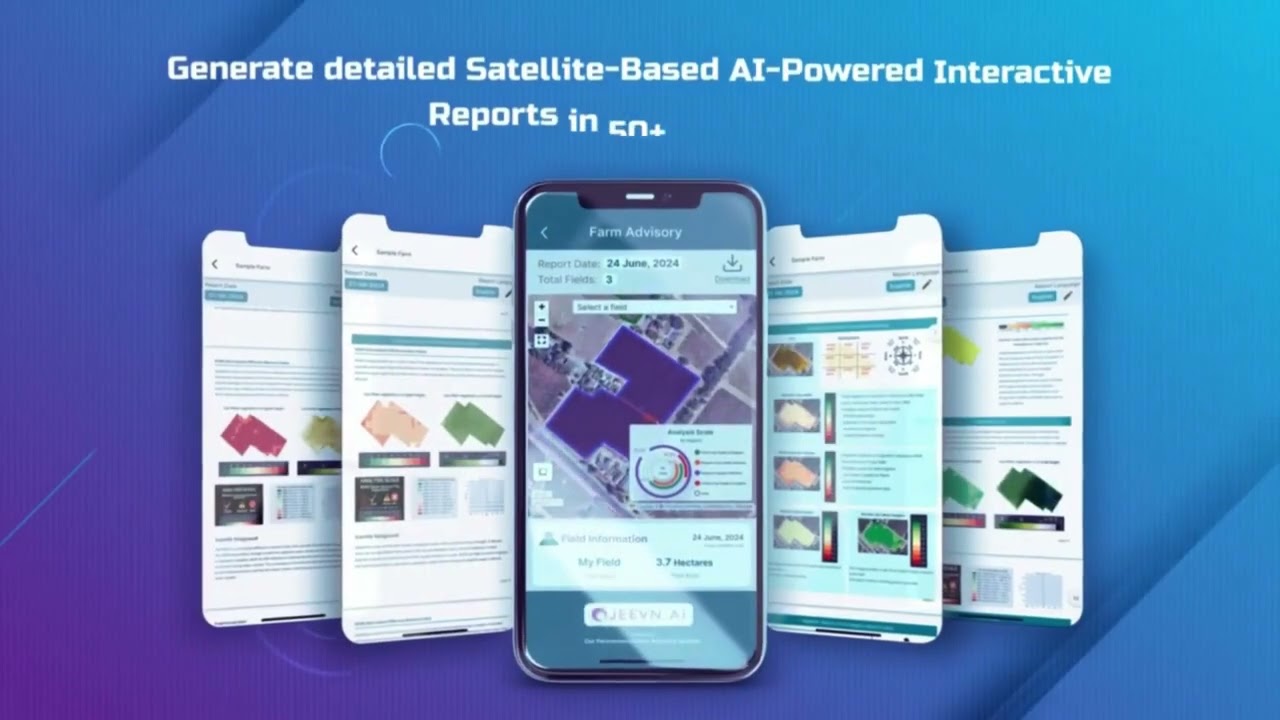
The integration of AI into agronomy decision-making is revolutionizing soy cultivation. AI platforms (like Farmonaut’s Jeevn AI) offer:
- ✔ Adaptive recommendations tailored to local weather, soil, and pest dynamics.
- ✔ Automated crop health alerts—faster than traditional field scouting methods.
- ✔ Predictive modeling for optimized planning and risk reduction.
Pro Tip: Adopt AI monitoring early to benefit from ever-improving predictive accuracy and cost reductions in farm management. Farmonaut Web System Tutorial: Monitor Crops via Satellite & AI
 -
Blockchain Traceability and Transparent Supply Chains
Supply chain transparency is increasingly vital for food safety and market access in international and domestic markets. Blockchain technology ensures traceability for every stage of soybean production:
- ✔ Reduces risk and fraud by validating the journey from field to processor.
- ✔ Provides authentic claims for sustainable sourcing.
- ✔ Simplifies compliance for certifications like organic, fair trade, and low-carbon soy.
Key Insight:
Blockchain-backed traceability solutions are transforming how stakeholders prove the environmental and ethical integrity of their soy yields.
- 🛰️ Satellite-powered monitoring provides granular, field-level insights, essential for real-time crop management.
- 🌾 Genetic advancements are key for regions facing severe climate shifts.
- 💧 Smart irrigation conserves water and reduces operational costs on soy farms.
- 🦗 AI pest control enhances yield stability and reduces chemical resistance issues.
- 🔗 Blockchain traceability fosters trust and transparency in global soy markets.

***”Precision soil mapping technology is projected to decrease fertilizer use on soy farms by up to 25% by 2026.”***
Comparative Innovations Impact Table
- 📡 Soy yield is maximized when combining seed innovation with digital monitoring tools.
- 🚜 Efficient resource use leads to lower costs and better soil health.
- 💹 Blockchain traceability makes it easier to demonstrate compliance to demanding buyers—especially in international markets.



Critical Implications for Food Security and Sustainability
Soy farm, soy yield: Increasing efficiency and productivity is not just about profits—it’s central to global food security and environmental stewardship. By deploying the latest technologies, farmers help ensure:
- ✔ Steady supply for livestock, food, and biofuels: Keeping up with a rapidly increasing global population.
- ✔ Reduced land conversion: Higher yields per hectare preserve forests and natural ecosystems.
- ✔ Lower input costs and emissions: Smarter fertilizer and water use cuts both costs and environmental impact.
- ✔ Enhanced supply chain transparency: Blockchain and digital traceability support ethical, resilient markets.
How Farmonaut Empowers Modern Soy Farms
At Farmonaut, we are committed to making satellite-driven agricultural insights affordable and accessible for modern soy farms worldwide. Our satellite imagery, AI analytics, and blockchain tools deliver actionable intelligence right to users’ screens—whether they operate small fields or manage extensive agro-enterprises.
- 🛰️ Real-Time Satellite Monitoring: Detects crop health, soil moisture status, and detects stress areas across your soy farm.
- 📱 Jeevn AI Advisory System: Offers predictive weather, crop health, and pest alerts to support timely decisions.
- 🔗 Blockchain Traceability: Secures authenticity in supply chains and strengthens market trust.
- 🌱 Environmental Impact Tracking: Monitors carbon footprint for sustainable soy farming.
- 🚚 Fleet & Resource Management: Optimizes logistics, reduces waste, and lowers operational costs.
Challenges Facing Soy Yield Growth
Ignoring pest resistance management strategies can escalate crop losses and lead to rapid erosion of biotech benefits on large soy farms.
Despite dramatic progress, the journey toward ever-higher soy yield is not without hurdles. Among the most pressing challenges:
- ⚠ Pest resistance: Overuse of the same chemical classes can give rise to resistant populations.
- ⚠ Market volatility: Fluctuations in global soy prices can undermine farm profitability even when yields are stable.
- 🗺️ Environmental risks: Deforestation associated with farm expansion in some regions can threaten biodiversity and climate goals.
- 💸 High capital demand: Adopting digital and genetic innovations may require upfront investments that are not accessible to all growers.
- 🚧 Infrastructure bottlenecks: Regions lacking broadband or logistics networks can lag in realizing the benefits of precision agriculture.

Future Trends: Beyond 2026
As agriculture races forward, a few emergent trends may reshape soy farm, soy yield potential:
- 🤖 Robotics & Automation: Automated machinery and field robots for planting, weeding, and harvesting will reduce labor needs and increase operational precision.
- 🌆 Vertical & Controlled-Environment Agriculture: Urban and peri-urban farming may offer solutions where arable land is scarce.
- 🧬 Bioengineering and Synthetic Biology: On the horizon—custom microbes for nitrogen fixation and even more resilient, high-protein soybeans.
- ⛅ Predictive Analytics: Greater integration of AI with cloud-based analytics for “prescriptions” in seed, fertilizer, and crop protection.
Technologies reducing input costs, emissions, and land use will become even more critical as carbon pricing, sustainability certification, and global climate policy evolve through 2026 and beyond.
Frequently Asked Questions
What is the most impactful innovation for enhancing soy yield by 2026?
Genetic improvements combined with precision digital farming tools are projected to result in the largest single increases in soy yield, bringing about both resilience and efficiency for global farms.
How do digital monitoring tools improve soy farm productivity?
They allow farmers to make data-driven management decisions—optimizing irrigation, nutrient use, and pest intervention while reducing waste and input costs. This means higher, more stable yields season after season.
How can blockchain traceability help my soy farm?
Blockchain technology streamlines paperwork and proves your crop’s provenance. This increases trust with buyers, supports compliance with export regulations, and can help win premium prices for sustainable or certified soybeans.
Where do I start with integrating AI or satellite monitoring into my soy farming operations?
Start by assessing your farm’s size, infrastructure, and digital literacy. Products like Farmonaut’s large-scale farm management software and satellite data services are designed to fit a variety of operational scales as well as support both web and mobile users.
Is there a mobile solution for real-time monitoring and management?
Yes! Farmonaut’s platform is accessible via Android, iOS, and web apps—making real-time, AI-backed satellite insights as accessible from your field as your farm office.
Conclusion: A Data-Driven Future for Soy Farm, Soy Yield
Soy farm, soy yield—the story of 2026 is about more than just higher numbers per hectare. It’s a narrative of smart technology, sustainable practices, and resilience in the face of climate and market uncertainty. AI, genomics, blockchain, and digital farming tools are empowering producers worldwide, maximizing yields while protecting ecological and economic viability.
At Farmonaut, we are dedicated to providing affordable, scalable satellite and AI solutions that help every soy farmer, business, and government agency join this new era of precision agriculture. By integrating the best of technology and sustainability, modern soy production is poised not only to feed a projected population of over 8 billion by 2030 but also to conserve natural resources and foster global food security for generations to come.
The single most important investment for future-ready soy farms is the convergence of real-time data, genetic innovation, and transparent supply chains.
- ✔ Soy yield is rising thanks to tech-driven best practices and sustained R&D.
- ✔ Sustainable approaches are now both economically and environmentally necessary.
- ✔ Real-time satellite/A.I. monitoring enables proactive, not just reactive, farm management.
- ✔ Supply chain transparency is increasingly non-negotiable for premium markets.
- ✔ Farmonaut provides affordable, globally accessible, and scalable solutions for every soy farm, from smallholder to mega-operation.

 Messina Beej
 Dirks Bros Farms
 Red August Group
 Farm Inc
 WeMe Global
 Agrotoken
 Blue BearX
 Insignito
 Croptimum
 DnCubed
 Field Capacity
 Indosistim Teknologi
 Liquify Digital
 CU Foods
 BeyondTech Global
 Rouge VC
 AgroGreen Dynamics
 AgroRisk
