

Ag Land for Lease: Top 7 Powerful Trends Shaping 2026
Meta Description:
Explore top trends transforming ag land for lease in 2026. Discover how technology, sustainability, and flexible solutions are revolutionizing crop land, rural land, and cattle leasing for agriculture.
Introduction: Agricultural Land Leasing in 2026
The landscape of agricultural leasing is entering a revolutionary era as we move into 2026. With global demand for food, fiber, and sustainable farming reaching new heights, both farmers and investors are adapting to shifting economic patterns and leveraging technological advancements to make smarter, more profitable, and sustainable decisions.
From crop land for lease to cattle land for lease and broader rural land for lease, the industry is evolving rapidly thanks to:
- Cutting-edge monitoring tools
- Data-driven decision making
- Increasingly sophisticated lease agreements
As 2025 marks a pivotal pivot point, understanding the nuances of agricultural land leasing becomes an essential advantage for thriving in this ever-changing environment, especially for those searching farm land for lease near me or exploring agricultural land for lease near me. Let’s dive into the powerful trends, market drivers, and innovative opportunities that are shaping the future of ag land for lease.



Get Real-Time Satellite Insights: Use Farmonaut on web, Android, or iOS to monitor leased land, optimize crop and resource management, and leverage AI-driven analytics for better farm leasing decisions.
The Growing Demand for Ag Land for Lease
The demand for ag land for lease is stronger than ever. With rising land prices and limited ownership opportunities, leasing has become an increasingly popular option among farmers, agribusinesses, and investors. This trend is particularly visible for those interested in crop land for lease, cattle land for lease, and rural land for lease strategically located near key infrastructure and markets.
✔ Leasing agricultural land allows access to high-quality soil and fertile locations without the financial burden of purchase, maximizing flexibility and minimizing risk—especially in unpredictable climate and market environments.
- Flexibility: Short- and medium-term leases enable farmers to adapt quickly to changing market conditions and crop demands.
- Lower Barriers to Entry: New and small-scale farmers can enter the agriculture industry more easily by leasing instead of purchasing.
- Access to Strategic Lands: Leasing makes prime and suitable environments more available for production.
- Climate Adaptability: Lease arrangements often allow for flexibility in terms, accommodating climate variability and protecting stakeholders from long-term uncertainties.
- Encouraging Sustainable Practices: As sustainability clauses become standard, leases increasingly include terms for soil health and climate-resilient farming.

Types of Ag Land for Lease in 2026
Understanding the types of agricultural land for lease is crucial to optimizing both yield and sustainability in the modern farming landscape. Let’s break down the main categories and their unique benefits, common lease terms, and operational considerations.
1. Crop Land for Lease
- Refers to ag land for lease specifically used for cultivating row crops (e.g., corn, wheat, soybeans, and specialty vegetables).
- Lease terms related to crop rotation, soil health protection, and responsible chemical use are often incorporated.
- Designed to encourage good farming practices and maximize yields while maintaining long-term viability of fertile lands.
2. Cattle Land for Lease
- Involves pastureland or rangeland leased for grazing livestock including cattle. Vital for meat, dairy, and fiber production sectors.
- Lease agreements often address stocking rates, water access, and fencing to maintain livestock health and prevent overgrazing.
- Growing emphasis on sustainable rangeland management and climate resilience through regenerative practices.
3. Rural Land for Lease
- Often broader category—supporting mixed-use agricultural activities, forestry, or conservation-focused operations.
- Leases may include environmental stewardship clauses protecting habitats, promoting reforestation, or enabling carbon credit programs.
- Increasingly attractive for investors interested in conservation and climate adaptation.
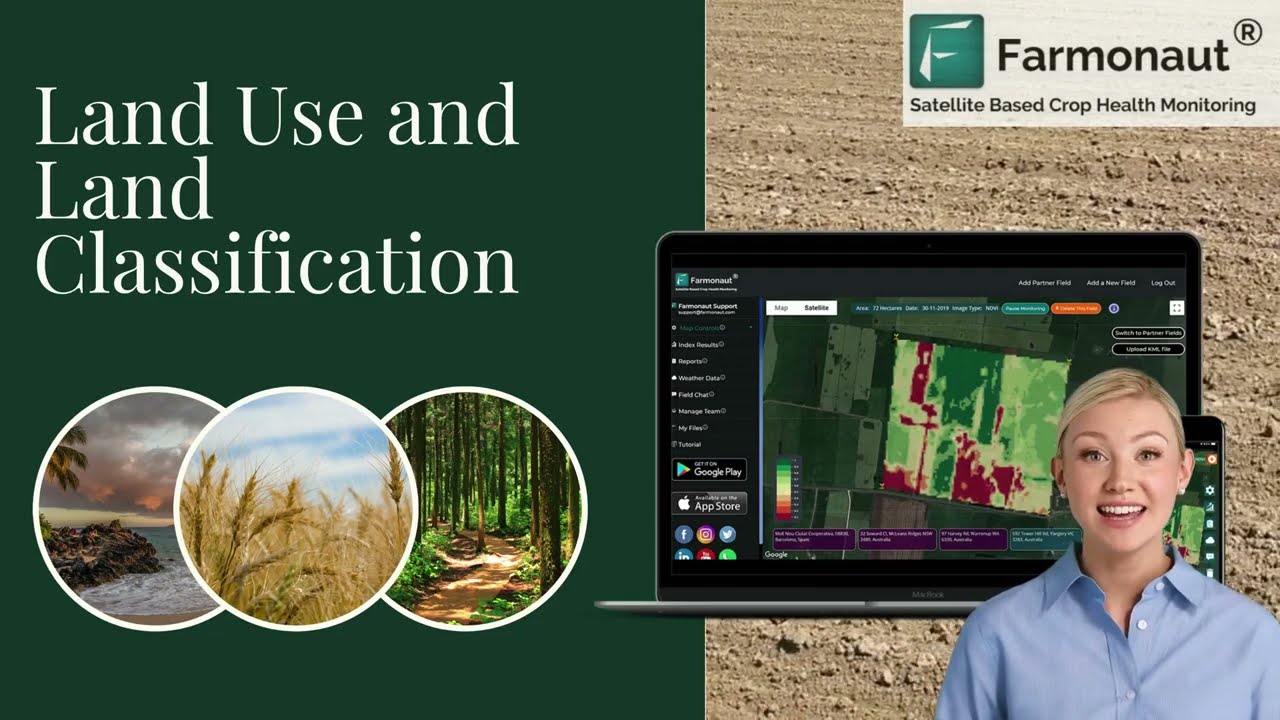
Benefits and Challenges of Leasing Ag Land
💡 With ag land for lease arrangements lowering initial capital investment, new investors and farmers can enter ambitious projects or diversify portfolios—especially in areas with rising land prices and shifting demographic patterns.
✔ Five Key Benefits of Leasing Agricultural Land
- ✔ Cost Effective: No high purchase costs; capital is allocated to tech, seeds, or improvements.
- ✔ Flexibility: Quickly scale up or pivot location/crop as market conditions evolve.
- ✔ Access to Strategic Locations: Lease fertile, well-connected lands near key markets or supply chains.
- ✔ Sustainable Entry: Enables younger farmers to start without heavy debt burdens.
- ✔ Innovation Integration: Modern leases often include sustainability and technology adoption clauses.
⚠ Main Challenges of Ag Land Leasing (2026)
- ⚠ Lease Terms Complexity: Negotiating fair rent, responsibilities, and duration often leads to disputes.
- ⚠ Investment Disincentives: Short leases can deter improvements by tenants if the benefits won’t accrue during the lease.
- ⚠ Soil Degradation Risk: Ensuring both parties maintain or improve soil health requires robust monitoring.
- ⚠ Regulatory Variability: Laws on leasing can change between regions, affecting stability.
- ⚠ Climate Uncertainty: Weather variability may impact productivity and long-term land value.
Top 7 Trends Shaping Ag Land for Lease in 2026
The agriculture land for lease near me market continues to evolve in 2026, driven by a fusion of technological advancements, changing demographics, and new economics of farming. Here are the seven most powerful trends:
- Satellite-Based Monitoring & AI-Driven Leases
- Blockchain-Powered Traceability for Secure Leasing
- Sustainability Clauses and Carbon Footprinting
- Precision Agriculture for Optimized Use of Leased Land
- Flexible Lease Structures (short-term, performance-linked, hybrid)
- Online Leasing Platforms & Geospatial Marketplaces
- New Demographics: Next-Gen Farmers & Investors
💡 Landowners and tenants leveraging satellite monitoring and blockchain traceability not only boost yield but also verify compliance with soil health and sustainability obligations—turning compliance into a market advantage.

Trend Impact Comparison Table: Ag Land for Lease 2026
| Trend Name | Description | Key Technology/Innovation | Estimated Adoption Rate (% by 2026) | Impact on Leasing Practices |
|---|---|---|---|---|
| Satellite-Based Monitoring & AI Leases | Remote crop/soil monitoring, AI-driven lease adjustments | Satellite imaging, AI advisory systems | 72% | ★ High |
| Blockchain Traceability for Leasing | Tamper-proof records of lease terms, land use, and product origin | Blockchain, digital contracts | 48% | ★ Medium |
| Sustainability Clauses & Carbon Footprinting | Leases include carbon tracking, soil regeneration | Environmental impact monitoring | 62% | ★ High |
| Precision Agriculture on Leased Land | Variable-rate irrigation, fertilization, AI yield mapping | IoT, AI, Farmonaut platform | 55% | ★ High |
| Flexible Lease Structures | Short/seasonal terms, hybrid profit-share, performance-linked | Smart contracts, online platforms | 44% | ★ Medium |
| Online Leasing Marketplaces | Digital access to land, location-based search (farm land for lease near me) | Geospatial databases, satellite overlays | 58% | ★ High |
| Changing Demographics: Next-Gen Farmers | Younger, tech-driven leaseholders prioritizing data & sustainability | AI, social media, online learning | 33% | ★ Low |
📊 Top Lease Innovations for Yield & Sustainability
- 🙌 Satellite crop health monitoring
- 🔒 Blockchain traceability for lease compliance
- ♻ Carbon footprinting & impact auditing
- 🎯 Precision AI advisory for resource optimization
- 📱 Online lease negotiation and management tools
Technology & The Transformation of Ag Land Leasing

Modern leasing practices are being revolutionized by digital platforms and tech tools offering transparency, efficiency, and data-driven insights—benefiting both landowners and tenants searching for farm land for lease near me or cattle land for lease.
- Satellite Monitoring: Real-time tracking of soil health, moisture, crop vigor, and potential issues on leased land.
- AI-Powered Advisory: Tools like Farmonaut’s Jeevn AI analyze current conditions and forecast risks—pinpointing where intervention improves productivity.
- Blockchain Traceability: Secure, immutable lease records and product origin tracking (see Farmonaut’s Product Traceability).
- Geospatial Marketplaces & Listings: Find and compare agriculture land for lease near me using satellite overlays, soil data, and historical yields.
- Mobile & API Access: Manage leases, compliance, and data through connected apps, allowing information anytime, anywhere.
 Explore Farmonaut API — Developer Documentation
🛰 Technology Benefits for Land Leasing
- 📡 Increased transparency for all parties
- 🥇 Greater accuracy in yield and compliance tracking
- 🛡 Enhanced risk mitigation (drought, overuse, fraud)
- 💸 Reduced disputes and administrative burden

Sustainability and Climate-Smart Leasing
🌱 Underestimating the long-term economic and regulatory value of including sustainability clauses in ag land leases can lead to missed subsidies, premium pricing, or environmental penalties in 2026.
With sustainability and climate-resilient farming at the forefront, lease terms increasingly include environmental monitoring, carbon footprint tracking, and explicit requirements for regenerative or conservation practices. By 2026, more than 60% of leases will include these clauses.
- Regenerative Practices Required: Growing number of leases include commitments for crop rotation, organic amendments, cover cropping, and reduced chemical dependency.
- Impact Assessments: Satellite-based monitoring tools (as offered by Farmonaut’s Carbon Footprinting) measure and validate greenhouse gas mitigation—crucial for subsidy eligibility and eco-market premiums.
- Climate Variability Flexibility: Leases now allow mid-term strategy shifts if severe drought, floods, or other major climate events occur.
- Buffer Zone & Biodiversity: Rural and mixed-use land leases may include habitat protection or reforestation provisions for compliance with governmental programs.

Flexible Leasing: The Future of Agricultural Expansion
The old model of rigid, multi-decade leasehold farming is quickly fading. Flexible leasing solutions enable farmers and investors to adapt to market and climate realities in real time.
- Short-Term & Seasonal Leases: Perfect for specialty crop rotation or pilot projects.
- Performance-Linked Agreements: Rent adjusts based on yields, climate events, or market prices.
- Hybrid Models: Combine base rent with profit or crop-share—boosting incentives for long-term stewardship.
- Exit/Extension Clauses: Modern digital contracts allow seamless transitions to new terms, reducing risk for all sides.
As search interest in farm land for lease near me and agriculture land for lease near me spikes, digital platforms deliver location insights and facilitate flexible leasing—enabling farmers to strategically expand during profitable seasons while minimizing exposure to bad years.
📈 Five Ways to Maximize Profits with Flexible Leases
- 💡 Use satellite data to track soil fertility shifts and pivot crops accordingly.
- 🚜 Integrate crop advisory tools (such as Farmonaut’s Jeevn AI) for optimal input investment.
- 📝 Negotiate break clauses for climate-driven yield shocks.
- 🎛 Link rent to market indices and retain flexibility for emerging high-value crops.
- 🤝 Formalize crop-share incentives for stewardship improvements.
Farmer & Investor Guide: Structuring Leasing Agreements in 2026
Structuring robust leasing agreements is essential to maximizing income and protecting all parties in the fast-evolving ag land for lease market. Here’s what to focus on:
Essential Clauses for Modern Lease Agreements
- Soil Health & Sustainability – Include mandatory crop rotation, organic input, or fallow periods.
- Technology Utilization – Specify monitoring, data collection, and reporting obligations using platforms such as Farmonaut (Large-Scale Farm Management).
- Dispute Resolution – Set clear protocols for technology-verified data to avoid rent disagreements.
- Profit-Sharing or Performance Tiers – Link part of rental income to actual yields or environmental impact outcomes.
- Exit Clauses/Flexibility – Enable adaptation to severe climate events, market shifts, or both.
How Farmonaut Empowers Ag Land for Lease Optimization
At Farmonaut, we are dedicated to lowering barriers to smart leasing, bringing cost-effective, satellite-driven insights to farmers, investors, and land managers worldwide. Our platform directly addresses the core needs of the modern ag land for lease landscape.
- Satellite Monitoring – We deliver multi-spectral, real-time crop and soil health analytics across tens of thousands of acres, increasing productivity without additional field visits.
- AI-based Advisory – Our Jeevn AI gives tailored recommendations for resource use, irrigation, and pest detection based on actual field conditions.
- Blockchain Traceability – We bring transparency to leases—proving compliance, authenticating land use, and simplifying financing or insurance eligibility (Crop Loan and Insurance Verification).
- Fleet & Resource Optimization – Large-scale renters manage vehicles and equipment efficiently with Farmonaut’s Fleet Management Tools.
- Environmental Impact Measurement – Track, reduce, and report carbon footprint effortlessly (Farmonaut Carbon Footprinting).
Whether you’re seeking crop land for lease, cattle land for lease, or broad rural land for lease, our apps (available on Android and iOS) empower modern leasing partnerships for 2026 and beyond.
Farmonaut Subscriptions
Advanced lease analytics aren’t just for crop farming—mining and infrastructure project managers also use our solutions to monitor land use compliance, reduce reclamation risk, and support strategic expansion into emerging markets.
FAQs: Ag Land for Lease in 2026
What documents are required to lease ag land in 2026?
Standardized digital contracts, identity proof, land registration details, and (for sustainability compliance) access to environmental monitoring reports. Digital logs from platforms like Farmonaut are increasingly accepted by banks and insurance providers for verification.
How does technology improve leasing outcomes?
Satellite and AI tools enable accurate yield forecasting, soil quality validation, rapid issue detection, compliance auditing, and instant dispute resolution. This transparency reassures both landowners and tenants—reducing risk and administrative costs.
What is the typical duration of new lease agreements?
While 3–5 year terms remain common, 2026 sees growth in short (1–2 season), hybrid, or rolling terms—driven by flexible farming, climate variability, and innovation in lease management platforms.
What trends are vital for improving my lease’s profitability?
Key trends are: adopting precision monitoring (boosts yield), using digital traceability (eases compliance and attracts premium buyers), negotiating flexible/linked terms (reduces downside), and integrating sustainability clauses for market advantage.
How do I ensure my leased land’s sustainability?
Regular monitoring of soil health (Farmonaut Carbon Footprinting), clear stewardship clauses, and adoption of regenerative practices guided by AI-driven crop advice will ensure both environmental and economic sustainability.
Conclusion: Ag Land Leasing 2026 and Beyond
The landscape of ag land for lease in 2026 emphasizes flexibility, sustainability, and data-driven optimization. As farmers, investors, and landowners adapt to rapid technological advancements and changing demographic patterns, modern lease agreements are emerging as powerful tools for profitable, resilient, and climate-smart agriculture.
Whether you’re managing crop land for lease, cattle land for lease, or exploring new opportunities in rural land for lease, leveraging the latest trends and digital solutions is essential for optimizing productivity, ensuring compliance, and supporting long-term viability of our most valuable rural lands.
Explore the Farmonaut platform today for a comprehensive suite of satellite, AI, and blockchain powered management tools to enable your next decade of agricultural leasing success.

 Godrej Agrovet
 Hayleys Agriculture
 Linx Agritech
 Adinet
 Save Your Soils
 GalaxEye Space
 Grandstream Algérie
 XOS Realty
 Geospatial Lab Africa
 Agro La Gándara
 HIPSAC
 ZOL Zimbabwe
 Juligerm
 AdBio
AdBio MISE Maroc
 NWNS
NWNS Red August Group
 Farm Inc
 WeMe Global
 Agrotoken
 Blue BearX
 Insignito
 DnCubed
 Indosistim Teknologi
 Liquify Digital
 CU Foods
 BeyondTech Global
 Rouge VC
 AgroRisk
 Oath Inc
 Esri North East Africa
 MDCV UK
 Etech Consulting Madagascar
 Vestlandsforsking
 WB Dev
 Sama Premium
 Tres Valles
 Blickwinkel
 Agricultural Credit Policy Council
 eKGIS
eKGIS Mostas Tech
 Andex
Andex Deluxe Conseil
 WICO
WICO Chimera Innovation
 SkyHarvest
 Teledarbas
 Exurbia Geospatial
 FieldZero
