

Table of Contents
- Introduction
- Sweetcorn Pests in 2026: A New Era of Challenges
- Key Sweetcorn Pests
- Emerging Pest Challenges in 2025–2026
- Integrated Pest Management Strategies
- The Role of Precision Agriculture & Technology
- Comparative Matrix: Sweetcorn Pest Management in 2025
- Farmonaut’s Satellite-Driven Pest Control Solutions
- Sustainable Practices for the Future
- Outlook, Recommendations & FAQs
“Integrated pest management can increase sweetcorn yield by up to 30% through precise monitoring and targeted interventions.”
Sweetcorn Pests 2026: Proven Strategies for Maximum Yield
Sweetcorn (Zea mays var. saccharata) remains a vital crop in the landscape of global agriculture, cherished for its nutritional benefits and economic importance. Yet, the productivity and quality of sweetcorn is often threatened by several destructive pests, causing significant yield losses. As we look toward 2026, sweetcorn pests and their management are undergoing rapid transformation, fueled by shifting climate conditions and increasing demands for sustainable and precision-driven agriculture.
This post offers a comprehensive guide to the top sweetcorn pests, their latest management strategies—including the use of integrated and biological control methods—and the power of precision agriculture technologies in 2025 and beyond. We will also explore how satellite-based solutions, like those provided by Farmonaut, can help modern farmers reduce losses, maximize yield, and ensure crop quality even in the face of evolving challenges.



Sweetcorn Pests in 2026: A New Era of Challenges
The cultivation of sweetcorn faces unprecedented obstacles as pest populations adapt to climate changes, new pest profiles emerge, and resistance to conventional insecticides increases. Farmers must now navigate the complex interplay of yield optimization and environmental stewardship, while meeting growing global demands.
Sweetcorn pest management in 2026 demands a multifaceted, data-driven approach that combines traditional knowledge with next-generation precision tools for maximum yield and sustainability.
Key Sweetcorn Pests: Identification and Impact
Below, we discuss the most significant sweetcorn pests that impact every stage of crop growth. Their biology, typical symptoms, and roles in yield losses are essential knowledge for modern pest management.
1. Corn Earworm (Helicoverpa zea)
- Notorious pest with a broad host range including sweetcorn, tomatoes, and cotton.
- Larvae feed on kernels and silk, causing direct grain damage and lowering market quality.
- Increasing resistance to conventional insecticides makes management challenging.

2. European Corn Borer (Ostrinia nubilalis)
- Bores into corn stalks and ears, weakening plants and predisposing them to lodging.
- Feeding reduces the photosynthetic ability leading to yield losses.
- Often facilitates disease entry (Fusarium spp., other pathogens).
3. Fall Armyworm (Spodoptera frugiperda)
- Highly migratory and invasive, can devastate sweetcorn globally.
- Attacks leaves, whorls, and ears, causing severe defoliation.
- Develops rapid resistance to various pesticides.

4. Aphids (Corn Leaf Aphid—Rhopalosiphum maidis and Others)
- Sap-sucking insects that cause sweetcorn stunting and leaf discoloration.
- Serve as vectors for viral diseases in sweetcorn.
- Rapidly reproduce, forming dense populations on whorl and underside of leaves.

5. Soil Pests: Cutworms & Wireworms
- Active at seedling stage—Cause stand reduction by cutting young plants at the base.
- Wireworms (Elateridae larvae) feed on roots, impacting seedling vigor and survival.
“Precision agriculture methods reduce pesticide use in sweetcorn farming by approximately 25% while maintaining high crop quality.”
According to recent studies, up to 40% of sweetcorn yield losses can be attributed to uncontrolled pest infestations, emphasizing the importance of timely and integrated pest management.
Emerging Pest Challenges in 2025–2026: Evolving Profiles and New Threats
The climate is changing and so are sweetcorn pests. Here’s how 2025 has set the stage for modern pest management challenges:
Adopt adaptive pest management plans. Monitoring life cycles and population dynamics helps tailor control strategies and anticipate outbreaks.
- ✔ Warmer temperatures accelerate pest life cycles, increasing annual generations.
- 📊 Geographic expansion of pests into previously non-endemic regions, raising biosecurity concerns.
- ⚠ Increasing resistance to insecticides and some GM varieties due to frequent, sometimes indiscriminate, use.
- ✔ Emergence of new pest species and hybrids with broader host range.
- 📊 Changing disease vectors: Some pests like aphids are becoming more efficient at spreading sweetcorn diseases.
Integrated Pest Management Strategies for Sweetcorn in 2025
The concept of Integrated Pest Management (IPM) remains central to combating sweetcorn pests in 2025 and beyond. By combining biological, cultural, chemical, and technological methods, IPM ensures effective, sustainable pest control across varied environments.

IPM: Four Pillars of Modern Sweetcorn Management
- Cultural Controls: Crop rotation, timely sowing, and destruction of residues reduce overwintering populations.
- Biological Controls: Conservation or introduction of natural enemies (Trichogramma wasps, lady beetles, lacewings).
- Chemical Controls: Targeted use of novel insecticides and careful rotation to manage resistance buildup.
- Precision Technologies: Leveraging satellite monitoring, drones, and AI prediction tools for real-time, site-specific intervention.
Biological and Chemical Innovations
In 2025, biological control has expanded with large-scale rearing and targeted field releases, augmenting control of earworm, armyworm, and aphids. New-generation insecticides with improved safety profiles and different modes of action are essential. Crucially, protocols for resistance management (product rotation, dosage alternation) extend their efficacy.
- ✔ Reduced non-target impact (protects pollinators and beneficials).
- 📊 Minimized environmental contamination.
- ✔ Improved public health standards for residue limits.

The Role of Precision Agriculture & Technology in Sweetcorn Pest Management
Modern sweetcorn cultivation thrives on data-driven decisions. Farmers are increasingly integrating precision agtech—including multispectral satellite imagery, drone surveillance, and AI-based predictions—to continually monitor pest populations, identify outbreaks early, and optimize response timing.

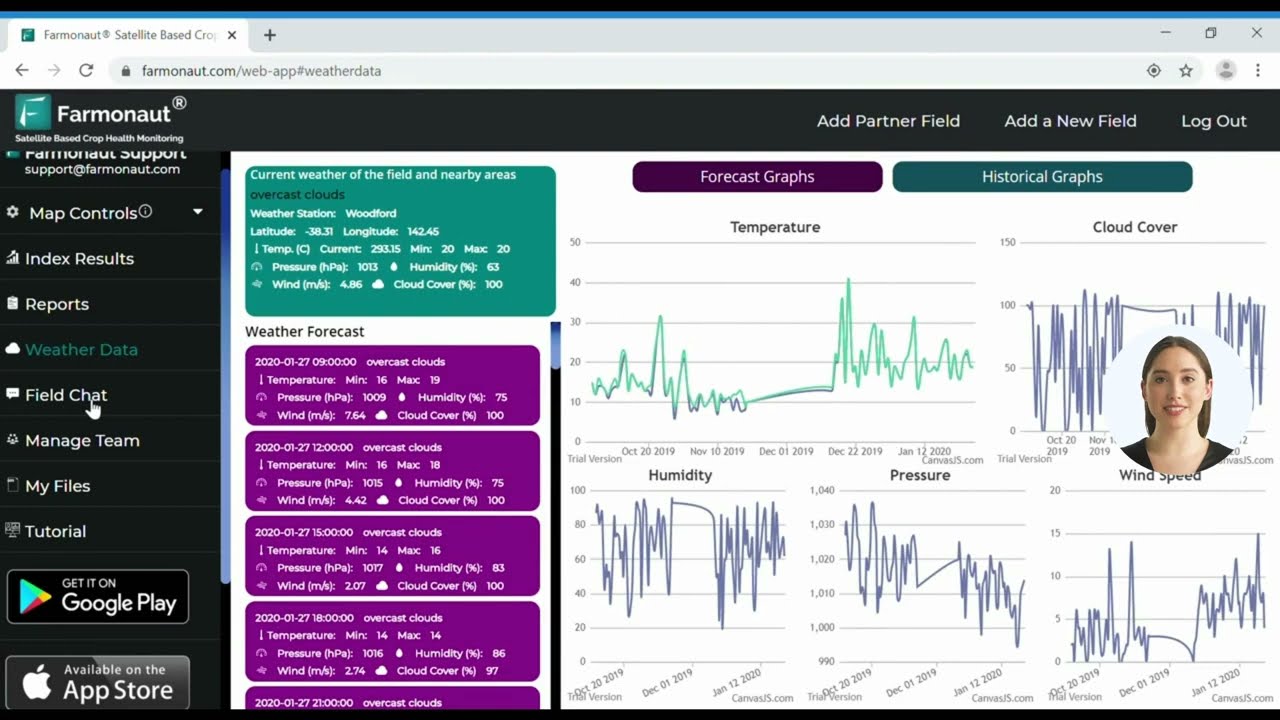
Investment in agtech platforms—especially those combining satellite monitoring, AI advisory, and blockchain traceability—is set to drive transformative gains in sweetcorn productivity and sustainability in coming years.
Comparative Matrix: Sweetcorn Pest Management in 2025
Explore this side-by-side comparison of major sweetcorn pests, highlighting estimated yield losses, symptoms, the latest IPM strategies, and precision innovations used for effective control in 2025–2026.
| Pest Name | Estimated Yield Loss (%) | Common Symptoms | Latest Integrated Management Strategies (2025) | Precision Agriculture Tools Used | Sustainable Impact |
|---|---|---|---|---|---|
| Corn Earworm (Helicoverpa zea) | 15-35% | Kernels chewed, silk clipped, visible larvae inside ears |
|
|
✔ Decreases chemical overuse ✔ Protects beneficial insects |
| European Corn Borer (Ostrinia nubilalis) | 10-25% | Bores in stalks/ears, plant lodging, frass in tunnels |
|
|
✔ Reduces recurrent infestations ✔ Lowers pesticide residues |
| Fall Armyworm (Spodoptera frugiperda) | 20-50% | Window-paning on leaves, chewed whorls/ears, frass buildup |
|
|
✔ Limits resistance buildup ✔ Fast response, less crop loss |
| Corn Leaf Aphid (Rhopalosiphum maidis) | 5-15% | Whorl colonization, yellowing, sticky honeydew, stunted growth |
|
|
✔ Reduces viral diseases ✔ Supports organic practices |
| Cutworms & Wireworms (Agrotis spp., Elateridae larvae) | 5-20% | Cut seedlings, poor stand, wilting, root tunneling |
|
|
✔ Cuts early stand losses ✔ Reduces chemical input |
Farmonaut’s Satellite-Driven Pest Control Solutions
We at Farmonaut recognize that effective sweetcorn pest management now relies on real-time data and actionable insights. Our platform combines multispectral satellite imaging, AI-based analytics, and blockchain traceability to offer a powerful toolkit for farmers, agronomists, and agencies seeking next-generation control over crop health.
- ✔ Real-time pest outbreak detection: Satellite imagery helps us pinpoint pest hotspots in thousands of hectares, allowing fast and precise intervention.
- 📊 AI-powered advisory via Jeevn AI: We provide recommendations based on current field conditions, pest pressure, and weather forecasts, triggered by satellite and drone data.
- ✔ Sustainable field management: Integrated monitoring of crop health (NDVI), pest dynamics, and soil properties supports eco-friendly pest strategies.
- ⚠ Reduced input costs: By targeting interventions only where needed, we help farmers reduce unnecessary insecticide costs and preserve beneficial insect populations.
- ✔ Improved product traceability: Our blockchain solution tracks sweetcorn harvest batches from field to storage, bolstering food safety and transparency.
To empower developers building custom sweetcorn pest monitoring solutions, Farmonaut provides an API and Developer Documentation. These tools enable seamless integration of satellite-based insights into diverse digital agronomy platforms.
Farmonaut Platform Benefits For Sweetcorn Pest Management
- Lower pesticide costs via precision targeting
- Optimize irrigation and fertilization alongside pest control
- Satellite data reaches even remote sweetcorn fields
- Supports large and small scale farms equally
- Blockchain-based traceability builds export trust
- Secures product authenticity
- Supports compliance with carbon footprint regulations. More information: Farmonaut Carbon Footprinting
Sustainable Practices for Sweetcorn Farming in 2026 and Beyond
As sweetcorn farming continues to evolve, sustainability is no longer optional—it is critical to resilience, profitability, and market access. The following approaches are integral:
- ✔ Rotation and Diversity: Regularly rotate sweetcorn with non-host crops to break pest cycles and maintain soil health.
- 🌿 Field Sanitation: Remove, destroy, or incorporate residues after harvest to eliminate overwintering pests.
- 🛡️ Resistant Varieties: Prioritize GM or conventionally bred lines with proven pest and disease tolerance.
- 🧩 Biodiversity: Encourage beneficial organisms and integrated pest ecology for natural suppression.
- 📱 Digital Monitoring: Employ satellite and drone platforms for 360-degree, cost-efficient surveillance.
Over-relying on a single chemical class for pest control accelerates resistance. Rotating insecticide types and modes of action is essential for long-term sweetcorn health.
Visual Checklist: Steps for Integrated Pest-Resistant Sweetcorn in 2026
- 🔍 Scout fields weekly for pest signs and thresholds
- 🚜 Implement timely field sanitation
- 🧪 Rotate insecticides with different modes of action
- 🛰️ Leverage satellite/drone for pest stress mapping
- 🌱 Preserve beneficial insect habitats in/around fields
How to Access Sweetcorn Pest Monitoring with Farmonaut
Farmers, agronomists, and agricultural enterprises seeking to streamline operations and maximize yield may explore Farmonaut’s remote digital platform:
Agro-Admin App for Large-Scale Farm Management
—an advanced dashboard that enables sweetcorn field monitoring, record keeping, and resource tracking using satellite data.
For tracking product authenticity from field to market and ensuring food safety for sweetcorn, Farmonaut’s Product Traceability leverages blockchain—critical for commercial farms, food exporters, and agroprocessors.
Interested in integrating automated crop verification for input suppliers, insurers, or lenders? Our Crop Loan & Insurance Solution automates field assessment, reducing fraud and speeding up claims for sweetcorn growers.
Outlook, Recommendations & FAQ
The integration of AI, satellite imagery, and blockchain will not only help control sweetcorn pests, but will also drive the next era of traceable, sustainable, and resilient agriculture globally.
Summary: Sweetcorn Pests—Challenges and Strategies in Modern Agriculture (2025–2026)
- Sweetcorn is a vital crop facing critical pest challenges exacerbated by climate changes, resistance development, and evolving pest dynamics.
- Integrated pest management (IPM), combining cultural, biological, and chemical strategies with precision tools, remains the most effective approach for yield losses reduction and crop quality improvement.
- Farmonaut’s platform (satellite + AI + blockchain) empowers farmers with 24/7 monitoring, targeted advisories, and eco-compliance features, keeping sweetcorn cultivation profitable and sustainable.
- Continued investment in digital agriculture, farmer education, and collaborative research are key to overcoming present and future sweetcorn pest threats.
Farmonaut Subscription Plans
Frequently Asked Questions (FAQ) on Sweetcorn Pest Management 2026
Q1: What are the most common sweetcorn pests threatening yield in 2026?
Sweetcorn pests include Corn Earworm, European Corn Borer, Fall Armyworm, Corn Leaf Aphid, Cutworms, and Wireworms. Their prevalence and impact depend on local climate and field practices.
Q2: How does climate change affect pest management in sweetcorn?
Warmer and more volatile weather accelerates pest life cycles, increases the frequency of pest generations, and expands pest geographic ranges. It also can speed up resistance development, demanding smarter, adaptive management.
Q3: What is the most effective strategy to control sweetcorn pests sustainably?
Integrated Pest Management (IPM) which combines crop rotation, biological controls, precision field scouting, and selective chemical use, is widely regarded as the best strategy in 2025–2026.
Q4: How does Farmonaut support sweetcorn pest management?
We provide real-time satellite monitoring, AI-driven pest advisories, and blockchain traceability tools for proactive, sustainable, and cost-effective sweetcorn farming worldwide. Learn more on the Agro-Admin App page.
Q5: Are there digital tools to help prevent pest outbreaks?
Yes! Platforms like Farmonaut integrate satellite imagery, AI predictions, and drone monitoring to detect early pest signatures before they escalate to damaging levels, enabling swift mitigation and savings.
Regularly consult the Farmonaut Web, Android, or iOS apps for satellite pest alerts and historical crop health records—you’ll spot problems earlier, leading to higher marketable yield!
Early adopters of precision agtech and digital traceability are expected to reduce pest-driven crop losses, cut compliance costs, and secure premium market contracts for sweetcorn export.
Delaying pest monitoring until visual symptoms appear can result in irreversible yield losses—use digital scouting tools for best results!
Combining sustainable rotation, digital field monitoring, biological controls, and data-driven interventions reduces both yield losses and farm input costs year after year.
Check your carbon compliance and sweetcorn’s environmental impact with Farmonaut’s Carbon Footprinting Tool.
Your Sweetcorn Pest Management 2026 Checklist
- ✅ Invest in precision pest monitoring apps/platforms
- ✅ Adopt crop rotation and sanitation practices
- ✅ Prioritize GM or resistant sweetcorn varieties when available
- ✅ Promote biodiversity and beneficial insects on-farm
- ✅ Track and analyze pest data regularly for informed action
For actionable insights and real-time sweetcorn pest monitoring, download the Farmonaut apps for Android or iOS, explore our Agro-Admin Platform, and harness the power of carbon footprinting and product traceability for the most sustainable sweetcorn yields ever.
Maximize your sweetcorn yield, safeguard your crop, and prepare for tomorrow’s challenges with Farmonaut’s technology. Start your journey here.

 Adgrid
 eKGIS
eKGIS Mostas Tech
 Native Seeds
 Andex
Andex FCF India
 Unifrutti Gulf
 Deluxe Conseil
 TVS Electronics
 BW Pipelines
 WICO
WICO Chimera Innovation
 SkyHarvest
 Polaris Digitech
 Teledarbas
