

Tracker Farming 2025: Precision Agriculture Tracker
“By 2025, precision agriculture trackers can increase crop yields by up to 20% through optimized resource management.”

- Published: June 2025
- Focus Keyword: Tracker for Farming, Precision Agriculture Tracker
- Estimated Read Time: 20 Minutes
Introduction: The Rise of Tracker Farming 2025
In recent years, agriculture has witnessed a technological revolution aimed at increasing productivity, sustainability, and precision. Among the emerging innovations, the concept of a tracker for farming—often termed as farming tracker or agriculture tracker—has become central to modern farming practices. By 2025, these technologies have evolved into indispensable tools that enable farmers to monitor and optimize crop growth, soil health, weather conditions, and resource management with unprecedented accuracy.
As environmental pressures and food demands escalate, success in agriculture now depends on more than just traditional know-how. Real-time tracking, data-driven insights, and digital tools are enabling farmers to move from reactive to proactive management—and, ultimately, to sustainable, resilient farming systems. Welcome to the future of precision agriculture tracker, where athletic fields of crops are now digital ecosystems thriving under the careful supervision of advanced trackers.


Understanding Agriculture Trackers: The Digital Foundation of Modern Farming
Agriculture trackers generally refer to a suite of digital tools and sensors integrated across farming environments to collect and analyze real-time data. These tracker systems include:
- Satellite imaging: Multi-spectral and thermal data for vast crop and soil monitoring
- IoT-enabled soil moisture sensors: Embedded in fields to measure levels (moisture, pH, nutrient content etc.)
- Drone-based aerial surveillance: Automated drones for imaging, pest detection, and variable-rate input application
- Advanced GPS-guided machinery: Optimizes machinery movement, reducing overlap and fuel usage
- Eye tracker farming simulator: Simulators utilizing eye-tracking for training and cognitive behavior analysis in farm operations
The primary goal of employing these farming trackers is to enhance decision-making through precise, data-driven insights. This approach is promoting efficient resource management and enables truly sustainable farming—increasing yield while preserving natural resources.
Let’s dive deeper into the types of trackers for farming, their central role in boosting productivity, and how their integration is redefining agricultural practices in 2025 and beyond.
“Advanced soil health trackers analyze over 15 key soil parameters in real-time for sustainable farming decisions.”
Comparison Table: Precision Agriculture Tracker Technologies for 2025
| Technology Name | Key Features | Estimated Improvement in Crop Yield (%) |
Resource Efficiency Gain (%) | Projected Adoption Rate by 2025 (%) |
|---|---|---|---|---|
| GPS Field Trackers & EZ-Steer Systems |
|
7–10% | 10–20% | 70% |
| IoT Soil Moisture & Nutrient Sensors |
|
10–18% | 20–30% | 55% |
| Drone-Based Aerial Imaging & Surveillance |
|
6–14% | 7–15% | 36% |
| Satellite-Based Remote Sensing & Data Analytics |
|
12–20% | 25–35% | 48% |
| Eye Tracker Farming Simulator (Training Systems) |
|
Variable (by user skill improvement) | Variable (labor efficiency up 15%) | 18% |
Key Takeaways:
- Satellite-based tracking and IoT sensors rank highest for resource efficiency gain and projected adoption.
- GPS field tracking systems remain the most widely adopted due to operational simplicity and cost reduction potential.
- Smart simulators like the eye tracker farming simulator drive gains via user training and refined human–machine interaction.

Applications of Precision Agriculture Tracking Systems
The applications of tracker for farming technologies are as broad as they are profound. Let’s examine the key use cases elevating modern agriculture practices in 2025:
1. Precision Crop Monitoring & Early Warning
Agriculture trackers now allow us to closely monitor crop health throughout every growth cycle. Using multi-spectral imaging from drones and satellites, farmers detect early signs of diseases, pest infestation, or nutrient deficiencies. Instead of applying fertilizers or pesticides uniformly across the entire field, we can target specific zones—reducing chemical use and lowering costs.
For example, satellite-based remote sensing detects subtle plant stress signals invisible to the naked eye, ensuring proactive crop care.

2. Advanced Soil & Water Management
Soil sensors embedded in our fields now measure moisture levels, pH, and nutrient content in real-time. Coupled with AI-driven forecasting models, these trackers help us optimize irrigation schedules, preventing overwatering or drought stress. Smart irrigation systems connected to farming trackers can automatically adjust water supply based on current crop needs, conserving water resources considerably.
With sophisticated data analytics, even minor soil health changes trigger actionable alerts for farmers.

3. Weather Forecasting & Climate Adaptation
With climate volatility on the rise, agriculture trackers equipped with weather stations and predictive analytics provide hyper-local weather forecasting. This enables farmers to time planting and harvesting more judiciously, anticipate severe weather, and implement adaptive strategies—protecting crops from losses while ensuring consistent food output.
Detailed weather forecasting and data monitoring directly improve crop resilience in an era of unpredictable conditions.
4. Machinery and Labor Efficiency with Agriculture Trackers
With GPS-enabled machinery and labor tracking integrated into farming tracker systems, tractors and harvesters now follow optimized paths that minimize overlap and reduce fuel consumption. Real-time data on machinery and labor activity helps streamline operations, maximizing productivity, and ensuring that every resource is efficiently deployed at the right time.
5. Traceability and Food Security
By integrating blockchain into precision tracking, modern traceability systems allow farmers and corporations to track a product’s journey across every stage—from field to market. This transparency is essential for food security, helping to reduce fraud, authenticate organic crops, and foster consumer trust.

Soil & Water Management: Sustainable Solutions with Tracker Farming
The future of agriculture relies on sustainable soil and water management. With tracker farming and advanced sensors, farmers now monitor multiple soil health indicators, such as:
- Soil moisture – optimal irrigation, water conservation
- pH and nutrient content – site-specific fertilization
- Organic carbon and microbial activity – supporting long-term crop growth
- Soil compaction and texture – avoiding drought stress and erosion risks
By tracking these indicators, farmers act before deficiencies cause irreversible crop loss, making each field a micro-managed, high-efficiency system. Connected irrigation systems automatically adjust water supply to the right zones, ensuring consistent growth and reducing water waste. The result: robust yields, healthier soils, and lower input costs—key objectives for sustainable agriculture in 2025.
API Solutions for Integrated Smart Agriculture Tracking
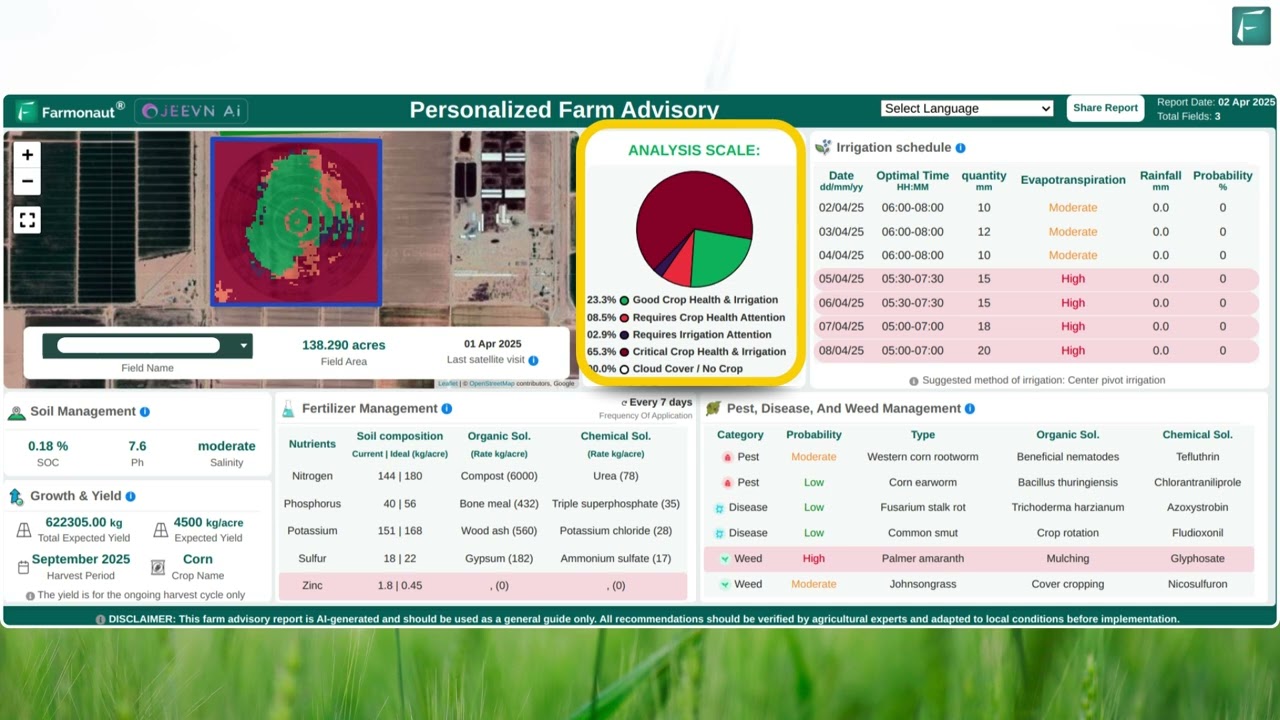
Modern enterprises can integrate satellite weather, soil, and crop tracking directly into their systems using Farmonaut APIs, which offer real-time insights for better agricultural decisions across vast environments.
- Farmonaut Tracking API – Enterprise developers access satellite and ground-level farm data programmatically.
- API Developer Docs – Rapid documentation for seamless integrations and custom smart agriculture dashboards.
Climate, Weather, and Adaptive Management in Tracker Farming
In addition to soil and water, weather and climate are massive variables. With climate extremes increasing in frequency and severity, tracker for farming solutions now include embedded weather stations, regional satellites, and AI-based forecasting models for site-specific risk management. Weather data is seamlessly combined with satellite imaging to predict droughts, excessive rainfall, windstorms, or unseasonal temperature spikes.
- Planting schedules are adjusted dynamically based on rain and heat signals.
- Harvest alerts are triggered by impending storms or temperature shifts, lowering crop loss risk.
- Adaptive management strategies are now standard, with rapid farm-level adjustments executed via SMS or app notifications.
This resilience, powered by data-driven agriculture tracker systems, is essential for meeting global food supply targets and ensuring sustainability by 2025.

Traceability and Climate-Smart Agriculture
Secure traceability is becoming increasingly vital as international supply chains tighten standards. Farmonaut Traceability (see product page) leverages blockchain to eliminate fraudulent records and guarantee product origin, providing vital support for food safety compliance and global trade.
Machinery, Labor & Resource Efficiency: Connected Tools
Precision machinery tracking via agriculture tracker platforms is reducing resource consumption across industries. Fleet management tools now allow managers to:
- Locate all machines on-farm in real-time for better scheduling
- Deploy machinery based on fields’ current status and upcoming weather events
- Track maintenance needs—avoiding costly breakdowns
- Log usage data for insurance audits and financing processes
This data-driven management helps reduce unnecessary fuel burn and labor hours, while ensuring the right resources are deployed at the right time for optimal crop growth.
Smart Farming Simulators: Eye Tracker Farming Simulator & Training
A fascinating step forward for agriculture tracker technologies is the eye tracker farming simulator. Traditionally used in aviation or defense, these advanced simulators are now key in agricultural training and innovation.
- Eye tracking technology maps precisely where the user looks while performing virtual farm tasks (e.g., pest spotting, machine operation).
- This data enables researchers to understand in-field decision priorities and cognitive responses.
- Farmers and managers use simulators for skill enhancement, improving situational awareness, and optimizing real-world interventions.
This approach not only improves operator performance but helps refine user interfaces in precision agriculture tracking platforms, making technology more accessible and intuitive.
Sustainability, Food Security & Environmental Impact
A core outcome of integrated farming tracker technology is sustainability. Improved monitoring means we can:
- Reduce unnecessary fertilizer and pesticide use
- Protect soil health and promote biodiversity
- Meet global food security challenges with more reliable crop yields
- Track and minimize carbon footprint
- Support regulatory compliance via data-backed reports
These are not just operational benefits; they are necessities for feeding a growing global population while preserving the planet.
Farmers worldwide are responding to these pressures by adopting Farmonaut’s carbon footprint solutions, blockchain traceability, and environmental impact monitoring systems—all crucial elements for sustainable agriculture now and in the future.
Farmonaut Satellite Technology: Empowering Agricultural Tracking for 2025
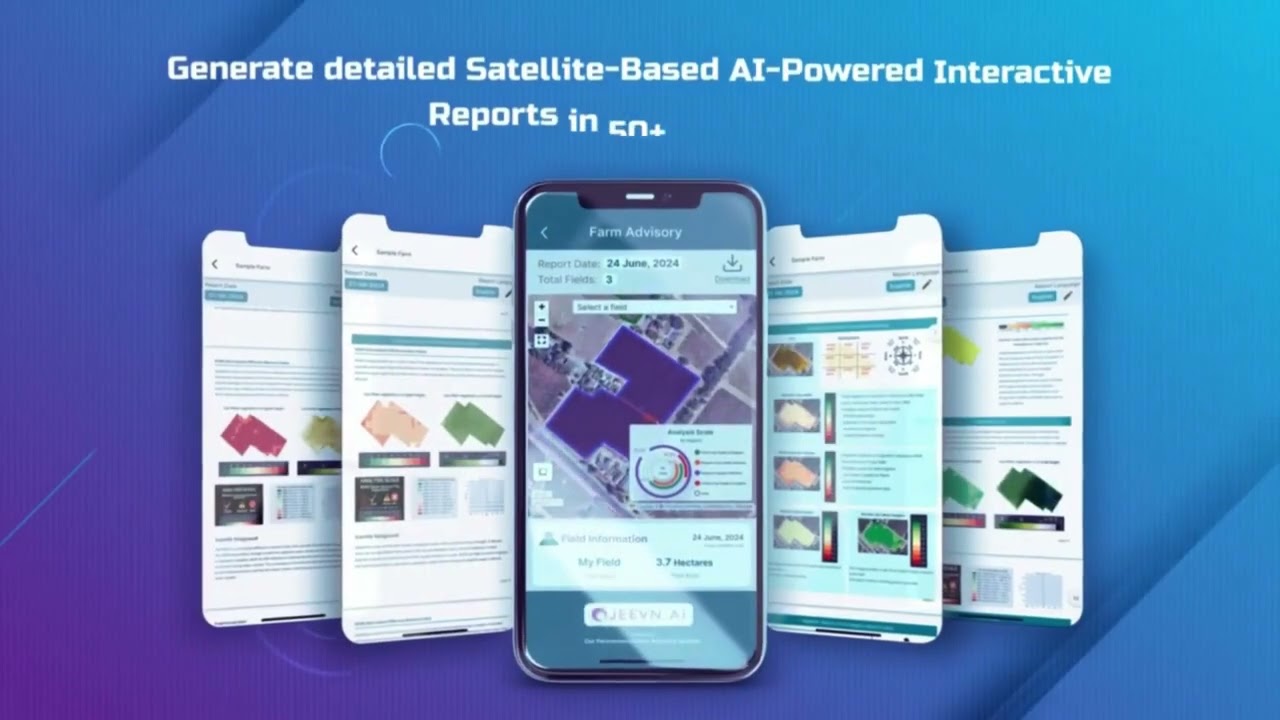
We at Farmonaut are proud to be at the forefront of tracker farming and precision agriculture technologies in 2025. By leveraging satellite imagery, AI analytics, blockchain, and fleet management tools, we help farmers, businesses, and governments make data-driven decisions for better yields, efficient resource usage, and sustainability.
- Satellite-Based Monitoring: Monitor large fields for crop health, soil condition, and early warning signs.
- Real-Time Insights & Jeevn AI: Our advanced AI systems provide hyper-local weather forecasting, pest detection, and tailored advisories.
- Blockchain Traceability: Ensuring food safety, supply chain transparency, and consumer trust at every step.
- Fleet & Resource Management: Manage machinery and field teams remotely for operational excellence.
- Environmental Impact Tracking: Tools for measuring carbon footprint and supporting regulatory compliance.
Our API and platform offerings support everyone from individual farmers to large agribusinesses and public agencies—all accessible via web, Android, and iOS.
Need advisory on large-scale crop or plantation management? Tap here for Farmonaut’s crop plantation forest advisory solutions.
FAQs About Precision Agriculture Trackers in 2025
What is a precision agriculture tracker?
A precision agriculture tracker is a digital suite or system—including sensors, satellite imagery, GPS devices, and analytics platforms—that enables accurate monitoring of farming operations, crop health, soil moisture, and resource usage. These trackers help optimize field-level management, reduce waste, and improve sustainability.
How does a farming tracker improve crop yields?
Farming trackers use data to detect crop stress, guide targeted interventions (like irrigation or nutrient management), and empower farmers to act early, driving higher yields and reduced losses.
What role does the eye tracker farming simulator play?
The eye tracker farming simulator is a training tool that uses eye-tracking technology to analyze how operators interact with virtual farming scenarios. These simulators help improve decision-making speed, reduce errors, and optimize the development of intuitive agritech user interfaces.
Are these agriculture tracking solutions expensive?
While legacy systems required significant investment, modern satellite-based and IoT-enabled trackers—like those provided by Farmonaut—are increasingly cost-effective. Farmonaut is dedicated to democratizing access, so our solutions are tailored and scalable for all user types.
How is data privacy maintained?
Farmonaut and leading agritech providers adhere to strict data privacy, allowing farmers to control information sharing and ensuring that sensitive data is protected, particularly via blockchain traceability systems.
Conclusion: Growing Into a Smarter, Greener Future
As agriculture continues its digital transformation, farming trackers are now the backbone of modern precision agriculture. Whether through soil moisture sensors, satellite monitoring, smart irrigation, or the eye tracker farming simulator, these tools are making farms more efficient, resilient, and sustainable in the face of mounting global food challenges and unpredictable climate.
We at Farmonaut are committed to empowering every level of the agricultural value chain with advanced satellite-driven tracking, actionable insights, and scalable, affordable digital solutions. The future of agriculture is not only about growing more—it’s about growing smart, growing sustainably, and growing together with precision tracker technologies.
Ready to future-proof your farm, agribusiness, or research operation? Download the Farmonaut app or visit our web platform for real-time agricultural tracking, or integrate with our API for business analytics.

 ASQI
ASQI Teledarbas
 Wild Oak Farm
 SFX
SFX BACF Africa
 Doodlakine
 Exurbia Geospatial
 FieldZero
 Indico Company
 Kubota
 FFBS
FFBS Jontra
 Tucor
Tucor
