

What is GDD in Agriculture? GDD Agriculture Explained for Higher Yield, Climate Resilience & Data-Driven Decisions
“GDD calculates crop growth using daily temperatures above a base threshold, optimizing planting and harvest timing scientifically.”
Introduction to GDD in Agriculture
What is GDD in agriculture? In the ever-evolving agriculture industry, innovative, scientific approaches are driving the future of crop growth, resilience, and management efficiency. One such fundamental concept is Growing Degree Days (GDD), a simple yet powerful measure of temperature-driven development in both crops and natural vegetation. Whether you’re a farmer, agronomist, forester, or someone interested in what is agriculture? or what is ffa in agriculture, understanding GDD unlocks actionable insights to optimize all stages of agriculture and agricultural management.
Growing Degree Days (GDD) are used by farmers and foresters worldwide to predict the growth stages of crops, schedule planting and harvest, and align practices with nature’s rhythms. GDD is central to agricultural management because it translates fluctuating temperatures into a comprehensible indicator of biological development—from emergence to flowering, fruiting, and maturity.
The relevance of GDD is broad. It not only applies to staple field crops such as wheat, corn, and soybean, but also to high-value vegetables, fruits, forestry species, and even pests and pathogens. By leveraging the core GDD method, tech-enabled systems like Farmonaut are reshaping how the agriculture industry approaches yield, risk, and climate adaptation.

Let’s explore what is GDD in agriculture, how it’s calculated, its versatile applications, and the technologies empowering next-generation resource efficiency in food and forestry systems.
How GDD is Calculated in Modern Agriculture
At its core, the GDD calculation is a rigorous yet simple formula that transforms daily maximum and minimum temperatures into a metric for crop growth progress.
Formula:
Where:
• Tmax: Daily maximum temperature
• Tmin: Daily minimum temperature
• Tbase: Base temperature (unique for each species) below which growth is minimal or nonexistent
- ✔️ Daily calculation ensures up-to-date tracking of crop development.
- 📊 If the GDD value is negative, it’s set to zero. (No effective growth occurs below Tbase.)
- ⚠️ Cumulative GDD is obtained by summing daily values across the growing period.
- 🌡️ Each crop has distinct Tbase and total GDD requirements for reaching progression stages.
- 🔄 Mean temperature method is the typical approach, but refinements include using hourly data or upper temperature thresholds.
Example:
Let’s say for a particular day, the maximum temperature is 30°C, the minimum is 15°C, and the crop’s base temperature (Tbase) is 10°C. Here:
GDD = [(30 + 15)/2] – 10 = (45/2) – 10 = 22.5 – 10 = 12.5 GDD for the day.

The Importance of Base Temperature (Tbase)
– Each crop has a distinct Tbase reflecting the threshold at which metabolic activity and growth commence.
– For example: Wheat may use Tbase = 5°C, corn often uses Tbase = 10°C.
This recognition of unique growth rhythms makes GDD a dynamic, species-specific tool for agriculture, afforestation, and related disciplines.
Practical Applications of GDD Agriculture
What is GDD in agriculture if not actionable? GDD unlocks a spectrum of actionable insights for farmers, allowing for precise, climate-responsive decision-making throughout the entire cultivation process. Here’s how:
Planting and Harvest Timing
- ✔️ Estimating key crop stages (emergence, flowering, fruiting, maturity) streamlines labor management and market readiness.
- 📊 Precise harvest windows drive yield and quality, improving profits and resource use.
- 💡 Irrigation and fertilization schedules can be fine-tuned to crop growth stage, reducing input waste.

Crop Planning and Varietal Selection
- ✔️ Thresholds help choose varieties best adapted to local thermal regimes and climatic zones.
- 🌡️ Lower-GDD varieties are preferred in cooler zones; high-GDD varieties thrive in warmer climates.
- 📦 Supports strategic planning and reduces the risk of crop loss due to mismatched maturity schedules.
Pest and Disease Forecasting with GDD
- 🐛 Pest and pathogen models use GDD to predict outbreaks (armyworms, moths, disease periods), enabling timely surveillance and targeted control.
- ⚠️ Reduces pesticide use and environmental impact with precise, need-based applications.
- 🎯 Improved resilience against unpredictable outbreaks.
Frost Risk and Microclimate Management
- 🌱 Early frost prediction via insufficient GDD accumulation informs growers to alter planting dates or deploy crop covers.
- 📉 Microclimate adaptations (e.g., windbreaks, irrigation) extend the effective growing season and protect yield.
“A 1°C rise in average temperature can accelerate GDD accumulation, impacting crop development rates and management decisions.”

GDD in Forestry and Related Disciplines
GDD isn’t limited to staple crops. In forestry and allied natural resource disciplines, GDD is widely used to predict and optimize tree development and forest management practices.
- 🌳 Monitoring bud bursts and shoot growth helps foresters synchronize silvicultural windows (e.g., thinning, pruning, or harvesting) with biological stages.
- 🌱 Supporting restoration and reforestation timelines by understanding degree days requirements for young trees.
- 🔄 Agroforestry systems benefit by synchronizing crops and trees sharing a climate envelope using GDD models.
Industry Implications of GDD Agriculture
Why is GDD so transformative for the agriculture industry? It streamlines a range of resource management, labor planning, and advisory systems, strengthening both profitability and sustainability.
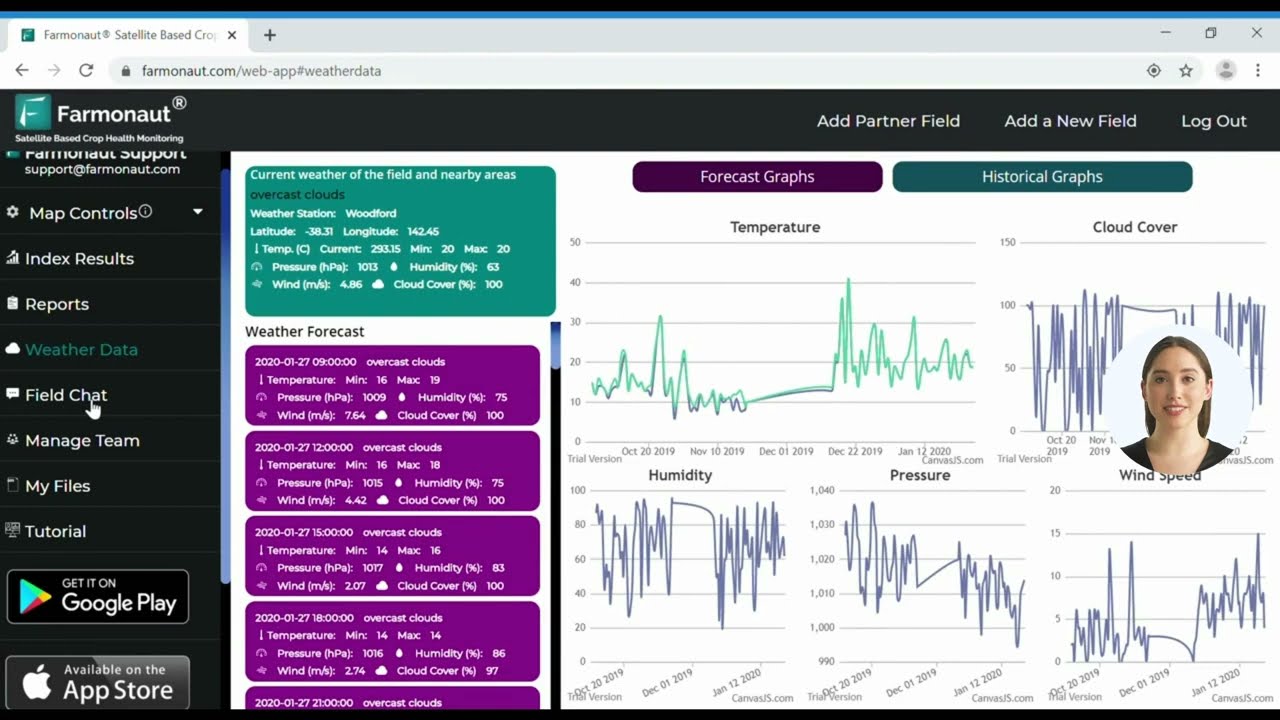
- 📊 Crop modeling & advisory tools (decision-support systems) use GDD for large-scale farm management, giving real-time recommendations for sowing, irrigation, fertilization, and harvest windows.
- 💧 Resource efficiency: Align water, fertilizer, and pesticide inputs precisely with the crop’s actual development, reducing costs and maximizing sustainability.
- 🌍 Climate resilience: As temperatures shift, GDD helps adapt management calendars, select resilient varieties, and anticipate phenological changes that could impact yield and quality.
- 💡 Traceability: GDD-based harvest tracking supports advanced supply chain traceability, increasing consumer confidence and market value. See: Farmonaut Traceability Solution.
- ♻️ Sustainability: Accurate timing minimizes waste and greenhouse gas emissions, supports carbon footprinting and climate-smart agriculture. See Farmonaut Carbon Footprinting.

Examples of GDD Industry Applications
- Timely loan or insurance verification supported by GDD evidence (see Farmonaut Crop Loan and Insurance Verification).
- Fleet operations scheduled around cumulative GDD milestones (see Farmonaut Fleet Management).
- Advisory systems pushing real-time alerts and guidance to producers via mobile/web/app platforms.
GDD Limitations and Ongoing Refinements
Despite its utility, GDD has some limitations—many of which the agriculture industry and technology innovators are actively addressing.
- ⚠️ Base temperature (Tbase) variability: Species- and even genotype-specific; errors can skew predictions.
- 💧 Non-thermal factors: GDD omits photoperiod, soil moisture, nutrient status, and water stress.
- 🛰️ Microclimate effects: Field-scale variations may cause local discrepancies.
- 🔄 Upper temperature thresholds: Some models add max limits to account for heat stress.
- 🔗 Integration needed: Best results come when GDD is part of a larger decision-support system including remote sensing and AI.
Enhancements and Refinements
- 🌱 Smart sensors and AI models help correct for microclimates and non-thermal variables.
- 🛰️ Satellite platforms like Farmonaut give accurate, field-level temperature, soil, and growth estimates for real-world precision.
- 📱 Integration with apps, web tools, and APIs makes GDD-based insights usable on-the-go by producers, researchers, and industry managers.
Crop Growth Stage and Estimated GDD Requirements Table
| Crop Name | Growth Stage | Estimated GDD Required |
|---|---|---|
| Wheat | Emergence | 100–150 |
| Wheat | Flowering | 900–1200 |
| Wheat | Maturity | 1500–1800 |
| Corn (Maize) | Emergence | 100–140 |
| Corn (Maize) | Silking | 700–800 |
| Corn (Maize) | Physiological Maturity | 1200–1500 |
| Soybean | Emergence | 100–120 |
| Soybean | Flowering | 600–750 |
| Soybean | Maturity | 1300–1600 |
| Rice | Emergence | 90–130 |
| Rice | Panicle Initiation | 550–650 |
| Rice | Maturity | 1500–1900 |
| Potato | Emergence | 100–120 |
| Potato | Tuber Initiation | 400–500 |
| Potato | Maturity | 850–1000 |
These values are generalized; local adaptation and modern cultivars may vary—always combine with field scouting for precision management.
Farmonaut Satellite Solutions for Advanced Agriculture
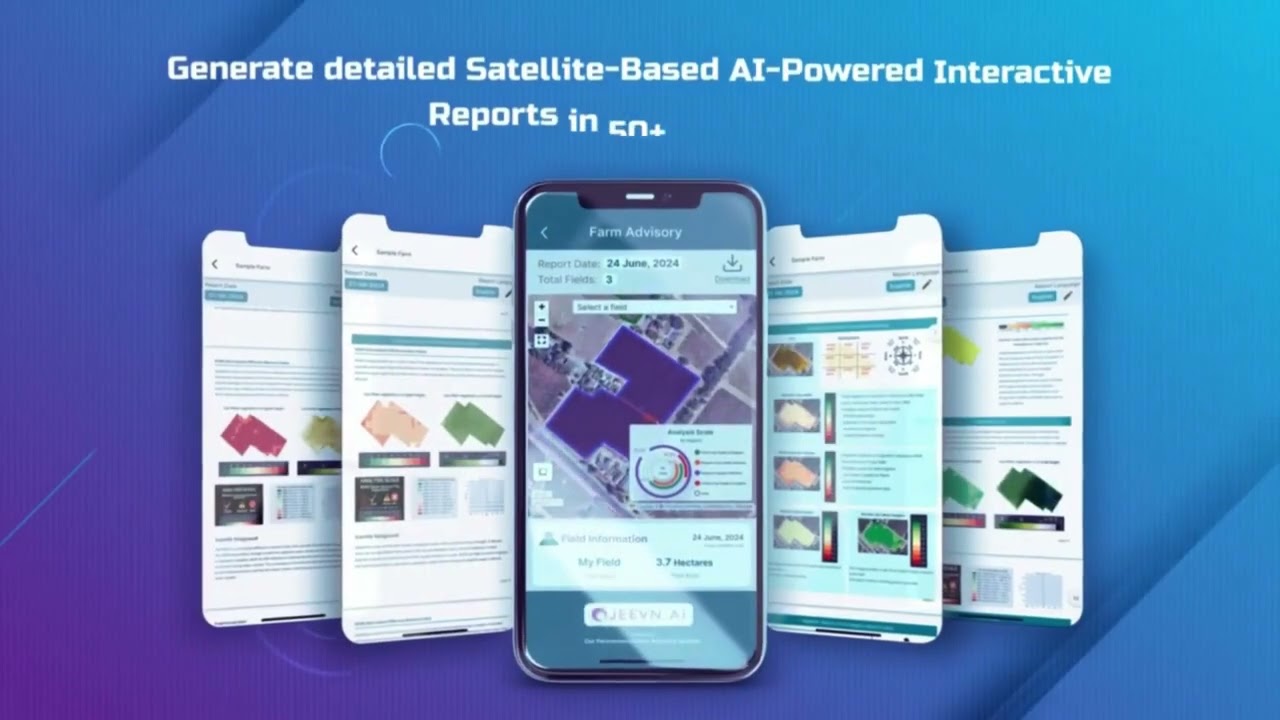
Satellite technology has revolutionized data-driven management in agriculture, forestry, and all related disciplines. At Farmonaut, we deliver affordable, real-time insights for crop monitoring, resource tracking, and supply chain transparency—all leveraging the power of GDD, remote sensing, and AI advisory platforms.
- 🛰️ Real-time crop health monitoring: Using satellite-derived NDVI, microclimate data, and GDD for timely, field-level management.
- 📲 Mobile accessibility: Analyze your fields and forests at any time via our web, Android, or iOS apps.



- 🔗 API integrations: Embed our advanced crop monitoring, weather, and advisory features into your own agri-tech platforms or research systems.
Farmonaut API |
API Docs - 🌳 Forest plantation & advisory: Our tools bring GDD tracking to timber producers, afforestation managers, and silvicultural projects. Learn more here →
Key Insights & Tips
Align farm operations to biological growth, not arbitrary calendar dates.
Streamline labor, resource, and fleet management with predictive data.
Reduce waste of water, fertilizer, and chemicals with precise timing.
Quickly adjust crop calendars for shifting temperature and weather trends.
Boost yield, resilience, and profitability with actionable models.
FAQ on GDD Agriculture
A: GDD, or Growing Degree Days, is a temperature-based metric that helps predict the biological development stages of crops or plants. It’s calculated by summing the difference between daily mean temperature and a base threshold, specific to each crop.
Q2: Why do farmers use GDD for crop management?
A: Farmers use GDD to accurately time planting, irrigation, fertilization, pest control, and harvest based on actual plant development, not the calendar. This reduces risk, improves yield, and boosts operational efficiency.
Q3: How are base temperatures (Tbase) decided?
A: Tbase is chosen based on the temperature below which a specific crop ceases effective growth. Each crop (and sometimes variety) may have a distinct Tbase, informed by scientific and field studies.
Q4: What are the limitations of GDD models?
A: GDD models don’t account for factors like photoperiod, soil moisture, and nutrient status, nor do they always capture field-scale microclimates. For best results, combine GDD with field/sensor data and AI-driven advisory systems.
Q5: Is GDD also used in forestry?
A: Yes! GDD is widely used in forestry to schedule thinning, pruning, harvesting, and restoration, as well as in aligning agroforestry systems with local climate regimes.
Summary: Why is GDD Fundamental to Modern, Technology-Driven Agriculture?
- ✔️ What is GDD in agriculture? It’s a cornerstone in temperature-based agricultural management, used across the agriculture industry and forestry.
- 📈 Core principle: Simple accumulation of daily heat above a base temperature predicts and optimizes growth stages, from emergence to maturity.
- 🔄 Versatility: GDD informs scheduling, input use, pest/disease control, varietal planning, and resource efficiency.
- 🛰️ Innovation: With satellites, AI, and blockchain, GDD-driven systems like Farmonaut bring precision and transparency to the field—enabling better yield, quality, and climate-smart resilience.
- ⚙️ Limitation: GDD must be refined for microclimates, cultivar specificity, and integration with real-time sensor/satellite data for best performance.
Ready to harness GDD and data-driven agriculture?
Track, analyze, and optimize your crop and forest management with the Farmonaut platform:
GDD is no longer optional. Whether you ask what is agriculture?, want to compare GDD agriculture methods, or strive for the latest management practices, this concept is at the core of modern, sustainable food and forest systems. Elevate your results through monitoring, technology, and continuous learning—and let data like GDD lead your journey!
Discussion
Questions, corrections or field experience? Share them below. First-time comments are reviewed before they appear, and your email is never published.
No comments yet. Be the first to add a question or your experience.

 eKGIS
eKGIS Mostas Tech
 AgroStar
 Native Seeds
 Andex
Andex FCF India
 Unifrutti Gulf
 Deluxe Conseil
 TVS Electronics
 BW Pipelines
 WICO
WICO Chimera Innovation
 SkyHarvest
 Polaris Digitech
 Teledarbas
