

Agriculture Sector Survey Tools & Agricultural Surveillance 2025: Revolutionizing Farming with Advanced Systems
“By 2025, over 70% of large farms will use AI-powered survey tools for crop monitoring and yield prediction.”
- Advancements in Agricultural Survey Tools and Surveillance: Revolutionizing Farming in 2025
- The Role of Agriculture Sector Survey Tools in 2025
- Core Technologies: GIS, Remote Sensing, IoT, and Satellite Imagery
- Agricultural Surveillance Systems: Real-time Monitoring and Action
- Key Agricultural Survey Tools & Surveillance Systems (2025): Comparison Table
- Sustainable & Precision Agriculture Practices Enabled by Advanced Tools
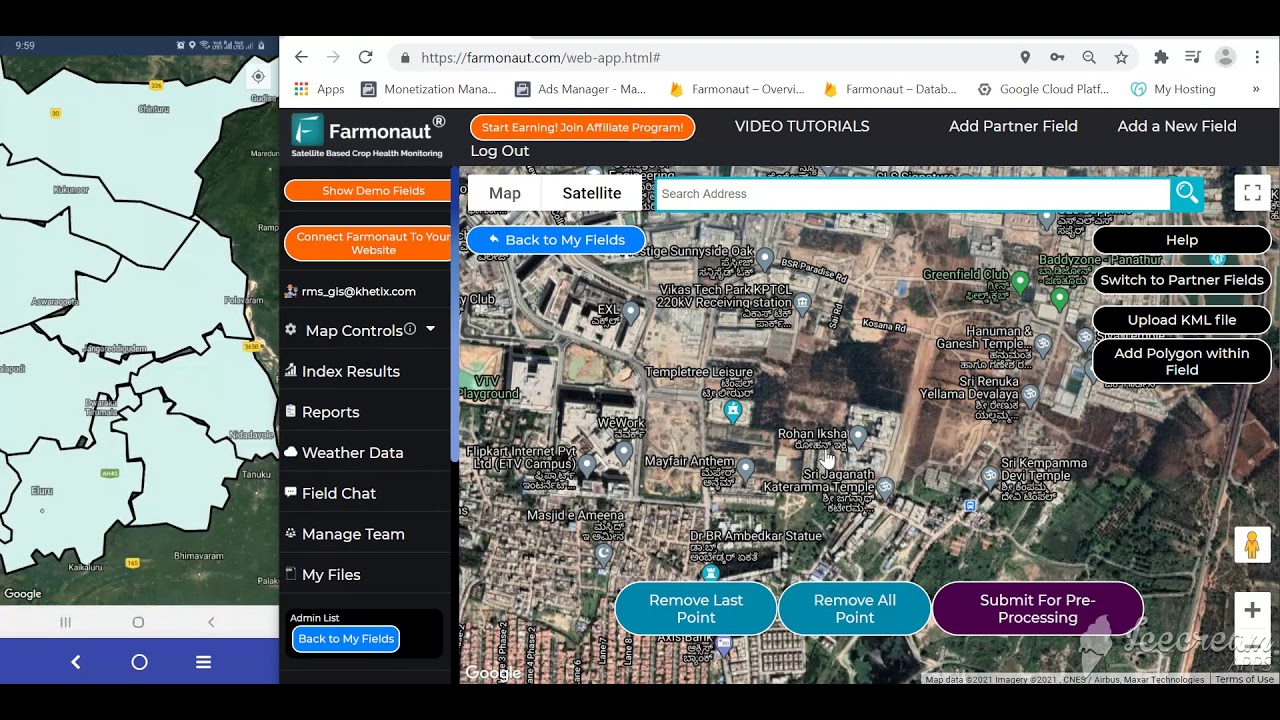
- How Farmonaut Empowers Agriculture: Satellite Technology in Action
- Challenges and Future Outlook for the Agriculture Sector
- Conclusion: Reshaping the Global Agriculture Sector
- Frequently Asked Questions
Advancements in Agricultural Survey Tools and Surveillance: Revolutionizing Farming in 2025
The year 2025 marks a turning point for the agriculture sector survey tools, agricultural surveillance landscape. Driven by sophisticated data platforms, cutting-edge technologies like AI, satellites, drones, IoT sensors, and scalable analytics, farming is becoming more accurate, efficient, and sustainable than ever. The global sector is witnessing a profound transformation as modern practices and tools respond to escalating challenges—from resource scarcity and climate change to exponential population growth and food demand.
Today’s farmers are empowered to make timely decisions fueled by accurate, real-time data, precise weather predictions, and continuous crop surveillance, fundamentally reshaping how food is produced globally.
This blog explores the core role of agricultural survey tools and surveillance systems in 2025, breaks down leading technologies and their integration, showcases a comparison table for quick evaluation, and explains the impact on productivity, costs, sustainability, and resilience for farmers worldwide.




The Role of Agriculture Sector Survey Tools in 2025
The heart of change in 2025’s agriculture sector lies in the rapid evolution of agriculture sector survey tools. Historically, manual sampling methods dominated—requiring immense labor, limited areas, and often resulting in data gaps. With global climate change increasing unpredictability, and new pest outbreaks becoming more frequent, such approaches are no longer sustainable.
Today’s agricultural survey tools go far beyond traditional methods, incorporating digital technologies to provide continuous collection, analysis, and application of relevant field information.
- Handheld devices for on-spot, real-time soil and crop health measurements are now commonplace across farms.
- IoT sensors monitor variables like pH, temperature, and moisture in the soil, crop chlorophyll levels, and plant vigor, providing quantitative insights.
- Unmanned Aerial Vehicles (UAVs) / Drones deliver high-frequency imagery for crop mapping, identifying abnormalities, and assessing nutrient deficiencies at scale.
- Geographic Information Systems (GIS) and remote sensing process massive datasets for multi-layer mapping and pattern recognition.
- Connected weather platforms provide farm-level forecasts and risk warnings for quick, informed interventions.
Instead of broad, uniform application of resources, modern agriculture sector survey tools allow for site-specific management. This significantly optimizes fertilizer, irrigation, and pest control use, reducing costs, environmental impact, and minimizing losses.
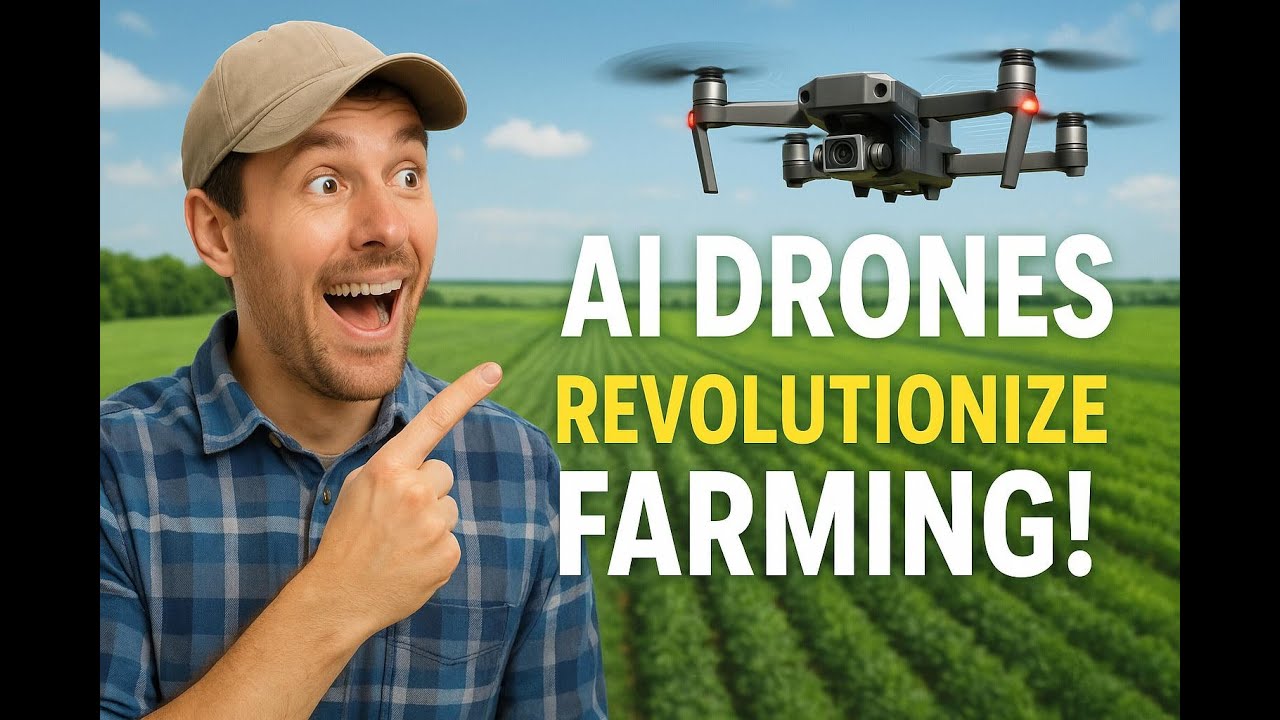
Tools are now designed to:
- Enable real-time collection of accurate field data, even on smallholder and remote farms
- Assess soil nutrient levels and deficiencies for tailored fertilization plans
- Detect early crop diseases and pest infestations before visible damage occurs
- Guide precision irrigation decisions by monitoring soil moisture patterns
- Allow seamless integration with advisory platforms, analytics engines, and decentralized apps.
Core Technologies: GIS, Remote Sensing, IoT Sensors, and Satellite Imagery Powering Survey and Surveillance in Agriculture
At the heart of agriculture sector survey tools and agricultural surveillance in 2025 are several advanced technologies that make accurate data collection and real-time analysis possible—fueling the digital transformation of farming globally.
- Geographic Information Systems (GIS): Allow precise mapping and layered visualization of soil, crops, weather, and topography for site-specific recommendations.
- Remote Sensing: Employs satellite or UAV/drones to gather broad, multi-spectral data from fields, enabling detection of nutrient deficiencies, stress, and plant health conditions efficiently across large areas.
- IoT Sensors: Embedded throughout fields, these capture temperature, soil moisture, and other variables, feeding data directly into analytics platforms for actionable insights.
- Satellite-based Surveillance: Provides frequent updates on crop development, water stress, or disease outbreaks across entire farming regions, supporting timely intervention.

Agricultural Surveillance Systems: Real-time Monitoring and Proactive Action
“Advanced surveillance systems are projected to increase agricultural data collection efficiency by 60% in 2025.”
What sets 2025 apart is how agricultural surveillance systems go well beyond static data collection. These advanced systems—built on satellite imaging, drone monitoring, and AI-powered platforms—have brought continuous, holistic monitoring to even the remotest farmlands.
- Continuous data flows into unified dashboards, enabling farmers to monitor crops, machinery, and environmental changes in real time.
- AI-driven analytics parse these streams to trigger early warnings for emerging diseases, pest invasions, deficiencies in soil or vegetation, and water scarcity events.
- Cloud-based integration connects multiple tools (weather feeds, IoT, equipment), allowing timely decisions for interventions such as adjusting irrigation, applying precision pesticide doses, or rescheduling harvests.

The outcome? A marked reduction in losses due to unforeseen weather changes, early detection of issues, and far greater sector resilience—key for both large commercial farms and smallholders.
- Satellite-based platforms continuously monitor large tracts of farmland across national and global scales, assisting governments and agribusinesses in resource allocation and policy planning.
- Mobile survey and advisory apps make sophisticated surveillance accessible and actionable to individual farmers and cooperatives at much lower costs.
Key Agricultural Survey Tools & Surveillance Systems (2025): Features & Impact Comparison Table
| Tool / System Name | Core Technology Used | Primary Function | Estimated Productivity Improvement (%) | Estimated Cost Savings (%) | Sustainability Impact |
|---|---|---|---|---|---|
| Satellite-Based Crop Monitoring Platform | Satellite Imagery, AI/ML | Crop Health, Disease & Water Stress Detection | 15–25% | 18–30% | High (data-driven, reduced inputs) |
| IoT Sensor Networks | IoT, Cloud, Analytics | Soil Moisture & pH, Microclimate Monitoring | 12–18% | 10–22% | Medium–High |
| Drone/UAV Aerial Survey Systems | Drones, Multispectral Cameras | Rapid Mapping, Pest Detection, Crop Counting | 10–18% | 12–25% | Medium |
| Mobile Survey & Advisory Apps | AI, Cloud, Mobile | Field Data Collection, Decision Support | 8–16% | 15–25% | Medium |
| Blockchain Traceability Platforms | Blockchain, IoT | Supply Chain Authenticity, Product Traceability | 5–10% | 8–13% | High |
| Precision Irrigation Control Systems | IoT, Cloud Automation | Automated, Data-Driven Irrigation | 10–20% | 20–30% | High |
Sustainable & Precision Agriculture Practices Enabled by Advanced Tools
The integration of state-of-the-art agriculture sector survey tools and surveillance systems empowers the adoption of sustainable farming practices at a global scale. Here’s how these innovations shape modern agriculture:
- Variable Rate Application & Precision Irrigation
- Input optimization by applying fertilizers, pesticides, and water only where needed based on real-time sensor data and satellite-driven maps
- Substantial cost savings and yield increases while minimizing environmental impact
- Pest & Disease Management
- AI-driven drone and satellite analytics enable rapid identification of outbreaks and targeted responses
- Reduces unnecessary pesticide usage and supports biodiversity
- Soil & Water Conservation
- Soil health mapping, nutrient detection, and moisture monitoring inform sustainable crop rotation and cover cropping strategies—improving long-term soil fertility
- Early detection of water stress supports smarter, limited utilization of dwindling water resources
- Carbon & Environmental Footprint Tracking
- Comprehensive environmental impact reporting—such as Farmonaut’s Carbon Footprinting tool—help farmers, governments, and businesses adopt and verify climate-smart agriculture practices
- Supply Chain Transparency & Blockchain Traceability
- Product traceability platforms like Farmonaut Traceability ensure safe, authentic food while building market trust and reducing fraud in commodity chains
- Access to Agrifinance
- Satellite-based verification strengthens access to crop loans and insurance for farmers, reducing risk and expediting claims with transparent evidence collection
How Farmonaut Empowers Agriculture: Satellite Technology in Action
In 2025 and beyond, Farmonaut emerges as a leader in leveraging satellite-based agricultural surveillance and survey tools—making cutting-edge insights affordable, scalable, and actionable for all levels of agriculture.
- Real-Time Satellite Monitoring: We utilize multispectral satellite imagery on our platform to routinely monitor crop health, soil conditions, water stress, and pest/disease signals. This enables direct interventions, improving farm yields and resource usage.
- AI-Driven Advisory (Jeevn AI): Our proprietary Jeevn AI analyzes satellite, weather, and sensor data to deliver customized strategies: from cropping decisions to input timing and risk warnings. This makes modern agronomic practices accessible even to non-experts.
- Blockchain for Traceability: By integrating blockchain, we support stringent traceability, ensuring every stage of the supply chain is verifiable, tamper-proof, and transparent.
- Fleet and Resource Management: For agribusinesses, our fleet management systems optimize farm machinery and resource planning, reducing operational costs and improving safety, productivity, and sustainability.
- Environmental Monitoring (Carbon Footprinting): Our environmental tracking tools help users verify and reduce their carbon emissions, fostering a data-driven culture for sustainable agriculture sector practices.
- API and Platform Integration: Our satellite data solutions are easily accessible via Farmonaut API and Developer Documentation, enabling businesses, institutions, and app developers to rapidly integrate advanced agricultural analytics into their systems.
- Scalability: The modular structure of our platform serves both individual farmers and large enterprises, with flexible subscription models. See our pricing table below!



We believe satellite-powered agricultural survey tools and agricultural surveillance systems will be the backbone of the data-driven farm sector in 2025 and beyond, unlocking higher productivity, resilience, and environmental stewardship for all.
Challenges and Future Outlook for the Agriculture Sector
As agriculture sector survey tools and agricultural surveillance systems become more widespread in 2025, several challenges remain:
- Data Interoperability & Platform Integration:
- Harmonizing hardware, software, and standards across devices and regions is complex and often a barrier for tech adoption on smallholder farms.
- Solution: Development of open protocols, multilingual platforms, and global data-sharing standards are accelerating in 2025.
- High Initial Investment and Access:
- While costs are dropping, sophisticated survey and surveillance tools remain costly for some regions without governmental or institutional subsidies.
- Solution: Apps like Farmonaut’s web and mobile platforms (see app links above) are expanding affordable access through flexible subscriptions and tiered packages.
- Farmer Education & Digital Training:
- A knowledge gap persists, particularly among aging rural populations, when it comes to using modern surveying platforms or interpreting analytics
- Solution: User-friendly apps, in-app support, local advisory networks, and government extension programs play a crucial role in 2025.
- Cybersecurity & Data Privacy:
- More interconnected systems collect and process sensitive data, making cybersecurity and privacy pivotal for trust and reliability in the agriculture sector.
- Solution: Farmonaut and other leading providers adhere to rigorous security protocols (e.g., blockchain-based traceability for data integrity), ensuring compliance and trust.
- Limited Rural Connectivity:
- Stable, high-speed internet access is not yet universal across many agricultural regions and developing countries
- Solution: Offline mobile apps, lower-bandwidth data collection, and satellite-based transmissions are increasingly deployed to expand reach.

The future for agriculture sector survey tools and agricultural surveillance is extremely bright:
- AI and ML Advancements: Continuous progress in deep learning, computer vision, and autonomous machinery will enable earlier, more accurate detection of crop abnormalities, pest outbreaks, and environmental trends.
- Miniaturization of Sensors: Smaller, cheaper, longer-life field sensors integrated directly into seeds, roots, and irrigation lines will provide unprecedented, granular data to inform precision practices.
- Edge Computing and Decentralized Data Analysis: More field-level computing will reduce data transfer bottlenecks and latency, enabling decisions directly at the source, even offline.
- Integration with Robotics: From autonomous tractors to harvest-assist bots, robotic integration with survey and surveillance systems will further boost efficiency and reduce labor intensity.
- Greater Policy & Market Support: National governments and international organizations recognize the value in scaling agricultural surveillance, particularly for climate adaptation, food security, and disaster risk reduction.
Conclusion: Agriculture Sector Survey Tools & Agricultural Surveillance Systems – Pioneering the Future (2025 & Beyond)
By combining accurate data collection, advanced monitoring capabilities, and real-time analytics, agriculture sector survey tools and agricultural surveillance systems are revolutionizing global farming in 2025. Farmers, agri-businesses, and institutions now leverage these solutions for efficient resource use, resilience against climate changes, sustainable yield improvements, and robust food system security.
Far beyond traditional methods, survey tools—powered by satellites, drones, and sensors—enable continuous detection of plant stress, soil nutrient deficiencies, and pest/disease abnormalities. Integration with mobile apps, AI advisory platforms, and blockchain-backed traceability ensures these insights reach decision-makers rapidly and affordably.
As we move into the second half of the decade, the profound transformation enabled by advanced survey and surveillance systems promises not just increased productivity, but also a greener, more sustainable, and equitable agricultural sector.
For those looking to embrace the power of satellite-driven agriculture today, Farmonaut’s solutions offer scalable access to these vital technologies—empowering everyone from individual farmers to governments to thrive in a rapidly evolving and competitive global food system.
Frequently Asked Questions (FAQ): Agriculture Sector Survey Tools & Agricultural Surveillance 2025
-
Q: What are agriculture sector survey tools and agricultural surveillance systems?
A: They are a suite of digital, satellite, drone-based, and Internet-connected tools and platforms that collect, analyze, and monitor field data to help farmers make smarter, real-time decisions on crop management, resource use, and yield optimization. -
Q: How do modern survey tools help reduce losses in farming?
A: By detecting issues like nutrient deficiencies, disease outbreaks, and water stress early, these tools enable timely and targeted intervention—reducing resource wastage and safeguarding yields. -
Q: What makes Farmonaut’s approach unique?
A: Farmonaut leverages real-time satellite imagery, AI-driven advisory, blockchain traceability, and API-based integration to ensure cost-effective, scalable, and actionable agricultural insights—accessible via web, Android, and iOS apps. -
Q: Are these technologies only for large, commercial farms?
A: No. While larger farms are early adopters, mobile apps and subscription models are making advanced survey and surveillance platforms affordable and simple to use—even for smallholders. -
Q: What about privacy and data security in agricultural surveillance?
A: Leading providers use blockchain and modern security practices to ensure collected data remains private, secure, and tamper-proof—supporting trust and compliance across the supply chain. -
Q: How can I get started with these solutions?
A: You can access Farmonaut’s web and mobile apps, API, and developer tools, as well as consider specialized products like carbon footprinting, traceability, fleet management, and satellite-based crop loan/insurance verification. -
Q: What is the environmental impact of these systems?
A: By reducing unnecessary input use, improving yield per resource, and enabling transparent tracking, these tools help minimize agriculture’s carbon footprint and support truly sustainable farming worldwide.
Explore the Future of Farming — Access the World’s Most Advanced Agriculture Sector Survey Tools & Agricultural Surveillance Platforms with Farmonaut.

 Sarvome
 Polaris Digitech
 Teledarbas
 Wild Oak Farm
 SFX
SFX BACF Africa
 Doodlakine
 Exurbia Geospatial
 FieldZero
 Indico Company
 Kubota
 FFBS
FFBS Jontra
