

NDWI Value Range: Top Insights for Water Stress
“NDWI values typically range from -1 to +1, enabling precise detection of water stress in crops and forests via remote sensing.”
Table of Contents
- Understanding the Normalized Difference Water Index (NDWI)
- NDWI Formula and Calculation: Leveraging Reflectance Bands
- NDWI Value Range Interpretation Table
- Interpreting NDWI Values for Water Stress
- NDWI Remote Sensing Applications in Agriculture
- NDWI for Forestry and Forest Drought Assessment
- Satellite Tools for NDWI Monitoring
- Limitations and Considerations in NDWI Analysis
- Frequently Asked Questions (FAQ)
- Farmonaut Subscription and Pricing
- Conclusion: Advanced Insights for Smarter Resource Management
Modern remote sensing technology has revolutionized how we monitor Earth’s resources. Among these innovations, the Normalized Difference Water Index (NDWI) stands out. NDWI remote sensing quantifies vegetation water content and soil moisture using simple yet powerful spectral analysis.
By analyzing NDWI values, we can unlock critical insights into agricultural water monitoring, monitoring crop water stress, and forest drought assessment. This blog post provides a comprehensive, actionable guide to understanding and leveraging the NDWI value range for smarter agronomy and forestry management.
Whether you’re a farmer, forester, researcher, or ag-tech professional, you’ll gain practical knowledge on how to interpret NDWI values, implement optimal resource management practices, and enhance your decision-making with advanced remote sensing technology.





Understanding the Normalized Difference Water Index (NDWI)
NDWI is a spectral index derived from satellite-based remote sensing, designed to quantify water content in vegetation and soil. By exploiting the absorption properties of water in specific light bands, NDWI provides a metric for evaluating the water status of plants and land cover types with remarkable precision.
Vegetation water content plays a critical role in maintaining plant health and high productivity. Water stress can stunt crop growth and increase vulnerability to disease and drought. NDWI remote sensing, by identifying water stress in plants early, helps stakeholders take timely interventions—be it irrigation, adjusting management strategies, or preparing for drought and fire risk.
In the context of forest and agricultural monitoring, NDWI complements vegetation indices like NDVI, offering unique insights into moisture status and enabling integrated resource management.
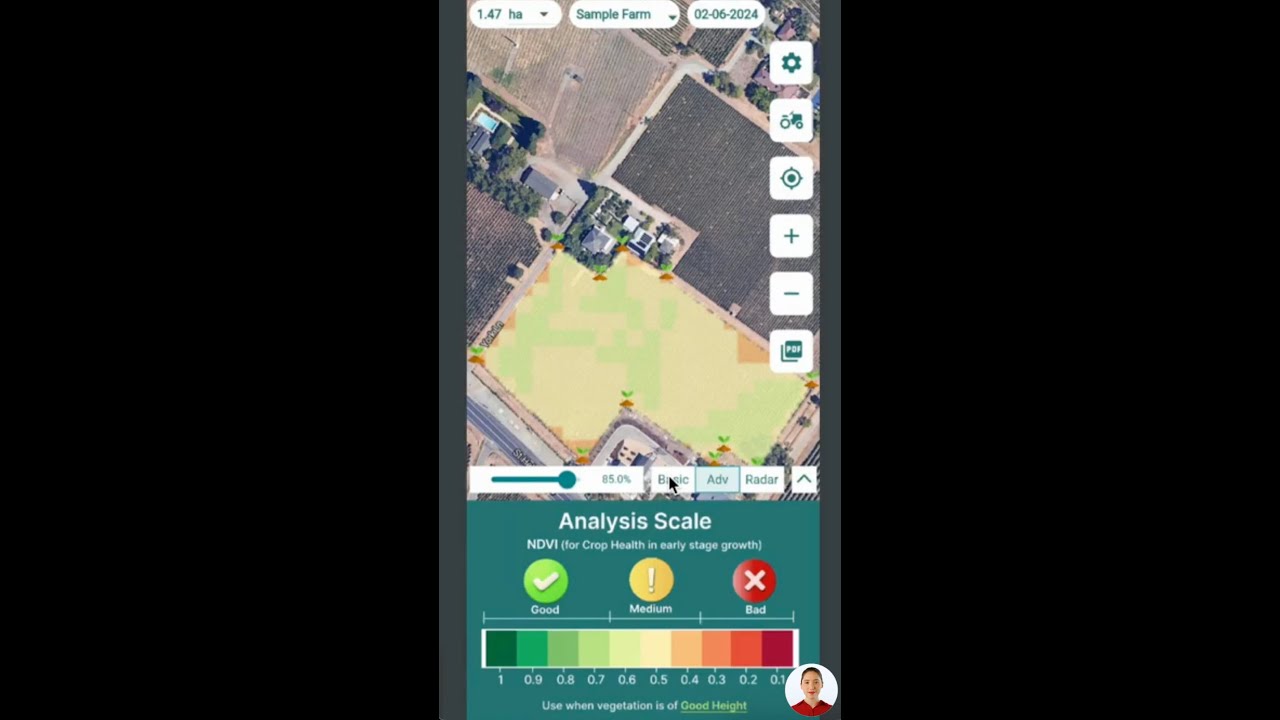
NDWI Formula and Calculation: Leveraging Reflectance Bands
The NDWI is calculated using reflectance values from two key spectral bands:
- Near-Infrared (NIR)
- Short-Wave Infrared (SWIR)
The formula for NDWI is:
NDWI = (NIR – SWIR) / (NIR + SWIR)
Where:
- NIR: Near-Infrared reflectance – highly reflective in healthy, turgid vegetation due to internal leaf structure and water content.
- SWIR: Short-Wave Infrared reflectance – strongly absorbed by water; as water content decreases, reflectance increases.
Because water strongly absorbs SWIR wavelengths and is more reflective in the NIR band, the NDWI metric provides a quantifiable indicator of plant and soil water status, distinguishing between healthy, adequately watered areas and those experiencing stress or drought.
NDWI Value Range Interpretation Table
The NDWI value range provides essential insights into water content levels and the condition of vegetation, crops, and forest canopy. Below is a summary table categorizing typical NDWI values, their implications for plant health, and key applications in agricultural and forestry management.
| NDWI Value Range | Vegetation Water Status | Indicative Crop/Vegetation Condition | Potential Application |
|---|---|---|---|
| 0.5 – 1.0 | Very High | Water bodies, flooded soils, saturated crops | Water source mapping, irrigation system validation, wetland monitoring |
| 0.2 – 0.5 | High | Healthy, well-watered vegetation/canopy | Assessing crop vigor, optimal plant health, preventing drought effect |
| 0.0 – 0.2 | Moderate | Adequate moisture, slight stress possible | Early drought detection, irrigation planning, crop health alert |
| -0.3 – 0.0 | Low | Water stress, wilting, drought-affected | Drought monitoring, targeted irrigation, resource prioritization |
| -1.0 – -0.3 | Very Low/ No Water |
Bare soil, urban/built areas, dry vegetation | Land cover mapping, built-structure detection, fire risk assessment |
“Satellite-based NDWI analysis can identify drought-affected areas in forests with over 85% accuracy using advanced remote sensing technology.”
Interpreting NDWI Values for Water Stress
Interpreting NDWI values is fundamental for agriculture and forestry stakeholders aiming to monitor and manage water stress. Here’s how NDWI values can be practically applied:
- NDWI > 0.2: Indicates high water content—signs of lush crops, healthy forests, or surface water bodies. Typically reflects successful irrigation management and robust plant health.
- NDWI 0 to 0.2: Signifies moderate water content. Crops and forests are generally healthy but may need closer monitoring for early stress signals—key for preemptive irrigation management using NDWI.
- NDWI -0.3 to 0: Flags low water content. Plants or canopy are at risk of drought stress; rapid interventions, such as targeted irrigation, may be necessary to prevent yield loss.
- NDWI < -0.3: Reveals very low or no water content. Represents bare land, urban or built structures, or severe water-stress conditions. In forest areas, this range is critical for early fire risk and fuel moisture assessments.
By consistently analyzing NDWI layers over time, NDWI remote sensing solutions empower informed resource management and agricultural decision-making.
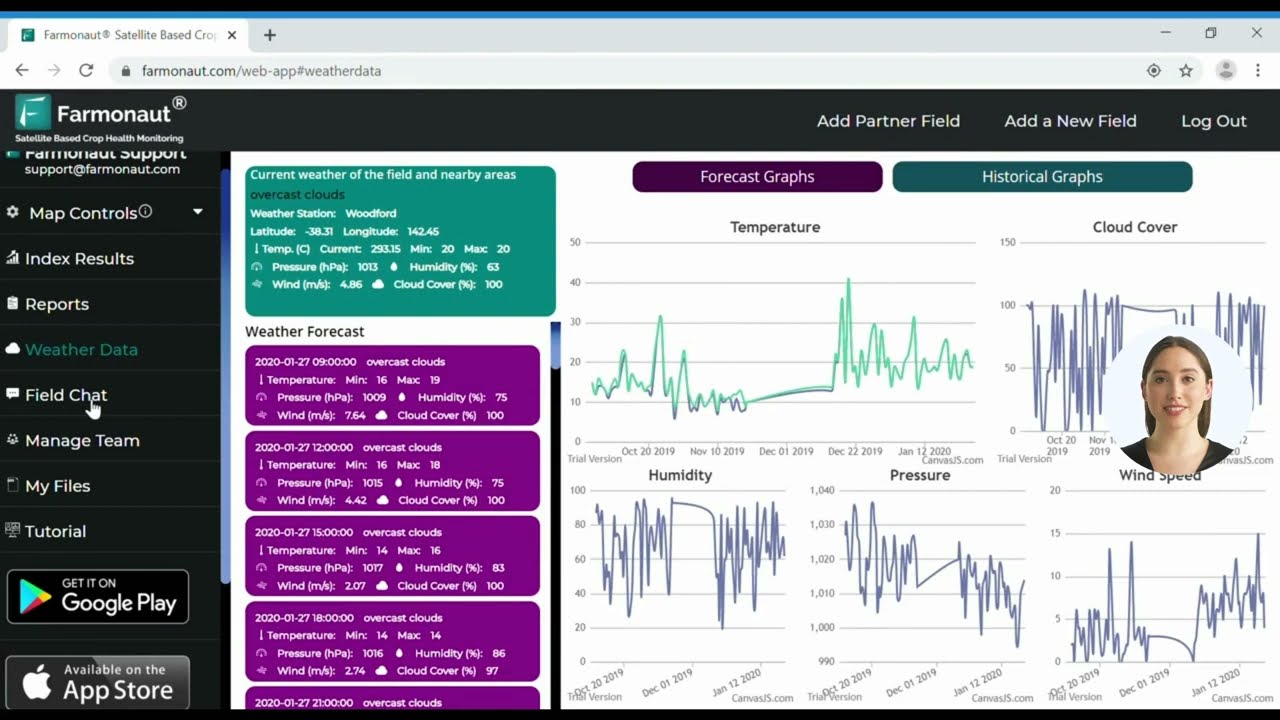
NDWI Remote Sensing Applications in Agriculture
The normalized difference water index (NDWI) offers transformative advantages for agricultural water monitoring. Its applications extend across routine farm management as well as precision interventions:
1. Monitoring Crop Water Stress
By assessing NDWI values in crops, we can detect the early signs of water stress before visible wilting or yield loss occurs. This data-driven approach enables farmers to implement timely interventions—such as irrigation—thus optimizing resource use and preventing crop loss.
- NDWI maps can identify fields with insufficient soil moisture or inconsistent watering.
- Alerts on abnormal NDWI readings help guide spot-checking and targeted agronomic responses.
2. Irrigation Management Using NDWI
Irrigation management using NDWI enables stakeholders to:
- Evaluate irrigation effectiveness: By comparing NDWI data before and after irrigation events, managers determine whether crops receive adequate water distribution.
- Facilitate targeted application: NDWI highlights areas with low water content, making it easier to direct irrigation only where it’s needed—optimizing use of water resources.
Example: If a particular field sector consistently exhibits NDWI values in the 0 to 0.2 range while adjacent sectors remain above 0.2, it may signal ineffective irrigation, requiring adjustments to system hardware or management strategy.
Discover more about Farmonaut’s satellite-based large-scale farm monitoring and irrigation management tools here.
3. Enhancing Resource Management Decisions
By combining regular NDWI analysis with other indices, farmers and agribusinesses can:
- Prioritize field inspections in lower NDWI areas
- Schedule fertilization and pest control campaigns based on crop water status
- Minimize input costs by efficiently managing labor, water, and chemical use
In essence, NDWI data-driven agricultural management reduces waste and maximizes profits.

Optimize Sustainability with Carbon Footprinting
Measuring and reducing the carbon footprint is a crucial part of modern farming. Farmonaut’s carbon footprint tracking solution helps you monitor environmental impact in real-time, aligning resource use and sustainability goals by leveraging NDWI and related indices.
Blockchain-Based Traceability in Agriculture
Product traceability with blockchain ensures every stage of the crop supply chain is recorded and transparent—building consumer trust and helping to prevent fraud. Learn more about Farmonaut’s blockchain-powered traceability platform here.
NDWI for Forestry and Forest Drought Assessment
NDWI remote sensing delivers actionable insights for foresters and land managers by quantifying canopy water content and allowing effective forest drought assessment:
- Canopy Water Monitoring: High NDWI values signal healthy, moisture-rich forest canopies. Drops in NDWI values may indicate increasing vulnerability to stress, disease, or pest attacks.
- Drought Detection & Early Warning: Decreasing NDWI over a region can flag drought emergence weeks before visual symptoms, supporting mitigation strategies and informed resource distribution.
- Fire Risk and Fuel Moisture: Extended periods of low NDWI (< 0) align with depleted fuel moisture in forest litter and understory, highlighting areas with heightened fire risk. Remote sensing-based fire management relies on these readings for proactive planning.
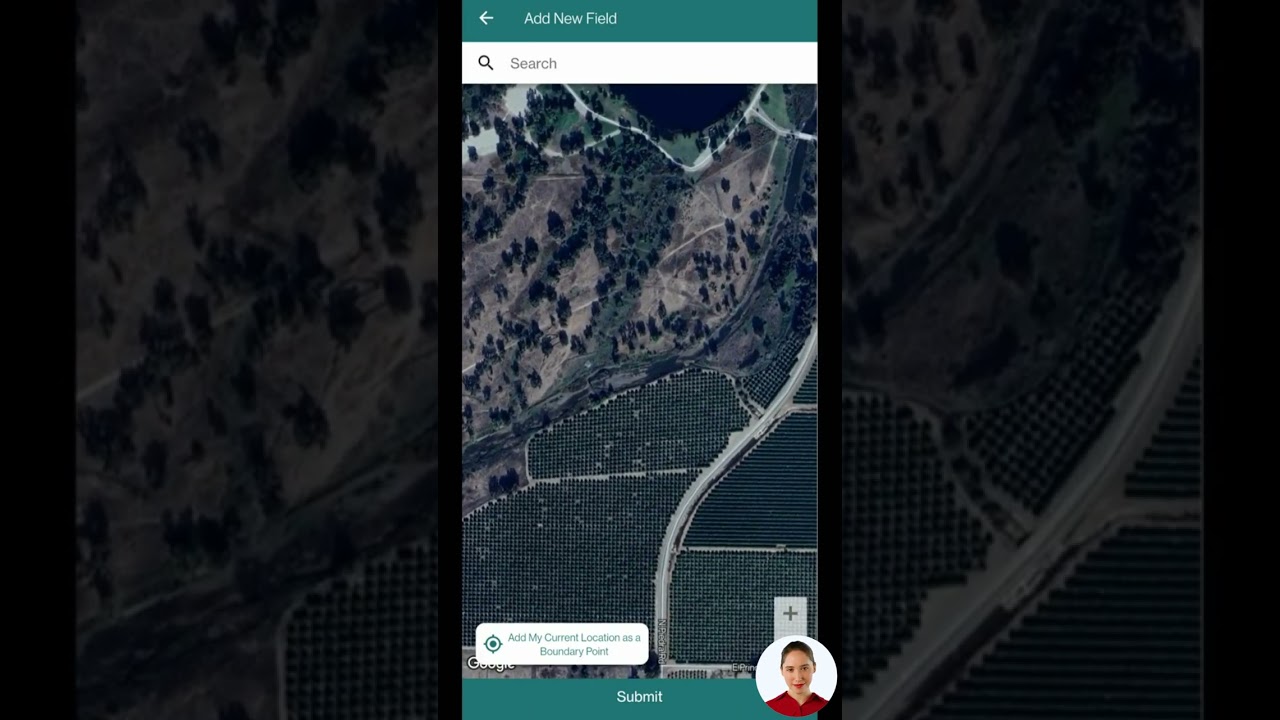
Learn more about satellite-based advisory tools for plantation, crop, and forest management from Farmonaut.
Seamless Farm Monitoring API Integration
For developers, corporations, and research institutions, Farmonaut’s satellite NDWI and weather data APIs provide scalable, real-time access for integration into your platforms.
- Access the NDWI and soil moisture API here
- Developer documentation for NDWI, NDVI, soil, and weather layers
Satellite Tools for NDWI Monitoring
Satellite-based NDWI monitoring empowers precision agriculture and forestry worldwide. Farmonaut’s platform leverages high-resolution imagery, AI, and machine learning to:
- Automate crop health monitoring via the NDWI, NDVI, and other indices
- Deliver real-time NDWI maps to mobile and web users for fast field decisions
- Integrate resource management, irrigation, and advisory systems into a unified interface
- Enable blockchain-based traceability and carbon footprint analysis for improved transparency and sustainability
Our suite of tools is available globally on Android, iOS, web apps, and flexible APIs, making precision NDWI monitoring accessible and affordable for farms and forests of all scales.
Satellite-Verified Crop Loans & Insurance
Secure satellite-based NDWI data can expedite crop loan approvals and reduce risks of insurance fraud. Explore Farmonaut’s crop loan and insurance verification tools for transparent financial access in agriculture.
Fleet & Operation Management for Agribusinesses
Large growers and cooperatives benefit from integrating NDWI insights with fleet management and automation modules—reducing resource waste and increasing efficiency. Farmonaut’s fleet management platform synchronizes logistics and crop health monitoring for optimal farm operations.
Limitations and Considerations in NDWI Analysis
While NDWI remote sensing offers vital insights, users must understand limitations for accurate interpretation:
- Sensitivity to Built Structures & Urban Areas: Urban and built-up structures can reflect in the NIR band, often resulting in overestimation of water bodies or false positives for water content.
- Soil Color & Background Effects: Different soil types and background reflectance, particularly in bare or non-vegetated areas, may alter NDWI readings, complicating soil moisture index analysis.
- Temporal Variability: NDWI values can fluctuate with seasonal changes, weather events, and plant phenology stages. Continuous, multi-temporal monitoring yields the most reliable results.
- Cloud Cover & Atmospheric Interference: Clouds, haze, and other atmospheric conditions may obscure surface reflectance, impacting NDWI accuracy on affected dates.
It is essential to combine NDWI with other indices and ground truthing for improved reliability in decision-making.
Frequently Asked Questions (FAQ)
What is the NDWI value range, and what does it indicate?
The NDWI value range is between -1 and +1. High values (above 0.2) indicate healthy, well-watered vegetation or water bodies. Moderate values (0.0 to 0.2) suggest adequate but declining moisture. Values below 0 signify low water content—often due to stress, drought, or bare land.
How is NDWI calculated in remote sensing?
NDWI is calculated as (NIR – SWIR) / (NIR + SWIR), using satellite image reflectance measurements in the near-infrared (NIR) and short-wave infrared (SWIR) bands.
How does NDWI help in agricultural water monitoring?
Systems using NDWI allow for routine monitoring of crop water status, permitting early detection of stress so that irrigation or management actions can be applied before visible yield loss occurs.
Why is NDWI critical for forest drought assessment?
NDWI reveals canopy water content in forests. Lower values over time signal emerging drought, reduced vitality, or elevated fire risk—enabling forest managers to implement timely mitigation strategies.
What are the limitations of NDWI?
NDWI readings can be affected by built environments, soil color, and seasonal/phenological changes. For best results, combine NDWI analysis with field observations or additional indices.
How can I access NDWI analytics for my farm or plantation?
Farmonaut offers easy access through mobile and web apps, as well as robust APIs. Start smart resource management here.
Farmonaut Subscription and Pricing
We provide flexible, affordable subscription options for all user types—growers, state agencies, researchers, and corporates—so you can optimize precision NDWI-based remote sensing, farm operations, resource planning, and blockchain traceability:
Conclusion: Advanced Insights for Smarter Resource Management
The normalized difference water index (NDWI) serves as a foundational technology for assessing water content in vegetation and soil, revealing hidden patterns in plant health and providing an early warning system for crop stress and forest drought. As discussed, interpreting NDWI values accurately supports targeted water management, improved yield, and sustainable ecosystem stewardship.
At Farmonaut, we are committed to making daily NDWI, NDVI, and soil moisture monitoring accessible via intuitive mobile/web applications and APIs, supporting every stakeholder—from individual farmers to global agribusinesses—in their drive toward resource efficiency and sustainability.
Start optimizing your water management, forest health, and agricultural productivity with world-leading NDWI remote sensing from Farmonaut.
Ready to integrate satellite insights into your platform or research? Explore our API options here and view our developer docs.
For sustainable agricultural and forestry solutions—carbon tracking, supply chain transparency, and more—visit our product pages relating to carbon footprinting, traceability, and large-scale farm administration.

 FCF India
 Rashail Infotech
 Unifrutti Gulf
 Deluxe Conseil
 TVS Electronics
 BW Pipelines
 WICO
WICO Gen Chayat
 Chimera Innovation
 SkyHarvest
 Polaris Digitech
 Teledarbas
 Wild Oak Farm
 SFX
SFX Doodlakine
 Exurbia Geospatial
