

SatSense Plugin: Countrywide InSAR Data Mapping Guide
“SatSense plugin processes InSAR data for over 3 million square kilometers of agricultural land in a single mapping session.”
“In 2025, SatSense enables monitoring of soil movement with centimeter-level accuracy across entire countries using satellite technology.”
Table of Contents
- Introduction: Next-Generation Agricultural Monitoring
- What is SatSense Plugin?
- Benefits of InSAR in Agriculture
- InSAR Technology: The Basics
- How to Use SatSense Plugin for Countrywide InSAR Data Mapping
- Estimated Impact of SatSense InSAR Mapping on Key Agricultural Practices (2025)
- Integration with GIS and Agricultural Data
- Future Prospects & Challenges Using SatSense (2025 and Beyond)
- Expanding Precision Agriculture with Farmonaut
- Frequently Asked Questions
- Conclusion
Introduction: Next-Generation Agricultural Monitoring
As precision agriculture evolves rapidly, the need for high accuracy in land and soil monitoring has become critical for optimizing yield, managing resources, and effectively mitigating risks. How to Use SatSense Plugin for Countrywide InSAR Data Mapping has therefore become a focus point for policymakers, agronomists, farm managers, and technology providers looking to revolutionize agriculture on a national scale in 2025 and beyond.
Interferometric Synthetic Aperture Radar (InSAR)—a powerful remote-sensing technique—has emerged as a transformative methodology for detecting ground deformation, soil moisture variations, and crop growth dynamics over vast areas. The newly launched SatSense plugin bridges a crucial gap: it offers seamless access to actionable InSAR data and automates the often complex steps of data acquisition, processing, and analysis.
This comprehensive article explores how to effectively use the powerful SatSense plugin for countrywide InSAR data mapping and its immense impact on agricultural practices—from soil subsidence to waterlogging detection, erosion monitoring, and yield forecasting.
What is SatSense Plugin?
The SatSense plugin is an advanced geospatial tool, designed to integrate seamlessly within common Geographic Information System (GIS) platforms such as QGIS and ArcGIS. With SatSense, users can straightforwardly facilitate the acquisition, visualization, and interpretation of InSAR data collected from leading Earth observation satellites like Sentinel-1 and NISAR.
- Automates complex steps: From interferometric pairs and terrain correction to time-series analysis, SatSense makes InSAR technology more accessible to users without deep expertise in remote sensing.
- Supports a wide range: From soil movement, crop biomass estimation, and subsidence detection, to dynamic mapping for precision input application and environmental impact assessment.
- Scalable for national use: Whether mapping a small farm or an entire country, SatSense’s architecture is built for countrywide InSAR data mapping at scale.



Benefits of InSAR in Agriculture
InSAR (Interferometric Synthetic Aperture Radar) techniques analyze the subtle phase differences between two or more satellite radar signals acquired at different times. This method enables the detection of minute ground movements—down to the millimeter—across vast areas.
Here’s why InSAR data analysis is revolutionizing agricultural monitoring:
- Soil Subsidence Monitoring: InSAR detects vertical soil displacement resulting from groundwater extraction or soil compaction (often linked with intensive farming). Early detection prevents structural damage to irrigation and transport infrastructure, safeguarding both crop rooting depth and future yield.
- Flood and Waterlogging Detection: By identifying surface deformation due to excess water accumulation, InSAR supports early detection and prevention of crop loss—especially in areas prone to seasonal flooding or irregular monsoons.
- Crop Growth and Biomass Estimation: Changes in moisture content, rooting, and plant canopy subtly influence how radar signals reflect. This enables biomass estimation, crop stress detection, and monitoring of growth dynamics.
- Slope Stability and Erosion Risk: In hilly terrains or embankment areas, continuous monitoring of slow landslides or erosion helps to enhance landscape management and reduce hazards for farming communities.
- Precision Irrigation and Input Management: By layering InSAR outputs with soil moisture maps, more efficient and sustainable farming is achieved using controlled irrigation and timely fertilizer application.

InSAR Technology: The Basics
Before diving into How to Use SatSense Plugin for Countrywide InSAR Data Mapping, let’s clarify some fundamental concepts:
- Synthetic Aperture Radar (SAR): An active remote sensing technique, SAR emits microwave signals and records their reflections from Earth’s surface. Its all-weather and day-night capability makes it superior for continual agricultural monitoring.
- Interferometry: By comparing phase differences between SAR images taken at different dates, InSAR measures ground movements (like subsidence, uplift, and landslides) with millimeter accuracy.
- Satellite Missions: Platforms such as Sentinel-1 (Europe) and NISAR (NASA-ISRO SAR) provide open-access SAR datasets with revisits as fast as 6–12 days—essential for temporal analysis in agriculture.
How to Use SatSense Plugin for Countrywide InSAR Data Mapping
Implementing countrywide InSAR data mapping through the SatSense plugin involves a sequence of steps blending advanced geospatial technology and intuitive software design. Below is a detailed, step-by-step guide tailored for 2025 applications in precision agriculture:
1. Setup & Integration
- Install SatSense Plugin: Download and install the SatSense plugin into your GIS platform (e.g., QGIS or ArcGIS). The plugin operates on both desktop and cloud environments, suitable for nationwide analysis.
- Internet & Data Repository Access: Ensure reliable connectivity to satellite data repositories, including the Copernicus Open Access Hub for Sentinel-1, and NISAR data portals for North American and Asian regions.
2. Data Selection and Acquisition
- Select Area of Interest (AOI): Use the SatSense interface to pick the geographic extent—from small districts to national borders—leveraging built-in country/region tools.
- Set Temporal Span: Define temporal windows for the period under analysis (e.g., a single cropping season or annual trends).
- Choose SAR Missions & Datasets: For agricultural monitoring, select Sentinel-1 or NISAR SAR datasets with 6 to 12-day revisit intervals for high-resolution mapping.
3. Preprocessing and Interferogram Generation
- Automated Preprocessing: The plugin automates steps like orbit correction, coregistration of multi-temporal SAR images, and noise filtering.
- Generate Interferometric Pairs: SatSense forms the required interferometric SAR pairs by analyzing data from different acquisition times.
- Produce Differential Interferograms: These highlight changes in ground deformation and surface movement (e.g., subsidence or uplift) between acquisition periods, crucial for agricultural planning.
4. Time-Series Analysis
- Advanced Analysis Tools: SatSense offers user-friendly modules to track ground deformation or soil movement over time (weeks/months).
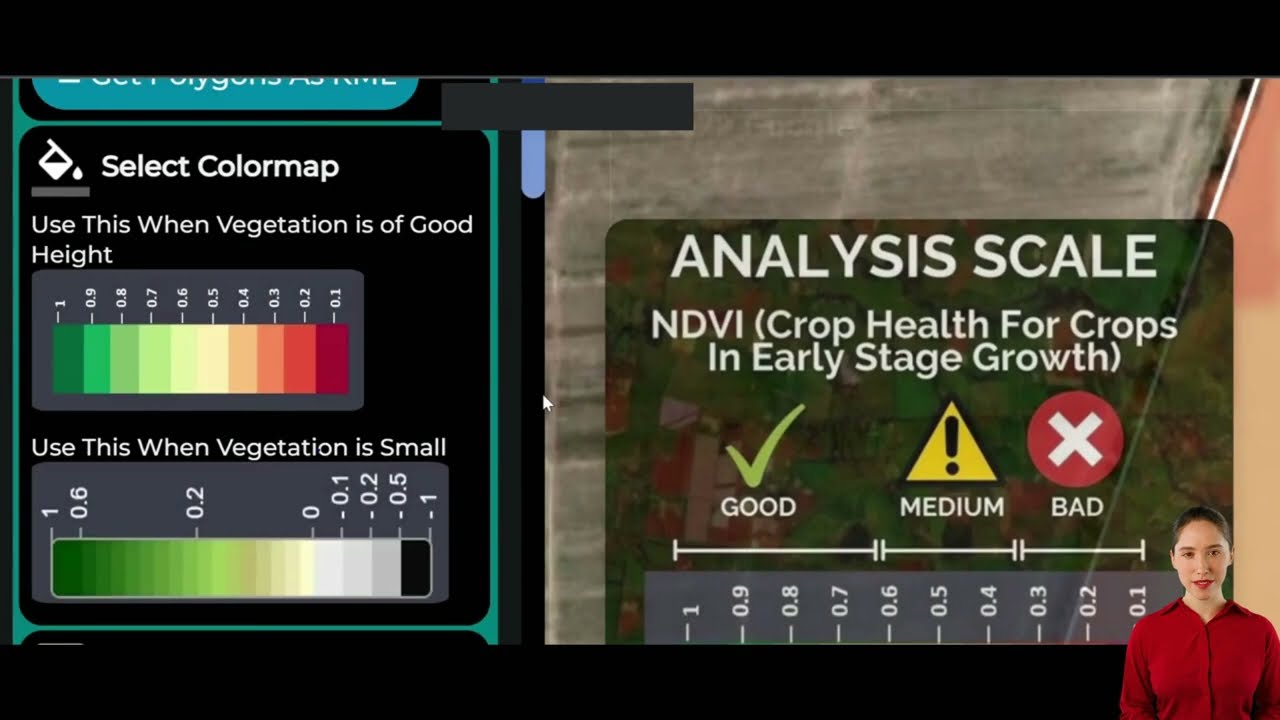
- Visualize Hotspots: Generate colored raster maps representing areas experiencing subsidence, waterlogging or erosion.
- Detect Anomalies: Easily spot anomalies correlated with agricultural events like planting, irrigation, or extreme weather by comparing with cropping calendars and rainfall data.
5. Export and Reporting
- Data Export: Export maps, spatial graphs, temporal trend reports, and georeferenced raster/vector layers compatible with other farm management tools.
- Automate Updates: Schedule recurring countrywide InSAR data mapping sessions—ensuring continuous risk mapping and compliance reporting to policymakers and stakeholders.
Tip: Overlay structural soil type, crop classification, yield statistics, and irrigation network data to maximize utility. This multi-layered approach leverages countrywide InSAR data mapping for actionable management at all levels of agriculture.
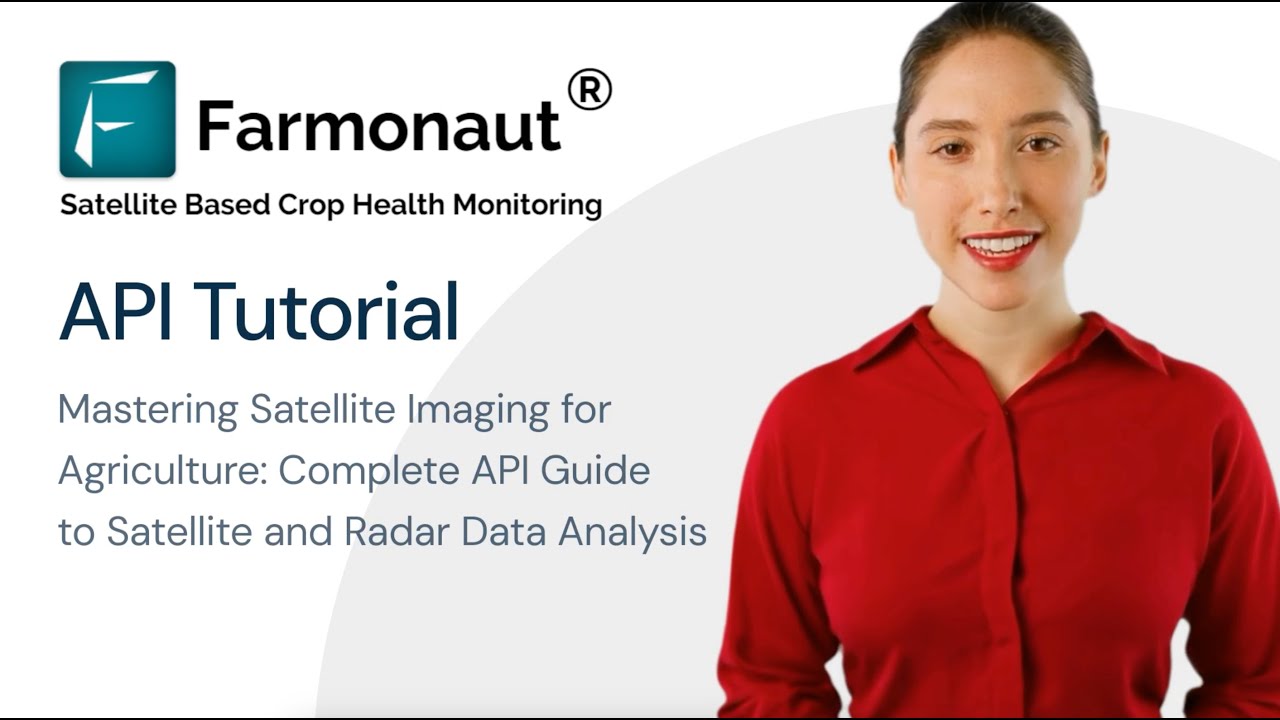
Looking to track and reduce the carbon footprint of your agricultural or mining operations? Explore Farmonaut Carbon Footprinting—a satellite-powered, real-time solution for measuring and managing emissions.
Do you need robust blockchain-based product traceability in agriculture? Discover Farmonaut Traceability for transparent, secure supply chain management.
For large-scale farm management and automated reporting, leverage Farmonaut Agro Admin App—seamlessly integrate countrywide InSAR mapping and precision analytics.
Estimated Impact of SatSense InSAR Mapping on Key Agricultural Practices (2025)
| Method | Application Area | Estimated Data Accuracy (%) | Data Update Frequency (weeks) | Implementation Cost (est. USD/ha) | Projected Efficiency Gain (% improvement) |
|---|---|---|---|---|---|
| Traditional Methods | Soil Monitoring | 60% | 8 | $15 | 20%-30% |
| SatSense InSAR | Soil Monitoring | 95% | 1 | $8 | 60%-80% |
| Traditional Methods | Crop Management | 65% | 6 | $12 | 30%-40% |
| SatSense InSAR | Crop Management | 94% | 1 | $8 | 70%-80% |
| Traditional Methods | Precision Agriculture | 69% | 8 | $15 | 25%-35% |
| SatSense InSAR | Precision Agriculture | 98% | 1 | $8 | 75%-90% |
“In 2025, SatSense enables monitoring of soil movement with centimeter-level accuracy across entire countries using satellite technology.”
Integration with GIS and Agricultural Data
The true power of SatSense plugin lies in its seamless integration of countrywide InSAR data mapping with existing GIS platforms and agricultural datasets. This collaborative approach is essential for maximizing actionable insights—especially in precision farming, resource management, and sustainable agriculture.
- Multi-Layered Analysis: Users can easily overlay InSAR deformation maps atop soil maps, crop classification layers, and irrigation infrastructure. This multi-source integration ties radar-detected land changes directly to downstream crop performance and resource deployment.
- Yield Forecasting: When coupled with geospatial yield statistics, SatSense-driven surface monitoring helps in optimizing field operations and mitigating yield risks via early-warning on subsidence, waterlogging, or erosion.
-
GIS Interoperability: SatSense exports geo-referenced outputs compatible with QGIS, ArcGIS, and Farmonaut’s API for programmatic integration or advanced research purposes.
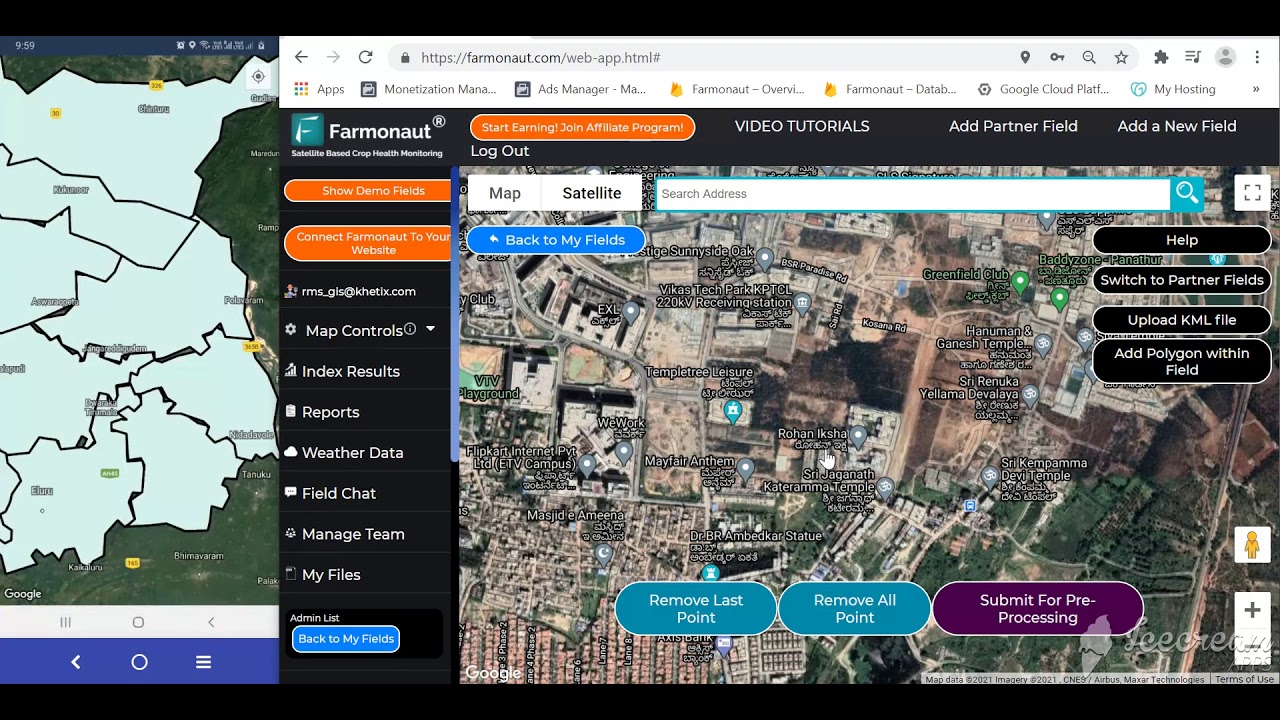
API Access: Get started with implementing your own remote sensing workflows via the Farmonaut Satellite Data API and API Developer Docs.

Financial verification in rural sectors? Farmonaut Crop Loan & Insurance service uses satellite insights, helping banks/insurers reduce fraud and streamline agricultural financing in 2025.
Need optimized logistics and operational intelligence for your farming or mining fleet? Try Farmonaut Fleet Management for real-time machinery tracking and cost reduction, or explore Farmonaut Crop Plantation & Forest Advisory for satellite-powered advisory in crop and forest management.
Future Prospects & Challenges Using SatSense (2025 and Beyond)
The Road Ahead: Real-Time InSAR & Smart Agriculture
The future of countrywide InSAR data mapping is bright, with next-gen missions such as Sentinel-1C and NISAR expected to deliver faster revisit times and richer, higher-accuracy surface deformation data. SatSense and similar plugins will play a central role in:
- Enabling real-time agricultural response: Early detection of groundwater depletion, soil compaction, or waterlogging means irrigation scheduling can become truly data-driven.
- Supporting sustainable input management: Leveraging historic and real-time InSAR maps enables more precise and reduced use of fertilizers, water, and energy.
- Augmenting disaster preparedness: Automated land movement monitoring helps in rapidly identifying disaster-prone zones, from landslides to agricultural flooding.
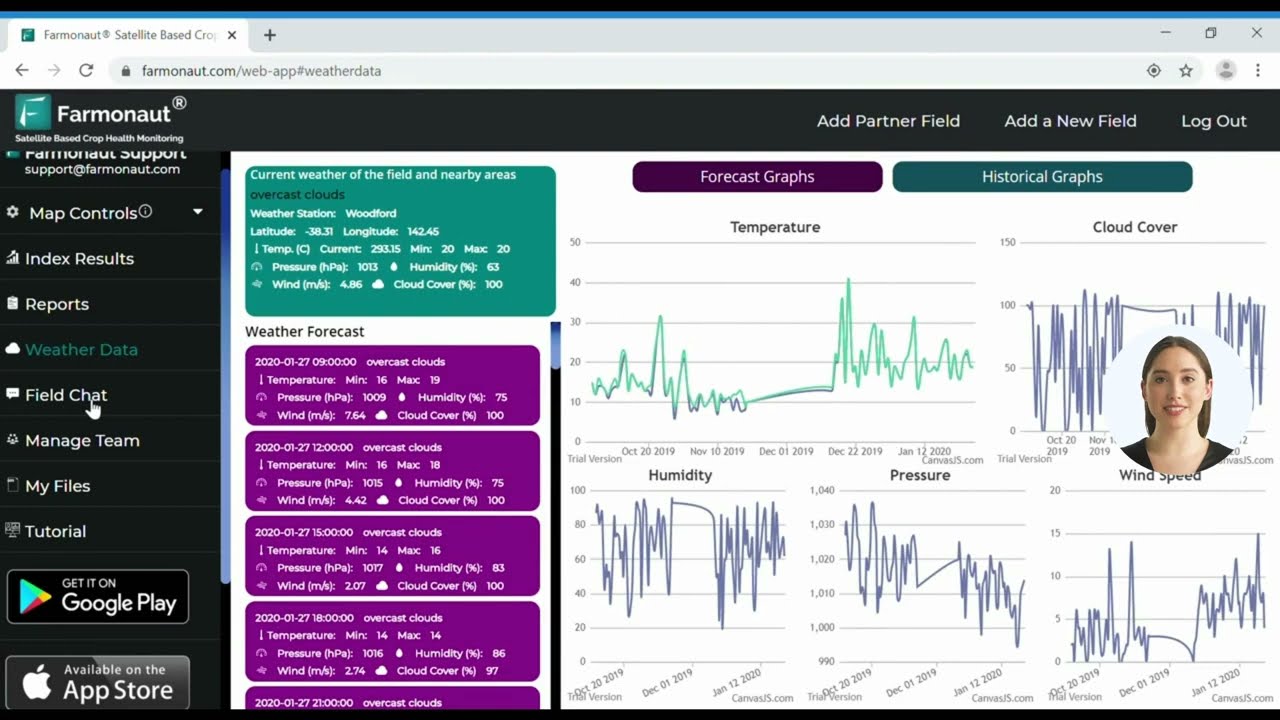
- Fueling AI-powered advisory: The aggregation of countrywide InSAR data with real-time weather and crop performance statistics opens the door for machine learning and AI-driven platforms to offer custom farming recommendations—as seen in Farmonaut Jeevn AI.
Challenges to Consider in 2025
- Signal Decorrelation: Rapid vegetation growth, heavy rain, or urban environments can degrade radar coherence, impacting InSAR data analysis fidelity.
- Ground Truthing: While InSAR mapping offers impressive millimeter-scale accuracy, validation via field surveys or sensors is often required, especially in high-variability soils.
- User Training: Widespread adoption of countrywide InSAR mapping plugins depends on accessible training materials and ongoing user support.
- Data Security and Privacy: As country-scale soil and crop data becomes more available, robust data governance frameworks are necessary for sustainable and ethical agricultural monitoring.
The promise of real-time, high-precision, and large-scale remote sensing is rapidly becoming the norm. The coming years will see continued expansion in plugin functionalities—including more automated anomaly detection, enhanced AI integration, and real-time alerts—further streamlining sustainable agriculture across national landscapes.
Expanding Precision Agriculture with Farmonaut
At Farmonaut, we are dedicated to making satellite-driven insights affordable and accessible for everyone—from individual farmers to government agencies. Our platform unifies:
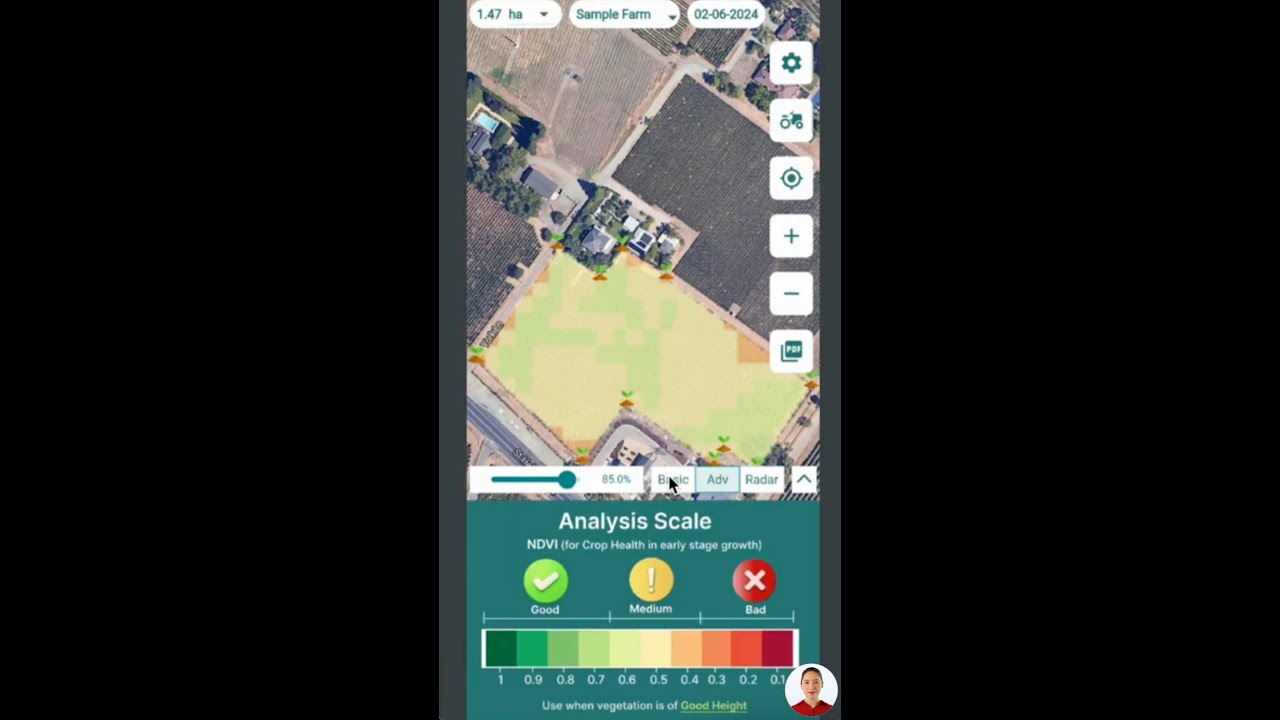
- Satellite-Based Monitoring: Using multispectral imagery for health monitoring of crops, soil, water resources, and infrastructure projects. Our real-time monitoring tools strengthen decision-making in agriculture and beyond.
- AI Advisory Systems: Jeevn AI offers real-time, context-aware advisory built on satellite data, weather models, and historic InSAR measurements.
- Blockchain Traceability: Secure and transparent food supply chains using agile blockchain ledgers for crop and product traceability.
- Resource & Fleet Management: Optimize vehicle fleets across large-scale fields with satellite-powered fleet management.
- Environmental Impact Analysis: Support compliance and sustainability goals by tracking and reducing carbon emissions in agriculture and mining.
Our modular subscription model makes high-tech InSAR data mapping and advanced precision agricultural solutions available to all. Whether you’re seeking real-time monitoring, blockchain-based traceability, or satellite-verified loan and insurance workflows, Farmonaut’s flexibility empowers your next-gen digital transformation.
|
API Access
|
API Developer Docs
Frequently Asked Questions
What is InSAR and how does it relate to agriculture?
InSAR stands for Interferometric Synthetic Aperture Radar. It uses radar video signals from satellites to identify small ground-level changes, such as soil subsidence or waterlogging. For agriculture, this allows for accurate detection of issues that may affect yield, crop growth, or the safety of infrastructure like canals and irrigation systems.
How often does SatSense update InSAR data for countrywide mapping?
Most modern SAR satellites like Sentinel-1 offer 6–12 day revisit times. With SatSense, users can automate weekly or biweekly mapping over entire countries, vastly improving update frequency compared to manual or traditional survey-based methods.
Do I need a special GIS platform to use SatSense?
SatSense is designed to work with common GIS applications such as QGIS and ArcGIS. It fits effortlessly into existing geospatial workflows.
Can SatSense be integrated with API tools for custom development?
Yes! SatSense outputs are compatible with Farmonaut’s API tools, enabling advanced integration with farm management software, mobile apps, or custom research workflows. Developers should review the API Developer Docs for technical details.
What are the main limitations of InSAR-based agricultural monitoring?
- Dense vegetation and periods of rapid crop growth can reduce radar coherence, making interpretation more challenging.
- Extreme weather can sometimes mask smaller ground movements.
- Field-level validation (“ground truthing”) remains important to verify satellite data, especially in complex soils or hilly terrains.
Conclusion
SatSense plugin has set a new standard for countrywide InSAR data mapping, offering accessibility and usability on an unparalleled scale. By automating the complex steps of InSAR processing and blending advanced remote sensing with practical agricultural monitoring, SatSense gives policymakers, farmers, and managers early access to soil, crop, and land deformation data at unprecedented detail.
Its seamless integration with GIS platforms, regular data updates, and cost-effectiveness ensure a future where every field, district, and country can be closely monitored for sustainable farming and food security in 2025 and beyond.
At Farmonaut, we champion the use of innovative satellite-driven solutions for precision agriculture and resource management. Our mission aligns with the evolving needs of data-driven agriculture, making advanced tools like SatSense a practical reality for all.
Discover more about Farmonaut’s platform, and join the new era of intelligent, sustainable, and resilient farming enabled by countrywide InSAR data mapping.

 Delicio
 Payagri
 WB Dev
 Sama Premium
 Prochecker
 Tres Valles
 LACOS Geoinformation
 Pulsar Supernova
 Magrifly
 LatConnect 60
 WebsEdge
 Blickwinkel
 Agricultural Credit Policy Council
 MCSOD
MCSOD Marei Nursery
 eKGIS
eKGIS Mostas Tech
 Andex
Andex FCF India
 Unifrutti Gulf
 Deluxe Conseil
