

Agriculture Industry in Jamaica: 2026 Trends & Insights
The Agriculture Industry in Jamaica: An Essential Economic and Cultural Component
The agriculture industry in Jamaica (also known locally as “agricultura jamaica”) remains a foundational pillar for the nation’s economy, rural livelihoods, and food security. As of 2026, agriculture as an industry not only sustains a significant share of employment, but also underpins Jamaica’s export revenues and national GDP. This vibrant sector continually adapts to global market demands, natural challenges, and the ongoing push for sustainability.
- ✔ Agricultural GDP Impact: Agriculture contributes roughly 15% of Jamaica’s GDP (as of 2022), reflecting its economic significance.
- ✔ Employment and Livelihood: Nearly 20% of all jobs in rural areas derive from farming, demonstrating the sector’s vital importance for local communities.
- ✔ Diversity and Tradition: The island’s history and culture are deeply entwined with the cultivation of crops like sugar, cane, bananas, coffee, spices such as pimento and ginger.
- ✔ Food Security: Local production of a wide array of fruits, vegetables, and livestock forms the backbone of national food security.
- ✔ Ongoing Evolution: The agricultural industry in Jamaica is dynamically evolving, intersecting technology, climate adaptation, and economic diversification.
Key Crops in Jamaican Agriculture: From Blue Mountain Coffee to Ginger
Jamaican agriculture encompasses a diverse array of traditional and high-value crops. Among the most iconic is Blue Mountain coffee, globally prized for its unique flavor profile and routinely recognized as one of the world’s highest valued exports. Other mainstays include:
- ✔ Sugar Cane: An historic export and core of the country’s farming base; facing global market fluctuations but remains a cultural symbol.
- ✔ Bananas: Vital for both domestic markets and export, with significant nutritional value.
- ✔ Cocoa: Another export staple, supporting smallholder farmers and contributing to rural livelihoods.
- ✔ Spices: Pimento, ginger, nutmeg, and turmeric—high-value crops targeted towards niche markets and value-added product lines.
- ✔ Fruits & Vegetables: Mangoes, papaya, callaloo, yams, and a variety of others enrich the Jamaican diet and support food sovereignty.
Blue Mountain coffee’s global prestige not only establishes Jamaica as a premium coffee destination, but also highlights the country’s potential to capitalize on niche, high-value agricultural exports in 2026.
2026 Agricultural Trends in Jamaica: Sustainability, Innovation, and Diversification
As we move into 2026, the agriculture industry in Jamaica is increasingly characterized by an ongoing transition towards climate-resilient and sustainable practices. Responding to the dual challenges of climate change and global market demands, the sector is actively:
- ✔ Adopting agroforestry and organic farming to reduce chemical dependency and bolster soil health.
- ✔ Emphasizing water conservation and drought-resistant technologies to mitigate erratic weather and hurricane threats.
- ✔ Promoting crop diversification—moving away from reliance on traditional sugarcane by exploring herbs, spices, and value-added goods.
- ✔ Investing in climate-smart technologies and research-driven practices to boost food security and export resilience.
- ✔ Supporting economic diversification with new focus on agro-tourism, herbal products, and organic value chains.
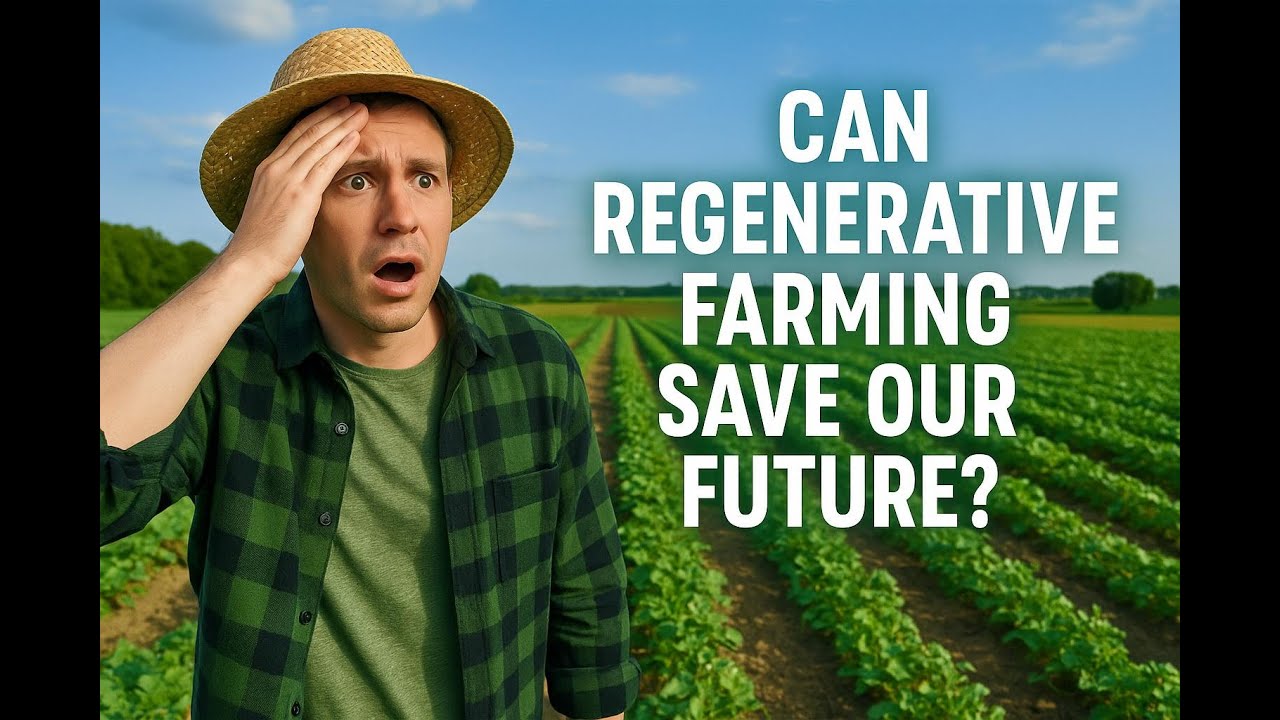
2026 market projections indicate rapid growth for organic, traceable, and climate-smart agricultural products from Jamaica. Investors seeking resilient markets should closely monitor organic farming and blockchain-traceable supply chains.
Climate Change: Challenges and Adaptive Strategies for Jamaican Agriculture
Climate change remains one of the defining challenges to Jamaican agriculture. The island increasingly faces erratic weather patterns—prolonged droughts, severe hurricanes, and unpredictable rains—which threaten traditional farming methods. These fluctuations place countless farming operations at risk. In response:
- ⚠ Increasing droughts make water conservation technology and irrigation upgrades an urgent priority.
- ⚠ Floods and hurricanes drive adoption of resilient crop varieties and integrated pest management systems that minimize chemical use.
- ⚠ Rural and coastal areas see amplified effects due to infrastructure gaps and land degradation.
- ⚠ Rising temperatures impact the flavor profile and export quality of products like coffee.
Integrating precision agriculture technologies—including satellite-based crop health monitoring—allows Jamaican farmers to spot climate-induced stress early and mitigate losses, optimize inputs, and improve yields. Explore Farmonaut’s carbon footpring and traceability tools for data-driven decisions.

How Innovation and Technology Are Transforming Jamaican Agriculture
Digital Adoption and Farm Mechanization
New technological solutions are revolutionizing the Jamaican agriculture industry, dramatically improving productivity and environmental outcomes. Small and medium farms are benefitting from:
- 📱 Mobile apps and digital tools that provide real-time weather updates, crop prices, and management best practices even in remote rural areas.
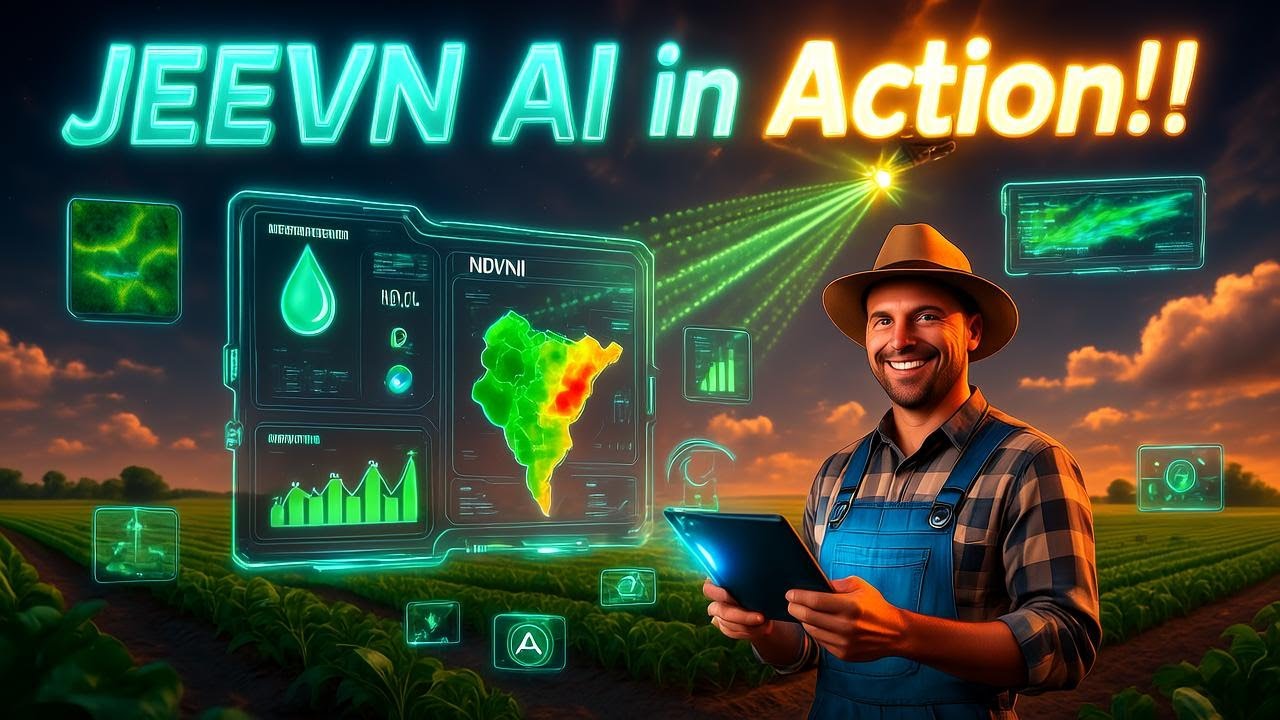
- 🛰 Satellite-driven insights (NDVI, crop health, moisture stress) for rapid diagnosis and action.
- 🚜 Mechanization that is gradually improving productivity, reducing labour requirements, and minimizing input waste.
- 🌾 Precision agriculture techniques—still nascent but rapidly growing—that enable input use optimization and precise application of fertilizers, pesticides, and water.
- 🤖 AI-based advisory systems for decision support on planting, irrigation, and harvesting.
Relying solely on chemical fertilizers and pesticides can create dependency, escalate costs, and risk environmental harm. Transitioning to integrated pest management and digital monitoring ensures efficiency and sustainability, especially under new climate threats.

Infrastructure Development, Market Access, and Export Growth: Paving the Way for 2026
For the agriculture industry in Jamaica to thrive in 2026 and beyond, infrastructure modernization and better access to markets—both domestic and global—are crucial. Strategic areas of development include:
- 🚛 Rural road networks to shorten delivery times and reduce post-harvest losses.
- ❄ Cold storage facilities to maintain crop quality for export and off-season markets.
- 🛒 Digital market access, price transparency, and platforms for farmers to connect with buyers for improved income stability.
- 💹 Value-added production such as fruit preserves, spice blends, and natural juices tapping into niche global markets.
- 🛍 Agro-tourism offerings that enable farms to diversify income by linking culture with tourism, boosting local economies and celebrating heritage.
Value-added agricultural exports such as ginger extracts, jam, and craft coffee are estimated to rise by 18% between 2024–2026, as global buyers seek premium, differentiated Jamaican products.
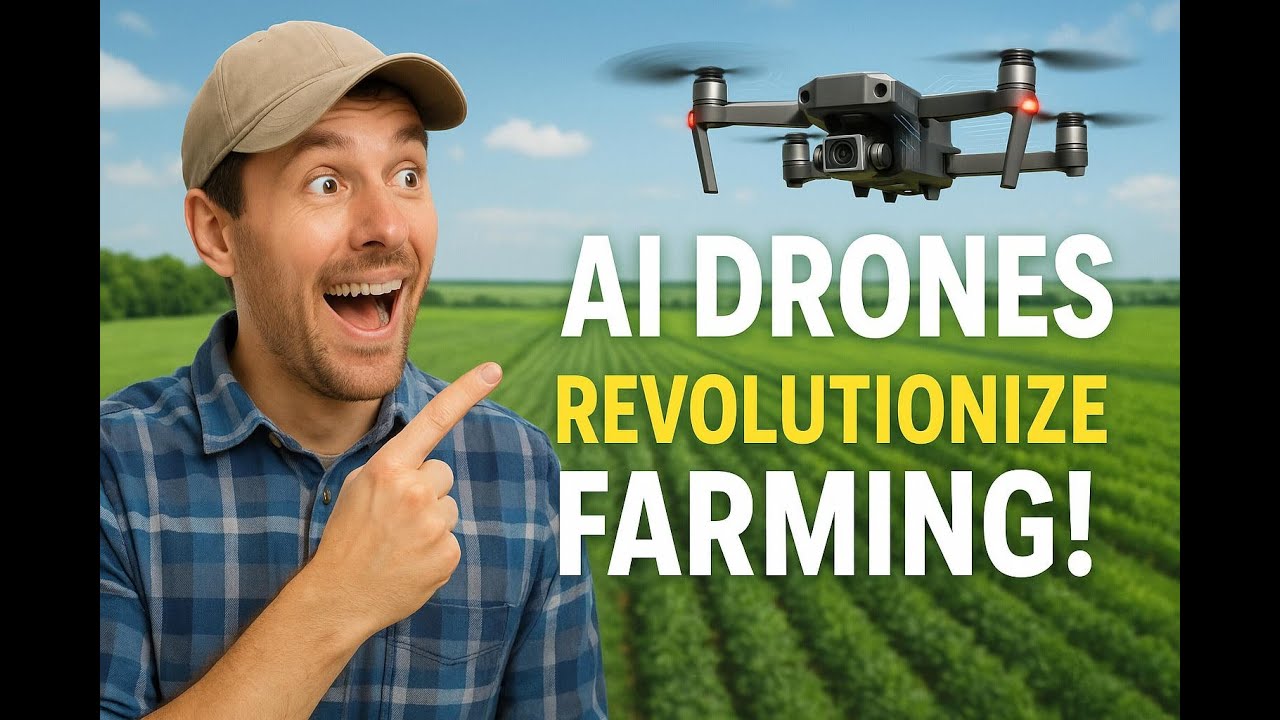
- ✔ Internationally certified quality and traceability via blockchain further enhance Jamaica’s reputation and reduce market entry risks. Learn about Farmonaut Traceability Solutions.
- ✔ Resource management tools such as Fleet Management (by Farmonaut) help optimize transportation, reduce wastage, and ensure cold chain integrity.
Sector Challenges: Land Tenure, Financing, and Attracting New Generations
Despite progress, several hurdles persist for the Jamaican agriculture industry in 2026:
-
Land Tenure Issues:
- Complex ownership patterns and lack of clear title documentation limit farmers’ ability to secure loans and invest in improvements.
-
Limited Access to Capital:
- Smallholder farmers struggle to access affordable credit, modernize equipment, or expand operations.
- Innovative options like satellite-based crop loan and insurance verification (by Farmonaut) offer potential solutions.
-
Aging Farming Population:
- Youth migration to urban areas and a lack of generational renewal threaten the sector’s future viability.
- Engagement programs, agricultural education, and digital entrepreneurship initiatives are needed to inspire new talent.
Ignoring the importance of land documentation and transparent titling can hinder farm expansion, asset-based borrowing, and generational transition. Addressing land tenure is foundational for sector resilience.
Livestock & Animal Husbandry: Supporting Nutrition and Sustainability
Beyond crops, livestock plays a critical role in Jamaica’s agricultural industry. Cattle, goats, pigs, and poultry farming bolster local nutrition and diversify farm incomes. Notably, 2026 trends spotlight:
- ✔ Improved cross-breeding programs raise productivity and genetic resilience to disease.
- ✔ Adoption of digital animal health monitoring reduces disease risk and improves feeding efficiency.
- ✔ Integrated systems (crop-livestock) maximize resource use and support organic farm certification.

Mixed farming and smart resource management (supported by digital tracking) improve income stability for rural households and contribute to reduced environmental footprints across the sector.
Key Trends in Jamaican Agriculture: 2024 vs. 2026 (Estimated)
| Trend/Indicator | 2024 Value (Estimated) | 2026 Value (Projected) | Sustainability Impact |
|---|---|---|---|
| Crop diversification (% of total output) | 34% | 41% | Enhanced resilience to market & climate shocks |
| Organic farming adoption (% of farms) | 11% | 18% | Reduced chemical use, better soil health |
| Use of climate-smart technologies (% of large farms) | 19% | 31% | Lower emissions, water savings, precision management |
| Estimated export value (million USD) | 429 | 519 | Economic resilience, foreign exchange, rural growth |
| Food security index (national score/100) | 61 | 67 | Reduced hunger, improved nutrition nationally |
How Farmonaut Empowers Jamaican Agriculture in 2026
At Farmonaut, we empower the agriculture industry in Jamaica with cost-effective, satellite-driven insights and advanced digital tools. Our platform supports farmers, agribusinesses, and government agencies to:



- 🌱 Monitor crop health, soil moisture, and detect field anomalies in real time—minimizing risk and maximizing productivity for Jamaican farmers.
- 📊 Utilize AI-based advisory and weather forecasts for smart decision-making tailored to Jamaica’s unique climate and agricultural systems.
- 🔗 Leverage blockchain-powered traceability tools (see details) to open premium export markets and satisfy international certification standards.
- 💰 Simplify agricultural loan and insurance verification using satellite-based evidence (learn more).
- 🌏 Track carbon footprint and environmental impact to ensure compliance and advance sustainability goals (learn more).
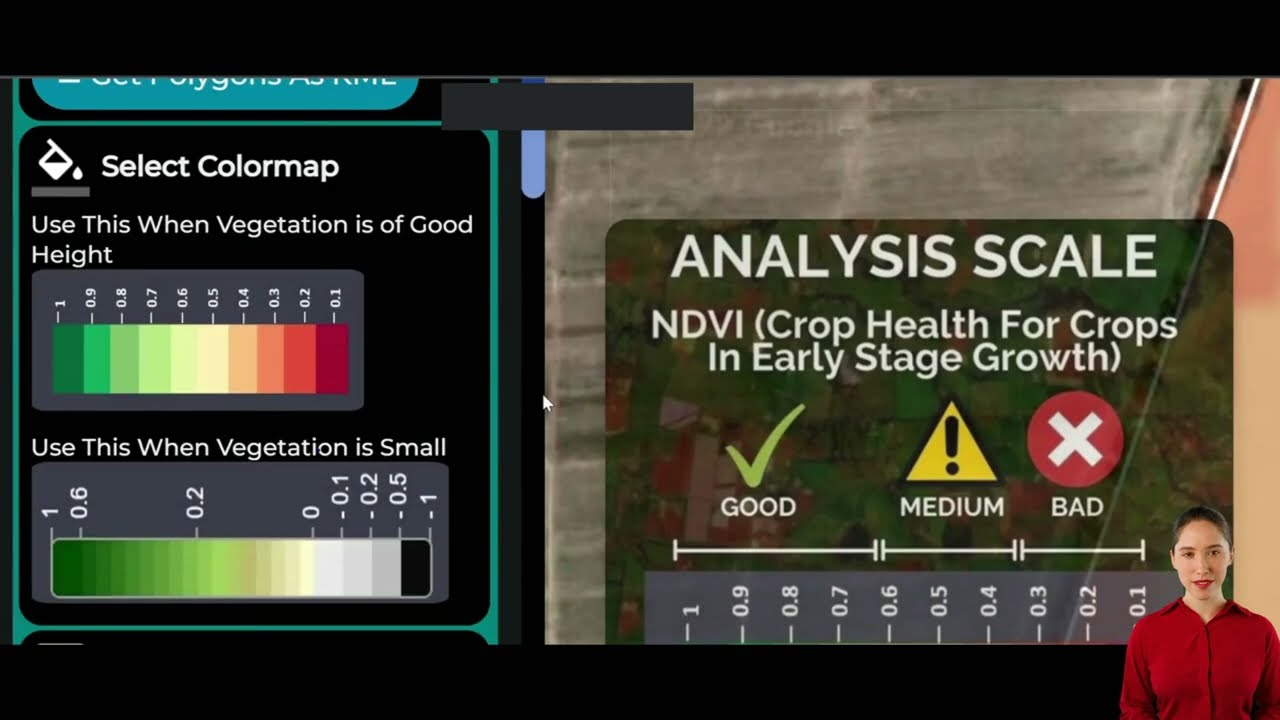
- 🌍 Satellite Monitoring: Large-scale farm management solutions monitor crop and field conditions across huge, diverse areas.
- 🚜 Fleet and Resource Management: Reduce fuel and maintenance expenses with dedicated fleet management tools.
- 📱 Mobile Flexibility: Full support across Android, iOS, and web platforms for on-the-go decision-making.
- 🔑 API Access: Unlock advanced satellite, weather, and AI insights into your own apps or systems with our secure API (see developer docs here).
- 🌱 Advisory System: Our Jeevn AI-based recommendations guide you on water, fertilizer, and protection strategies adapted to Caribbean climates and regulatory requirements.

Visual List: Key Opportunities for Agriculture in Jamaica 2026
- 🟩 Growth in Organic and Niche Export Markets
- 🟩 Adoption of Digital AgTech tools for enhanced productivity
- 🟩 Expansion of Agro-tourism and Farm Diversification
- 🟩 Blockchain-based product traceability for international trust
- 🟩 Climate-resilient crop adoption
Visual List: Risks and Limitations in 2026
- ⚠️ Land tenure insecurity distracts investment
- ⚠️ Capital constraints for smallholders
- ⚠️ Access gaps for older, traditional farmers
- ⚠️ Climate risks (drought, hurricanes) exacerbate volatility
- ⚠️ Youth disengagement hampers innovation
Frequently Asked Questions: Agriculture Industry in Jamaica 2026
- Q1: What makes the agriculture industry in Jamaica vital as of 2026?
- The sector is essential for economic stability, employment, food security, and rural development. It’s also a key component of Jamaican culture, supporting both tradition and new economic opportunities through innovation and export diversification.
- Q2: Which are the top crops in Jamaica’s agriculture sector?
-
Coffee (notably Blue Mountain), sugarcane, bananas, cocoa, pimento, ginger, and a wide array of fruits and vegetables. Spices and organic specialty goods are rising in export value.
- Q3: How is Jamaica addressing climate change’s impact on agriculture?
-
By investing in climate-smart technology, promoting resilient crop varieties, implementing water conservation systems, and encouraging integrated approaches like agroforestry and organic farming.
- Q4: What are “blockchain-based traceability” and why does it matter?
-
Blockchain records each step of a crop’s journey—harvesting, processing, transportation—ensuring transparency, safety, and export market access by verifying authenticity. See Farmonaut Traceability Solutions.
- Q5: How can new farmers get started with smart agriculture in Jamaica?
-
Start with digital tools for field tracking, weather, and advisory services (such as Farmonaut’s apps), participate in agricultural education programs, and seek guidance on modern, climate-resilient practices through extension services.
- Q6: What is the main goal for Jamaican agriculture in 2026?
-
To embrace sustainability, maximize innovation, and diversify effectively—boosting resilience against global market shifts and environmental volatility, while supporting livelihoods and food security.
Conclusion: Jamaica’s Agriculture Industry in 2026 & Beyond
In 2026, the agriculture industry in Jamaica stands as both a guardian of tradition and a beacon of innovation. As we’ve explored, its strength lies in a blend of resilient practices, adaptive technology, and a deep-rooted connection to the land and its people.
- ✔ The sector remains vital for Jamaica’s economy, rural wellbeing, and global brand.
- ✔ Ongoing transitions in sustainability and climate-smart management ensure food security and resilience against climate and market threats.
- ✔ Digital transformation—satellite technology, blockchain traceability, and precision farming—is now central, empowering all actors in the sector.
- ✔ Live challenges—land tenure, access to capital, and youth engagement—demand attention, but solutions are emerging through innovation and policy.
- ✔ With strong government, private, and technological support, Jamaican agriculture will continue to evolve, safeguard its unique culture, and meet the needs of a changing world.
At Farmonaut, we are proud to support Jamaica’s farmers and agribusinesses in their journey towards a sustainable and prosperous agricultural future—making satellite insights and data-driven solutions accessible for every field, every farmer, every season.
Discussion
Questions, corrections or field experience? Share them below. First-time comments are reviewed before they appear, and your email is never published.
No comments yet. Be the first to add a question or your experience.

 Rashail Infotech
 Unifrutti Gulf
 Deluxe Conseil
 TVS Electronics
 BW Pipelines
 WICO
WICO Gen Chayat
 Chimera Innovation
 SkyHarvest
 Polaris Digitech
 Teledarbas
 Wild Oak Farm
 SFX
SFX Doodlakine
 Exurbia Geospatial
 Licence holder · Niger · Gold










