

US Agriculture Industry 2025: Innovations & Future Trends
Meta Description: The US agriculture industry is undergoing significant transformation with advanced technologies, sustainable practices, and innovative integrations shaping farming and industry for 2025 and beyond.
“By 2025, over 60% of US farms are expected to adopt precision agriculture technologies for improved efficiency.”
Introduction: Agriculture and Industry – The Interwoven Future in the United States
The dynamic relationship between agriculture and industry has always shaped the economy and society of the United States. In 2025, this dependence grows deeper and more innovative, with technology, sustainability, and advanced industrial practices becoming foundational forces in modern farming. The evolution from traditional manual cultivation to a technology-driven agriculture industry redefines food systems, economic strategies, and rural development across the nation.
Today’s US agriculture industry encompasses far more than fields and livestock. It stands as a multifaceted, highly industrialized sector powered by innovations in data science, automation, supply chain logistics, biotechnology, and sustainable resource management. As we examine the path from agriculture to industry, and how industrial practices are integrated across farming systems, we gain crucial insights into the future of food, economic growth, and the resilience of rural communities.
Evolution: From Traditional Farming to the US Agriculture Industry
Understanding the evolution of agriculture and industry means tracing a journey from small-scale, labor-intensive work to complex, high-tech operations. Historically, farming in the US was primarily manual labor focused on crop cultivation and livestock rearing. However, over the past century, the sector has undergone significant mechanization, technological transformation, and massive commercialization—giving rise to what we now identify as the agriculture industry US.
- Mechanization: The introduction of machinery such as the tractor, combine harvesters, and irrigation equipment dramatically increased the efficiency and scale of farming operations.
- Industrialization: Over the decades, industrial integration extended to processing, manufacturing, and distribution, turning raw produce into higher-value products and reaching vast export markets.
- Agricultural Research: Ongoing innovation in biotechnology, soil management, and data-driven farming has enabled the US to pioneer resilient cropping and set global standards for food security.
The rise of the US agriculture industry is not merely technological. It reflects new business models, policy frameworks, and a broad rethinking of how agriculture and industry are fundamentally linked—creating a sector that is at once rural and urban, digital and physical, local and global.

Industry in Agriculture: Key Innovations & Components
Industrial influence reshapes agriculture into an advanced, globally competitive industry. Let’s break down the most significant components of the industry in agriculture:
-
Agroprocessing & Value Addition
- Beyond simple production, modern industry in agriculture includes large-scale facilities converting raw crops into packaged foods, traceable food products, biofuels, textiles, and pharmaceuticals.
- This expands revenue and job opportunities, aligning with changing consumer demands for sustainable, transparent supply chains.
- Blockchain-based traceability platforms—such as those Farmonaut offers—enable this transparency, enhancing trust and supply chain integrity for US exporters and domestic brands.
-
Supply Chain & Logistics
- Advanced logistics systems ensure that perishable foods reach markets efficiently, minimizing waste and preserving quality.
- Cold-chain logistics, automated warehouses, and AI-powered distribution management are becoming standard across major US agriculture sectors.
- Fleet and resource management solutions are growing in popularity among large farms to further optimize transport and input use for maximum profitability.
-
Agricultural Machinery and Equipment
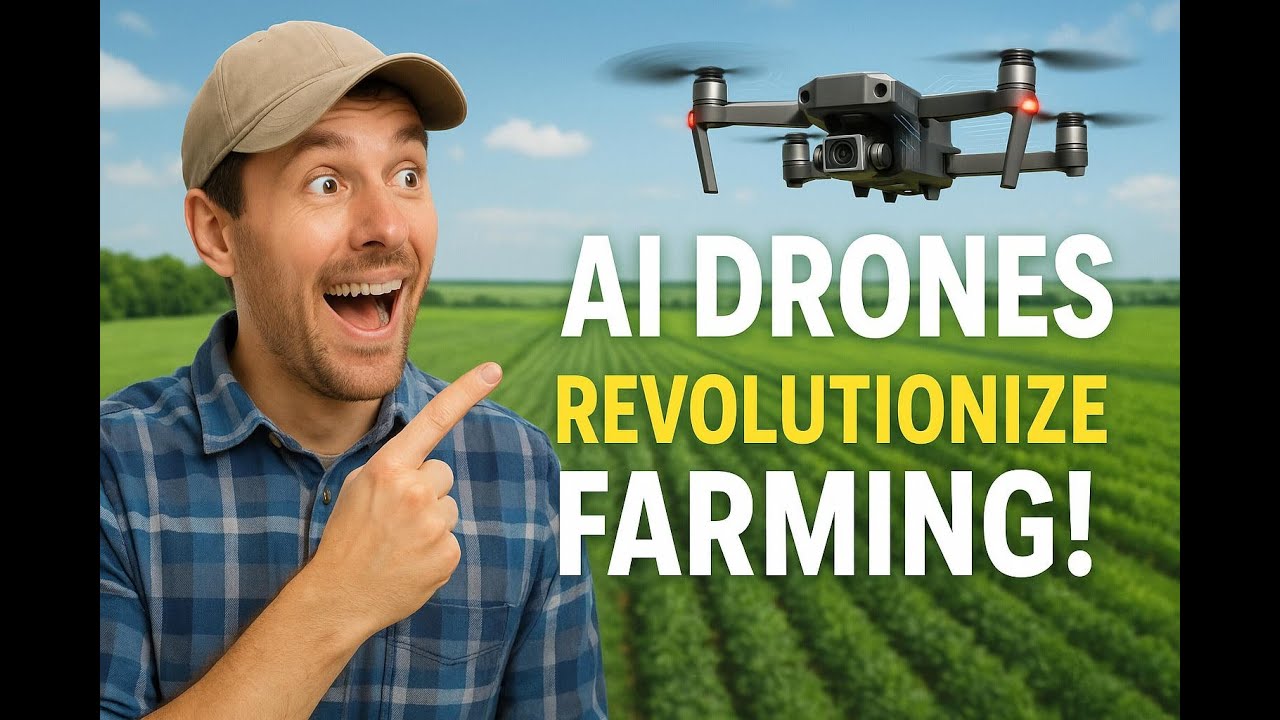
- Innovations in automated tractors, AI-embedded harvesters, GPS-enabled planters, and drones for crop monitoring are central to US precision agriculture.
- This advanced machinery (see more on our large-scale farm management solutions) dramatically boosts yields and reduces the need for manual labor, addressing labor shortages and rising operational costs.
-
Biotechnology & Chemical Industry Integration
- From genetically modified crops to bio-based fertilizers, the US leads in biotech innovation. Companies push the boundaries of drought resistance, pest management, and carbon sequestration through targeted research.
- The focus in 2025 and beyond is on eco-friendly solutions: less reliance on conventional pesticides, and more on biological alternatives or data-driven precision application (supported by partners like Farmonaut).
-
Digital & Data Industries
- The rise of agricultural AI, blockchain services, and satellite-based monitoring has sparked a new wave of digital platforms supporting American farmers.
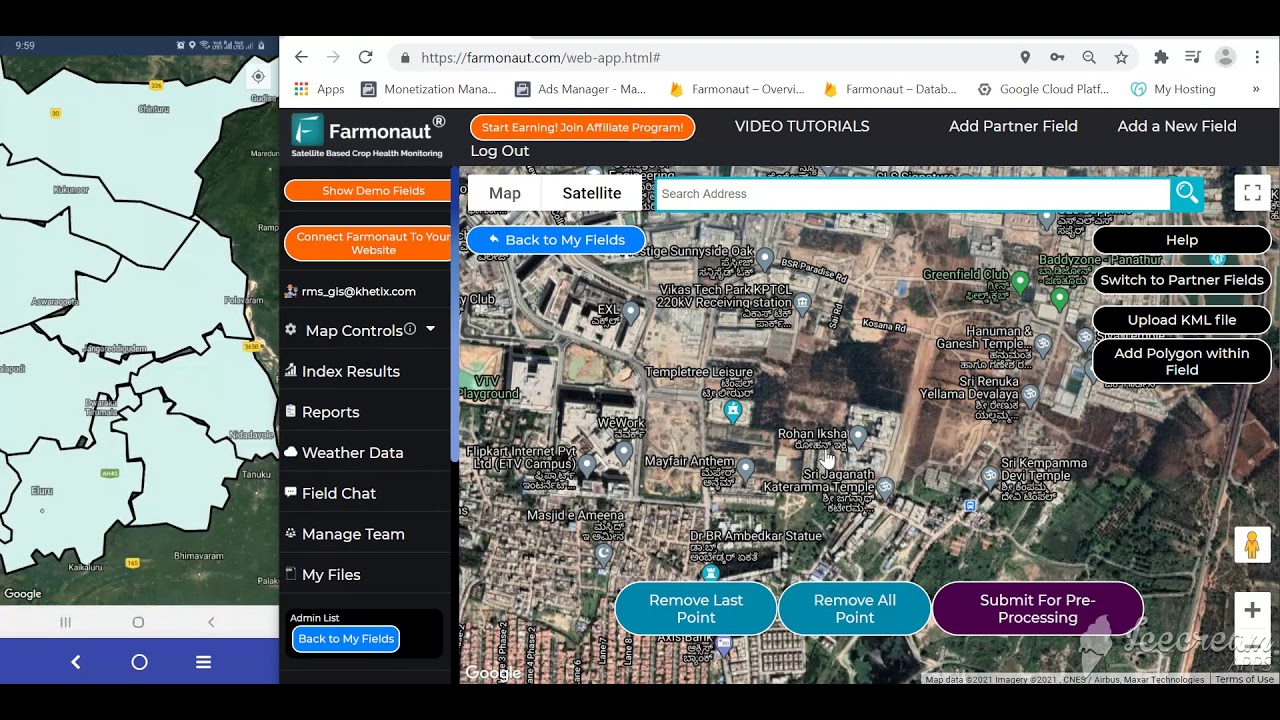
- Our Farmonaut platform is at the vanguard here, offering Android, iOS, web, and API solutions—making real-time crop health, soil moisture, and AI-based advisory accessible anytime, anywhere.
- These digital approaches enable not just improved crop yields, but more sustainable, agile, and profitable farm management for the US agriculture industry in 2025.
US Agriculture Industry 2025: Scale, Impact & Leading Trends
The US agriculture industry is among the world’s most robust and innovative, encompassing vast production, research, and market networks.
-
Diverse Crop and Livestock Production
- The US produces leading volumes of crops like corn, soybeans, wheat as well as dairy, livestock, poultry, and specialty products.
- This diversified base supports both domestic consumption and makes the US a top exporter to global markets.
-
Technological Leadership & Precision Agriculture
- Adoption of precision tools, such as satellite data-driven crop monitoring, AI, and remote sensors, places US farms on the cutting edge.
- Expect over 60% adoption of such solutions by 2025, according to industry projections.
-
Investment in Sustainability Practices
- The US is a global leader in regenerative agriculture, carbon farming, and organic production methods.
- Technologies that track, verify, and reduce carbon footprints are increasingly critical (see Farmonaut’s carbon footprinting solution for agribusinesses).
-
Advanced Supply Chain and Export Dynamics
- The US ranks as one of the top three global exporters of agricultural commodities.
- Digitalization of trade, improved global logistics, and blockchain traceability bolster the reliability and competitiveness of US products in world markets.
-
Labor, Workforce, and Rural Development
- Mechanization and robotics are essential to cope with labor shortages and increasing farm size.
- Rural communities benefit not just from job creation, but from improved education, innovation hubs, and digital inclusion fueled by industry investments.




Comparative Technology Adoption Table: US Agriculture Industry 2025
The following table offers a concise summary of the technologies and innovations transforming the US agriculture industry by 2025. For each solution, we assess estimated adoption rates and key sectoral impacts.
| Technology/Innovation | Estimated Adoption Rate (2025 %) | Primary Benefits | Key Sectors/Farm Types |
|---|---|---|---|
| Precision Agriculture Tools (satellites, VRT, sensors) |
65% | Optimizes input usage, reduces waste, increases yields | Row crops, grains, broad-acre, large farms |
| Drones & Remote Sensing | 55% | Efficient crop monitoring, early disease/pest detection | Grains, specialty crops, orchards, vineyards |
| AI & Machine Learning Applications | 45% | Predictive analytics, resource management, automation | Large to medium commercial farms |
| Robotics/Automation | 35% | Reduced labor costs, 24/7 operations, improved safety | Horticulture, specialty crops, dairy, livestock |
| CRISPR & Biotech Solutions | 22% | Genetic resilience, yield improvement, climate adaptation | Seed companies, large grain/row crop farms |
| Sustainable Water Management | 40% | Reduces water usage, increases drought resilience | Western states, irrigation-dependent farms |
| Smart Irrigation Systems | 48% | Automated, precise watering, energy and input savings | Vegetables, orchards, greenhouses |
Opportunities Created by Technology Adoption in US Agriculture Industry
- Efficient resource management and reduced environmental footprint
- Enhanced traceability and compliance through blockchain-integrated supply chains
- Resilient supply systems adaptable to climate variability
- Greater profitability and job diversification in rural areas

“The US agricultural robotics market is projected to surpass $5 billion in value by 2025, driving automation trends.”
The Intersection of Forestry and Agriculture Industry: Agroforestry’s Role in 2025
The forestry sector and agriculture industry US are increasingly converging through innovative practices like agroforestry. By purposefully integrating trees and shrubs into farmland, agroforestry offers a range of both environmental and economic advantages:
- Enhanced Soil Health: Tree roots stabilize soil, limit erosion, and enrich organic matter, contributing to long-term sustainability.
- Increased Biodiversity: More diverse plant and animal life build ecosystem resilience, boosting natural pest control and pollination.
- Carbon Sequestration: Agroforestry is a key solution for carbon farming objectives, locking carbon into biomass and soil—helpful for US carbon-reduction targets.
- Diversified Income Streams: Farmers benefit from added products such as timber, nuts, fruits, and specialty crops, cushioning against single market fluctuations.
The industrialization of forestry itself brings about new opportunities for the agriculture to industry transition, including advanced sustainable logging, precision timber processing, and the emergence of bioplastics and other bio-based alternatives. This supports not only environmental stewardship, but also new rural development jobs and markets.

Challenges and Opportunities Facing the Agriculture Industry in 2025
Key Challenges Impacting US Agriculture and Industry
- Climate Change: Unpredictable weather, rising temperatures, and shifting precipitation patterns put significant strain on crops, livestock, and water systems. Adaptive solutions—including resilient seeds, precision irrigation, and diversified systems—are paramount.
- Resource Management: Scarce water resources, soil degradation, nutrient runoff, and biodiversity loss demand innovative large-scale management and data-driven conservation approaches.
- Market Volatility & Trade Policy Risk: Global political fluctuations, tariffs, and pandemic disruptions continue to create uncertainty. American agriculture must remain agile and innovative to compete in international markets.
- Labor Shortages & Rural Decline: Urban migration and declining interest in traditional farm work prompt investments in automation, robotics, and mechanisms to attract young talent—essential for long-term sector sustainability.
Emerging Opportunities for the US Agriculture Industry
- Sustainability as a Competitive Advantage: American consumers and export partners are increasingly demanding sustainable, traceable, and low-carbon products. The agriculture industry that delivers on these values gains new markets and higher margins.
- Tech-Driven Efficiency: API-driven data integration, remote sensing, AI-advisory systems, and machine learning help reduce costs and boost productivity at all scales.
- Expansion into the Bioeconomy: Production of biofuels, bioplastics, and renewable chemicals ties agriculture and industry closely together, opening new income streams and reducing environmental footprints.
- Rural Revitalization: The interwoven evolution of agriculture and industry brings tech investment, new jobs, and education to rural communities, guaranteeing resilient future growth and reversing long-term labor flight.

How Advanced Technologies like Farmonaut Are Accelerating Change
The future of agriculture industry US will be led by those who effectively leverage advanced, affordable, and scalable digital innovations. Farmonaut is at the forefront of this transformation, dedicated to making precision agriculture accessible for all:
-
Satellite-Based Crop Monitoring:
- We offer real-time NDVI crop health insights, soil moisture, and weather monitoring via convenient apps and APIs.
- This empowers US farmers at every scale—from smallholders to agribusinesses—to optimize fertilizer, irrigation, and pest control for maximum yield and sustainability.
-
AI-Driven Personalized Advisory (Jeevn AI):
- Farmonaut’s digital advisory delivers actionable climate and crop management intelligence tailored to local conditions, addressing challenges like drought risk and labor planning head-on.
-
Blockchain-Based Traceability:
- Blockchain ensures US agricultural products can be traced seamlessly from field to consumer, fostering trust and unlocking new international market opportunities through secure, immutable data chains.
-
Fleet and Machinery Resource Management:
- Our resource management tools streamline the operation of field equipment and transport logistics, saving energy and cost while improving sustainability and regulatory compliance.
-
Carbon Footprint Tracking:
- Farmonaut’s carbon footprinting platform helps producers and agribusinesses monitor, report, and actively reduce their environmental impact as regulations and market demands tighten in 2025.
All of these solutions are designed to serve American farmers, agribusinesses, rural communities, and policymakers—helping the sector evolve from agriculture to industry leadership, and contribute to a resilient, sustainable, and competitively exported food economy.
Recommended Farmonaut Solutions for US Agriculture Industry in 2025
- Carbon Footprinting: Track and minimize your farm’s greenhouse gas impact to meet regulatory and export requirements while enhancing market value.
- Blockchain Product Traceability: Integrate secure, trustworthy end-to-end supply chain traceability from farm to fork, building consumer trust and unlocking premium export markets.
- Fleet Management: Optimize transport and machinery efficiency to save operational costs, reduce carbon footprint, and maximize workforce utilization across expanding US farm operations.
- Crop Loan and Insurance Verification: Accelerate access to finance and risk coverage with satellite-verified field reporting and automatic policy claim support.
- Large Scale Farm Management App: Manage field operations, input usage, and compliance at scale—essential for the demands of industrial agriculture in 2025.

Farmonaut Subscription Plans – Affordable Innovation Access
We at Farmonaut believe in making advanced agriculture solutions accessible for all. That’s why we offer flexible, subscription-based pricing for farmers, agribusinesses, and policymakers everywhere. Browse our plans and start revolutionizing your farm management today:
FAQ: US Agriculture Industry 2025
What are the top innovations transforming the US agriculture industry in 2025?
- Satellites and Remote Sensing: Rapid adoption allows for comprehensive field monitoring, health assessments, and early warning alerts for disease, drought, or pest problems.
- AI and Machine Learning: These tools provide predictive analytics, help with labor scheduling, and offer personalized crop advisory, making overall farm management far more efficient.
- Robotics and Automation: Automated tractors and harvesters address labor shortages and enable 24/7 operations on larger farms, particularly for harvest and repetitive tasks.
- Blockchain Traceability: Supply chain transparency ensures food safety, supports sustainability goals, and provides a competitive edge in export markets.
- Biotechnology: Gene-edited crops designed for climate resilience and higher production are increasingly in use across the US.
How can US farmers use digital technology to become more sustainable?
- Remote sensors and satellite imagery can reduce input use, avoid over-fertilization, and improve irrigation scheduling, all of which lower resource consumption and environmental impact.
- Blockchain platforms make it possible to substantiate claims around organic, local, or carbon-neutral production, unlocking new, valuable markets for US producers.
- AI-based advisory systems help farmers react faster to weather and disease threats, reducing losses and improving long-term resilience.
How are supply chain and logistics evolving in the US agriculture industry?
- Logistics are increasingly automated, with AI handling route optimization and predictive inventory management.
- Deep integration with traceability platforms ensures that food quality, compliance, and safety standards are met throughout distribution.
Is there support for rural and smallholder farmers in adopting new technologies?
- Yes—tools like the Farmonaut app make satellite-based decision-making and advisory available on any mobile device, lowering the barriers to entry for small and mid-sized producers.
- USDA and state agencies are also providing grants and guidance for digital integration and sustainable transitions.
Conclusion: Shaping the Interwoven Future of US Agriculture & Industry
As we enter 2025 and look ahead, it becomes clear that the boundaries between agriculture and industry are increasingly blurred. The United States stands at the intersection of advanced technology, industrial innovation, and deep-rooted farming expertise. The agriculture industry of today is not merely farming—it is a complex ecosystem encompassing digital tools, data-driven operations, sustainable manufacturing, intricate logistics, and global market reach.
The dynamic interplay between agriculture and industry is driving US economic growth, job creation, rural revitalization, and the capacity to meet both domestic and global food security challenges. By integrating ongoing innovation, supporting sustainable practices, and advancing digital inclusion, the United States can lead the world into a new era of resilient, profitable, and environmentally responsible food production.
With accessible, affordable solutions from agricultural technology pioneers like Farmonaut, American producers and agribusinesses are more empowered than ever to harness data, optimize resources, and adapt to future challenges—ensuring the interwoven future of farming and industry is bright and sustainable for generations to come.
Ready to embrace the future? Download the Farmonaut app for precision data insights, or explore our API solutions for integrating advanced monitoring into your existing operations!

 Aamoksh One Eighty
 Patrick America
 Red Dog Management
 Liquify Digital
 CU Foods
 BeyondTech Global
 Rouge VC
 AgroGreen Dynamics
 AgroRisk
 Oath Inc
 Reddane Farming
 Esri North East Africa
 Cresol
 MDCV UK
 Zerella Group
 Etech Consulting Madagascar
 Vestlandsforsking
 Delicio
 WB Dev
 Sama Premium
 Prochecker
