

Brazil’s Fertilizer Boom: Amazon Trade Wars 2026 – How Fertilizer Became Brazil’s Strategic Weapon
Table of Contents
- Overview: A Shift in Global Agricultural Dynamics
- Trivia: Brazil’s Fertilizer Landscape
- Brazil is Developing a Weapon for Trade Wars: Fertilizer in the Amazon
- 2025–2026 Drivers: Food Security, Trade Tensions, and Agricultural Urgency
- Mining Amazonian Resources: Harnessing Brazil’s Fertilizer Wealth
- Transport, Supply Chains & Infrastructure for Fertilizer Domination
- Fertilizer as Economic Defense: Resource Security in Global Geopolitics
- Balancing Resource Boom with Amazonian Environmental Management
- Farmonaut Insights: Digital Transformation in Mining, Agri & Defense
- Comparative Trend Table: Brazil vs Global Fertilizer Competitors
- Key Takeaways: Visual Data & Lists
- Frequently Asked Questions
- Farmonaut Subscriptions
- Conclusion: Brazil’s Fertilizer Strategy Shapes a New Global Era
“Brazil ranks among the top 5 global fertilizer consumers, importing nearly 85% of its agricultural nutrients.”
Overview: A Shift in Global Agricultural Dynamics
As the world’s leading producers of agricultural commodities jostle for global influence, the humble fertilizer—once seen as a mere crop input—has become a linchpin in the unfolding drama of 21st-century trade wars and resource security. Brazil, renowned for its fertile lands and vast natural resources, is making headlines not just by feeding the world, but by strategically positioning itself in the global agricultural supply chain though control of critical fertilizer resources. Its bold initiative—once a whispered speculation, now a resounding reality—has analysts calling it a “weapon” for economic conflicts and strategic leverage.
This blog explores how brazil is developing a weapon for trade wars: fertilizer in the amazon, how this shapes the agricultural and mineral landscape, and why the Amazon’s resources have become pivotal for global food security, trade leverage, and environmental debates going into 2026.
“Amazon mining expansion could raise Brazil’s fertilizer self-sufficiency by 25% by 2026, altering global trade dynamics.”
Fertilizer is now a “strategic commodity”—not just an agricultural input, but a lever in global trade and geopolitical conflicts.
Brazil is Developing a Weapon for Trade Wars: Fertilizer in the Amazon
For decades, Brazil has been a major powerhouse among top exporters of soybeans, corn, coffee, and more. Yet, while its agricultural output has skyrocketed, the country’s fertilizer supply chain has told a story of dependency. Heavily dependent on imports—especially phosphate, potash, and nitrogen-based fertilizers from Russia, China, and other global suppliers—Brazil has long faced the risks associated with market volatility, trade disputes, and sudden sanctions.
In the wake of recent (2022–2025) escalating tensions—including disruptions from the Russia-Ukraine conflict and mounting US–China rivalry—the need for fertilizer independence became undeniable. By harnessing its vast and mostly underexplored Amazonian mineral deposits, Brazil is now conceptualizing (and executing) a national development strategy to turn fertilizer into a geopolitical weapon: a way to ensure food security, increase export leverage, and become indispensable in the global agricultural market.

Watch how data-driven agriculture powered by satellite monitoring is transforming yield prediction—crucial for planning fertilizer supply and use. Try large-scale farm management tools for ultra-precise resource allocation.
2025–2026 Drivers: Food Security, Trade Tensions, and Agricultural Urgency
By 2025, a number of global factors converged, mounting pressure on food security and agricultural input chains:
- Geopolitical Conflicts: Russia-Ukraine war and US–China trade friction drove fertilizer price shocks and supply disruptions.
- Resource Competition: Countries vying for influence began stockpiling fertilizers and seeking new export partners.
- Environmental Constraints: Global push for sustainable agriculture and emission caps, pushing for new fertilizer manufacturing models.
- Population Growth: Rising worldwide food demand—a projected 2 billion more people by 2040—put unprecedented stress on global crop yields.
- Brazil’s Pivot: Recognizing risk, brazilian authorities and private enterprises accelerated investments into domestic mining and production of mineral fertilizers, especially in historically underexploited Amazonian territories.
By 2026, Brazil’s Amazonian mineral fertilizer production is projected to supply up to 40% of the country’s fertilizer needs—significantly reducing import dependency.

Mining Amazonian Resources: Harnessing Brazil’s Fertilizer Wealth
The Amazon region is synonymous with biodiversity—however, beneath its lush lands lie rich mineral deposits (phosphate, potash, nitrogen), largely untouched until the last few years. Now, as BRAZILIAN mining of these essential inputs ramps up, several strategic benefits surface:
- Critical Input Independence: Domestic production of fertilizer reduces vulnerabilities to global disputes, market swings, and sanctions.
- Export Opportunity: Tapping Amazon resources positions Brazil as an integral supplier for global markets—especially Asia and Africa.
- Value-Added Chains: Processing raw materials locally creates robust industry and jobs in the Amazon basin.
BRAZIL’s production strategy involves both:
- High-tech mineral mining: Precision mining using AI-guided sensors (learn more about digital transformation through fleet & resource management apps) preserves land and indigenous habitats while maximizing yield.
- Integrated fertilizer manufacturing: New domestic plants near Amazon resources reduce the supply chain vulnerabilities of distant imports.
- Sustainable innovation: Increased R&D in organic, bio-based fertilizers and ecological mining methods to address climate and biodiversity concerns.

Focusing only on fertilizer output and ignoring the environmental impact can backfire. Progressive environmental management and compliance (monitor with carbon footprinting tools) are now prerequisites for buyers and investors alike.
Visual List: 🌎 Strategic Advantages of Fertilizer Development in the Amazon
- 🌱 Reduced Import Dependency: Securing local supply of critical agricultural inputs
- 🛤️ Strengthened Supply Chains: Minimizing risk from global trade disputes
- 📈 Economic Leverage: Turning fertilizer into a trade negotiation lever
- 🌿 Sustainability Potential: Implementing eco-sensitive mining & bio-fertilizer innovation
- 🤝 Geopolitical Influence: Supplying fertilizer to countries vying for agricultural expansion (Africa, Asia)

Transport, Supply Chains & Infrastructure for Fertilizer Domination
For the Amazonian mineral boom to translate into global fertilizer trade leverage, robust infrastructure development is critical:
- Upgraded Logistics: New and improved transportation corridors connect Amazon mining sites to northern export ports, reducing bottlenecks.
- Port Expansion: Deep-water port facilities on the Atlantic enable direct export of both raw minerals and fertilizer products to major markets, bypassing traditional southern routes.
- Storage & Processing: Investment in large-scale fertilizer plants within the Amazon region for efficient, traceable output.
- Digital Fleet Management: Adoption of advanced fleet management software streamlines operational efficiency and security from mine to customer.



Tip: Use satellite-powered crop loan and insurance verification to support Amazonian farmers in the new fertilizer-centric era.
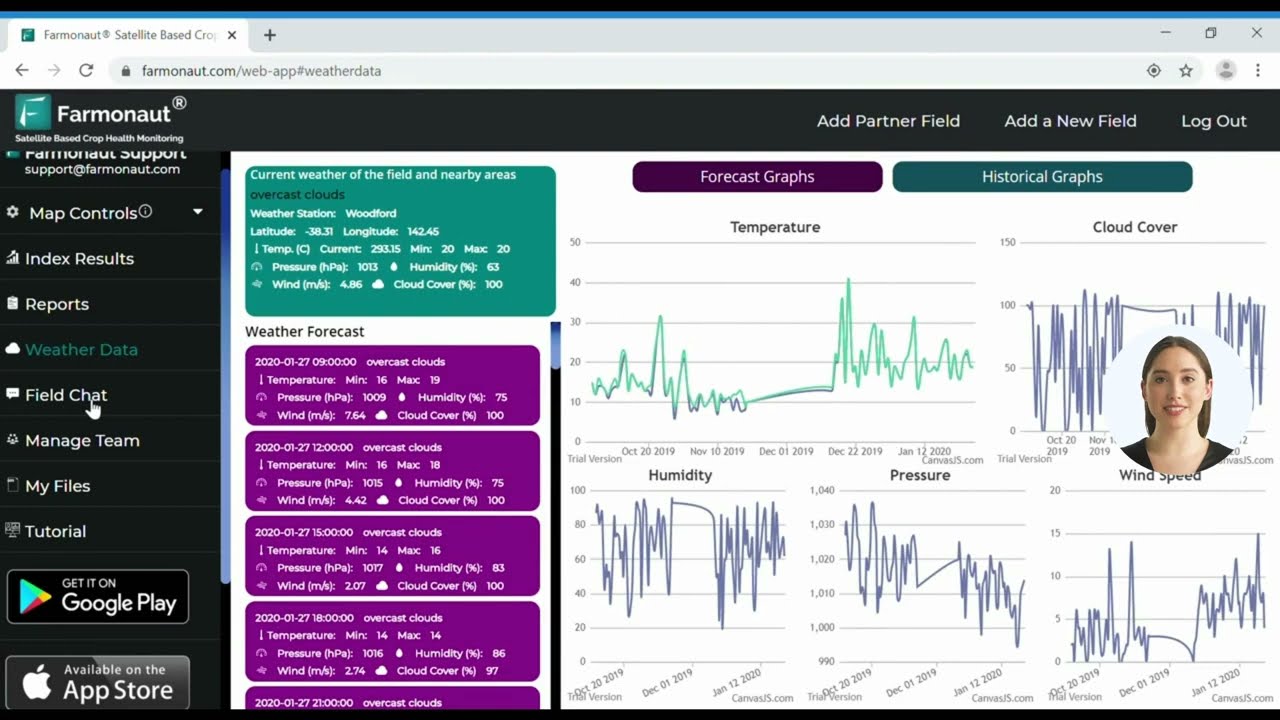
Amazon infrastructure upgrades are a linchpin for Brazil’s fertilizer export surge. Route optimization AI and satellite monitoring (see API platform) provide transparency and risk intelligence for logistics investments.
Fertilizer as Economic Defense: Resource Security in Global Geopolitics
By strategically controlling the supply and export of fertilizer products derived from Amazonian minerals, Brazil is crafting a subtle yet powerful defense weapon in the new era of trade wars:
- Leverage in Diplomatic Talks: Countries dependent on fertilizer imports from Brazil are less likely to impose adverse policies or sanctions.
- Non-military Deterrence: Owning the supply chain for a critical agricultural input can pause hostile economic moves.
- Food Security Enhancement: Ensuring steady fertilizer supply guarantees local crop yields, reducing social and political risks inside Brazil.
- Resource-Based Alliances: Emerging economies in Africa and Asia may prefer Brazilian fertilizer for sustained development.
In 2026, Brazil is developing a weapon for trade wars: fertilizer in the Amazon—redefining resource-based power in the geopolitics of agricultural trade wars.
Balancing Resource Boom with Amazonian Environmental Management
One hand champions industrial expansion and food security; the other hand grapples with complex environmental and social challenges:
- Biodiversity Threat: Mining expansion can impact Amazon’s unique habitats—necessitating advanced regulations and precision mining.
- Indigenous Lands: Safeguarding local communities and preserving cultural heritage is paramount.
- Carbon & Emissions: Sustainable fertilizer manufacturing (integrating carbon footprint monitoring) is now a requirement for global buyers.
- Bio-Fertilizer Integration: R&D in organic and bio-based products derived from Amazonian biomass supplies new, eco-friendly alternatives.
The Brazilian government is introducing regulatory frameworks, precision mining tech, and mandatory transparency (including blockchain traceability in fertilizer supply chains) to ensure a robust, sustainable fertilizer industry rooted within Amazonian resources.

Mining and fertilizer exports tied to Amazonian resources face heightened compliance—from emissions tracking to indigenous rights. Digital traceability and transparency tech are now part of the export license process.
Farmonaut Insights: Digital Transformation in Mining, Agriculture & Defense
As the fertilizer strategy unfolds, satellite-driven decision-making is a game-changer. Our Farmonaut platform delivers:
- Real-time monitoring for Amazonian mining and agricultural lands— enabling crop yield optimization, resource management, and environmental compliance.
- Block-chain traceability – from mine to fertilizer plant to port —ensuring product authenticity and market trust. Learn more on product traceability.
- Environmental impact tracking – monitor carbon footprints and ecological change using satellite-AI synergy.
- AI-based advisory for strategic planning in defence & agricultural policy.
- Fleet & logistics optimization – digital tools for maximizing fertilizer, crop, and mining supply chain security.
Our commitment: making satellite-driven insights affordable and accessible for a more sustainable, secure, and transparent future in agriculture, mining, and infrastructure.
Explore Farmonaut’s API: Streamline real-time agricultural and mining monitoring with our API and access developer documentation for smart integration.
Comparative Trend Table: Brazil vs Global Fertilizer Competitors
| Status | Year | Fertilizer Production Volume (Million Tonnes) | Global Market Share (%) | Amazon Region Output (Million Tonnes) | Export Growth Rate (%) | Estimated Impact on Global Prices (%) |
|---|---|---|---|---|---|---|
| Brazil Total | Pre-2026 | 9.5 | 4.2 | 1.0 | – | +4 to +8 |
| Brazil Total | 2026 Estimate | 16.0 | 7.5 | 6.0 | +18 | -2 to -4 |
| Brazil Total | Post-2026 Estimate | 22.0 | 11.0 | 10.5 | +24 | -4 to -9 |
| Amazon Contribution | Pre-2026 | 1.0 | – | 1.0 | – | – |
| Amazon Contribution | 2026 Estimate | 6.0 | – | 6.0 | – | – |
| Amazon Contribution | Post-2026 Estimate | 10.5 | – | 10.5 | – | – |
| Global Competitors (Russia, China) |
Pre-2026 | 61.0 | 36.0 | N/A | +5 | Baseline |
| Global Competitors (Russia, China) |
2026 Estimate | 65.0 | 34.5 | N/A | +4 | -5 |
| Global Competitors (Russia, China) |
Post-2026 Estimate | 70.0 | 32.0 | N/A | +3 | -10 |
*Values are rounded estimates, for strategic trend comparison purposes only.
Key Takeaways: Visual Data & Lists
Top 5 Impacts of Brazil’s Fertilizer Boom for 2026 and Beyond
- Brazil solidifies its position as a pivotal player in agricultural trade—potentially outpacing current global giants.
- Amazonian mining drives fertilizer independence, bringing security and leverage in global economic conflicts.
- Environmental management becomes integral, with tech-driven solutions for sustainability and regulatory compliance.
- Infrastructure modernization reshapes supply chains, shortening export timelines and reducing costs.
- Digital tools (carbon tracking, traceability) and satellite insights define the future of fertilizer, mining, and agriculture.
Main Risks & Challenges of Amazon Fertilizer Expansion
- Deforestation & habitat loss if mining is not precisely managed
- Displacement of indigenous communities and social tension
- Global backlash against unsustainable supply chains
- Sudden regulatory shifts, affecting export approvals
- International competition from Russia, China, and alternative mineral sources

What Should Industry Stakeholders Watch in 2026?
- Track BRAZILIAN mining permits and regulatory updates for the Amazon basin.
- Adopt blockchain-powered traceability to maintain market access in responsible markets (learn more).
- Balance yield maximization with carbon footprint monitoring (explore carbon footprinting).
- Use AI and satellite data to optimize fertilizer application for both productivity and sustainability.
- Be ready for rapid shifts in global fertilizer trade and responsive price movements.
Frequently Asked Questions
1. Why is fertilizer considered a weapon in trade wars now?
Fertilizer is a critical input for global agricultural yields and food supplies. Control over fertilizer production and export gives Brazil leverage in trade negotiations and can serve as a strategic shield against economic sanctions or disputes.
2. What makes the Amazon region so important for Brazil’s fertilizer industry?
The Amazon basin houses extensive phosphate, potash, and nitrogen-based mineral reserves—essential for fertilizer manufacturing. By developing these resources, Brazil reduces import dependency and shifts the global balance of fertilizer trade.
3. How can environmental impacts be managed in Amazonian fertilizer mining?
Through precision mining, strict regulatory frameworks, and technological innovation (including satellite monitoring and real-time environmental impact tracking), Brazil aims to balance resource extraction with biodiversity preservation.
4. Which countries are most affected by Brazil’s fertilizer boom?
Major fertilizer importers in Asia, Africa, and Latin America are directly influenced, while traditional exporters (like Russia and China) face new competition.
5. What tools can help monitor and manage Brazil’s agricultural resource boom?
Satellite-based resource management platforms (like Farmonaut), AI advisory systems, blockchain traceability, and carbon footprint tracking are crucial for ensuring efficiency, sustainability, and compliance.
Farmonaut Subscriptions
Ready for transformative digital solutions in agriculture, mining, and infrastructure? Access cost-effective, scalable, and advanced satellite monitoring and advisory tools with Farmonaut.
Conclusion: Brazil’s Fertilizer Strategy Shapes a New Global Era
As economic conflicts escalate and trade wars redraw the global supply chain map, Brazil’s bold development and control of Amazonian fertilizer resources signals a new era. The once quiet “input” has become a formidable weapon—driving national security, geopolitical power, and agricultural sustainability for 2026 and beyond.
Brazilian investments in mining, production, infrastructure, and digital management will foster a robust, resilient agricultural industry. By integrating environmentally responsible and transparent practices (powered by real-time monitoring, carbon footprinting, and traceability), Brazil ensures its place not just as a top exporter, but as a pivotal influencer—a country that feeds, leads, and secures the future of global agriculture.
As global markets, governments, and investors monitor this Brazilian fertilizer boom, success will be measured by the nation’s ability to balance growth, sustainability, and regional leadership in the long shadow of the Amazon.
Stay ahead—choose transparency, efficiency, and sustainability with satellite-driven insights from Farmonaut.


 Shaurya Technosoft
 Polaris Digitech
 Teledarbas
 Wild Oak Farm
 SFX
SFX BACF Africa
 Doodlakine
 Exurbia Geospatial
 FieldZero
 Indico Company
 Kubota
 FFBS
FFBS Jontra
 Tucor
Tucor
