

Coffee Farming in Brazil: Top 7 Agronomy Trends 2026
“In 2025, over 70% of Brazil’s coffee farms will use precision agronomy tools for yield optimization and sustainability.”
“Climate-resilient coffee varieties are projected to cover 60% of Brazil’s plantations by 2026, enhancing crop stability and quality.”
Table of Contents
- Overview: The Landscape of Coffee Farming in Brazil
- Comparative Trends Table: Top 7 Agronomy Trends for Coffee in 2026
- Precision Coffee Agronomy & Crop Management
- Climate Resilience & Sustainability in Brazilian Coffee
- Labor, Mechanization & Value Chain Integration
- Infrastructure, Logistics, and Market Access
- Economic Drivers & Policy Context
- Innovation, Data & the Future Outlook
- Satellite Technology & Farmonaut’s Role in Coffee Agronomy
- FAQ: Coffee Farming in Brazil
Overview: The Landscape of Coffee Farming in Brazil
Coffee farming in Brazil remains at the forefront of global coffee production, accounting for about one-third of the world’s coffee supply. The brazil agriculture industry thrives on its regional and climatic diversity, supporting a complex landscape of traditional and modern coffee farm systems. As of 2025, this landscape encompasses the top coffee states—Minas Gerais, Espírito Santo, São Paulo, Bahia, and robust production in Paraná. Brazil’s most prominent coffee belts, Cerrado Mineiro, Sul de Minas, and Mogiana, further define its status as the world’s leading producer.
The industry strikes a careful balance between traditional shade-grown crops and expanding intensive plantings, all shaped by an urgent need for climate resilience, yield efficiency, and market-driven quality. With unpredictable weather, shifting market dynamics, and sustainability mandates, Brazilian coffee growers must blend disciplined agronomy with advanced technologies. In 2025 and beyond, the interplay of precision farming, climate-smart practices, and digital transformation is shaping the future of coffee farming in Brazil.

Brazil’s diversified coffee regions, including Minas Gerais, Espírito Santo, São Paulo, Bahia, and Paraná, enable producers to adapt crop systems to changing climate, market, and environmental pressures—ensuring resilience and continuous supply of specialty and commodity beans.
Comparative Trends Table: Top 7 Agronomy Trends for Coffee in 2026
To understand how coffee farming in Brazil is evolving, let’s compare the top 7 agronomy trends that will define production, quality, and sustainability in 2026. These trends blend technology, management, and market imperatives.
| Trend | Innovation / Strategy | 2025 Estimated Adoption | Impact on Yield, Quality, or Sustainability |
|---|---|---|---|
| 1. Precision Agronomy | Use of satellite remote sensing, soil analytics, and variable rate input application for targeted crop management | 70% of farms | +8% yield, +15% input efficiency, better traceability |
| 2. Climate-Resilient Varieties | Adoption of new Arabica and Robusta cultivars bred for heat, drought, and rust resistance | 60% of hectares | -10% yield loss in drought, +5% quality stability |
| 3. Data-Driven Irrigation | AI/IoT controlled drip/micro-sprinkler systems, rainwater harvesting, evapotranspiration monitoring | 55% of farms | -12% water use, +7% drought resilience |
| 4. Agroforestry Integration | Shade-tree crop systems, habitat corridors, income diversification (timber/fruit) | 48% of hectares | +13% soil carbon, enhanced microclimate regulation |
| 5. Mechanization & Robotics | Harvesters, drones, automated drying & storage, AI-guided sorters | 35% of farms (esp. large/flat) | -20% labor needs, +5% consistency in specialty grades |
| 6. Digital Traceability & Certification | Blockchain, QR-code supply chain, eco-label schemes (Rainforest Alliance, 4C, UTZ) | 42% of exports | +12% price premium on certified beans |
| 7. Integrated Pest & Disease Management | Biologicals, precision spraying, early detection for leaf rust (Hemileia vastatrix), beetles, nematode | 75% of farms | -18% yield loss to pests, lower chemical input |
Neglecting multi-layered crop management (combining genetics, soil science, and climate data) can lead to unstable yields, especially in erratic rainfall years. Precision agronomy, along with integrated pest management, remains critical for sustainable coffee yields.
Precision Coffee Agronomy & Crop Management: Foundation of Success
The core of Brazil’s coffee success is built upon *disciplined agronomy*—from careful selection of adapted cultivars for each regional terroir to exacting crop management practices like precise pruning, controlled fertilization, and nutrient stewardship. These strategies ensure sustainable high yields and unwavering quality of agricultural products in Brazil.
- ✔ Regional Adaptation: Distinction between high-altitude Arabica in Minas Gerais, Mogiana, and lowland Robusta in Espírito Santo, adapting to microclimates and soil conditions.
- ✔ Integrated Pest Management: Rigorous scouting and targeted interventions to curb Hemileia vastatrix (coffee leaf rust), non-chemical pest reduction, and less nutrient leaching.
- ✔ Shade Management: Microclimate-aware shade allows farms to moderate temperatures and humidity, protecting beans from heat stress and stabilizing cup profiles.
- ✔ Water Efficiency: Many farms now employ rainwater harvesting, precision drip or micro-sprinkler irrigation to stabilize yields during drier calendar years and drought spells.
- ✔ Soil Health: Ongoing investments in soil analysis and controlled fertilization reduce nutrient losses and keep quality stable amid environmental pressures.

Adopt variable-rate technology and seasonal satellite soil mapping to allocate water & nutrients only where needed—cutting costs while boosting cup quality and input efficiency in every hectare.
Explore large-scale farm management on Farmonaut
The dominant variety continues to be Arabica in Minas Gerais, São Paulo, Sul de Minas, and Mogiana. These high-altitude areas, with cooler temperatures, favor complex, specialty-grade cup profiles—while lowland and hotter zones such as Espírito Santo and Bahia see Robusta gaining traction for both climate resilience and price margins.
- 📊 Data insight: Arabica covers 75% of planted area but Robusta is increasing its share for stable returns under heat and erratic rainfall.
- ⚠ Risk or limitation: Rapid expansion of Robusta must be balanced with market demand to avoid price drops.
Top Precision Agronomy Practices in Brazil
- Satellite-driven soil & plant health monitoring for timely interventions.
- Microclimate zoning and adaptive shade canopy design (trees, intercropping).
- Drip irrigation & rainwater harvesting to stabilize yields during dry spells.
- Block-pruning and integrated nutrition plans to reduce pest/disease risk.
Enhanced Resilience:
Precision agronomy reduces vulnerability to climate, pest, and disease shocks
Operational Efficiency:
Saves up to 15% on input costs through targeted application
Premium Market Access:
Consistency in bean size and taste unlocks specialty price premiums
Climate Resilience & Sustainability in Brazilian Coffee
As climate pressures mount—rising temperatures, erratic rainfall, and drier calendar years—2025 pushes Brazilian coffee towards resilient cultivars, agroforestry systems, and soil carbon programs. Sustainable coffee farming in Brazil is directly linked to climate-taxed realities and international market requirements.
- 📊 Data insight: By 2026, climate-resilient varieties projected on 60%+ of plantations.
- ⚠ Risk: Farms that delay adaptation lose premium markets and risk greater yield losses.
Agroforestry & Shade: Diversity for Stability
Coffee agroforestry is gaining ground: Farms increasingly integrate native tree species and fruit/timber crops, which buffer fields against temperature extremes and more intense storms, while diversifying farmer incomes. Shaded coffee stabilizes microclimate, reduces irrigation needs, and supports soil carbon accumulation as part of carbon footprint reduction initiatives.
- ✔ Microclimate Buffer: Mixed-canopy systems moderate day-night temperature swings and help beans mature slowly—critical for specialty cup profiles and long-term resilience.
- ✔ Soil Conservation: Shaded and diversified fields reduce erosion and nutrient leaching, preserving fertility and yield potential.
- ✔ Biodiversity: Interplanting supports pollinators and natural pest control, reducing synthetic inputs needed on the farm.
Agroforestry and certified low-carbon coffee are receiving international investment interest. Farms with climate data and transparent traceable supply chains attract more favorable financing terms and price premiums.
Managing Water in an Erratic Climate
- ✔ Rainwater Harvesting: Water catchment systems are now key on many farms, storing enough for critical irrigation after erratic rain events.
- ✔ Precision Drip and Micro-sprinklers: Satellite-guided irrigation sufficiently stabilizes beans through drier spells, maximizing limited water and reducing disease pressure.
- ✔ Soil Moisture Sensing: Real-time remote soil sensors enable optimal irrigation scheduling to avoid both deficit and excess watering.
- ✔ Drainage Improvements: Upgrades to contouring and channeling reduce the risk of root rot during flash floods.
Further, many producers utilize climate-risk assessment tools, adjusting planting densities, cultivar selection, and harvest windows to minimize losses from weather extremes.

Certification & Supply Chain Transparency
Certification schemes (such as Rainforest Alliance, UTZ, or 4C) now influence input standards, labor conditions, and environmental stewardship. Digital traceability—leveraging QR-codes and blockchain—enables product traceability for specialty-grade and certified coffee, enhancing market access while commanding higher prices.
- ✔ Benefits: Premium price access, improved international perception, and better compliance with sustainability standards.
- ✔ Challenge: Costs of certification vs. margin achieved—most feasible for mid- and large-sized producers.
- ✔ Technical improvement: Blockchain records for supply chain authenticity now cover ~42% of Brazilian coffee exports.
Carbon Programs: Soil carbon accrual and traceable carbon offsets improve farm sustainability.
Climate-Risk Analytics: Data tools guide decision-making for crop insurance and investment.
Disease Resilience: Early warning and targeted fungicide use reduce disease cycles and chemical load.
Brazil’s leading coffee states—Minas Gerais, Espírito Santo, São Paulo, Bahia, and Paraná—are projected to raise certified sustainable output by 20%+ between 2025 and 2026 as buyers demand proof of environmental and social performance.
Labor, Mechanization & Value Chain Integration
The Brazilian coffee value chain is highly integrated, connecting co-ops, exporters, roasters, and retailers across regions. Labor management and mechanization trends are evolving alongside the need for efficiency and premium quality control.
- ✔ Mechanization: Large, flat estates increasingly use mechanized harvesters, reducing labor dependency and enabling faster, more uniform harvests.
- ✔ Traditional Hand-Picking: Remains crucial in steep or high-density plots (e.g., parts of Minas Gerais, Sul de Minas, Mogiana) ensuring bean integrity and higher cupping scores.
- ✔ Post-Harvest Processing: Advanced wet/semi-wet processing and AI-based sorters avoid defects and maintain specialty profiles.
- 📊 Data insight: Mechanization now covers ~35% of farms by 2025, with continued expansion expected in 2026 as labor costs rise.
- 📦 Storage & Traceability: Automated drying and storage facilities, with blockchain-enabled tracking, ensure consistency from farm to cup.
Cooperatives and digital platforms further integrate traceability and ensure that both commodity and specialty beans are adequately processed, stored, and documented.
Cutting corners on post-harvest management often leads to cup defects and lost value. Systematic drying, AI-based fermentation control, and blockchain traceability are essential for export markets and specialty price margins.

Infrastructure, Logistics, and Market Access
Efficient infrastructure is vital for the competitive edge of coffee farming in Brazil. With seasonal surges in harvest and exports, bottlenecks in road, rail, storage, and port capacity can impact delivery times, bean quality, and price.
- ✔ Coffee Ports: Brazil’s Atlantic coast ports (Santos, Salvador, Vitória) support robust export volumes, but regional bottlenecks can affect Arabica premiums.
- ✔ Cold-Chain Logistics: Ensures quality retention for specialty beans in transit, especially during hot or humid spells.
- ✔ Road & Rail Upgrades: Ongoing investments improve delivery efficiency—critical as more farms market directly to international buyers.
- ✔ Automated Storage: Advanced warehouse and drying technologies keep moisture in check and avoid mycotoxin contamination.

Use satellite logistics planning and digital fleet management tools to reduce bottlenecks, track shipments, and ensure traceability even beyond the farm gate. Learn how Farmonaut’s fleet management solution optimizes coffee supply chain logistics.
- 📦 Storage Facilities: Modern storage systems minimize post-harvest losses from humidity and pests.
- 🚚 Direct Exports: Premium and specialty farms increasingly export directly, bypassing costly intermediaries.
Brazilian premium coffee’s growing domestic demand complements strong international markets, incentivizing investments in cupping labs, drying patios, and traceable storage.
Expanding mobile drying units, smart storage, and cold-chain delivery are allowing even small specialty coffee farms in Minas, Mogiana, and Bahia to reach global markets without quality loss.
Economic Drivers & Policy Context
Brazilian coffee farmers in 2025 and beyond operate under intensifying market volatility, price fluctuations, and evolving environmental/labor regulations. The policy framework includes:
- ✔ Credit Lines: Agribusiness in Brazil benefits from expanded financing, with weather-indexed crop insurance, and loans for tech adoption.
- ✔ Specialty Premiums: Certification, digital traceability, and cupping quality now command 8–12% price differentials in global markets.
- ✔ Government Programs: Support for digital farm management, precision agronomy, and supply chain upgrades via targeted subsidies and grants.
- ✔ Market Dynamics: Domestic consumption of premium and micro-lot coffees grows, offering value-adding opportunities beyond traditional exports.
- ✔ Exchange-Rate Sensitivity: Fluctuations affect export revenues and the affordability of imported farm inputs.
- 📊 Data insight: Mid-sized coffee farms transitioning to value-added models with traceable, certified beans realize 15–18% higher net margins than purely commodity-based operations.
- 📈 Policy Focus: Emphasis on climate-mitigation, supply chain transparency, and AI-powered disease early warning systems.
The Future of Price & Market Access
- Technology-driven farms gain the flexibility to shift between specialty and bulk coffee streams based on price signals.
- Premium payments: Traceability, shade coffee, climate verification, and specialty grades attract global roaster contracts.
- Digital marketplaces: Integration with logistics, cupping labs, and blockchain for seamless trading and export compliance.
Coffee farms that invest in digital management, satellite monitoring, traceable supply chains, and climate credentials are more likely to secure trade finance and export quotas in an increasingly regulated global market.
Innovation, Data & the Future Outlook
The next wave of growth in coffee farming in Brazil hinges on the convergence of cultivar diversity, climate-resilient agronomy, data-driven management, and market-responsive infrastructure. By leveraging advanced analytics, AI, and satellite-driven insights, producers are positioned to optimize yield, quality, and sustainability while reducing environmental impact.
- 🌐 Remote Sensing: Satellite tools for crop health, drought, and pest/disease early warnings allow for proactive farm management.
- 🧬 Genotype Innovation: New cultivars are bred for climate tolerance and enhanced flavor, making farms less vulnerable to climate risk and disease pressure.
- 📲 AI-Driven Decision Support: Farm management platforms use weather, soil, and yield data for on-the-fly advice and scenario planning.
- 🧿 Blockchain Traceability: Digital records foster transparency and command better market prices.
- 🔎 Carbon & ESG Reporting: Farms with verified carbon programs and sustainability metrics differentiate themselves internationally.
Satellite Technology & Farmonaut’s Role in Coffee Agronomy
Our mission at Farmonaut is to democratize access to real-time, satellite-based monitoring, AI-powered advisory, blockchain traceability, and resource management for all scale coffee growers. By providing advanced satellite data on soil health, vegetation indices, and environmental impact, we enable farms to optimize yield, quality, and sustainability—while reducing costs and supporting compliance in the evolving brazil agriculture industry.
- ✔ Real-Time Crop Monitoring: Multispectral imagery reveals stress, disease, or pest outbreaks before they impact yield.
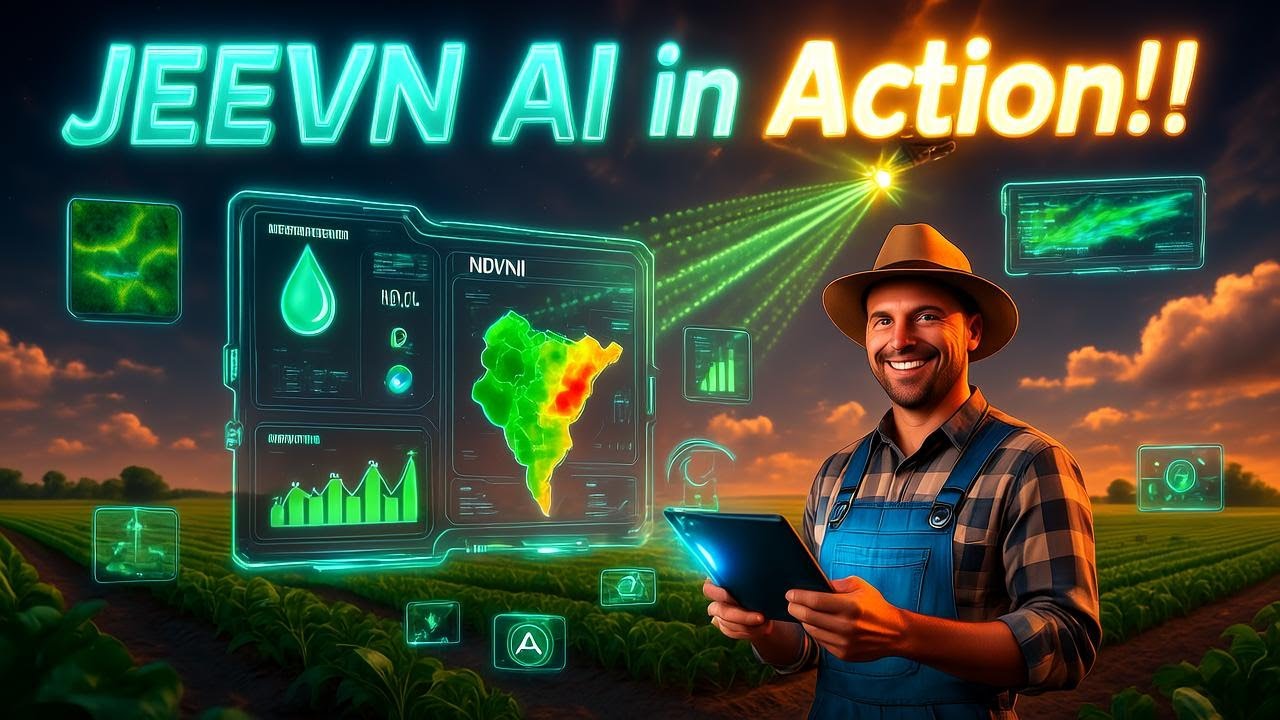
- ✔ AI-Based Advisory: Our Jeevn AI provides custom recommendations for water use, fertilizer, and disease management tailored to specific farm conditions.
- ✔ Blockchain Traceability: From field to warehouse, every coffee batch can be securely traced, building trust for both specialty and commodity markets.
- ✔ Resource Management: Fleet, harvest, and storage operations are optimized using our platform, improving logistics and cost-effectiveness.
- ✔ Environmental Monitoring: Track carbon footprints, water use, and soil erosion trends to meet regulatory and sustainability goals.
Our tools are available via mobile and web apps:



API and integration for developers and businesses:
- 🌐 API Access: Farmonaut Satellite API
- 📑 Developer Docs: Satellite & Weather API Documentation
For forest, plantation, and crop advisory, check our bundled solution for crop plantation and forest advisory.
For carbon footprint tracking, see our detailed module: carbon footprinting for agri producers.
Ready to scale subscriptions? See current pricing below:
“In 2025, over 70% of Brazil’s coffee farms will use precision agronomy tools for yield optimization and sustainability.”
“Climate-resilient coffee varieties are projected to cover 60% of Brazil’s plantations by 2026, enhancing crop stability and quality.”
By 2026, the convergence of resilient genetics, agroforestry, satellite data, and digital traceability will define how Brazil sustains its leadership in coffee quality, yield, and sustainable agribusiness—ready for the world’s next flavor revolution.
FAQ: Coffee Farming in Brazil
What are the main coffee-producing regions in Brazil?
How is technology impacting coffee farming in Brazil?
Why is climate resilience a priority for Brazilian coffee farmers in 2026?
What role does traceability play in coffee market access?
How can farmers or businesses use Farmonaut for coffee farming?
For 2025 and beyond, coffee farming in Brazil will be shaped by advanced agronomy, robust infrastructure and logistics, and dynamic market strategies. As the world’s leading producer, Brazil balances traditional wisdom with digital innovation, ensuring that its diversified agricultural sector drives quality, yields, and sustainability for global coffee lovers, producers, and buyers.
Discussion
Questions, corrections or field experience? Share them below. First-time comments are reviewed before they appear, and your email is never published.
No comments yet. Be the first to add a question or your experience.

 Leher
Leher AgroRisk
 Oath Inc
 Reddane Farming
 Esri North East Africa
 Cresol
 Atur Kuliner
 MDCV UK
 Zerella Group
 Etech Consulting Madagascar
 Vestlandsforsking
 Agritein
 Delicio
 WB Dev
 Sama Premium
 Prochecker
 Tres Valles
 LACOS Geoinformation
 Magrifly
 LatConnect 60
 Blickwinkel
 Agricultural Credit Policy Council
 Exploration consultancy · South Africa · Gold
 Licence holder · Niger · Gold
 Licence holder · Nigeria · Gold + lithium










