

Table of Contents
- Overview of Agriculture in Argentina
- Trivia: AgTech Argentina in 2026
- The Rise of AgTech in Argentina
- Leading AgTech Innovations (with Comparative Table)
- Sustainable Practices & Environmental Challenges in Argentine Agriculture
- Economic and Global Trade Context
- Farmonaut: Satellite-Powered AgTech Solutions for a Future-Ready Argentina
- Future Outlook: Argentina’s Agriculture in 2026 and Beyond
- FAQ – Farming in Argentina & AgTech
- Farmonaut Subscriptions
“Argentina’s agtech investments are projected to exceed $300 million by 2026, driving rapid digital transformation in farming.”
Farming in Argentina: Top AgTech Innovations 2026
Farming in Argentina stands at the crossroads of tradition and cutting-edge technological advancement. As we approach 2026, Agriculture of Argentina continues to be one of the world’s leading agricultural powerhouses, playing a pivotal role in the country’s economy, global food security, and the evolution of sustainable farming. The rise of AgTech Argentina is rapidly transforming how farmers, businesses, and governments monitor, manage, and sustain the rich natural resources that define the country’s rural landscape.
This comprehensive analysis explores the advances in farming in Argentina, delving into the challenges, opportunities, and forward-thinking solutions driving the agricultural sector in 2026. Expect a focused look at agtech Argentina—from data-driven farm management and satellite monitoring to practical, sustainable strategies for thriving in a changing world.
Overview of Agriculture in Argentina
Argentina is distinguished by the fertile pampas—a vast plain, known for its rich soil and optimal climatic conditions. These attributes provide the perfect backdrop for cultivating key crops such as soybeans, corn, wheat, and barley. The country is a top global producer and exporter of soybeans and soybean oil, while also maintaining its reputation for exceptional livestock farming, particularly beef cattle—a product synonymous with Argentine culture and cuisine.
- Contribution to GDP: Agriculture contributes approximately 10% to Argentina’s GDP.
- Employment: The sector employs a substantial portion of the rural population.
- Exports: Argentina’s agricultural exports are a critical source of foreign exchange, reaching major markets in Asia, Europe, and the Americas.
- Domestic Impact: The sector sustains food production within the country and underpins the rural economy.
The agricultural landscape is marked by a blend of large-scale industrial farms and smallholder producers. The nation’s exporters are globally competitive, meeting intense demand while navigating evolving climate, economic, and trade conditions.

Key Argentine Crops & Livestock
- Soybeans: Argentina ranks among the top three producers globally.
- Corn and Wheat: Significant for domestic food supply and export markets.
- Barley: Increasingly important for brewing industries and exports.
- Livestock (Beef): The Argentine beef industry is a major cultural and economic icon.
Given its scale, agriculture of Argentina faces both immense opportunities and formidable challenges, from climate variability and resource constraints to market volatility and sustainability demands. Agtech Argentina is central to meeting these challenges head-on.
“Over 60% of Argentina’s large farms plan to adopt precision agriculture tools by 2026, advancing sustainable practices.”
The Rise of AgTech in Argentina
The rise of AgTech Argentina in 2026 is redefining the nation’s agricultural sector. Technological innovation and digital transformation are increasingly characterizing farming in Argentina. The adoption of advanced agtech solutions is aimed at enhancing productivity, increasing sustainability, and reducing environmental impact—all while maximizing yield and minimizing resource waste.
AgTech Argentina: What’s Driving the Transformation?
- Digital Platforms: Streamlining field data into actionable insights for farm management.
- Satellite Imaging: Providing ongoing monitoring of soil conditions, vegetation health, and crop performance.
- AI & Machine Learning: Powering predictive analytics, disease identification, and yield forecasting.
- Drones: Enabling cost-effective surveillance, rapid pest detection, and aerial application of inputs.
- IoT Devices: Offering farmers real-time information on water usage, machinery performance, and environmental parameters.
- Blockchain: Securing traceability of crops and production for local and export markets.
The digital transformation is especially prominent in Argentina’s fertile pampas, where precision agriculture and multiple agtech solutions are implemented to optimize everything from planting and irrigation to fertilizer and pesticide application. These strategies minimize waste and maximize both profitability and long-term sustainability.

Startups and established companies are integrating digital tools with on-farm routines. Tools like Farmonaut’s real-time monitoring and AI-based advisory systems are now accessible via mobile and browser apps, empowering farmers to optimize their critical decisions on the go. With satellite-derived data—
soil health, water stress, pest outbreaks, and yield forecasts can be anticipated and managed with agility.

Biotech and Resilient Varieties
Innovation isn’t limited to digital tools. Major research institutions in Argentina are focusing on biotechnology—developing drought-resistant and pest-resistant crop varieties. These new varieties are critical for climate change adaptation and sustaining production amidst erratic weather, especially in the country’s pampas and expanding agricultural frontiers.
- Enhanced seed genetics for higher tolerance to water shortages and pest infestations.
- Bio-stimulants and microbiome boosters for soil health.
- Advanced disease-resistant crops that decrease dependence on chemical pesticides.
These initiatives evolve the core of farming in Argentina to become future-ready, ensuring food security and export capacity even as climate-related challenges intensify.
For Argentine farmers adopting new crop varieties or planning large-scale crop changes, satellite-enabled Crop Plantation and Forest Advisory tools can support smarter decisions—whether it’s mapping new fields or tracking the growth of existing plantations.
Leading AgTech Innovations in Argentina: Comparative Overview (2026)
This comparative table summarizes the most impactful agtech innovations transforming the landscape of farming in Argentina as of 2026, including estimated adoption rates, core benefits, and sustainability impact:
| Innovation/Technology | Estimated Adoption Rate (2026) | Key Benefit | Impact on Sustainability |
|---|---|---|---|
| Satellite Crop Monitoring | 48% | Early detection of stress, improved decision-making | Reduces waste, promotes targeted input use, conserves soil health |
| Precision Irrigation Systems | 36% | Water savings, optimal crop hydration | Reduces overuse of water, conserves resources |
| Drone Usage for Crop Surveillance | 28% | Faster pest/disease detection, reduces manual scouting | Minimizes chemical input, prevents wide-scale crop loss |
| Data-Driven Farm Management Platforms | 39% | Consolidated insights and actionable recommendations | Drives efficient use of inputs, supports sustainable rotation and planning |
| Smart Tractors & Autonomous Machinery | 31% | Reduces labor requirements, increases efficiency | Lowers fuel consumption, ensures consistent practices |
| Blockchain Traceability | 13% | Transparent supply chains, fraud prevention | Improves accountability, supports eco-certification |
| Environmental Impact Monitoring (Carbon Footprinting) | 15% | Tracks GHG emissions, compliance support | Guides emission reductions, improves sustainability |

How Argentina’s AgTech Innovations Are Implemented:
- Large-Scale Farms: These are often the early adopters, using satellite crop monitoring, data-driven platforms, and precision irrigation.
- Smallholders: Increasing access to affordable technology via subscription models (like large scale farm management tools).
- Exporters: Use blockchain-based traceability to meet global eco-certification and traceability demands.
Farmonaut Data API & Developer Resources
Want to build your own AgTech Argentina platform with real-time satellite and environmental data?
Access Farmonaut’s comprehensive API at sat.farmonaut.com/api and read the developer documentation here.
Sustainable Practices and Environmental Challenges in Argentine Agriculture
The future of farming in Argentina hinges on a sustained commitment to sustainability and effective resource management. While the country’s natural conditions are favorable, the agricultural sector must adapt to both environmental and economic changes.

Trending Sustainable Practices in Argentina (2026):
- No-Till Farming: Reduces soil erosion and preserves soil health.
- Crop Rotation & Diversification: Enhances soil fertility, breaks pest cycles, reduces the need for chemical fertilizers and pesticides.
- Precision Application of Fertilizers & Pesticides: Using drone surveillance, satellite mapping, and IoT, inputs are applied only where needed, minimizing waste and runoff.
- Integrated Pest Management (IPM): Combines biological, cultural, and chemical tools to reduce pest impact.
- Regenerative Agriculture: Actively restores biodiversity and organic matter, supporting long-term productivity.

Water resource management is increasingly critical for agriculture in Argentina, especially with the rise of unpredictable climates. Efficient irrigation technologies and improved rainwater retention are crucial for stabilizing yields. Likewise, watershed protection and digital monitoring systems underpin long-term climate resilience.
Another frontier is carbon footprint tracking: Argentine farmers and exporters are implementing carbon footprint monitoring tools to align with global standards and open premium export markets. This also helps meet expectations around sustainable production and traceable, eco-friendly goods.
Key Environmental Challenges:
- Greenhouse Gas Emissions: Especially methane from beef livestock. Solutions include new feed additives and improved grazing.
- Droughts and Floods: Periodic climatic swings threaten yields and rural livelihoods; climate-smart management is essential.
- Soil Degradation: Rapid changes in crop cycles, over-tillage, and input misuse can threaten long-term productivity.
- Biodiversity Loss: Monocultures and land-use shifts pose threats that are being addressed by enhanced rotation and habitat protection.
Economic and Global Trade Context
Within the world agricultural trade networks, Argentina has the opportunity to capitalize on growing global food demand—but faces logistical, regulatory, and economic hurdles.
- Volatile Commodity Prices: Soybean, corn, and beef prices fluctuate, affecting revenue and year-to-year planning.
- Trade Policy Uncertainties: Ongoing renegotiations within Mercosur and with Asia, Europe, and the Americas impact market stability.
- Logistics and Infrastructure: Investments in railways, ports, and highways are underway to streamline export from rural regions to global buyers.
- Certification and Standards: Global buyers are demanding sustainability certifications, driving adoption of improved practices and technologies.
Trade dynamics motivate Argentine exporters to adopt blockchain-based traceability and embrace carbon footprint tracking to satisfy global demand for green and ethical goods. These efforts underpin the sector’s long-term security and resilience.
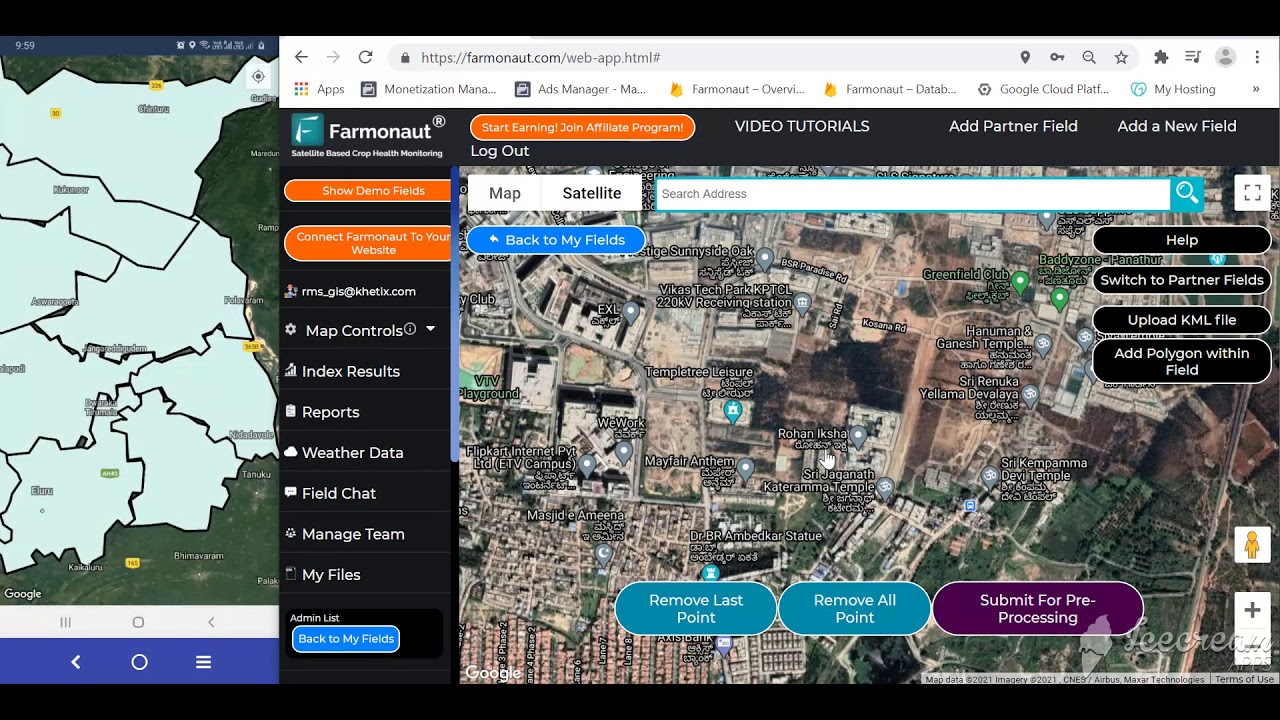
Farmonaut Fleet Management and Traceability Solutions
Modern fleet and resource management solutions like those offered by Farmonaut reduce operational costs and improve traceability—enabling fleet tracking for logistics and product traceability for export compliance and trust:
- Optimize vehicle and equipment use to reduce fuel and maintenance costs
- Digital audits for easier export certification
- Secure, blockchain-backed supply chains
Meeting International Market Demands
To meet advanced global standards, Argentine agriculture is integrating digital traceability and sustainability into all production and supply chain operations.
- QR codes and blockchain for end-to-end product history
- Verified carbon emissions tracking for eco-conscious customers
- Compliance with certifications for organic, low-carbon, and fair-labor production
Farmonaut: Satellite-Powered AgTech Solutions for a Future-Ready Argentina
As we look to 2026 and beyond, farmers in Argentina need innovative, scalable, and accessible technologies to meet the dual demands of productivity and sustainability. Satellite-driven, AI-powered platforms like those offered by Farmonaut are game-changers in this landscape.
What Makes Farmonaut Unique?
- Satellite-Based Monitoring: Uses global satellite imagery to monitor crop health, soil conditions, and vegetation in real time—enabling farmers to detect crop stress early, optimize input application, and maximize yield while reducing waste.
- Jeevn AI Advisory: Our AI-driven advisory delivers personalized, actionable insights for managing weather risks, optimizing production, and ensuring efficient resource allocation.
- Blockchain-Based Traceability: Ensures secure, transparent supply chains—enabling Argentine producers and exporters to meet strict global certification and food safety demands.
- Environmental Impact Tracking: Our platform tracks carbon footprint data, supports GHG reporting, and guides sustainability improvements.
- Fleet & Resource Management: From satellite-enabled fleet management to large-scale farm management, we bring efficiency and visibility to modern agricultural operations.
Our mission is to make advanced satellite and AI insights affordable for all—empowering everyone in agriculture, from smallholder farmers to enterprises and government agencies.




Rather than replacing hard-earned farming expertise, satellite insights and AI-driven advisories enhance farmers’ capacity to respond to changing soils, climate, and markets.
Future Outlook: Argentina’s Agriculture & AgTech Innovations (2026+)
Looking beyond 2026, farming in Argentina will rest on three foundational pillars:
- Integration of Innovation: Widespread adoption of precision agtech, real-time data platforms, and blockchain will enable continuously improving yields and sustainable practices.
- Climate and Resource Resilience: Investments in drought-resistant varieties, adaptive irrigation, and satellite-based soil monitoring will help navigate increasing climate volatility and finite water supplies.
- Global Trade Agility: Enhanced traceability, carbon accounting, and sustainable certifications will secure market access to discerning buyers worldwide.
Key Challenges Remaining:
- Ensuring smaller producers gain access to affordable agtech and financing
- Maintaining the balance between export growth and ecosystem preservation
- Leveraging public-private partnerships to fund infrastructure and rural innovation
- Continuing education for farmers on sustainable and data-driven practices
With ongoing government support, evolving public policy, and growing commitment to education and sustainability, Argentina is on track to solidify its role as a world leader in climate-resilient agriculture and agtech-powered food security.
FAQ – Farming in Argentina & AgTech
What are the most important crops grown in Argentina?
The key crops include soybeans, corn, wheat, and barley. Argentina also has a significant beef livestock sector. These are cultivated mostly in the fertile regions of the pampas.
How is AgTech Argentina changing traditional farming?
The rise of agtech Argentina brings satellite monitoring, drone surveillance, precision farming, and AI-based decision tools that increase yields, monitor crop health in real time, reduce waste, and support environmental sustainability.
How can small and medium farmers access advanced agtech?
Affordable subscription models, accessible platforms like Farmonaut’s mobile and web app, and scalable support services are making it easier for all farmers to integrate new technologies.
What is the impact of climate change on agriculture of Argentina?
Climate change brings unpredictable weather, droughts, and floods—placing pressure on crops and livestock. Adaptive technologies such as drought-resistant seeds, efficient irrigation, and precision forecasting are essential responses.
What are the top trade markets for Argentine agricultural exports?
Asia, Europe, and the Americas remain vital markets for exports of soybeans, beef, and grains. Meeting international standards for sustainability and traceability is key to accessing these markets.
Can farmers monitor carbon footprint using agtech tools?
Yes. Platforms like Farmonaut provide carbon foot-printing modules to quantify, monitor, and reduce greenhouse gas emissions from agricultural operations.
Farmonaut Subscriptions & Getting Started
Ready to join the digital transformation of farming in Argentina? Try Farmonaut’s scalable subscriptions—
affordable and accessible for all sizes of farms and agribusinesses!
Discover the future of agtech Argentina:
- Monitor your crops from anywhere —Get started with the web app
-
Enhance field-level decision making — Download on
Android
or
iOS -
Integrate real-time data into your business —
Explore our API - Secure access to loans & insurance — Leverage crop loan and insurance verification tools
Conclusion: Powering Smart, Sustainable Agriculture of Argentina
As agtech Argentina continues to evolve, the synergy of advanced technology, resource management,
and sustainability practices will ensure the country’s agricultural sector meets the demands and challenges of 2026 and beyond.
With a commitment to inclusive, affordable innovation—along with robust public policy and global market integration—Argentina will remain a world leader in agricultural productivity and climate-smart farming.
Explore the future of farming in Argentina with the latest agtech innovations—transform your farm, join the sustainable revolution, and secure your place in the new digital landscape of agriculture.
Discussion
Questions, corrections or field experience? Share them below. First-time comments are reviewed before they appear, and your email is never published.
No comments yet. Be the first to add a question or your experience.

 Tres Valles
 LACOS Geoinformation
 Pulsar Supernova
 Magrifly
 LatConnect 60
 Disease Free Life
 WebsEdge
 Blickwinkel
 Agricultural Credit Policy Council
 MCSOD
MCSOD Marei Nursery
 eKGIS
eKGIS Mostas Tech
 Andex
Andex FCF India
 Unifrutti Gulf
 Deluxe Conseil
 WICO
WICO
