

Agriculture California Jobs: 2026 Facts & Top Trends
“In 2025, California agriculture employs over 420,000 workers, making up 13% of U.S. farm labor.”
Summary: Agriculture Jobs in California—A 2025 Outlook
California stands as the powerhouse of U.S. agriculture, responsible for nearly 13% of the nation’s total agricultural output. As we approach 2026, agriculture jobs in California remain a vital element of the state’s economy and a dynamic source of opportunity for a rapidly evolving workforce.
From the cultivation of specialty crops like almonds, grapes, strawberries, and lettuce to thriving roles in agribusiness management, technology, food processing, and agricultural innovation, the Golden State offers a diverse and resilient job landscape. In this comprehensive guide, we explore everything you need to know about agriculture California jobs—including employment facts, growth trends, insights into farm labor, specialty crop production, and the integration of new technologies, sustainability, and workforce shifts expected through 2026.
California Agriculture: An Overview
The agriculture sector in California thrives due to the state’s vast and varied climate zones. This diversity enables the cultivation of more than 400 different commodities, making California the leading state in U.S. specialty crop production.
Some key crops include:
- Fruits: Almonds, grapes, strawberries, citrus
- Vegetables: Lettuce, tomatoes
- Other Products: Dairy, wine, nuts
California’s output in agriculture is not just impressive but also global in scale. The state supports over 400,000 direct jobs in farming, processing, distribution, and agricultural equipment manufacturing. With a projected total revenue output of $75+ billion in 2024 and continued growth anticipated into 2025–2026, California’s agricultural economy remains resilient and innovative.
Trivia: California Agriculture Jobs in 2025
“Specialty crop jobs in California are projected to rise by 8% by 2026, outpacing national agricultural growth.”
- ✔ Over 400 unique agricultural commodities produced annually
- 📊 $75+ billion expected revenue output in 2025
- 👷 450,000 farmworkers annually, with 60% being seasonal or migrant workers
- 🌱 20% of all acreage now under organic or sustainable farming practices
- ⚙️ 15% increase in agri-technology roles since 2022
The Diverse Landscape of Agriculture Jobs in California
The agriculture California jobs landscape is one of the most diverse in the world. While seasonal farm labor roles dominate, there has been significant growth in specialty crop production, agribusiness management, and technical roles.
California agriculture also supports ancillary industries such as:
- Food processing
- Distribution and logistics
- Agricultural equipment manufacturing
- Crop research and advisory services
This job diversity helps the sector respond flexibly to demanding market needs, environmental pressures, and the rapid integration of technology.

Key Facts and Emerging Trends in California Agriculture Jobs
Understanding agriculture in California facts is crucial for anyone considering a career or investment in the sector. As we move through 2025–2026, the California agriculture jobs market is shaped by several influential trends:
- 🚜 Technical Specialization: Roles now demand proficiency in precision technologies like drones, sensors, and agricultural data analytics.
- 🌱 Organic and Regenerative Growth: Expansion of sustainable, organic, and climate-smart agricultural practices.
- 💼 Professional Agribusiness: Increased demand for logistics, supply chain management, marketing, and finance roles within agriculture.
- ⚠️ Climate Adaptation: A shift in job requirements due to unpredictable weather, droughts, and environmental regulation.
- 👩🏫 Workforce Upskilling: Employers seek workers with greater technological proficiency and adaptability.
Let’s explore each of these trends in greater detail below:

Technological Innovation & Shifts in the Workforce
Technological advances are reshaping agriculture jobs in California at all levels. The integration of satellite monitoring, AI-driven advisory systems, blockchain for traceability, and precision robotics is creating new roles and transforming traditional farming practices.
- ✔ High-value specialty crops like grapes or strawberries still rely on manual labor, but farms increasingly use sensors, GPS-guided machinery, and automated irrigation to drive efficiency.
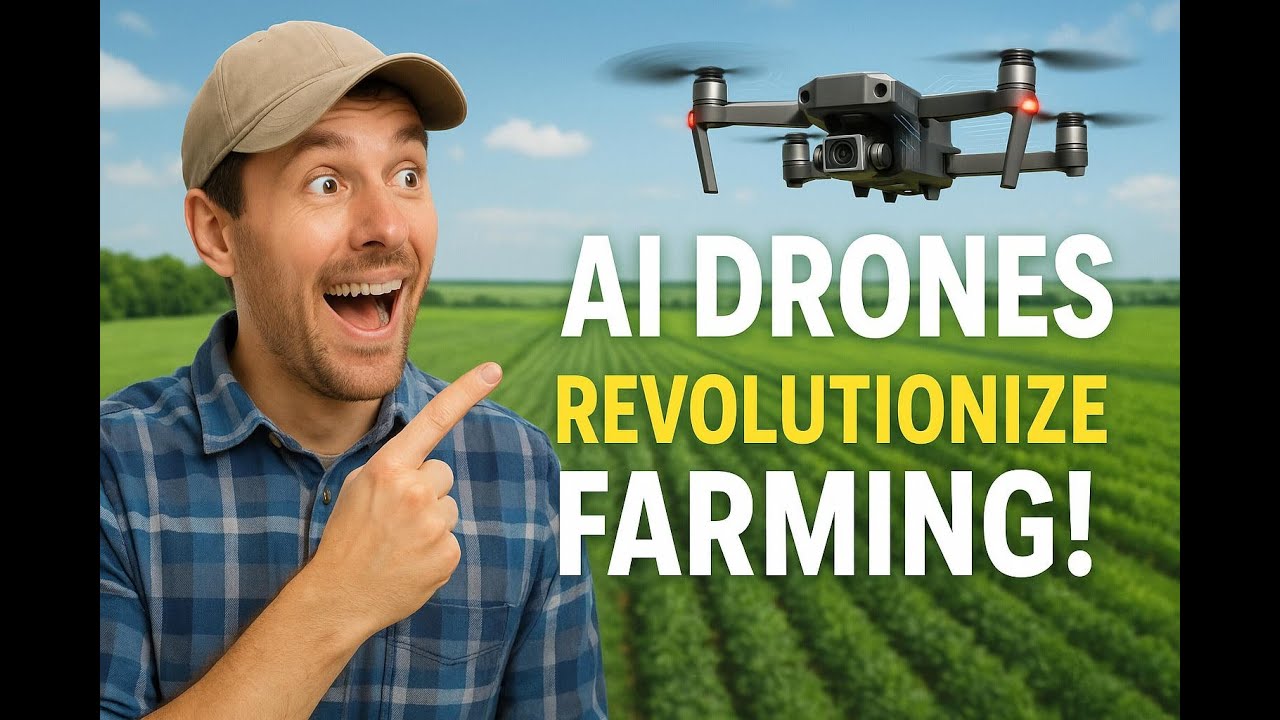
- 📊 Cyber-physical technology, including AI and drones, is fueling demand for agronomists, technicians, and satellite-data specialists.
- ⚡ California agribusinesses require workers who can bridge the gap between traditional techniques and emerging data-driven practices.



Our Farmonaut platform delivers real-time satellite monitoring, AI-based strategies, and blockchain-based traceability for California’s challenging agricultural, environmental, and business needs. Explore our large-scale farm management solutions to improve productivity, save costs, and make your farm future-ready.
Are you developing your own agri-tech tools? Integrate live satellite and weather data for farms in California using our robust Farmonaut Satellite API. Detailed developer docs are available here.

Specialty Crop & Farm Management Roles: 2025–2026
Nearly 70% of California’s agricultural labor force is engaged in specialty crop production. This includes field hands, specialty crop harvesters, farm managers, and technical support experts for crops like almonds, grapes, strawberries, citrus, lettuce, and tomatoes.
What Are Specialty Crop Jobs?
- Picking and packing delicate crops by hand (e.g., berries, table grapes, tomatoes)
- Managing specialty crop operations—irrigation, soil, pest, and disease control
- Technology support—deploying sensors, using farm analytics, and precision machinery
- Quality assurance, food safety, organic and certification compliance

Salary Snapshot: California Specialty Crop & Management Jobs (2025)
- ✔ Specialty Crop Field Worker: $33,000–$44,000/yr
- 📊 Farm Manager (Midlevel): $65,000–$88,000/yr
- 🌟 Pest Management Advisor: $51,000–$72,000/yr
- 💡 Irrigation Superintendent: $39,000–$53,000/yr
- ⚙️ Equipment/Machinery Technician: $44,000–$61,000/yr
California Agriculture Job Trends 2025–2026
| Job Category | Estimated Jobs in 2025 | Projected Growth Rate (2025–2026) | Average Salary | Notable Trends/Skills |
|---|---|---|---|---|
| Specialty Crop Worker | 128,000 | +8% | $36,000 | Manual skill, crop handling, tech literacy (sensors, handhelds) |
| Farm Manager | 29,000 | +6% | $78,000 | Business acumen, data analysis, sustainability, compliance |
| Equipment Technician | 16,200 | +11% | $52,000 | Precision machinery, drones, GPS, IoT integration |
| Irrigation Specialist | 11,450 | +9% | $45,000 | Water conservation, automated systems, soil data |
| Pest Control Advisor | 7,900 | +7% | $61,000 | Integrated pest management, AI-based scouting, eco practices |
| Agribusiness Manager | 21,500 | +10% | $89,000 | Supply chain, marketing, finance, regulatory navigation |
| Sustainability/Organic Advisor | 8,400 | +13% | $67,500 | Organic certification, soil health, carbon tracking |
See our FAQs for career path and job preparation tips!

Challenges Shaping Agriculture California Jobs
- ⚠️ Labor Shortages: Persistent, due to the demanding nature of fieldwork and shifting immigration policy. Seasonal and migrant worker availability directly impacts harvest yields and production output.
- 🏠 Housing & Wages: Rising costs in California placing pressure on farmworker living standards and the financial stability of farming operations.
- 🔥 Climate Change: Droughts, wildfires, and unpredictable weather increase risk, require adaptation, and accelerate the need for water-saving and resilient farming practices.
- 📈 Regulatory Pressures: Complex and evolving compliance requirements related to food safety, environment, and employment practices.
- 🔄 Technology Transition: Fast-evolving technology means some workers need to rapidly upskill or risk job loss.
Automation continues to displace traditional roles, but many specialties—particularly those involving delicate crop handling and real-time adaptation—remain irreplaceable in the near term.

Discover how blockchain-based traceability can help producers and packers in California comply, trace, and maintain authenticity throughout the food supply chain with product traceability solutions from Farmonaut.
California Agriculture Jobs 2026 and Beyond: Opportunities and Outlook
- 🌱 Continued Growth: The sector is anticipated to exceed $78 billion output by 2026, sustaining and growing job opportunities for thousands of workers across skill levels.
- 📊 Upskilling Demand: Agribusinesses prioritize ongoing education in data-driven techniques, climate-resilience, and sustainable agriculture for both entry-level and mid-career professionals.
- 📈 Technology-Driven Jobs: The fastest growth is coming from jobs that blend hands-on farm experience with digital, data, and drone technology skills.
- 🌍 Environment & Sustainability Focus: Roles in carbon accounting, precision irrigation, and soil health continue to rise in value.
- 🤝 Support for Financial Access: Lenders use satellite-based verification for crop loans and insurance, streamlining access for California producers and reducing fraud risk.

- ✔ Resilient and adaptive skills remain the foundation for career longevity in California’s agricultural sector.
- ✔ Multi-role capacity is increasingly rewarded—workers able to cross-function between field, technology, and management are in highest demand.
- ✔ Environmental monitoring and carbon accountability are now must-have skills for leading agribusinesses in California.
- ✔ Advanced satellite monitoring platforms help businesses large and small optimize yields and sustainability goals.
- ✔ Blockchain-enabled traceability is a new “need-to-have” for export and high-value California crops.
Start or advance your agriculture career in California on a strong footing by building expertise in sustainability, technology, and farm management for this vital sector.
Satellite Data & Innovation: How Farmonaut Empowers California Agriculture
We, at Farmonaut, support California’s agriculture sector with cost-effective, scalable, and advanced satellite monitoring, AI-driven advisory, and blockchain-enabled traceability systems. Our platforms are accessible for individual farmers, businesses, and government agencies—all designed to enhance productivity, streamline operations, ensure sustainability, and improve transparency.
- ✔ Real-time crop health monitoring for rapid, data-driven intervention
- ✔ Jeevn AI advisory system for customized strategies in climate adaptation and efficiency
- ✔ Blockchain-based traceability for California food supply chain security
- ✔ Environmental impact monitoring (carbon, water) to help farms comply and thrive under pressure
- ✔ Integrated fleet and equipment management for modern California farm operations
As carbon tracking, product traceability, farm management, and advanced monitoring become essential for California agricultural operations, our affordable, modular Farmonaut Subscriptions deliver state-of-the-art solutions for everyone—from small fields to large-scale agribusinesses, and even for financial access via satellite-backed crop loans and insurance.
Frequently Asked Questions: Agriculture Jobs in California
What are the best-paying agriculture jobs in California in 2025?
Agribusiness Managers, Farm Managers, Pest Control Advisors, Equipment Technicians, and Sustainability/Organic Advisors offer some of the top salaries. Tech and management skills bring higher earning potential.
What skills are needed for agriculture California jobs in 2025–2026?
Technical proficiency (sensors, drone operation, data), sustainability knowledge, regulatory compliance, crop management, and adaptability to new practices are in highest demand.
How is climate change affecting agriculture jobs in California?
Climate pressures are driving job growth in water management, environmental compliance, carbon accounting, resilient crop selection, and tech-driven adaptation roles.
Are most agriculture jobs in California still manual and seasonal?
Manual and seasonal jobs remain essential for many specialty crops, but the share of tech-driven, year-round, and management jobs is rapidly increasing—especially in larger operations.
Is organic farming creating new opportunities?
Yes, California’s ongoing shift to organic and regenerative agriculture significantly increases demand for workers with skills in sustainable practices, soil health, and certification compliance.
What are some supportive tools for farm management in California?
Advanced platforms like Farmonaut offer satellite crop monitoring, AI-driven advisory, product traceability, carbon accounting, and fleet management—all in one ecosystem. See large-scale farm management solutions for more details.
Where do I apply or learn more about satellite monitoring for California agriculture?
Explore the Farmonaut web app, crop loan and insurance solutions, and explore our API integration for developers or agribusiness IT teams.
Conclusion: Your Future in California Agriculture
California’s agriculture sector is in a period of tremendous evolution. Agriculture jobs in California in 2026 and beyond will be shaped by a unique blend of tradition (specialty crop hand work, farm management) and innovation (technology integration, sustainability focus, satellite-driven data, and blockchain-enabled traceability).
As California agriculture continues to power the state and national economy, the opportunities for a rewarding, future-proof career—or smart investment—remain abundant. Build the right foundation: upskill in technology, focus on resilient and sustainable practices, and leverage transformative tools from platforms like Farmonaut to thrive alongside the world’s leading agricultural producers.
For those ready to lead the next generation of California’s agriculture workforce or business, the journey starts with innovation, adaptability, and a clear understanding of the trends that will define success in the years ahead.

 Kisanwala
 Agro La Gándara
 Global Agrifood
 HIPSAC
 ZOL Zimbabwe
 Juligerm
 AdBio
AdBio MISE Maroc
 NWNS
NWNS Red August Group
 Farm Inc
 WeMe Global
 Agrotoken
 Blue BearX
 Insignito
 Croptimum
 DnCubed
 Field Capacity
 Indosistim Teknologi
