

Agriculture Job Openings 2026: Top Emerging Roles
“By 2026, over 40% of new agriculture job openings will require smart farming and sustainability expertise.”



Table of Contents
- Emerging Trends and Opportunities in Agriculture Job Openings in 2025 – 2026
- Agriculture Job Market Overview: 2026 & Beyond
- Growing Demand for Skilled Agricultural Workforce
- Technology Integration and Smart Farming in Emerging Roles
- Sustainable and Organic Agriculture Roles
- Rural Employment & Socioeconomic Impact for 2026
- Challenges and the Future Outlook of Agriculture Employment
- Top Emerging Agriculture Roles: 2025-2026 Trends Table
- Farmonaut: Technology Empowering the Future of Agriculture
- Practical Tips, Mistakes & Insights for Job Seekers
- Frequently Asked Questions
Emerging Trends and Opportunities in Agriculture Job Openings in 2025 – 2026
The agriculture sector stands at a pivotal juncture as global populations continue to rise and environmental challenges intensify. In 2025 and moving into 2026, the world is witnessing a significant surge in agriculture job openings — driven by the need for sustainable farming practices, climate resilience, and technological innovation.
These trends are radically shaping opportunities for both skilled professionals and new entrants in farming, as the traditional boundaries of the sector expand with the integration of AI analytics, digital crop mapping, and supply chain traceability. The agriculture job market is evolving rapidly, offering a diverse range of roles in precision agriculture, data analysis, smart farming, and sustainable food systems.
In this comprehensive guide, we explore the key agricultural job trends for 2026, highlight emerging roles, and provide actionable insights for meeting the growing demand in this vital industry.
“In 2025, demand for skilled precision agriculture specialists is projected to increase by 33% compared to previous years.”
Agriculture Job Market Overview: 2026 & Beyond
Agriculture employment in 2026 is shaped by a unique combination of factors:
- ✔ Technological Advancements: The adoption of AI, IoT, drones, and machine learning is opening new opportunities that go far beyond traditional farm labor.
- ✔ Rising Demand for Sustainable Practices: As global consumers shift towards organic and eco-friendly food, there is a climbing need for experts in sustainable agriculture and resource management.
- ✔ Climate Change and Adaptation: ⚠ Increased frequency of droughts, floods, and weather variability is generating demand for specialists in climate-resilient crops, soil management, and irrigation engineering.
- ✔ Workforce Demographics: 📊 A younger, tech-savvy generation is entering the sector, looking for dynamic, impactful job roles.
- ✔ Policy and Private Investment: Governments and private enterprises globally are introducing programs to promote training, digital literacy, and farmers’ upskilling.
The result? A boom in agriculture job openings, an unprecedented variety of career paths, and a rapidly transforming industry.

Over 65% of the agriculture job openings in 2026 will require hybrid expertise — blending hands-on, practical experience with digital literacy in areas such as data analysis, AI, and remote sensing.
Growing Demand for Skilled Agricultural Workforce
The agricultural workforce is transitioning to accommodate advancements in agri-tech, precision farming, and sustainable practices. Where once traditional agriculture roles dominated, now an increasing number of job openings are created for individuals with technical expertise and specialized agronomy knowledge.
The greatest growth areas for job opportunities:
- 🚀 Precision Agriculture: Emphasizing data analysis, GPS mapping, crop forecasting, and sensors to maximize yields and reduce inputs.
- 🔬 Climate Adaptation: Experts focused on climate-resilient crops, soil conservation techniques, and water management strategies.
- 🤖 Technological Integration: Robotics engineers, IoT specialists, automation professionals, and digital farm managers are highly sought after within new agriculture job openings.
- 🌍 Environmental Sustainability: Professionals dedicated to sustainable food systems, traceability, carbon footprinting, and meeting consumer demands for organic food.
- 🌱 Agricultural Extension and Education: Officers and educators bridging the gap between scientific research and practical agricultural implementation.
With populations expected to rise further, the need for skilled professionals in agriculture will only intensify. Job roles are expanding beyond farms into data labs, digital management offices, and environmental policy.
🔑 Top 5 Technical Skills In-Demand for Agriculture Jobs in 2026:
- 📡 Remote Sensing & Satellite Data Analytics
- 🤖 Automation & Robotics Programming
- 📊 Data Analysis & Precision Agriculture Tools
- 💧 Water Conservation Engineering
- 🌱 Sustainable Farming Consultancy

Strengthen your
resume with certifications in IoT, remote sensing, and data science. Employers in the agriculture sector increasingly prioritize candidates who can integrate emerging technologies in farm management.
Technology Integration and Smart Farming in Emerging Roles
Technology integration is completely transforming the agriculture sector. In 2025 and beyond, we see an unstoppable shift – smart farming technologies like AI-driven analytics, agri-robots, IoT sensors, and drones are reaching mainstream adoption.
- 🚜 Farm Automation Engineers: Oversee the development of AI-powered agricultural machinery.
- 📡 IoT-Focused Farm Operations Managers: Monitor and optimize farm resources using real-time data streams from IoT devices.
- 🛰 GIS and Remote Sensing Specialists: Use satellite imagery and mapping tools to inform crop management decisions.
Farmonaut’s app empowers farm managers with actionable satellite insights, making precision farming accessible to all.
Companies in agritech are hiring experts in robotics, automation, and software development. Smart farming roles are
becoming increasingly attractive to younger talent, offering pathways to work on problems that blend technical innovation with environmental impact.
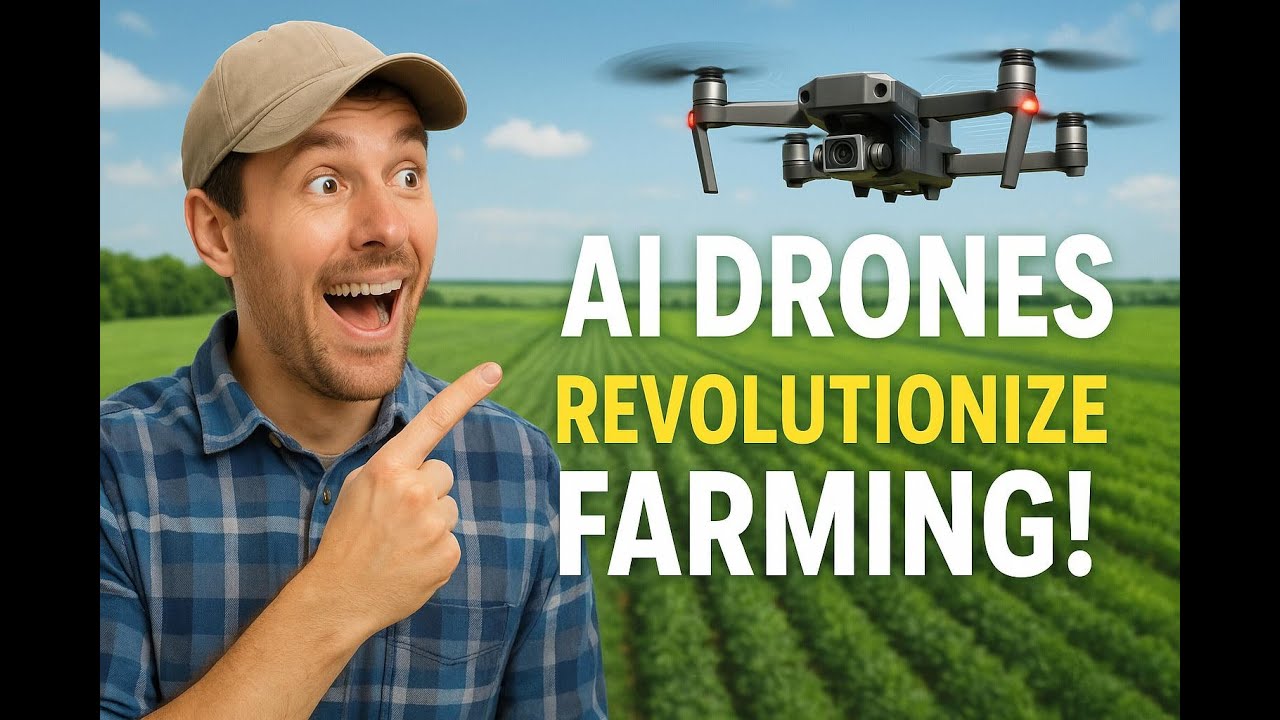
Smart farming and digital agriculture startups are receiving unprecedented funding in 2025–2026, signaling enduring market confidence and long-term job growth across emerging technology roles in agriculture.
🧩 The Smart Farming Stack: Essential Elements in 2026
- 📱 Digital Platforms & Farm Apps
- Farmonaut’s mobile/web app delivers real-time satellite monitoring & AI-based planning.
Explore Farmonaut App
- Farmonaut’s mobile/web app delivers real-time satellite monitoring & AI-based planning.
- 🤖 Robotics & Autonomous Vehicles
- 📡 IoT Sensors & Remote Monitoring
- 💾 Big Data Analytics in Crop Management
- 📦 Blockchain Traceability for Supply Chains
- Blockchain traceability ensures food supply transparency and authenticity for global agricultural stakeholders.
Sustainable and Organic Agriculture Roles
As consumer demand for organic and sustainably produced food surges, the sector is experiencing growth in roles dedicated to eco-friendly farming, sustainable crop management, and soil health.
Examples include:
- 🌱 Organic Farm Manager: Overseeing compliance, certification, and implementation of organic standards.
- 🌳 Agroforestry Specialist: Integrating trees and shrubs into crop systems for climate resilience and biodiversity.
- 🌏 Soil Health Consultant: Utilizing remote sensing, field analytics, and sustainable techniques to improve soil fertility.
- 🛡 Eco-friendly Pest Management Expert: Deploying digital and natural interventions to minimize chemical use.
Farmonaut’s Carbon Footprinting solution supports organizations and professionals in measuring, monitoring, and reducing the carbon footprint of farm operations, aligning with new regulatory and market demands for sustainability.

Overlooking the combination of traditional knowledge and digital skills. Leading employers increasingly expect candidates to demonstrate both, especially in sustainable and organic agriculture job openings.
Sustainability is now a core aspect of agricultural practices. Professionals must be prepared to meet the demands of regulatory frameworks and changing environmental standards.

Rural Employment & Socioeconomic Impact for 2026
Agriculture remains the backbone of rural economies worldwide. In 2026, agriculture job openings are crucial for rural livelihoods, poverty reduction, and socioeconomic stability.
- 🏫 Vocational Training: Programs in modern farming techniques, machinery operation, and agro-processing empower youth and women in rural regions.
- 🛠 Cooperative Farming Managers: Support local groups in digital record-keeping, group purchase, and farm output maximization.
- 💻 Agri-Digital Advisors: Facilitate technology adoption and bridge the digital divide in underserved areas.
Governments and private organizations are investing in training and incentive programs that increase agricultural employment and skills development across farming, logistics, and value addition sectors.
For those residing in rural locales, Farmonaut’s fleet management tools are enabling more efficient machinery utilization and supporting collective farming systems. This is making modern agri-tech accessible to small and medium-sized farms. Discover Farmonaut’s fleet management solutions.

With future advancements in mechanization and digital platforms, those who upskill and participate in rural training programs will be best placed for long-term employment and leadership roles in the agricultural sector.
Challenges and the Future Outlook of Agriculture Employment
Despite the surge in agriculture job openings and market potential, several challenges must be addressed to ensure long-term sustainability and resilience:
- 💡 Upskilling and Digital Literacy: Workers must adapt to roles requiring not just hands-on field experience but also data analysis, IoT operations, and robotics integration.
- 🌍 Bridging Digital Divide: Ensuring technology access and training programs reach rural and disadvantaged populations.
- ☔ Climate-Smart Adoption: Mainstreaming climate-resilient crops and soil conservation via strong partnerships between policymakers, research institutions, and agri-businesses.
- 📑 Regulatory Compliance and Traceability: Keeping up with new rules requiring transparent documentation, carbon tracking, and sustainable inputs.
- 🔄 Change Management: Managing the human and technical aspects of change in a traditionally conservative industry.
Top Emerging Agriculture Roles: 2025-2026 Estimated Trends Table
To support job seekers, HR teams, and decision-makers, we present a snapshot of the most in-demand agriculture roles for 2025–2026 — including core skills, growth rates, and salary guidance.
| Job Role | Estimated Openings (2025–2026) | Growth Rate (%) | Core Skills Needed | Average Salary (Annual, USD) |
|---|---|---|---|---|
| Precision Agriculture Specialist | 6,500+ | 33% | GIS, remote sensing, drone ops, data analytics, crop modeling | $60,000–$87,000 |
| Sustainable Farming Consultant | 4,000+ | 28% | Climate adaptation, soil health, policy compliance, eco-certification | $55,000–$85,000 |
| Agri-Tech Data Analyst | 5,800+ | 35% | SQL, AI, big data, crop & weather analytics, machine learning | $67,000–$95,000 |
| Vertical Farming Manager | 2,900+ | 41% | Hydroponics/aquaponics, LED controls, robotics, supply chain management | $78,000–$115,000 |
| Farm Robotics Engineer | 3,400+ | 39% | Automation, control systems, AI software, mechanical design | $88,000–$124,000 |
| Organic Farm Certification Expert | 1,500+ | 23% | Organic standards, auditing, compliance reporting | $52,000–$72,000 |
| Agri-Blockchain Product Manager | 1,100+ | 37% | Blockchain, supply chain, product management, traceability | $82,000–$122,000 |
| Crop & Water Management Engineer | 3,900+ | 31% | Irrigation, resource planning, remote sensing, conservation tech | $74,000–$99,000 |
| Agricultural AI Software Developer | 2,700+ | 40% | Python/Java, ML algorithms, crop simulation, analytics dashboarding | $95,000–$140,000 |
| Agricultural Extension Specialist | 7,700+ | 18% | Technical training, rural outreach, digital education programs | $45,000–$69,000 |
Note: The above growth rates and salary estimates are based on aggregated industry reports and job market data for North America, Europe, Asia-Pacific, and Africa. Actual values may vary by country, role specification, and employer.
Farmonaut: Technology Empowering the Future of Agriculture Job Openings
At Farmonaut, we are committed to supporting the global agricultural sector by making cutting-edge satellite-driven solutions affordable and accessible for everyone — from farmers to government agencies:
- 💻 Real-Time Crop Monitoring: Our apps deliver up-to-date NDVI analysis, soil health mapping, and vegetation insights directly to users’ hands.
- 🤖 JEEVN AI Advisory System: We empower users and businesses to harness AI-driven recommendations for effective resource management and strategic planning in agriculture and mining.
- 🔗 Blockchain Traceability: Our blockchain product traceability ensures transparency and trust for agricultural supply chains worldwide.
- 🚜 Fleet and Resource Management: We offer advanced fleet and machinery optimization tools, making operations more efficient and reducing costs for growers and agri-businesses.
- 🌍 Environmental Impact Tracking: With services like carbon footprinting, we help monitor sustainability goals and regulatory compliance.
- 🏦 Access to Finance: Crop loan and insurance verification APIs are helping financial institutions assess risk and offer smarter products.
For developers: Our API and API developer docs can be plugged directly into your agriculture solutions for advanced data delivery.

We believe the future of agriculture job openings will be deeply tied to the ability to leverage data-driven solutions and embrace continuous innovation.
Practical Tips, Mistakes & Insights for Job Seekers
- ✔ Focus your learning on high-demand technical skills, especially remote sensing, IoT, and data analysis.
- ✔ Engage in continuous upskilling. Leverage free and paid online courses, digital certifications, and industry webinars.
- ✔ Stay updated with industry trends. Monitor emerging roles and get firsthand experience in precision agriculture projects.
- ✔ Network with professionals and join agritech forums, events, and professional communities.
- ✔ Cultivate flexibility — be open to hybrid jobs combining fieldwork and digital management.
- 🌱 Sustainability: Emphasize expertise in climate-ready crops, water conservation, and carbon footprinting.
- 📊 Data Insight: Data-driven agriculture jobs offer higher salaries and faster career growth than purely manual roles.
- ⚠ Risk: Failing to adapt to digital upskilling can limit access to top agricultural openings.
- 🧑💻 Soft/Hybrid Skills: Communication, collaboration, and technology adoption are all key differentiators.
- 🚀 Future-Proof Jobs: Roles in AI, carbon reporting, robotics will outpace replacements in traditional labor segments.
Frequently Asked Questions
Q1: What are the top skills needed for agriculture jobs in 2026?
The most important skills include remote sensing and GIS, IoT and automation, data science, climate adaptation methodologies, blockchain traceability, and strong communication for extension or managerial positions.
Q2: Are there jobs for non-technical candidates in the evolving agriculture sector?
Absolutely. There is a growing need for extension officers, training staff, organic farm managers, marketing and sustainability trainers, and project managers who understand both agriculture and digital processes.
Q3: How can I access agricultural technology solutions to improve employability?
Platforms like Farmonaut make satellite, AI, and blockchain tools accessible via web, API, and mobile apps, enabling users to integrate real-time monitoring and data-driven decision-making into farm operations.
Q4: Will automation reduce overall agriculture job openings in the next decade?
Not in the near future. While some repetitive roles may decline, automation will create more high-value, creative jobs in data analysis, systems integration, sustainable management, and environmental compliance.
Q5: What is the best way to keep up with new job openings in agriculture?
Stay tuned to respected job portals, industry associations, agritech company websites, and agriculture-focused forums. Additionally, regular engagement with professional networks and up-to-date certifications can give you an edge.
Conclusion: Shaping Agriculture’s Future Workforce
2026 marks a significant turning point for agriculture job openings globally. Integrating technological innovation, environmental stewardship, and digital skills is now a baseline for competitiveness. The most critical opportunities for professionals, new entrants, and businesses alike will be in hybrid roles combining scientific, technical, and managerial expertise.
Farmonaut continues to lower barriers for technology adoption, offering affordable data-driven insights that empower everyone in the agriculture sector. With the right skills and a commitment to continuous learning, individuals can shape – and thrive in – the future of sustainable agriculture and global food security.
Ready to take your place in the new world of agriculture jobs? Download the Farmonaut app or explore our API for developers to begin your journey.

 Hayleys Agriculture
 Linx Agritech
 Adinet
 Save Your Soils
 YelloSkye
 GalaxEye Space
 Grandstream Algérie
 XOS Realty
 Geospatial Lab Africa
 Agro La Gándara
 HIPSAC
 ZOL Zimbabwe
 Juligerm
 AdBio
AdBio MISE Maroc
 NWNS
NWNS Red August Group
 Farm Inc
 WeMe Global
 Agrotoken
