

Table of Contents
- Introduction: Florida’s Expansive and Diverse Agricultural Landscape
- Trivia: Florida’s Agricultural Diversity
- Overview: The Agriculture of Florida
- Florida Agriculture Trends Overview Table
- Trend #1: Regenerative Farming and Soil Health
- Trend #2: Precision Agriculture & Technology Integration
- Trend #3: Climate-Smart and Water-Efficient Practices
- Trend #4: Crop Diversification & Alternative Crops
- Trend #5: Integrated Pest & Disease Management
- Trend #6: Urban & Protected Agriculture
- Trend #7: Sustainability, Stewardship & Land Use Planning
- The Future of Florida Agriculture Land
- How Farmonaut Supports Florida’s Agricultural Evolution
- FAQ: Agriculture in Florida
- Conclusion: Florida Agriculture Land—Rooted in Diversity, Thriving with Innovation
Agriculture of Florida: 7 Trends in Florida Agriculture Land
“Florida produces over 300 different agricultural commodities, making it one of the most diverse farming states in the U.S.”
Overview: The Agriculture of Florida
Florida’s agriculture is an expansive, resource-driven landscape defined by its warm climate, diverse ecosystems, and year-round growing season. This unique combination supports a multi-crop economy, including some of the nation’s top-producing sectors such as citrus, sugarcane, tomatoes, strawberries, peppers, onions, and nursery plants. The agriculture of Florida also encompasses forestry, cattle, and specialty crops, spanning a mosaic of large commercial groves, smaller family-owned farms, and nurseries that supply landscapes across the southeast U.S. and beyond.
Its subtropical to tropical climate offers long growing periods, yet also imposes challenges—including heat stress, drought, hurricanes, and disease pressures—requiring sophisticated management and resilience strategies. The state’s coastal, sandy, and muck soils (notably in the Everglades basin) make drainage, irrigation, and nutrient management critical factors for sustaining yields while protecting water quality.
Florida agriculture land remains dynamic—balancing traditional staples with shifts toward alternative crops, modern practices, and climate-smart management. This transformation is made possible by integrating the latest research, technologies, and best management practices. Below, we explore the major trends reshaping the agriculture land in Florida, examining the keys to its ongoing productivity, environmental stewardship, and sustainable growth.
“Nearly 10 million acres of Florida land are dedicated to agriculture, supporting sustainable practices and climate-smart management.”
Florida Agriculture Trends Overview
| Trend Name | Estimated Affected Land Area (acres) | Major Crops Involved | Key Sustainable Practices | Potential Environmental Impact |
|---|---|---|---|---|
| Regenerative Farming and Soil Health | ~2,000,000 | Citrus, Tomatoes, Peppers, Strawberries | Cover cropping, reduced tillage, composting | Improved soil structure, increased carbon sequestration |
| Precision Agriculture & Technology Integration | ~1,200,000 | Sugarcane, Vegetables, Nursery Plants | AI-driven monitoring, variable rate irrigation/fertilization | Reduced input use, enhanced crop yields |
| Climate-Smart & Water-Efficient Practices | ~1,500,000 | Blueberries, Onions, Tomatoes | Micro-irrigation, water reuse, efficient drainage | Lower water consumption, decreased runoff |
| Crop Diversification & Alternatives | ~800,000 | Blueberries, Avocado, Leafy Greens, Hemp | Rotational systems, protected cultivation | Risk mitigation, market resilience |
| Integrated Pest & Disease Management (IPM) | ~2,500,000 | Citrus, Vegetables, Strawberries | Biological controls, targeted inputs, monitoring | Reduced pesticide use, pollinator protection |
| Urban/Protected Agriculture | ~400,000 | Lettuce, Microgreens, Tomatoes | Hydroponics, aquaponics, greenhouse systems | Conserved land, year-round production |
| Sustainability, Stewardship & Land Use Planning | Statewide (~10,000,000) | All Florida Agricultural Commodities | BMPs, habitat restoration, water quality programs | Overall reduced environmental impact, improved resource conservation |
Trend #1: Regenerative Farming and Soil Health in Florida Agriculture Land
The agriculture of Florida is increasingly defined by a shift toward regenerative farming practices that enhance soil health, restore ecosystems, and build long-term farm resilience. These efforts are critical not only for crop production but also for protecting Florida’s unique biodiversity and coastal landscapes.
What Is Regenerative Agriculture?
Regenerative agriculture focuses on replenishing soil organic matter, boosting microbial diversity, and improving water retention. Practices such as cover cropping, reduced tillage, composting, rotational grazing, and integrated pest management are steadily gaining adoption across agriculture land in Florida.
- 🌱 Cover Cropping: Adds biomass, fixes nitrogen, reduces erosion
- 🔥 Reduced Tillage: Protects soil structure, boosts water holding capacity
- 💧 Composting: Raises organic content and nutrient holding
- 🐝 Pollinator Strips: Attracts beneficial insects into farms
Key Insight
Enhancing soil health with regenerative farming directly improves yield stability, reduces input costs, and can even sequester carbon—helping farms capitalize on emerging climate-smart incentives.
Florida Soils: From Sandy to Muck
The state is home to an array of soils, including sandy soils in the central and coastal areas, and highly organic muck soils in the Everglades Agricultural Area (EAA). Each demands specialized management:
- Sandy Soils: Drain rapidly but require frequent irrigation and additions of organic matter.
- Muck Soils: Rich in nutrients, but drainage and nutrient leaching/management are critical for crop health.
Pro Tip
Adopting cover crops on sandy soils and fine-tuning drainage on muck soils can dramatically boost both productivity and sustainability outcomes.
Trend #2: Precision Agriculture & Technology Integration in Florida Farming
Modern Florida agriculture land is being revolutionized by precision agriculture and the integration of cutting-edge satellite, AI, and remote sensing technologies. Farm management increasingly relies on data to optimize resource allocation, irrigation, fertilizer application, and pest control.
- 📡 Satellite Imagery: Real-time crop monitoring, field health assessment
- 🤖 AI-Driven Insights: Plant stress alerts, yield forecasting
- 🚜 Variable Rate Technology: Targeted fertilizer or irrigation in fields
- 🛰️ Drones & Sensors: Disease scouting, soil moisture mapping
Precision agriculture helps producers lower costs, meet sustainability goals, and quickly respond to emerging challenges such as drought, pest infestations, and nutrient runoff. Across central Florida and the southeast, large operations and specialty nurseries are now employing these tools for a diverse array of crops.
Common Mistake
Underutilizing available satellite and AI-based tools can leave money and efficiency gains on the table. Regular digital field diagnostics unlock powerful insights for every grower.
These advanced technologies allow for pinpoint irrigation systems that respond to soil moisture, plant stress, and real-time weather data. They also streamline drainage management and the timing of field operations, especially in variable climate conditions.
- ✔ Key benefit: Precision technology supports sustainable production with less input waste and better economic margins.
- 📊 Data insight: Florida farms using digital diagnostics report up to 20% reductions in fertilizer use and improved yields.
- ⚠ Risk: Neglecting periodic soil and plant health mapping can lead to over-irrigation or missed early pest threats.
- 🌱 Sustainability: Targeted applications prevent overuse and slow down resistance buildup in pests and weeds.
- 🔗 Scalability: Mobile and web-based precision ag platforms mean small to very large Florida operations benefit equally.
Explore advanced, affordable satellite agriculture solutions for crop health monitoring and real-time advisory on the Farmonaut platform. Whether you manage a large commercial citrus grove, vegetable fields, or specialty nurseries, these tools drive sustainable and profitable choices.



Integrate API-based monitoring into your agri-business platform with the Farmonaut API and get started with development using the API Documentation.
Trend #3: Climate-Smart and Water-Efficient Practices in Florida Agriculture Land
With water scarcity, hurricanes, and rising temperatures challenging productivity, climate-smart management is non-negotiable for Florida agriculture land. Water stewardship and conservation are taking center stage—especially in central, coastal, and Everglades areas where seasons swing between deluge and drought.
- 💦 Micro-Irrigation: Delivers moisture exactly where needed, slashing waste and increasing efficiency
- 🚲 Rainfall Capture: Keeps farms resilient during dry seasons by trapping and utilizing rainwater
- 🔄 Drainage Canals & Infrastructure: Prevents field flooding during hurricanes and storms, crucial in muck areas
- 🧊 Water Reuse: Treated water is repurposed for irrigation, reducing strain on aquifers
Key Insight
Water management innovations—like those used in sugarcane and vegetable fields—are helping Florida agriculture land outpace drought, reduce nutrient runoff, and maintain regulatory compliance near sensitive areas.

Water conservation is especially vital in the muck soils of the Everglades basin, where careful drainage prevents both flooding and the loss of invaluable organic soil through oxidation. Intensive research is focused on improving the efficiency of drainage canals, pump stations, and sub-irrigation systems—core to sustained field production across Florida’s agricultural heartland.
Investor Note
Growing interest in water-saving precision irrigation technology and smart drainage infrastructure creates opportunities across Florida’s rapidly modernizing farming sector.

- ✔ Year-round monitoring is essential in areas facing rapid changes in rainfall or heat.
- 📊 Data: Farms using micro-irrigation in Florida achieve 30–40% water savings versus traditional systems.
- 💡 New regulation: 2025’s fertilizer bans in sensitive regions are pressuring producers toward environmentally friendly water and nutrient management.

Read more about how satellite-driven carbon footprinting and water impact monitoring can transform compliance, stewardship, and farm profitability.
Trend #4: Crop Diversification & Alternative Commodities on Florida Agriculture Land
Climate variability, disease pressures (citrus greening, anyone?), and volatile global markets make crop diversification a must for Florida. This trend includes a greater focus on:
- 🫐 Blueberries: Expanding in central and north Florida with success in new soils/greenhouse varieties
- 🥑 Avocado & Tropical Fruits: A rising star in southern zones as citrus acreage contracts
- 🥬 Leafy Greens: Fast-growing hydroponic and urban-farm sectors for urban markets
- 🌱 Hemp & Specialty Crops: Targeted production for fibers, oils, and premium health products
The move toward alternative crops, rotational planting, and the adoption of fresh and frozen value-added products helps buffer farms against market shocks and supports soil and disease management.

- 🌍 Resilience: Diverse farms ride out price and weather swings with more stability.
- 🛡️ Disease Mitigation: Rotations and alternatives prevent monoculture-induced pest outbreaks.
- 🌆 Local Markets: Protected crops supply urban and regional buyers quickly, maximizing freshness.
Pro Tip
Pair crop diversification with value-added processing—like freezing, juicing, or dehydration—for premium prices and improved shelf life of Florida-grown produce.
The rise of protected cultivation and data-driven crop planning is further supported by platforms like Farmonaut’s large-scale farm management app, which provides real-time monitoring and multi-crop advisory for diversified, sustainable production.
Market Expansion
Frozen blueberries and diversified value-add products are taking Florida agriculture from commodity to specialty, capturing new domestic and export markets.
Trend #5: Integrated Pest & Disease Management (IPM)
With the spread of citrus greening and other emerging diseases, integrated pest management (IPM) has become a cornerstone of agriculture in Florida. IPM emphasizes:
- 🦋 Biological Controls: Natural predators, biopesticides, and beneficial insects
- 💊 Targeted Protective Sprays: Based on real-time monitoring, not calendar schedules
- 👀 Crop Scouting & Surveillance: Satellite, drone, and sensor-based alerts
- 🌱 Disease-Resistant Varieties: Research-driven adoption of new cultivars for citrus, tomatoes, and berries

These best management practices (BMPs) reduce pesticide usage, cut costs, minimize resistance build-up, and maintain pollinator health. Targeted, tech-supported scouting is playing a larger role as farms scale up and diversify, especially near the Everglades and sensitive watersheds.
Pro Tip
Leverage blockchain-based traceability systems, like those offered via Farmonaut’s traceability solution, to verify IPM protocol compliance. This transparency improves access to premium, safety-conscious markets.
🌺 Top Bio-Based Pest Control Tools in Florida:
- 🪲 Beneficial insects – Ladybugs, lacewings released in nurseries/fields
- 🌾 Bacterial biopesticides – Bacillus thuringiensis for vegetable pests
- 🌱 Spinach-peptide sprays – Targeting citrus and solanaceous crop viruses
- 🦠 Fungal antagonists – Outcompeting root and foliar pathogens
Trend #6: Urban & Protected Agriculture—Meeting Urban Demand and Conserving Land
The rise in urbanization and consumer demand for fresh, locally grown produce year-round has triggered a surge in urban and protected agriculture across Florida. This includes:
- 🏢 Hydroponic farms in city centers—lettuce, microgreens, and tomatoes
- 🏡 Greenhouse and vertical farms for strawberries, peppers, and culinary herbs
- 🌇 Shipping container farms repurposed for high-density, climate-controlled growing
- 🪴 Ornamental nurseries meeting urban and landscaping demands across the Southeast
🌟 Key Advantages of Urban/Protected Farming:
- 🍃 Uses less land per crop (valuable in urban/expensive regions)
- 💧 Up to 90% savings in water use vs. field growing
- 🌡️ Year-round, weather-independent harvests
- 🚚 Proximity to urban markets = fresher, faster deliveries
- 🌱 Reduced risk of field-disease outbreaks
Nurseries and ornamentals remain a powerhouse, with rootstocks and landscape plants supplying markets well beyond Florida—making this a vital segment for farm diversification and economic resilience.
Food Security Callout
Expanding protected cultivation ensures Florida’s major metro areas enjoy reliable, nutritious, and sustainably-grown produce year-round—even if outdoor fields face hurricanes or droughts.
Trend #7: Sustainability, Stewardship & Integrated Land Use in Florida Agriculture
Across Florida agriculture land, stewardship and responsible land use planning form the backbone of long-term productivity and conservation. Best management practices (BMPs) are being implemented at scale, including:
- 🌿 Riparian buffer creation—to filter runoff before it hits waterways
- 🌲 Habitat restoration and wildlife corridors—integrated on large-field farms
- 🖥️ Real-time environmental monitoring—tracking resource use and compliance
- 🌊 Participation in water quality improvement projects—especially adjacent to Everglades and coastal wetlands
Investor Note
Florida’s focus on ecosystem-based land use and stewardship is opening new markets for farms participating in carbon trading and third-party sustainability certifications—expanding revenue opportunities beyond commodity sales alone.
Pathways for large-scale sustainability adoption include satellite fleet & resource management for machinery traceability, live emission tracking, and full operation oversight. These solutions fit the latest models for sustainable farm planning, reporting, and compliance across every sector from citrus to forestry to nurseries.
Farmonaut Subscription Tiers for Florida Agriculture
The Future of Agriculture in Florida: Resilience, Diversification & Sustainability
Looking ahead, Florida agriculture land will continue to be shaped by the need to adapt to evolving climate, economic, and regulatory environments. Resilience—enabled by disease-resistant cultivars, smarter water management, climate-smart farming, and greater crop diversification—is the clear path forward.
Key areas to watch:
- 🌱 AI & Satellite Expansion: Next-generation platforms for monitoring every acre, crop, and machine
- 📈 Value-Add: Growth in processed, frozen & gourmet product lines vs. bulk commodities
- 🌲 Ecosystem Restoration: Farms as partners in waterway and wildlife corridor restoration—especially near Everglades and coastal wetlands
- 🧬 Biotech Crops/Varieties: Further development of pest/disease resistant lines for Florida’s subtropical climate
- 🛡️ Risk Management: Use of blockchain, traceability, and smart insurance for protection against volatility
As Florida’s agriculture land continues to evolve, both large commercial and small family farms will draw from a common strategy: integrate advanced technologies, diversify into specialty and protected crops, and uphold strong commitments to stewardship.
Sustainability Wins
Adoption of sustainable, precision-driven farming not only strengthens environmental outcomes but is increasingly tied to premium market access and long-term farm viability.
How Farmonaut Supports the Agriculture of Florida
We at Farmonaut are committed to empowering Florida producers, farm managers, and agri-businesses with real-time, affordable, and innovative tools for sustainable agriculture. Our solutions are designed to:
- 🛰️ Monitor large and small-scale fields from citrus groves to nurseries, using multispectral satellite imagery for crop and soil health assessment
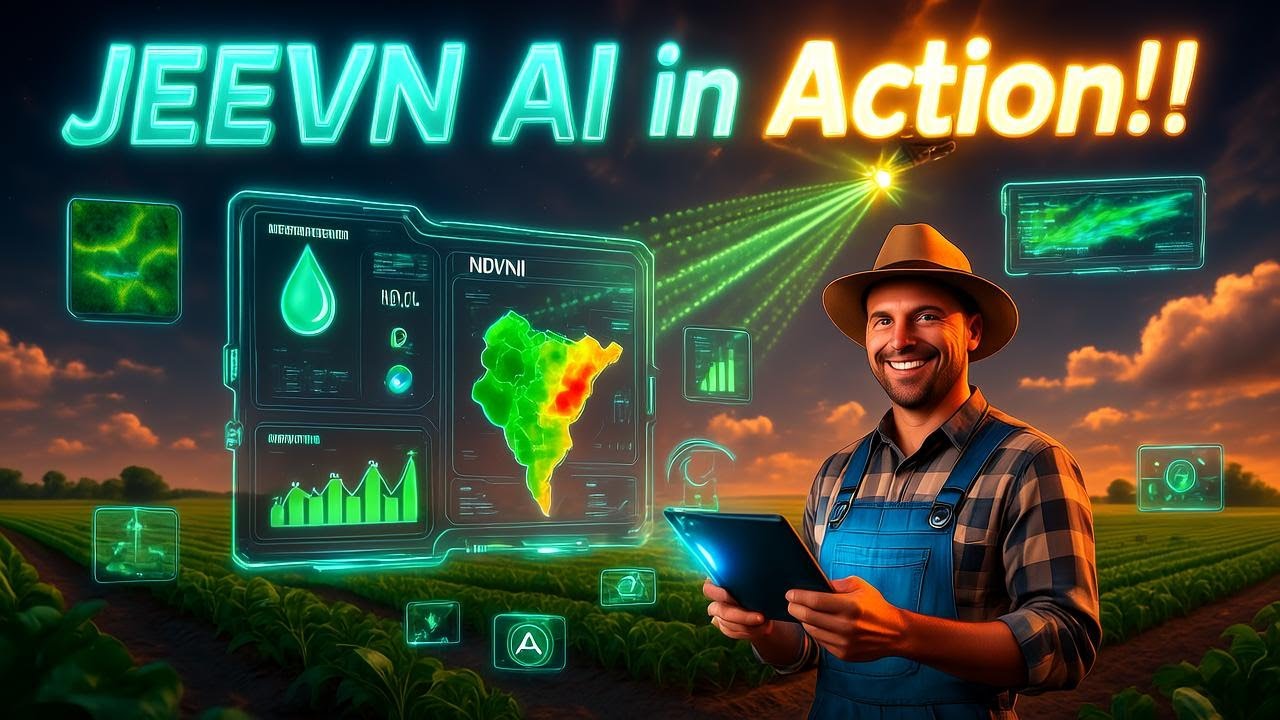
- 🤖 Deliver AI-driven insights via our Jeevn AI advisory—providing weather, irrigation, and risk alerts tailored for Florida’s climate
- 🔗 Enhance supply chain transparency through blockchain-based traceability for every crop and operation
- 🌎 Measure environmental impact with carbon footprint and water stewardship reporting—meeting current and upcoming regulatory demands
- 🚜 Optimize resource, fleet & machinery management for efficiency and compliance with state BMPs
With a modular platform available on Android, iOS, desktop, and via API, Farmonaut technology scales from family-owned farms to large commercial operators and government agencies across Florida.
Integrate satellite verification for loans and insurance by learning more about our crop loan and insurance solution.
For developers and agri-tech companies, enhance your custom solutions with the Farmonaut API (API Developer Docs).
Frequently Asked Questions: Florida Agriculture Land
Q. What are the leading crops produced on Florida agriculture land?
A. Florida is a national leader in citrus (oranges & grapefruit), sugarcane, tomatoes, strawberries, peppers, onions, blueberries, and ornamental nursery plants.
Q. Why is water management so critical in Florida farming?
A. The state’s variable climate (from droughts to hurricanes), highly sandy and muck soils, and proximity to sensitive ecosystems make optimized irrigation and drainage crucial for both crop yields and environmental protection.
Q. What threats do citrus growers face in Florida?
A. Citrus greening disease (HLB), hurricanes, pests, and global market pressure have caused a shift from large-scale monocropping to a diversified, resilient model using innovative technology and practices.
Q. How are sustainability and stewardship being implemented?
A. Through Best Management Practices (BMPs), water-saving systems, environmental monitoring, buffer zones, and heavy investment in tech-driven traceability and resource management.
Q. What resources exist for ag-tech and data-driven farming in Florida?
A. Platforms like Farmonaut provide satellite-based monitoring, AI advisory, blockchain traceability, and resource management tools accessible for farms of any size.
Conclusion: Florida Agriculture Land—Diverse, Dynamic and Sustainable
The agriculture of Florida is a story of adaptation and innovation, rooted in diverse land resources and powered by an evolving blend of tradition, technology, and stewardship. From the citrus groves of central Florida to sugarcane fields in the Everglades basin, urban nurseries, and emerging specialty crops, Florida agriculture land remains:
- 🌞 Expansive—Spanning nearly 10 million acres across farms large and small
- 🌎 Diverse—Producing 300+ commodities, rapidly adding new crops and technologies
- 💧 Water-savvy—Invested in cutting-edge irrigation, drainage, and conservation
- 👨🌾 Labor and innovation-driven—Backed by multigenerational farms, agri-businesses, and a thriving research and extension community
- 🌱 Sustainable—Balancing production with ecosystem restoration and smart management for future generations
Stay informed, adopt climate-smart farming practices, and harness digital technology to thrive in the ever-evolving landscape of agriculture in Florida.
Whether you’re a grower, investor, agri-business, or policymaker—Florida is a blueprint in sustainable, resource-driven agriculture positioned for both productivity and resilience well into the future.
Ready to monitor and manage your Florida agriculture land with satellite technology? Explore Farmonaut’s platform and start your smart agriculture journey today.
Discussion
Questions, corrections or field experience? Share them below. First-time comments are reviewed before they appear, and your email is never published.
No comments yet. Be the first to add a question or your experience.

 Deepak Fertilisers & Petrochemicals
 Sapoznick Farms
 Agrotoken
 Blue BearX
 Insignito
 Croptimum
 DnCubed
 Field Capacity
 Indosistim Teknologi
 Liquify Digital
 CU Foods
 BeyondTech Global
 Rouge VC
 AgroGreen Dynamics
 AgroRisk
 Oath Inc
 Reddane Farming
 Esri North East Africa
 Licence holder · Niger · Gold










