

Agriculture of Louisiana: 7 Key Innovations for 2026
- Introduction: The Evolving Agriculture of Louisiana
- Key Agricultural Products and Practices in Louisiana
- 7 Key Innovations Shaping Agriculture of Louisiana for 2026
- Livestock, Animal Agriculture, and Aquaculture
- Forestry & Agroforestry Integration in the State Landscape
- Comparison Table: Key Agricultural Innovations in Louisiana for 2026
- Challenges and Opportunities Facing Louisiana’s Agriculture Sector
- Digital Tools, Satellite Monitoring & Farmonaut Solutions
- FAQs: Agriculture of Louisiana in 2026
- The Future Outlook: Louisiana’s Vital Agricultural Identity
- Conclusion
Introduction: The Evolving Agriculture of Louisiana
The agriculture of Louisiana in 2025 and heading into 2026 is a remarkable story of transformation, resilience, and technological prowess. Positioned as a vital component of both the state’s economy and cultural identity, Louisiana’s agricultural sector contributes substantially to local livelihoods and national food security.
With its rich alluvial soils, humid subtropical climate, and extensive river systems, Louisiana possesses unique advantages that nurture a diverse landscape—from row crops to livestock and aquaculture. As we approach 2026, sustainable farming practices, precision agriculture techniques, and innovative management tools are shaping a resilient, high-performing food system ready to meet evolving environmental and economic challenges.
Key Agricultural Products and Practices in Louisiana
Louisiana is renowned for its diverse agricultural products, which continue to sustain the state’s economy and identity. The agricultural landscape comprises multiple leading crops and adaptable practices, including:
- ✔ Sugarcane: The leading crop in Louisiana—a powerhouse of the state’s agricultural sector.
- ✔ Rice: Particularly successful in the Macon Ridge and Grand Prairie regions.
- ✔ Soybeans & Cotton: High-impact row crops supporting both local economies and international trade.
- ✔ Pecans, Sweet Potatoes, Corn: Specialty crops that thrive in the state’s rich alluvial soils.
- ✔ Livestock: Beef cattle, poultry, and swine forming the backbone of rural Louisiana’s animal agriculture.
- ✔ Aquaculture: Gulf-sourced shrimp, catfish, crawfish, and oysters—an integral part of local cuisine and livelihood.
The agriculture of Louisiana is not only about robust production but also about embracing technological advancements, sustainable practices, and environmental management that optimize yield while minimizing impact.

Sustainable Farming and Climate-Smart Agricultural Practices
As irregular weather patterns and climate change bring new challenges, farmers in Louisiana have turned to sustainability and precision techniques:
- 🌱 Soil Moisture Sensors: To optimize irrigation, reduce chemical inputs, and conserve water.
- 📡 GPS-Guided Equipment: For field mapping, efficient equipment use, and resource distribution.
- 🛰️ Drone Surveillance: Enables real-time field monitoring, pest control, and rapid problem detection.
- 🌾 Rotation and Cover Cropping: Maintaining soil health while naturally controlling pests and fostering organic matter buildup.
- 🦗 Integrated Pest Management (IPM): Minimizing synthetic chemical reliance by incorporating biological and cultural controls.
These technologies and approaches enable Louisiana’s farmers to maximize yield and reduce environmental impact—all while making the sector far more resilient.

7 Key Innovations Shaping Agriculture of Louisiana for 2026
The agriculture of Louisiana is undergoing a major technology shift. Below, we detail seven key innovations that drive growth, resilience, and sustainability in Louisiana’s farming sector for 2026:
- Precision Agriculture & Satellite Monitoring
- Smart Irrigation Systems & Water Management
- Climate-Smart & Regenerative Practices
- Biotechnology & Pest-Resistant Seed Varieties
- Automation, Robotics & Digital Farm Management
- Blockchain Traceability & Data Integration
- Agroforestry & Diversified Land Use
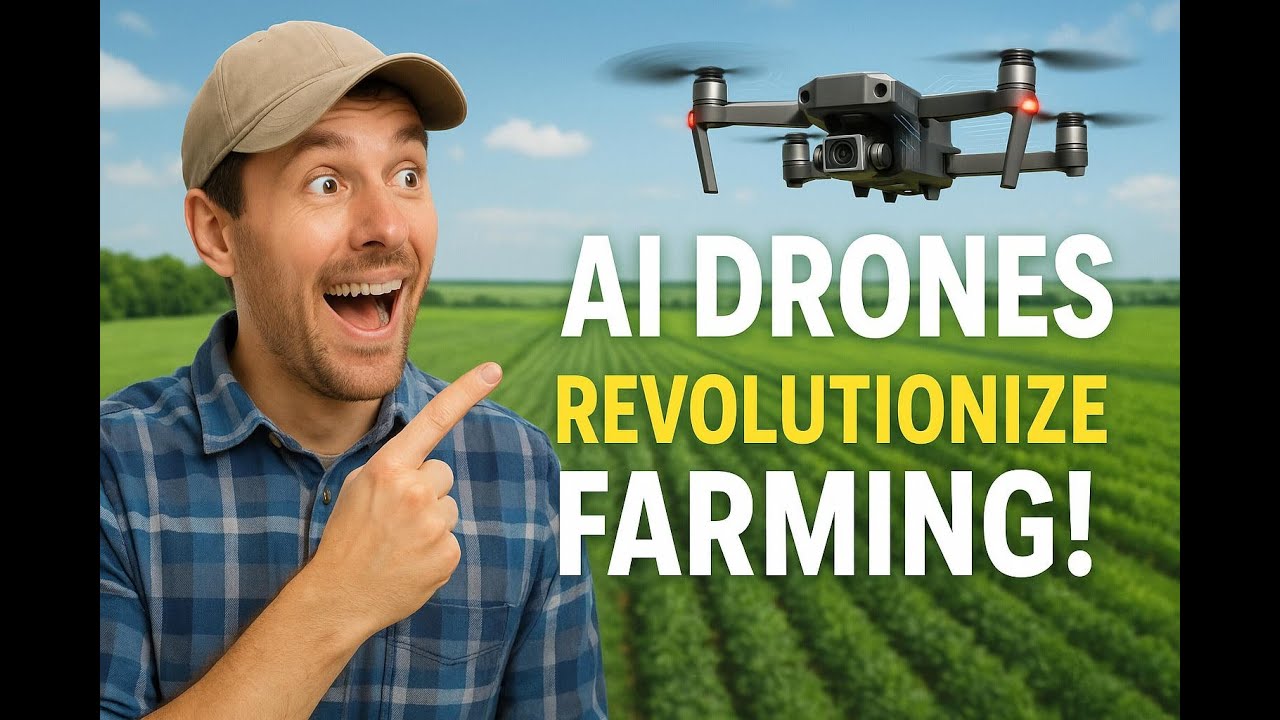
1. Precision Agriculture & Satellite Monitoring
Precision agriculture harnesses advanced tools—satellite imagery, sensors, GPS equipment, and drones—for data-driven decision making. Over 60% of Louisiana farms are already using some form of precision agriculture tools by 2025, making the state a leader in agricultural innovation—especially for key crops like soybeans, cotton, rice, and sugarcane.
- 📊 Data Insight: Field zones analyzed for moisture, nutrient, and pest variances via satellite-based apps.
- 🚜 Equipment Optimization: GPS-guided tractors reduce input waste and support variable-rate applications.
- 🌱 Soil Health: Near real-time monitoring drives targeted interventions, improving yield and minimizing soil degradation.
We at Farmonaut empower farms with satellite crop health monitoring, making these insights widely accessible (Try Farmonaut App, API, Developer Docs).





2. Smart Irrigation Systems & Water Management
Water scarcity and irregular weather patterns—including droughts and floods—have led to state-wide adoption of smart irrigation techniques. Louisiana’s rice growers, especially in Macon Ridge and Grand Prairie, increasingly adopt:
- 💧 Soil Moisture Monitoring: Sensors ensure precise irrigation schedules and conserve water
- ☁️ Weather Forecast Integration: Irrigation adjusts to real-time or forecasted rainfall
- ♻️ Runoff Management: Smart levees and gated pipes mitigate water loss & environmental impact
- 📱 Remote System Access: Farmers can activate/adjust irrigation via smartphone or desktop
Proper water management is critical for both crop productivity and environmental stewardship in Louisiana agriculture.

3. Climate-Smart and Regenerative Agriculture Practices
Amid intensifying climatic challenges, climate-smart agriculture practices are essential to safeguard future crop production and soil health.
- 🌎 Carbon Footprinting: Tracking and reducing the carbon footprint on Louisiana’s farms (Explore Carbon Footprinting Solution).
- 🌱 Regenerative Techniques: Cover cropping, crop rotation, minimal tillage, and organic matter enrichment.
- ☘️ Increased Resilience: Mitigating drought and pest risks via diversified plantings and healthy soils.
- 💡 Climate Action Compliance: State-supported incentives for sustainable farm management.
4. Biotechnology and Pest-Resistant Seed Varieties
Facing ongoing challenges from pests, diseases, and extreme weather, Louisiana’s farmers increasingly rely on biotechnology innovations:
- 🔬 Genetically Improved Seed Varieties: Drought– and pest-resistant seeds for soybeans, cotton, rice, and sugarcane.
- 🛡️ Reduced Pesticide Reliance: IPM strategies integrated with smart scouting/detection.
- 📈 Higher Yields & Input Efficiency: Resilient crops thrive despite shifting climatic patterns and minimized chemical inputs.

Innovations reduce environmental impacts and optimize inputs—a hallmark of sustainability in Louisiana’s agricultural sector.
5. Automation, Robotics & Digital Farm Management
Labor shortages have expedited the adoption of robotics—from autonomous tractors in sugarcane and cotton fields to AI-driven scouting and weeding drones.
- 🤖 Lower Labor Dependency: Autonomous machinery for planting, harvest, and crop monitoring.
- 💻 Digital Farm Management: Platforms coordinate logistics, fleet management, and field operations (Explore Fleet Management).
- 📦 Resource Efficiency: Apps and satellite-powered dashboards optimize input use, timing, and acreage allocation.
6. Blockchain Traceability & Data Integration
Supply chain transparency in Louisiana agriculture has become paramount for food safety, export documentation, and consumer trust:
- 🪙 Blockchain Traceability: Secure record-keeping from field to fork (Explore Product Traceability).
- 🗂️ Data Integration: Real-time field, warehouse, and logistics updates for traceable, high-value Louisiana crops (e.g., rice, pecans).
- 👨⚖️ Regulatory Compliance: Automated supply chain audits and certifications for international markets.
7. Agroforestry & Diversified Land Use
Agroforestry is gaining momentum as farmers integrate trees, row crops, and livestock grazing for diversified and sustainable farmscapes:
- 🌳 Tree Crop Integration: Pecans, fruit trees, and timber species enrich farm biodiversity and supplement income.
- 🐄 Pasture Rotation: Mixed cropping and controlled grazing enhance soil health.
- 🍃 Ecological Benefits: Agroforestry systems sequester carbon, improve water cycles, and foster wildlife habitats.
These innovative models future-proof Louisiana farms against environmental shocks and market volatility.
Comparison Table of Key Agricultural Innovations in Louisiana for 2026
| Innovation Name | Description | Estimated Adoption Rate (2025) | Main Benefits | Leading Crop/Application |
|---|---|---|---|---|
| Precision Agriculture & Satellite Monitoring | Data-driven field management with satellite imagery, GPS, and sensors | 60%+ | Maximized yield, minimized inputs, enhanced resource efficiency | Sugarcane, Rice, Soybeans, Cotton |
| Smart Irrigation Systems | Soil moisture monitoring and automated water delivery | 55% | Water savings, drought resilience, reduced environmental runoff | Rice, Corn, Pecans |
| Climate-Smart Practices | Regenerative cropping, cover cropping, carbon tracking | 45% | Improved soil health, carbon sequestration, climate resilience | Pecans, Cotton, Sugarcane |
| Pest-Resistant Seed Varieties | Genetically improved crops for pest, disease, and drought tolerance | 52% | Decreased pesticide use, lower crop loss, higher yields | Soybeans, Cotton, Rice |
| Farm Automation & Robotics | AI-powered machinery, autonomous drones, digital logistics | 40% | Reduced labor costs, increased efficiency, real-time monitoring | Sugarcane, Cotton, Livestock |
| Blockchain Traceability | Transparent supply chain records and quality verification | 28% | Food safety, market access, consumer trust | Rice, Pecans, Aquaculture |
| Agroforestry Integration | Tree crops and rotational livestock-crop systems | 33% | Biodiversity, supplemental income, soil conservation | Pecans, Grazing, Sweet Potatoes |
📌 Seven Pillars of Agricultural Innovation: Visual Recap
- 🚀 Precision Technology – actionable field insights
- 💧 Smart Irrigation – conserve and optimize water
- 🌱 Regenerative Practices – restore soils, sequester carbon
- 🦠 Pest-Resistant Varieties – higher yield, lower loss
- 🤖 Farm Automation – labor efficiency
- 🔗 Blockchain Traceability – transparency & trust
- 🌳 Agroforestry Integration – resilient, diversified landscapes
Livestock, Animal Agriculture, and Aquaculture in Louisiana
Animal agriculture remains a cornerstone of the rural economy in Louisiana. Cattle ranching (beef production), poultry, and swine operations flourish amid ample grazing land and a favorable climate.
- 🐄 Cattle Ranching: Leveraging advanced genetics, pasture management, and animal health monitoring.
- 🐔 Poultry & Swine: Implementing nutrition-optimized feeds and biosecure facilities.
- 🔬 Disease Prevention: Automated alerts and data-driven animal health interventions.
Aquaculture is especially robust due to the state’s proximity to the Gulf of Mexico and extensive river systems. Louisiana leads in both volume and quality of shrimp, catfish, crawfish, and oysters.
Visual List: Louisiana’s Animal Agriculture Hotspots
- 📍 Macon Ridge & Grand Prairie: High-value rice and beef production zones
- 🦐 Southern Parishes: Shrimp and oyster aquaculture clusters
- 🌾 Sugarcane Belt: Cattle and poultry integrated with row crop farming
Forestry & Agroforestry Integration in the State Landscape
Louisiana’s forests—especially the vast pine forests—support timber, pulpwood, and the revitalization of agroforestry systems:
- 🌲 Timber Production: Forestry as a diversified revenue stream for farmers
- 🌰 Pecan and Fruit Trees: Integrated as windbreaks and supplementary crops
- 🌾 Mixed Grazing: Enhancing pasture yields with shade and shelter from tree cover
Agroforestry integration reduces erosion, buffers extreme weather events, and actively contributes to biodiversity and environmental health.
Challenges and Opportunities Facing Louisiana’s Agriculture Sector
Despite its natural advantages, the agriculture of Louisiana must continually adapt to persistently evolving challenges:
Top 5 Challenges for 2026
- ⚠ Climate Risks: Increased floods, hurricanes, drought, and shifting weather patterns
- 💸 Input Costs: Escalating fertilizer, fuel, and feed expenditures
- 👷 Labor Shortages: Accelerating need for automation and robotic technologies
- 🔗 Regulatory Demands: Compliance for food safety, environmental, and export standards
- 🌐 Market Volatility: Pressure from global commodity prices, international trade fluctuations
Louisiana farmers counter these headwinds via innovations, sustainability incentives, and adaptive management solutions (Learn about crop-based financing & insurance).
Digital Tools, Satellite Monitoring & Farmonaut Solutions
Access to actionable, real-time data is remaking the agriculture of Louisiana. Satellite-driven platforms deliver:
- 📡 Remote Sensing: Crop health, moisture, and yield mapping from space
- 🧠 AI-Based Advisory: Personalized weather, pest, and input recommendations
- 🔗 API Integration: Direct data feed for enterprise and developer use (API Access, Developer Documentation)
- 🌱 Environmental Monitoring: Real-time carbon footprinting tools and impact tracking
- 🔒 Blockchain Traceability: End-to-end supply chain records for food safety (Explore Traceability)
- 🚜 Fleet & Resource Management: Digital oversight for vehicles and farm machines (See Fleet Tools)
Frequently Asked Questions – Agriculture of Louisiana, 2026
- What are the most important crops for the agriculture of Louisiana in 2026?
Answer: Sugarcane, rice, soybeans, cotton, sweet potatoes, corn, and pecans remain the key crops in Louisiana’s diverse agricultural portfolio. - How are Louisiana farmers adapting to climate change?
Answer: Through climate-smart practices, regenerative agriculture, smart irrigation, diversification (including agroforestry), and real-time satellite monitoring tools. - Which areas in Louisiana are leading in rice production?
Answer: The Macon Ridge and Grand Prairie regions are premier rice-growing hotspots using smart water management and climate-smart techniques. - What role does digital technology play in Louisiana agriculture’s future?
Answer: Digital tools like satellite-based apps, AI decision support, and blockchain traceability systems are critical for yield, resource use, and compliance. - How can Farmonaut’s services help Louisiana farm managers?
Answer: We provide affordable remote crop health monitoring, fleet and resource management, blockchain-based supply chain traceability, and environmental impact tracking via satellite and AI—helping all farm sizes evolve in a changing landscape.
The Future Outlook: Louisiana’s Vital Agricultural Identity
The agriculture of Louisiana in 2026 stands as both a powerhouse of production and a model for sustainability in the Southern United States. By fusing traditional strengths—such as access to rich soils, favorable climate, and a skilled rural workforce—with groundbreaking technology and precision management, the state is setting national benchmarks.
- ✅ Sustainable productivity and environmental stewardship—a balanced approach for modern agriculture
- ✅ Economic resilience secured by crop diversification, automation, and export-ready compliance
- ✅ Technological leadership through digital platforms, AI, satellite monitoring, and blockchain
- ✅ Food security for local, national, and global consumers
- ✅ Strong rural identity and cultural heritage continuing to thrive alongside cutting-edge innovations
As climate and market pressures reshape the future of food, Louisiana’s commitment to innovation and sustainability ensures its agriculture sector remains a cornerstone of livelihoods, economic growth, and national security.
Conclusion
In summary, the agriculture of Louisiana in 2026 is a shining example of how tradition and innovation can coexist to create a sustainable future for food, fiber, and rural vitality. Whether you’re a farmer, policymaker, business owner, or agri-tech enthusiast, keeping pace with these seven key innovations will be essential for navigating the next frontier in Louisiana’s evolving agricultural landscape.
For those committed to driving change, platforms like Farmonaut offer the satellite monitoring, digital tools, and actionable insights needed to make the most of every opportunity. Embrace technology, champion sustainability, and let’s shape the next era of Louisiana agriculture—together.
Discussion
Questions, corrections or field experience? Share them below. First-time comments are reviewed before they appear, and your email is never published.
No comments yet. Be the first to add a question or your experience.

 Farmer Amigo
 Cresol
 Atur Kuliner
 MDCV UK
 Zerella Group
 Etech Consulting Madagascar
 Vestlandsforsking
 Agritein
 Delicio
 WB Dev
 Sama Premium
 Prochecker
 Tres Valles
 LACOS Geoinformation
 Magrifly
 LatConnect 60
 Blickwinkel
 Agricultural Credit Policy Council
 Marei Nursery
 eKGIS
eKGIS
 Exploration consultancy · South Africa · Gold
 Licence holder · Niger · Gold
 Licence holder · Nigeria · Gold + lithium










