

Florida Agricultural Products: Top 5 Exports & Grants
Florida’s agriculture is a cornerstone of its economy, consistently driving rural livelihoods and shaping landscapes across the state. With a warm, coastal climate and fertile soils, Florida ranks among the nation’s leading producers—and exporters—of fresh fruit, vegetables, specialty crops, and nursery stock. In this comprehensive guide, we’ll dive into Florida agricultural products, answer what are the top 5 agricultural products in Florida, explore Florida agricultural exports, demystify Florida agriculture grants, and outline key trends in agriculture jobs in Florida—all with an emphasis on sustainability and resilient rural economies.
This blog is your reference for understanding the products that characterize Florida’s agricultural sector, the grants and funding that sustain it, the exports powering global supply chains, and the climate-smart practices ensuring long-term land and community health.
Table of Contents
- About Florida Agriculture: A Foundation for Rural Success
- Top 5 Florida Agricultural Products & Exports
- Sustainable Farming: Water, Soil, and Resource Management
- Florida Agricultural Exports: Logistics and Supply Chains
- Florida Agriculture Grants: Funding, Programs & Incentives
- Agriculture Jobs in Florida: Diverse Roles & Opportunities
- Digital Solutions & Climate-Smart Technology
- FAQ: Florida Agriculture Products, Exports & Grants
About Florida Agriculture: A Foundation for Rural Success
Florida agriculture has long been a cornerstone of both the state’s economy and its communities. Characterized by a subtropical to tropical climate, abundant rainfall, and vast networks of water management infrastructure, the state supports a year-round growing season for a remarkable diversity of crops.
Top outputs from Florida’s farms include oranges, tomatoes, sugarcane, strawberries, and a wide variety of nursery stock and ornamental plants. These sectors power everything from local economies to international export markets, create substantial labor demand, and influence patterns of land management, water use, and soil health.
- Florida’s diverse crops include more than 300 commodities—from staple vegetables to tropical fruits and landscape plants.
- Year-round production feeds both U.S. and international markets, leveraging integrated packing, processing, and logistics networks to reduce seasonality effects.
- Climate adaptation is crucial: saline intrusion, drought, pests, and disease pressure shape farm management strategies statewide.
- Grants and research programs promote sustainable farming, infrastructure improvements, and innovation.
- Specialty crop sectors (like strawberries and landscape plants) strengthen rural livelihoods and provide high-value alternatives to traditional row crops.
Top 5 Florida Agricultural Products & Exports
The answer to what are the top 5 agricultural products in Florida showcases the state’s remarkable agronomic diversity and economic reach. The sustained prominence of these crops reflects Florida’s unique climate, sophisticated supply networks, and longstanding focus on sustainable practices:
1. Oranges (Citrus)
Oranges are inextricably linked to Florida’s identity and historical prominence. The state consistently produces over 70% of all U.S. oranges, with a focus on both fresh fruit and juice concentrate for regional, national, and international markets. The citrus industry supports thousands of agriculture jobs in Florida, from harvest labor to logistics, research, and processing.
2. Sugarcane
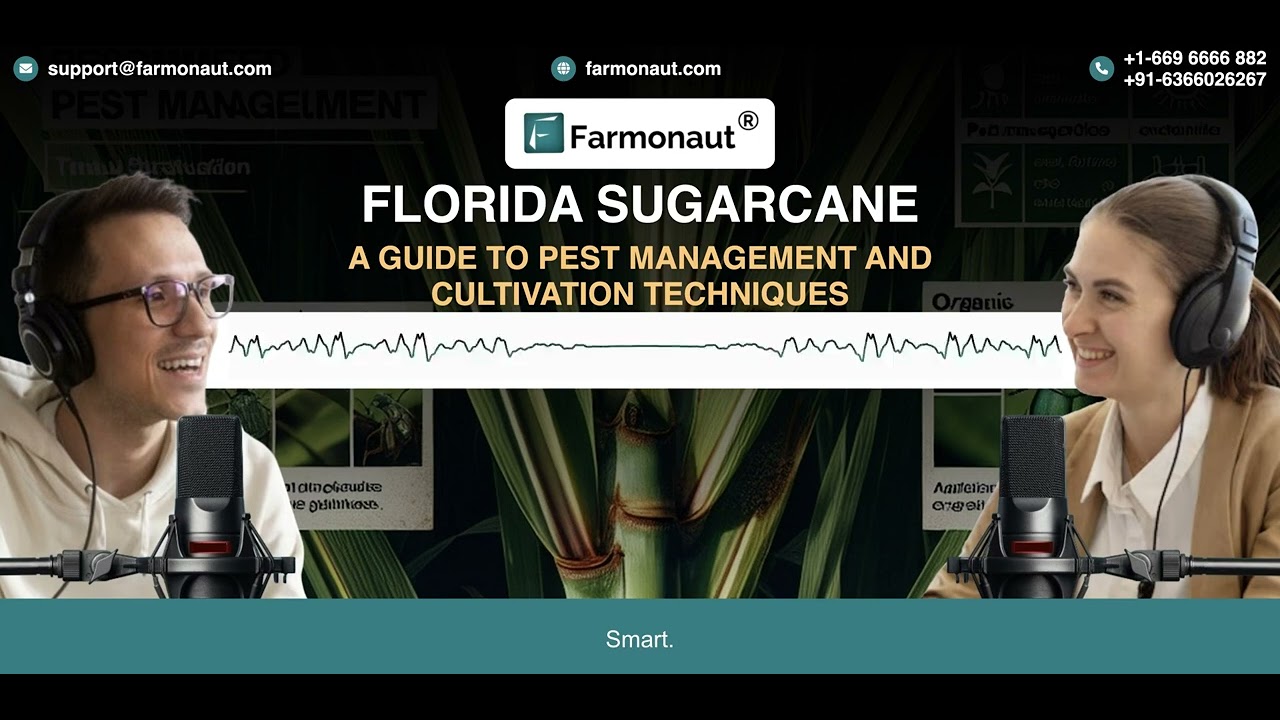
Sugarcane—the key commodity of the Everglades region—remains vital for both domestic sweetener supply and export. It is central to the regional economy, with integrated processing facilities, water management systems, and longstanding land stewardship practices.
3. Tomatoes
Tomatoes are an economic powerhouse among Florida vegetable crops. The state routinely ranks as the top U.S. supplier of fresh-market tomatoes during the winter and spring months. Sophisticated packing and logistics chains enable rapid shipment to northern U.S. and Canadian supermarkets, as well as export markets in the Caribbean and beyond.
4. Strawberries
Strawberries are a high-value, specialty crop that thrives in Florida’s unique winter microclimates, especially near Plant City and the Tampa Bay region. These berries fill a vital production and export window between December and March, when few U.S. regions can grow them.
5. Nursery Stock, Ornamental Plants & Horticulture
Florida’s subtropical climate is also perfectly suited for the nursery stock, landscape plants, and ornamental horticulture sectors. These industries supply everything from residential landscaping and golf courses to garden centers across the eastern U.S.—and now are major forces in florida agricultural exports.
These top five florida agricultural products together shape the industry’s infrastructure, water and soil management strategies, labor needs, and patterns of production.



Pro Tip: With Farmonaut’s web and mobile apps, growers and ag professionals can monitor crop health, water stress, and disease pressure, using real-time satellite data to optimize irrigation, planning, and yields for all leading Florida crops.

Top Florida Agricultural Exports & Related Grants for Sustainable Farming
| Product | Estimated Annual Export Value (USD Millions) | Main Export Destinations | Sustainability Practices Implemented | Available Grants/Programs |
|---|---|---|---|---|
| Oranges (Citrus) | $1,300+ |
Canada, EU, Japan, Caribbean, Domestic U.S. |
|
FDACS Specialty Crop Block Grants: Funding for research, pest control, and infrastructure upgrades. USDA NIFA Crop Protection: Pest & disease management. |
| Sugarcane | $700+ |
U.S. (domestic use), Caribbean, Canada, Europe |
|
USDA EQIP: Water and nutrient management grants. Carbon Footprinting Service: Track & manage sustainability metrics for compliance. |
| Tomatoes | $425+ |
U.S. (eastern states), Canada, Mexico, Bahamas |
|
Fresh From Florida: Marketing and modernization grants. Remote Sensing Crop Advisory: Enhance water use, yielding, and input efficiency. |
| Strawberries | $360+ |
Eastern U.S., Eastern Canada, Caribbean, Asia (limited) |
|
OAREI: Organic & specialty crop grants. Blockchain Traceability Solutions: Ensure food safety and global compliance. |
| Nursery Stock & Ornamentals | $650+ |
U.S. East & Midwest, Canada, International landscape firms |
|
Specialty Crop Block Grants: Greenhouse improvements, plant health. Satellite-Based Farm Management: Crop inventory, disease monitoring, resource optimization. |
- Oranges: Lead the state’s export economy with robust packing logistics networks and year-round supply.
- Florida tomato exports reach over 5+ countries during peak seasons, with efficient cold-chain packaging.
- Disease and pest control remains a challenge, especially for citrus (greening) and tomatoes (blight, whiteflies).
- Sugarcane in the Everglades features extensive water management systems and is key for carbon footprint tracking.
- Nursery and ornamental plant exports have shown 5-year continuous growth, bolstering horticultural industries regionally and nationally.

Sustainable Farming: Water, Soil, and Resource Management in Florida Agriculture
As one of the most environmentally sensitive agricultural states, Florida emphasizes sustainable farming and climate-smart production systems that support both high yields and resource conservation. Soil health, water management, and pest control are paramount as saline intrusion, nutrient leaching, and seasonal droughts intensify.
- Water-saving irrigation is used on over 47,000 Florida farms—driven by cost-saving incentives, state grants, and sustainability requirements.
- Soil organic matter enrichment, cover crops, and crop rotation are standard to maintain productivity and reduce chemical dependency in strawberries, tomatoes, and ornamental plants.
- Resource management plans are now a condition for many federal grants—covering nutrient stewardship, erosion reduction, and water conservation.
- Satellite monitoring is increasingly leveraged for disease, pest, and water stress detection—improving efficiency and minimizing losses.
- Carbon credit/footprinting programs support growers pursuing low-emission crop systems and renewable practices. See Farmonaut’s Carbon Footprinting Solution for compliance info.

- Precision irrigation: Directly matches water use to plant and weather needs, reducing waste.
- Remote crop monitoring: Early identification of drought, pest, or nutrient stress via satellite and sensors.
- Cover crops & rotations: Prevent soil degradation and improve organic matter for strawberries and tomatoes.
- Carbon tracking: Supports participation in carbon markets and sustainability grants.
- Blockchain traceability: Ensures product quality from field to export, critical for overseas customers. Explore Farmonaut Traceability.
Florida Agricultural Exports: Logistics, Quality, and Global Supply Chains
Florida agricultural exports form the backbone of the state’s connection to the global food system. Citrus, tomatoes, sugarcane, and nursery stock are shipped to national and international markets, enabled by highly efficient packing, processing, and logistics networks.
- Specialized logistics in citrus and tomato packing assure product freshness and minimize waste.
- Modern cold-chain packaging and rapid transport reduce quality loss and open year-round export windows.
- Compliance with international quality standards and traceability solutions are required for most processed and fresh shipments abroad.
- Processed goods (e.g., juice concentrates or canned tomatoes) offer value-added export opportunities beyond raw produce.
- Seasonality effects are mitigated through greenhouse varieties, microclimate targeting, and cooperative cold storage networks.

Export Category Overview
- Citrus (Oranges & Grapefruit): Juices, fresh fruit, and concentrates; rely on cold-pack and fast-shipping logistics; now increasingly blockchain verified.
- Sugarcane: Bulk raw cane and processed sugar; primarily domestic but with exported processed goods to the Caribbean and beyond.
- Tomatoes: Both fresh and processed forms—high export to northeast U.S. and Canadian winter markets.
- Strawberries: Exported regionally; focus on rapid packing and shelf-life extension.
- Nursery & Ornamentals: Road and container shipments to U.S. and international landscape buyers.
Florida Agriculture Grants: Funding, Programs & Incentives
Florida agriculture grants are essential to farm viability, innovation, and sustainability:
- State and federal grants help finance research, on-the-ground improvements, and extension services.
- Programs target crop diversification, environmental stewardship, soil health, water conservation, and infrastructure upgrades (cold storage, irrigation, logistics).
- Grant funds support high-value specialty crops (like strawberries and nursery plants) and adoption of climate- or disease-resistant varieties.
- Precision agriculture and irrigation modernization are major priorities—enabling growers to reduce environmental impact and boost efficiency.
- Marketing and cooperative grants help small and mid-sized farms reach broader, high-value markets.
Major Florida Agriculture Grant Programs
- Florida Department of Agriculture & Consumer Services (FDACS) Grants: Supports specialty crops, pest management, disease research, and marketing.
- USDA NRCS EQIP: Water and soil improvement, sustainable planting, and carbon tracking.
- Specialty Crop Block Grant Program: Aids adoption of climate-resilient crops, nurse stock innovation, and environmental practices.
- Satellite Fleet & Resource Management: Leverage for grant-compliant reporting and logistics efficiency.
Agriculture Jobs in Florida: Diverse Roles & Opportunities
Agriculture jobs in Florida encompass a wide range of rewarding opportunities, reflecting both traditional and rapidly evolving career paths:
- Field Labor: Planting, harvesting, and crop maintenance for oranges, tomatoes, sugarcane, and nursery stock.
- Technicians & Extension Agents: Support water management, pest/disease control, and efficient crop production; critical in grant and compliance reporting.
- Plant Breeders & Agronomists: Develop climate- and disease-adapted varieties—that thrive in Florida’s microclimates.
- Packing & Processing Roles: Quality control, food safety, logistics, and packaging—core to export success.
- Nursery & Landscape Pros: Greenhouse management, propagation, sales, and logistics—boosting the region’s ornamental plant prominence.
Additionally, in the high-tech era:
- Large-Scale Farm Management roles: Oversee satellite/AI data for input planning and reporting.
- API Integration Developers working with Farmonaut API (Developer Docs).

Digital Solutions & Climate-Smart Technology in Florida Agriculture
Innovations in digital agriculture—from satellite-based crop monitoring to AI-powered advisory tools—are transforming how Florida’s producers optimize water, soil, disease control, and production planning.
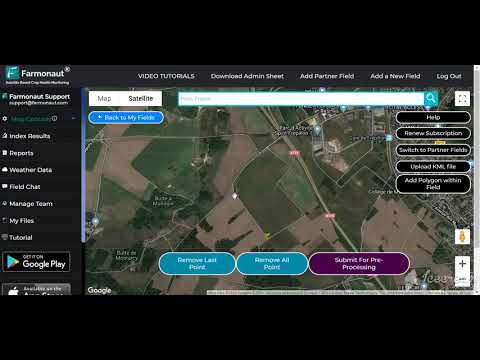
We at Farmonaut provide a unified platform for affordable, real-time, satellite-based farm, resource, and supply chain monitoring, making it easier for Florida growers and ag businesses to achieve:
- Real-time crop health maps (NDVI, moisture, stress) to optimize irrigation and input use—vital for large-scale orange, sugarcane, and tomato farms.
- AI-based early warning for disease/pest outbreaks, drought, or nutritional gaps—reducing costly losses.
- Automated compliance reporting for grant and program requirements—especially for EQIP, FDACS, and modernization incentives.
- Trusted blockchain traceability for produce and nursery plants—meeting strict export standards.
- Integrated fleet and resource tracking, fleet management tools improve logistics and reduce costs across large-scale operations.
Ready to start using advanced digital tools for Florida crops?
FAQ: Florida Agricultural Products, Exports & Grants
Conclusion: Florida’s Agriculture—Embracing Sustainability & Innovation
Florida’s agricultural products reflect decades of adaptation to climate, evolving production models, and robust support networks spanning research, funding, logistics, and technology. Oranges, sugarcane, tomatoes, strawberries, and nursery plants not only anchor Florida’s economy and exports, but shape the landscape and culture of rural communities statewide.
The future of Florida’s agriculture will continue to depend on the integration of sustainable farming practices—intelligent water and soil management, pest and disease control, and stewardship for long-term resilience. Grants and funding from state and federal programs will play a pivotal role in supporting innovation, infrastructure, and new technologies.
By leveraging digital solutions, such as Farmonaut’s satellite-based monitoring and resource management, and participating in climate-smart initiatives, producers throughout Florida can not only improve their yields and market reach, but also secure the enduring health of their land and communities.
Florida’s agriculture sector remains a national and global leader—continually evolving to meet new challenges, embrace new opportunities, and sustain prosperity for generations to come.
Discussion
Questions, corrections or field experience? Share them below. First-time comments are reviewed before they appear, and your email is never published.
No comments yet. Be the first to add a question or your experience.

 Reddane Farming
 Esri North East Africa
 Farmer Amigo
 Cresol
 Atur Kuliner
 MDCV UK
 Zerella Group
 Etech Consulting Madagascar
 Vestlandsforsking
 Agritein
 Delicio
 WB Dev
 Sama Premium
 Prochecker
 Tres Valles
 LACOS Geoinformation
 Magrifly
 LatConnect 60
 Blickwinkel
 Agricultural Credit Policy Council
 Exploration consultancy · South Africa · Gold
 Licence holder · Niger · Gold
 Licence holder · Nigeria · Gold + lithium










