

Georgia Department of Agriculture: Boost Farmers Market Access & Promote Sustainable Growth
“Over 42,000 Georgia farms use sustainable practices to improve soil health and water management statewide.”
“Georgia’s local farmers markets have grown by 35% in the past decade, increasing access to fresh, sustainable produce.”
Introduction: The Changing Landscape of Agriculture in Georgia
Georgia’s agriculture is a vibrant tapestry, interweaving family farms and modern operations in a dynamic ecosystem. From the fertile valleys of North Georgia to the wide coastal plains, diverse crops, livestock, and forestry fill our markets and sustain rural livelihoods. As demand for sustainable food rises, there is intense focus on soil health, water stewardship, responsible pest management, and equitable market access for all producers.
The Georgia Department of Agriculture orchestrates a host of programs designed to support agricultural health, crop yield, environmental responsibility, and economic viability. These efforts align with the interests of stakeholders statewide—farmers, producers, buyers, and consumers—ensuring a resilient, thriving food system.
Georgia’s agriculture hinges on balancing productivity and stewardship—soil, water, market dynamics, and regulatory frameworks shape progress.
The Role of the Georgia Department of Agriculture: Governance, Programs, and Oversight
The Georgia Department of Agriculture stands as a pillar in the state’s agri-food sector, providing regulatory oversight, extension services, and programs that foster food safety, environmental stewardship, crop health, and profitable farming. Through compliance frameworks, management guidance, and outreach initiatives, this department nurtures an environment where both traditional and innovative farming methods can flourish.
- ✔ Regulatory oversight ensures quality and safety from field to consumer.
- 📊 Extension services provide technical support—from soil testing to integrated pest management.
- ✔ Programs address challenges in water management, nutrient management, and resource conservation.
- ⚠ Compliance is key for access to institutional and commercial markets.
- ✔ Promotes sustainable, profitable farming that aligns with Georgia’s climate and market demand.
Strategically, the department’s policies and programs empower farmers to maximize crop yields, steward natural resources, and access local, regional, and wholesale markets.
Leverage the Department’s online resources for up-to-date guidance on integrated pest management, water-efficient irrigation, and soil health best practices.
Sustainable Farming Practices: Key to Resilience & Profitability in Georgia
Georgia’s agricultural landscape is rapidly evolving toward sustainable practices designed to maximize yields while safeguarding environmental health. Modern farms blend traditional stewardship with frontline technology, often informed by extension research and real-time data analysis. Sustainability is now central to farm planning, operations, and market integration.
- ✔ Cover crops and conservation tillage to build up organic matter
- 📊 Soil health monitoring, including microbial inoculants and regular testing
- ✔ Efficient water management—from drip irrigation to rainwater harvesting
- ⚠ Integrated pest management (IPM) to reduce chemical use
- ✔ Diversification—combining specialty crops with livestock or forestry
Overlooking precise weather data and modern scheduling tools often results in over-irrigation or under-fertilization.
Adopt data-driven scheduling for irrigation, nutrient, and pest management to cut costs and boost resilience!

Soil Health: Building the Foundation for Sustainable Yields in Georgia
Healthy soils are the bedrock of sustainable agriculture in Georgia. Programs emphasize increasing organic matter, using cover crops, conservation tillage, and composting to create productive soils that bolster yields and enhance drought resilience.
- ✔ Soil testing guides fertilization, reducing runoff and optimizing nutrient use
- 📊 Microbial inoculants foster a living soil ecosystem, supporting healthy roots and plants
- ✔ Organic matter increases drought tolerance and water-holding capacity
- ✔ Cover cropping adds nutrients and suppresses weeds, reducing dependence on chemicals
- ✔ Composting recycles farm waste into valuable soil nutrients
By adopting these soil stewardship tactics, Georgia farmers not only improve their immediate productivity but also create more resilient systems capable of withstanding volatile weather and market dynamics.
Sustainable soil practices boost long-term land value and reduce the volatility of farm returns in Georgia’s dynamic agricultural market.
Water Management: Protecting Georgia’s Vital Resources
Georgia’s prosperity is directly linked to how well we steward our water resources. Rising weather volatility and regional drought episodes make efficient irrigation and water-smart infrastructure indispensable. Extension guidance and weather-informed scheduling support farmers in using science-based strategies to minimize water waste.
Water-smart strategies include:
- Drip irrigation and sensor-based scheduling for precision use
- Rainwater harvesting to supplement supplies and reduce demand on aquifers
- Riparian buffers and erosion control measures to protect streams and downstream ecosystems
- Weather data for optimal timing—irrigate only as needed!
Use real-time water stress mapping and NDWI indices for smart irrigation decisions. We offer this technology for accurate scheduling, helping conserve water while maximizing yields.


Examples of Innovative Water Management in Georgia
- ✔ Managed irrigation systems reduce drawdown on critical groundwater reserves
- ✔ Rainwater harvesting bins provide backup for dry spells
- 📊 Real-time scheduling with mobile data prevents wasted applications
Forestry in Georgia: Environmental Stewardship in Action
The forestry sector in Georgia is a cornerstone of both the economy and ecosystem health. Landowners and agriculture companies in Georgia depend on sustainable harvesting, reforestation, wildfire reduction, and habitat conservation to drive both profitability and environmental protection.
- ✔ Selective harvesting enables timber production while protecting forest diversity
- ✔ Reforestation boosts carbon sequestration and future income streams
- ⚠ Wildfire risk reduction measures protect property and air quality
These forestry stewardship practices align conservation goals with financial returns, creating balanced, resilient rural economies.
Adoption of sustainable forest management creates premium markets for non-timber products and opens up streams of value beyond raw wood—such as ecotourism, mushroom harvesting, and bioenergy feedstocks.
Georgia Farmers Market Network: Empowering Access, Value, and Transparency
The Georgia farmers market network is an essential channel for direct-to-consumer agricultural products. Cutting out middlemen enables small and medium-sized farms to capture more value, diversify crops, and respond quickly to demand for specialty and regional produce.
- ✔ Price transparency and informed buyer choices
- ✔ Fresh, traceable products with provenance labeling
- ✔ Marketplace for diversified and value-added products
- ✔ Networks enable resilience against market volatility
- ⚠ Regulatory compliance and food safety are critical for participation
Producers find that farmers markets, farm stands, and CSA programs create powerful connections—building loyalty and circulating resources within local communities. Regional market resilience is enhanced when diversified crops and livestock meet the specific tastes of Georgia’s urban and rural consumers.

Over a decade, Georgia’s local farmers market footprint surged by 35%, dramatically expanding access to sustainable, local food and direct-farm value capture.
Local Marketing Channels and Value Chains in Georgia’s Agricultural System
Navigating value chains is fundamental for farmers aspiring to stability and growth. Direct channels, such as farmers markets, CSA programs, and farm stands, allow producers to access higher farm-gate value. Meanwhile, institutional buyers and wholesalers emphasize safety, traceability, and compliance.
- ✔ Transparent labeling and provenance build consumer trust
- 📊 Testing and compliance frameworks ensure product quality
- ✔ Value-added processing (sauces, preserves, dried fruits) extends harvests, reduces loss
- ✔ Wholesale distribution opens regional opportunities beyond local boundaries
Georgia’s evolving market systems reward those who combine compliance with creative value addition, enhancing resilience in farming, forestry, and livestock enterprises.
Value-added ag businesses leverage Georgia’s diverse climate for year-round offerings, building revenue through sauces, canned vegetables, cut flowers, and specialty items.

Crop Diversification & Livestock Integration in the Georgia Ecosystem
Georgia’s climate and market diversity allow producers to hedge risks and tap into niche opportunities. Diversification means growing a mix of fruits, vegetables, nuts, row crops, and forage—sometimes alongside livestock and poultry operations. Integrative systems support soil health, yield stability, and open premium market channels.
- ✔ Rotational grazing and integrated forage/crop systems enhance nutrient cycling
- ✔ Manure management improves fertility while reducing runoff
- ✔ Heirloom and specialty crops are highly prized by local farmers markets
- ✔ Biosecurity protocols protect livestock and maintain food safety
- ✔ Diversified operations offer resilience to both weather and market swings

Visual List: Major Benefits of Diversification
- 🌱 Risk reduction against weather shocks and price drops
- 🍉 Access to specialty and premium markets
- 💧 Nutrient cycling and improved soil structure
- 🦠 Enhanced ecosystem health and biodiversity
- 🐔 Livestock-crop synergy for on-farm fertility
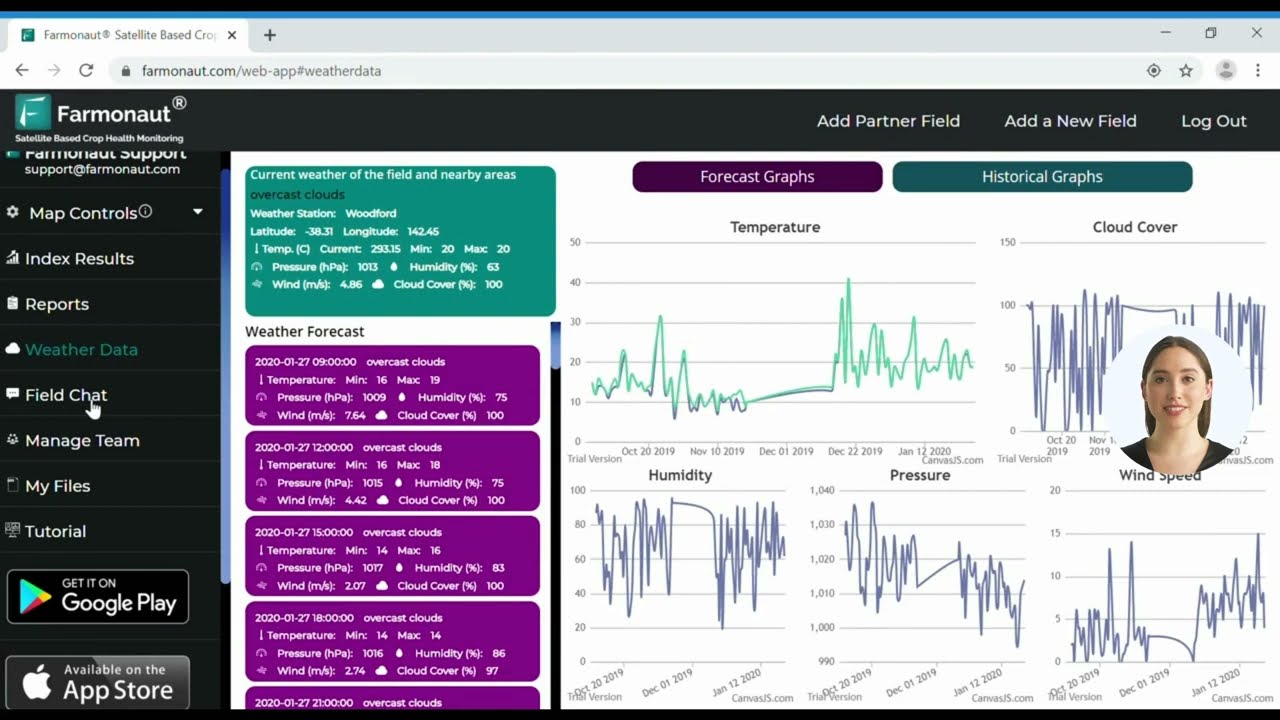
Environmental Stewardship & Profitability: Hand-in-Hand in Georgia Agriculture
In Georgia, responsible environmental stewardship is never a trade-off with profitability—it’s a long-term investment in both the land and the community. The most successful farms and forestry operations deploy integrated pest management, optimized nutrient plans, energy-efficient infrastructure, and waste reduction strategies.
Bullet Highlights: Top Environmental & Profit Strategies
- ✔ Integrated pest management: Reduces input costs and protects pollinators
- ✔ Nutrient management: Fewer losses, higher input efficiency
- ✔ Energy efficiency/renewables: Lower operating costs, smaller carbon footprint
- ✔ Waste reduction: Turns farm “discards” into resources
- ✔ Traceability: Builds trust in local, sustainable production
Our carbon footprint tracking supports agricultural, mining, and forestry clients by providing actionable data to manage and reduce emissions, comply with regulations, and enhance sustainability efforts.
Incorporating blockchain-based traceability into your supply chain can boost transparency, reduce fraud, and attract quality-conscious buyers in both the agricultural and mining sectors.
Farmonaut: Advanced Tools for Sustainable Agriculture in Georgia
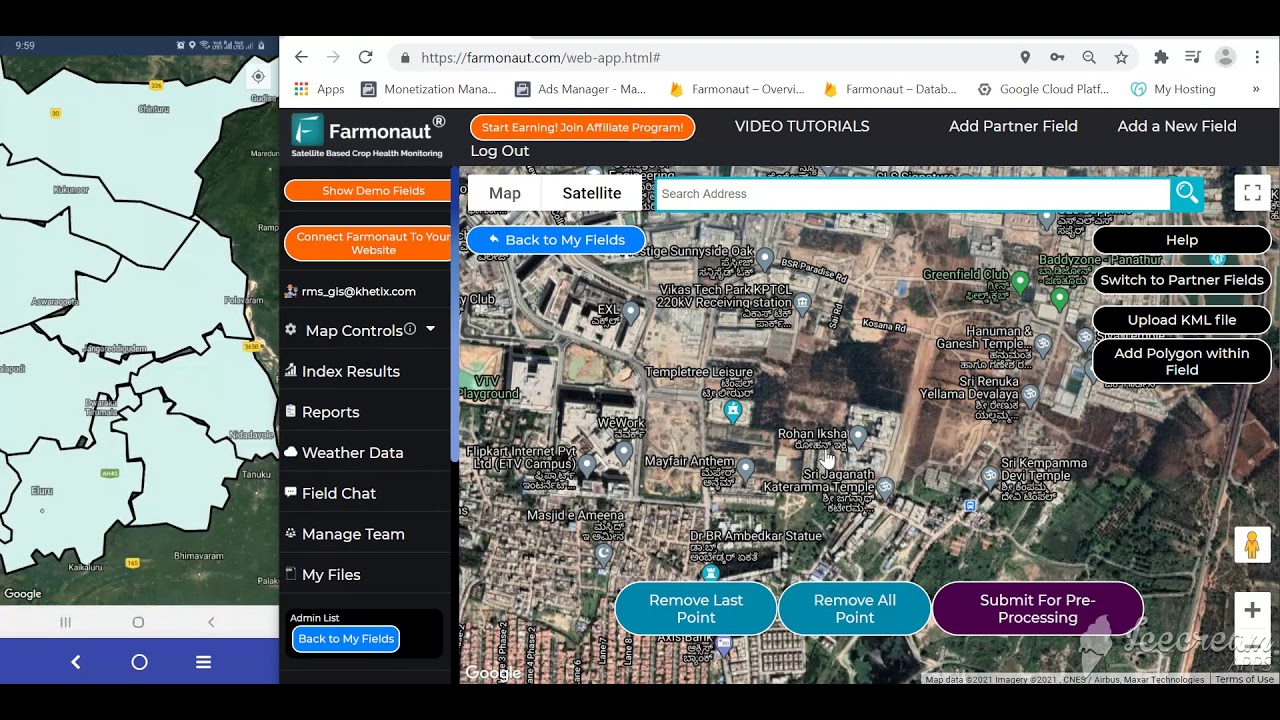
Farmonaut delivers satellite-driven, AI-powered tools perfectly suited to the needs of Georgia’s agriculture sector. By leveraging satellite imagery, real-time monitoring, AI-based advisory systems, and blockchain-based traceability, we empower farmers, businesses, and state agencies to practice sustainable management, optimize resources, and enhance food security.
- Satellite-Based Monitoring: High-resolution imagery tracks crop health, soil conditions, and resource use for timely interventions.
- AI Advisory System (Jeevn AI): Offers real-time, field-specific advice for pest, nutrient, and irrigation management—all informed by the latest data.
- Blockchain Traceability: Ensures secure, transparent record-keeping, supporting compliance and consumer trust.
- Fleet and Resource Management: Optimizes logistics and machinery use, reducing operational costs and environmental footprint.
- Environmental Impact Tracking: Our platform enables agricultural enterprises to monitor carbon emissions and define sustainable strategies.
Explore the benefits of large-scale farm management with our modular, app-based tools, and discover satellite-driven solutions for crop loan and insurance verification—bringing both value and peace of mind to producers and financial institutions across Georgia.


Developers can easily integrate our API for customized solutions, or check the developer documentation for advanced capabilities.
Comparison Table: Sustainable Practices & Market Access Benefits in Georgia
| Sustainable Practice | Description | Estimated Yield Increase (%) | Environmental Benefit (Score 1-5) |
Impact on Farmers Market Access (Score 1-5) |
|---|---|---|---|---|
| Cover Cropping | Planting cover crops to enrich organic matter, suppress weeds, and prevent erosion. | 10-15% | 5 | 4 |
| Integrated Pest Management (IPM) | Combining biological, physical, and chemical tactics to minimize pest impact and input use. | 8-12% | 4 | 5 |
| Crop Rotation | Rotating crops each season to boost soil fertility and break pest & disease cycles. | 8-15% | 5 | 3 |
| Water-Efficient Irrigation | Drip or sensor-based irrigation conserves water and boosts plant health. | 12-18% | 5 | 4 |
| Composting & Manure Management | Turning waste into soil amendments for improved fertility and reduced landfill use. | 5-8% | 4 | 3 |
| Diversified Cropping & Livestock Integration | Mixing crops, forage, and animals to maximize ecosystem and market benefits. | 12-20% | 5 | 5 |
Visual List: Key Takeaways for Georgia’s Sustainable Crop & Market Success
- 🌟 Yield increases of 10–20% using integrated strategies
- 💚 Environmental scores are highest for diversified and cover cropping approaches
- 🔗 Strongest market access impact comes from diversification and IPM
- 📈 Establish traceability to improve compliance and consumer trust
- 🌤️ Leverage data-driven tools for adaptable, resilient farming
Large-scale growers sometimes underutilize real-time crop monitoring and fleet management tools, leading to inefficiencies and avoidable costs. Integrating satellite and data-driven solutions enhances farm-wide visibility and efficiency.
FAQ: Sustainable Farming & Market Access in Georgia
Q1: What is the role of the Georgia Department of Agriculture in sustainable farming?
The Georgia Department of Agriculture provides regulatory oversight, programs, guidance, and extension services to encourage sustainable, profitable farming. Its focus areas include soil health, water stewardship, pest management, nutrient planning, and streamlined market access.
Q2: How do farmers markets in Georgia benefit producers?
Georgia farmers markets offer direct access to consumers, reducing middlemen, yielding better prices and supporting fresh, traceable, and specialty products. They help build customer loyalty and encourage crop diversification.
Q3: What sustainable practices are most important for Georgia’s climate?
Cover cropping, conservation tillage, efficient irrigation, crop rotation, and integrated pest management are key practices. These help improve soil, protect water, maximize yields, and reduce environmental impacts.
Q4: How do technology solutions such as Farmonaut support sustainable agriculture in Georgia?
We use satellite imagery, real-time monitoring, AI-based advisory, blockchain traceability, and environmental impact tracking to support farmers, businesses, and regulators in optimizing resource use, ensuring compliance, reducing environmental footprints, and enhancing market access.
Q5: What is traceability, and why is it important?
Traceability tracks a product’s journey from field to market, providing secure documentation of origin, safety, and ethical standards. It’s crucial for compliance, accessing premium markets, and building consumer trust, particularly in agricultural supply chains.
Conclusion: Navigating the Future of Georgia’s Agriculture
Georgia’s agricultural sector continues to flourish on the pillars of sustainable farming, water and soil stewardship, efficient operations, and direct-market access. By leveraging state supports, modern technology, and diversified cropping systems, Georgia’s farmers lead the way in building resilient, profitable, and environmentally responsible agri-food landscapes.
For producers, success in Georgia means strategically adopting best practices, investing in compliance, resource management, and transparent marketing channels. We at Farmonaut offer scalable satellite, AI, and data solutions to enable real-time insights—from crop health to carbon footprint tracking and blockchain-based traceability—helping agricultural operators thrive in a rapidly changing world.
By prioritizing soil health, water stewardship, energy efficiency, and direct-market access, Georgia’s food and forestry system advances statewide prosperity and sustainability for the generations ahead.
*All statistics and factual data referenced are accurate as of 2024, based on available information from the Georgia Department of Agriculture and sector reports.

 Godrej Agrovet
 Hayleys Agriculture
 Linx Agritech
 Adinet
 Save Your Soils
 GalaxEye Space
 Grandstream Algérie
 XOS Realty
 Geospatial Lab Africa
 Agro La Gándara
 HIPSAC
 ZOL Zimbabwe
 Juligerm
 AdBio
AdBio MISE Maroc
 NWNS
NWNS Red August Group
 Farm Inc
 WeMe Global
 Agrotoken
 Blue BearX
 Insignito
 DnCubed
 Indosistim Teknologi
 Liquify Digital
 CU Foods
 BeyondTech Global
 Rouge VC
 AgroRisk
 Oath Inc
 Esri North East Africa
 MDCV UK
 Etech Consulting Madagascar
 Vestlandsforsking
 WB Dev
 Sama Premium
 Tres Valles
 Blickwinkel
 Agricultural Credit Policy Council
 eKGIS
eKGIS Mostas Tech
 Andex
Andex Deluxe Conseil
 WICO
WICO Chimera Innovation
 SkyHarvest
 Teledarbas
 Exurbia Geospatial
 FieldZero
