

Undocumented Immigrants in Agriculture: 2025 Key Stats
“Undocumented immigrants make up 50-70% of the U.S. agricultural workforce, highlighting their essential yet overlooked contributions.”
Introduction: Undocumented Immigrants in U.S. Agriculture (2025)
In 2025, the United States agricultural sector continues to be the backbone of national food security, supplying markets with fruits, vegetables, dairy, grains, and more. Yet, the workforce that powers the fields and farms across the country remains largely composed of undocumented immigrants. Undocumented immigrants in agriculture are the hidden yet essential workforce, filling critical gaps left by native-born citizens and legal residents. In fact, studies estimate that approximately 50-70 percent of all agricultural labor in the U.S. is performed by undocumented workers. This equates to over one million individuals who, despite harsh challenges and limited legal rights, are indispensable to the productivity and sustainability of American food production.
Understanding the scale, role, and challenges of undocumented immigrants in agriculture is crucial for policymakers, farmers, and communities alike. In this comprehensive overview, we explore 2025 key statistics, the factors driving undocumented employment in farming, their contributions, hardships, and the evolving landscape shaped by policy, technology, and social change.



The Scale and Scope of Undocumented Immigrants in Agriculture
The percentage of undocumented immigrants in agriculture is, by every credible estimate, extraordinarily high compared to any other major U.S. industry. As of 2025:
- Undocumented immigrants constitute approximately 50% to 70% of the national agricultural workforce.
- How many undocumented immigrants work in agriculture? Out of an estimated 2.4 million farmworkers nationwide, about 1.2–1.7 million are undocumented.
- Key crops and sectors—including fruits, vegetables, nuts, and perishables—are especially reliant on undocumented labor.
-
Geographic concentration:
- California’s Central Valley — The country’s largest producer of fruits, nuts, and specialty crops.
- Florida’s citrus groves and vegetable fields — Major supplier of oranges, tomatoes, and other produce.
- Midwest vegetable farms — Crucial for seasonal harvests of corn, soybeans, and specialty vegetables.
The reliance on undocumented labor is not just a statistical artifact; it reflects deep-rooted economic forces, hiring practices, and the chronic labor shortages that native-born workers are unwilling or unable to fill.
Our web-based Farmonaut platform provides real-time satellite crop monitoring to help farmers and organizations understand and manage changing conditions on their farms. With features like AI-driven advisories and analytics, it addresses both productivity and sustainability.
Key Roles and Contributions: Why Undocumented Workers Remain Indispensable
Undocumented immigrants in agriculture fill a mix of physically demanding, highly skilled positions that are the linchpins of crop production cycles. Their efforts are visible in every stage:
- Planting — Early spring and summer require long days of planting seeds and seedlings for the coming harvest.
- Tending and Maintenance — Includes irrigation, weeding, pruning, and pest management.
- Harvesting — Timely picking is critical for quality and market value; many crops must be picked by hand due to their delicate nature.
- Packing and Sorting — Prepares crops for distribution, ensuring food safety and proper handling of perishables.
These roles require not just physical stamina but also skills honed through experience—often gained over years on farms in the United States and, for many, in their countries of origin.
Comparative Statistics Table: Undocumented Workers in Agriculture
| Year / Sector | Estimated % of Undocumented Workers | Total Agri Workforce (Millions) | Key Roles Filled | Notable Challenges Faced |
|---|---|---|---|---|
| 2025 (National, All Crops) | 50-70% | 2.4 | Planting, Harvesting, Packing, Field Prep | Limited legal protections, low wages, healthcare inaccess, job insecurity |
| 2020 (National, All Crops) | 48-67% | 2.3 | Harvesting, Weeding, Irrigation | Similar, plus pandemic-related risks |
| 2025 (Fruit & Vegetable Sector) | Up to 70% | 1.0 | Manual picking, Sorting, Quality control | Repetitive injury risks, ergonomics, wage theft |
| 2025 (Dairy & Livestock) | 30-50% | 0.45 | Milking, Animal care, Cleaning | Housing, occupational injuries, language barriers |
| 2015 (National, All Crops) | 47-60% | 2.1 | General field work, Seasonal labor | Consistent: legal precarity, lack of insurance |
Trends show that despite technological advancement, the percentage of undocumented immigrants in agriculture has remained high for the past decade, and most analysts expect this pattern to persist through 2025 and beyond.
“Up to 7 in 10 farm workers in the U.S. are undocumented, underscoring their critical role in national food security.”
Video: 10 Low-Investment, High-Profit Agri Business Ideas in 2025

Underlying Factors: Why the Sector Relies on Undocumented Labor
Multiple, interlocking factors fuel the continued reliance on undocumented immigrants in agriculture:
- Physical Demands & Seasonality: Agricultural work is extremely demanding—involving long hours, repetitive motion, and exposure to harsh weather. Peak labor needs fluctuate throughout the year, making steady, year-round employment less viable.
- Low Wages, Margins, and Labor Gaps: Many agriculture sector jobs remain low-paying due to global price competition and tight farm margins. As a result, native-born citizens and residents often avoid these positions.
- Labor Gaps Unfilled by Citizens: Surveys show that most U.S.-born workers do not apply for or remain in agricultural jobs. This has collectively created a chronic labor shortage that undocumented workers fill.
- Policy & Visa Limitations: Existing visa programs like H-2A are complex, seasonal, and don’t meet year-round labor needs. Political debates and evolving policies have not closed the labor gap, and undocumented immigrants often find jobs even where legal pathways are lacking.
- Network Hiring: Farms use local, regional, and even cross-border networks to recruit reliable, experienced labor—many of whom are undocumented.
A Day in the Life: The Dynamic and Complex Nature of Work
A typical workday for undocumented farmworkers may start before dawn and involve backbreaking tasks under high pressure to beat the heat or rain. From California’s Central Valley almond orchards to Florida’s citrus groves, agility and resilience are constant requirements. Workers migrate seasonally following harvest cycles, pursuing jobs that fit the market’s shifting demand.
Their commitment and expertise support the production of fresh fruits, vegetables, and nuts, many of which cannot be mechanically harvested without quality loss.
Video: Regenerative Agriculture 2025 ? Carbon Farming, Soil Health & Climate-Smart Solutions | Farmonaut

Did you know? Farmonaut Carbon Footprinting Tools help growers, companies, and regulators monitor and reduce agriculture’s environmental impact using satellite technology—indispensable for a sustainable future.
Challenges Faced by Undocumented Farmworkers
Despite their vital role, undocumented immigrants in agriculture face significant challenges and risks:
- Legal Precarity: The absence of permanent legal status means workers remain vulnerable to deportation—even after spending years in the workforce.
- Exploitation: Lacking strong bargaining power and protected status, workers are at risk of wage theft, forced overtime, unpaid breaks, and other abuses.
- Poor Working Conditions: Physical injuries, chemical exposure, repetitive motion injuries, and insufficient rest are prevalent in the field.
- Inadequate Wages: Despite being essential, farm labor remains some of the lowest paid work in the U.S.
- Limited Healthcare & Social Services Access: Many undocumented workers lack healthcare coverage, paid sick leave, or retirement options. Even those eligible for certain benefits may avoid them for fear of jeopardizing their status.
- Social Isolation: Rural, remote workplaces and language barriers compound social isolation and the risk of mental health decline.
- Lack of Recourse: Fear of drawing legal attention discourages reporting abuses or unsafe working conditions.
During national emergencies like the COVID-19 pandemic, these vulnerabilities were acutely visible. Despite designation as essential workers, many lacked adequate pandemic protections or vaccine access, and emergency government relief often excluded undocumented laborers.
Video: Farmonaut at 6 Years: How We’re Transforming Farming in 40+ Countries with Satellite Technology

Farmonaut’s advanced satellite & AI insights API solutions are designed to help agricultural professionals monitor crop health, soil conditions, and farm productivity—enabling improved resource management and supporting efficiency from planting to post-harvest.
The Economic Impact: Food Security, Prices & National Well-being
It cannot be overstated: up to 7 in 10 U.S. farmworkers being undocumented directly shapes the economy and food supply. Their labor ensures:
- Consistent National Food Supply: Without the undocumented workforce, many crops would rot in the field, putting food availability at risk.
- Price Stability: Severe labor shortages raise food costs at every supply chain stage. Stable food prices depend on reliable labor.
- Rural Economy Stability: Rural towns in California, Florida, the Midwest, and beyond rely economically on the jobs and commerce generated by immigrant farm labor.
- Export Competitiveness: American agriculture’s global standing—especially for specialty crops—relies on affordable, skilled labor.
What percent of undocumented immigrants work in agriculture? Data shows that about 20-25% of all undocumented adults in the U.S. are employed in agriculture as their primary occupation—a concentration more than tenfold that of native-born citizens.
How Lack of Protections Ripples Through Food Systems
Lack of labor protections and economic insecurity among undocumented farmworkers lead to workforce instability. High turnover disrupts farms and crops, risks food waste, and undermines rural stability.
Sustainable supply chains—which consumers and retailers increasingly demand—are difficult to maintain when key workforce segments are forced to remain in the shadows.
Product Traceability in Agriculture: Farmonaut’s Blockchain-Based Traceability supports transparent farm-to-table tracking, which helps both large operators and smallholders access new markets in 2025’s increasingly traceability-focused environment.
The Future of the Workforce: Technological Change, Policy, and 2025 Trends
2025 and beyond will see:
- Increasing Policy Attention: Congress has debated measures like the Farm Workforce Modernization Act, offering pathways to legal status and better protections. Yet, many reforms remain stalled.
- Ongoing Labor Shortages: Mechanization and automation, while growing, can’t wholly replace skilled manual labor—particularly for delicate crops. Undocumented workers remain essential, despite technological advances.
- Demand for Sustainable Practices: Food buyers and governments are prioritizing sustainable agriculture, with attention to labor conditions, carbon emissions, and traceability. Technological platforms, like those we provide at Farmonaut, are becoming vital for compliance, monitoring, and transparency.
- Legal, Social & Economic Shifts: While anti-immigrant or restrictionist rhetoric surfaces in politics, farming communities typically advocate for stability, recognizing the critical role of immigrant labor.
- Climate and Environmental Pressures: Unpredictable weather and new pests introduced by climate change may increase labor needs or shift hiring patterns geographically.
The dynamic remains complex: Even as some farms experiment with automation, the consensus among farmers and researchers in 2025 is clear: labor-intensive agriculture remains deeply dependent on undocumented workers for the foreseeable future.
Large-scale Satellite-Based Farm Management: Farmonaut’s Large Scale Farm Management solutions help agricultural businesses optimize field-level operations, mitigate risk, and improve efficiency with affordable, easy-to-use satellite tools.
Video: Farmonaut: Cultivating Innovation in Agriculture | Year in Review 2023
Video: Farmonaut® | Making Farming Better With Satellite Data

Sustainable Solutions: Policy, Technology & Farmonaut’s Role
Optimizing farm labor in 2025—and safeguarding food security—means addressing the status and conditions of undocumented immigrants in agriculture through:
- Policy Reform: Enacting legal status programs, visa modernization, and broadening labor protections to eliminate workforce instability.
- Access to Social and Health Services: Integrating undocumented farmworkers—who are essential workers—into healthcare, safety nets, and education programs.
-
Technological Support: Making digital tools and satellite data accessible to farm operators at every scale.
- We at Farmonaut are mission-driven to make advanced satellite, AI, and blockchain technologies accessible and affordable to all sectors of agriculture, not just large corporate farms.
- Our systems support real-time environmental tracking (carbon footprinting), crop health advisory, traceability, and more.
- Supply Chain Transparency: Businesses, retailers, and consumers can demand verifiable, ethically produced food—with traceable fair labor practices.
- Financial Solutions: Access to crop loans and insurance helps farms of all sizes enhance stability and minimize risk, with satellite-based verification providing fast, secure decisions.
- Fleet and Resource Management: Fleet management tools streamline logistics and can be especially impactful for farms adapting to labor shortages or changing migration cycles.
Video: Farmonaut Large Scale Field Mapping & Satellite Based Farm Monitoring | How To Get Started
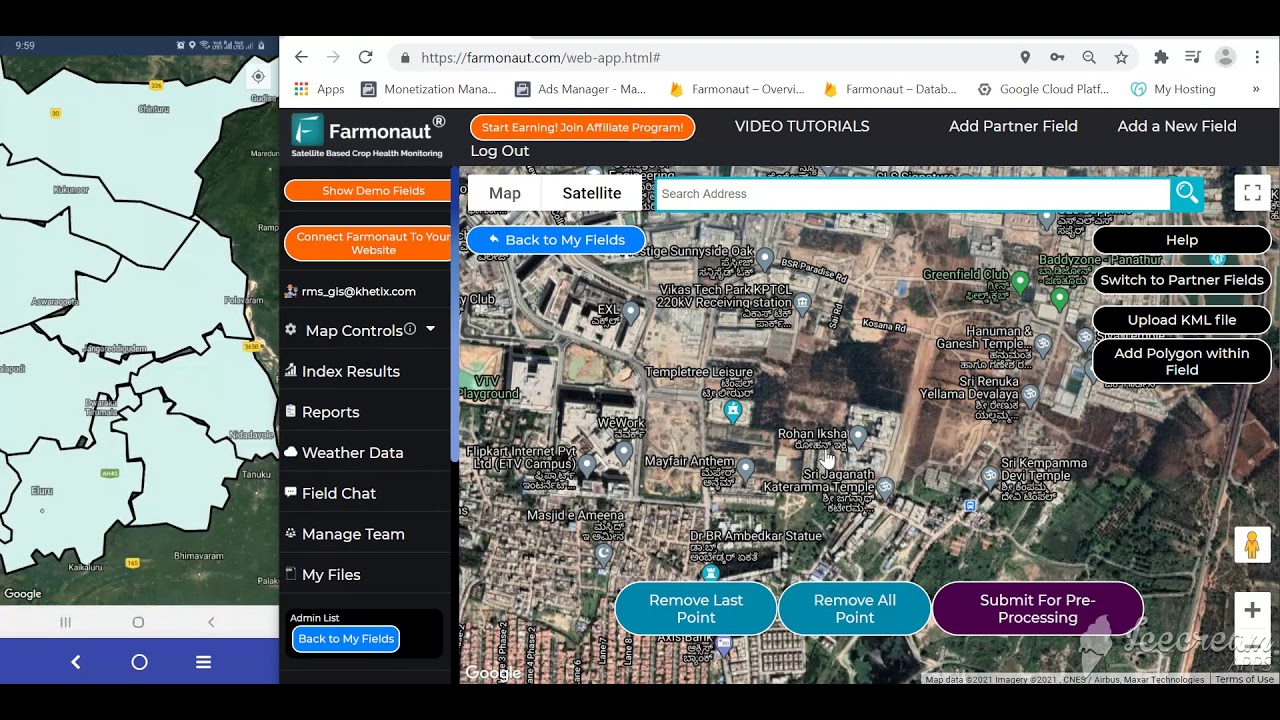
Video: Farmonaut Web System Tutorial: Monitor Crops via Satellite & AI

For developers, our API Developer Documentation is available to integrate advanced satellite insights directly into third-party systems and research projects.
Farmonaut Subscription Plans
FAQ: Undocumented Immigrants in Agriculture (2025)
-
Q: What percentage of agricultural workers in the U.S. are undocumented in 2025?
A: Studies estimate that approximately 50% to 70% of the U.S. agricultural workforce is undocumented in 2025. -
Q: Why does American agriculture rely so heavily on undocumented labor?
A: The jobs are physically demanding, low-wage, and highly seasonal, making them unattractive to most native-born citizens. Chronic labor shortages persist, and visa programs don’t sufficiently fill the gaps. -
Q: How many undocumented immigrants work in agriculture?
A: Out of about 2.4 million farmworkers nationwide, estimates point to 1.2–1.7 million being undocumented. -
Q: What are key challenges faced by these workers?
A: They include legal precarity, risk of deportation, exploitation (like wage theft), lack of medical coverage, unsafe working conditions, and social isolation. -
Q: Is technological advancement reducing the need for undocumented labor?
A: While mechanization is increasing, many crops and roles still require skilled manual labor. Undocumented workers remain essential for crops that require delicate handling, such as berries, tomatoes, and certain fruits. -
Q: How can technology help support sustainable labor and farm management?
A: Technology—like satellite monitoring, traceability, carbon footprinting, and digital resource management—helps optimize operations, verify ethical labor practices, and meet new sustainability standards. -
Q: How does Farmonaut support the agriculture sector’s evolving needs?
A: We at Farmonaut provide accessible, affordable satellite-driven monitoring tools, AI advisories, blockchain-based traceability, and both web and mobile apps to help stakeholders optimize productivity, sustainability, and transparency—enabling informed decisions and better outcomes.
Conclusion: Toward Fairness and Food Security in 2025
The agricultural workforce in 2025 remains deeply dependent on the labor, skills, and resilience of undocumented immigrants. Their contributions are critical not just to local communities in California, Florida, the Midwest, and beyond, but to the broader food security and economic stability of the entire United States. Yet, they often work in the shadows—without adequate legal rights, social protections, or recognition.
A sustainable, fair, and robust agricultural sector requires us all—policymakers, farmers, workers, consumers, and technology leaders—to recognize their vital role. Legislative reform, better protection, technological empowerment, and social inclusion are pathways toward optimizing this indispensable workforce for the mutual benefit of all stakeholders.
We at Farmonaut remain committed to enabling forward-thinking, sustainable, and transparent agriculture with affordable satellite, AI, and blockchain solutions. By equipping all participants—farmers, business managers, and government agencies—with powerful yet accessible tools, we support the evolution of agriculture for a more secure food future.
Related Resources:
- Farmonaut API: Access satellite data for custom monitoring.
- API Developer Docs: Integrate Farmonaut insights with your systems.
- Carbon Footprinting Tools: Monitor, report, and reduce climate impact.
- Blockchain Traceability for Agriculture: Advance food safety and labor ethical standards.
- Crop Loans and Insurance: Speed up financial access for agriculture.
- Fleet Management: Transform agri-business logistics management
- Large Scale Farm Management: Field mapping & digital operations oversight
Summary: Undocumented Immigrants in Agriculture: An Essential but Overlooked Workforce in 2025
Despite policy debates and social complexities, undocumented immigrants remain the backbone of America’s farms. A fair, sustainable, and productive agri-food chain in 2025 depends on their recognition, improved legal status, technology-driven management, and strong labor protections. Modern tools—from AI to blockchain and satellites—empower better farm management, transparency, and social impact for all.
Discussion
Questions, corrections or field experience? Share them below. First-time comments are reviewed before they appear, and your email is never published.
No comments yet. Be the first to add a question or your experience.

 Global Launch Base
 Elders
 Agritein
 Delicio
 WB Dev
 Sama Premium
 Prochecker
 Tres Valles
 LACOS Geoinformation
 Magrifly
 LatConnect 60
 WebsEdge
 Blickwinkel
 Agricultural Credit Policy Council
 Marei Nursery
 eKGIS
eKGIS Mostas Tech
 Andex
Andex FCF India
 Exploration consultancy · South Africa · Gold
 Licence holder · Niger · Gold
 Licence holder · Nigeria · Gold + lithium










