

Table of Contents
- Veteran Farming Programs & Grants: A Sustainable Guide for 2026
- Trivia and Fast Facts
- Why Veteran Farming? Connecting Service, Soil, and Sustainability
- Key Aims and Scope of Veteran Farming Programs
- Core Program Components
- Carbon Farming Programs: Climate, Carbon & Ecological Impact
- Capacity Building and Networks
- Best Practices for Veteran Farming Program Success
- Comparison of Major Veteran Farming Programs and Grants (2025-2026)
- Policy Alignment, Impact, and Opportunities in 2025 & Beyond
- Farmonaut: Satellite Solutions for Agriculture & Beyond
- Frequently Asked Questions (FAQ)
- Conclusion
Veteran Farming Programs & Grants: 2026 Sustainable Guide
“Over 45% of veteran farming grants in 2025 target climate-smart practices and ecosystem restoration initiatives.”
Veteran farming programs and veteran farming grants have become a cornerstone of contemporary agricultural policy, recognized for their invaluable linking of military service with sustainable land stewardship across farming, forestry, and related sectors. As we look toward 2026 and beyond, these initiatives increasingly emphasize practical support for transitioning veterans, climate-smart practices, and measurable community impact. They simultaneously align with broader goals in agriculture, forestry, and carbon management, aiming to drive resilience, productivity, and climate adaptation.
In this comprehensive guide, we explore the evolving landscape of farming for veterans through a sustainability lens. We highlight the practical structures, financial assistance channels, carbon farming programs, land access support, and the expansion of rural networks and capacity-building initiatives.



Why Veteran Farming? Connecting Service, Soil, and Sustainability
Today’s veteran farming programs build on a deepening understanding of the unique strengths, needs, and aspirations of veterans in agriculture. Veterans often return to civilian life seeking purposeful work, economic stability, and meaningful connections with land and community. The discipline and adaptability forged through military experience are powerful assets in the demanding world of modern agricultural operations.
- ✔ Supports Transition: Reduces unemployment and supports healthy adjustment to civilian life.
- 📊 Builds Rural Resilience: Energizes rural development and sustains small towns and communities.
- ✔ Leverages Leadership: Discipline and leadership skills from military service are highly valued in farming.
- ⚠ Addresses Skills Mismatch: Provides industry-specific training, education and business planning.
- ✔ Links Conservation & Production: Aligns stewardship with food production goals, strengthening the sector against economic and climate shocks.
Key Aims and Scope of Veteran Farming Programs & Grants
Let’s examine the key aims and scope that shape the most successful veteran-focused programs between 2025 and 2026:
- Transition and Support: Target returning veterans, offering mentorship, business planning, leadership training, and hands-on experience in crop production, livestock, agroforestry, and rural entrepreneurship.
- Financial Assistance: Enable veterans to acquire land, invest in equipment, build infrastructure (such as greenhouses), enroll in training, and access start-up grants, low-interest loans, and cost-sharing on infrastructure improvements.
- Climate and Carbon Objectives: Increasing focus on carbon farming programs, with funds, incentives and technical support for cover cropping, agroforestry, reduced tillage, composting, and other climate-smart practices that lock carbon in the soil while enhancing yield stability.
- Forestry & Habitat Restoration: Programs increasingly back veterans in woodland management, reforestation, and ecosystem restoration to improve habitat, watershed protection, and biodiversity.
- Capacity Building and Networks: Foster peer-to-peer learning, extension services, and access to regional markets (such as CSA, fairs, direct-to-consumer), amplifying both impact and resilience.
Core Components of Veteran Farming Programs: Training, Assistance & More
Veteran farming programs share a common architecture designed to promote a successful transition to agricultural leadership. Here’s a closer look at the essential program components for 2025-2026:
Training and Education
- ✔ Practical Training: Courses covering soil health, water use efficiency, integrated pest management, irrigation technology, and climate risk planning.
- ✔ Safety Emphasis: Resources focused on on-farm safety, mental health, and veteran-specific wellness.
- ✔ Regional Focus: Adapted to local cropping systems and ecology, such as row crops, timberland, or regenerative ranching.
Financial Instruments
- ✔ Grants & Loans: Funding for farm start-ups, expansions, equipment, and infrastructure improvements.
- ✔ Cost-Sharing: Support for building hoophouses, installing irrigation systems, effective water management, or fencing.
- ✔ Market Access Assistance: Facilitates CSA, agri-tourism, and direct market channels.
Land Access and Succession Planning
- ✔ Land Purchase and Leasing: Guidance and resources for acquiring land, long-term leases, easements, and cooperative models.
- ✔ Succession Planning: Assists with transferring farms from retiring producers to veteran beginners.
Carbon and Ecosystem Services
- ✔ Carbon Farming Incentives: Payments for practices like cover cropping, composting, agroforestry, and silvopasture that enhance carbon sequestration, with data-driven verification protocols.
- ✔ Participation in Carbon Markets: Access to regional pilots for selling carbon credits, supported by soil health measurement.
Market Access & Building Resilience
- ✔ Direct Market Support: Help for selling products through CSA, local fairs, or digital platforms.
- ✔ Value-Added Opportunities: Product diversification, on-farm events, and eco-labeling.
- ✔ Risk Management: Education on crop insurance, disaster planning, and alternative income streams.

- ✔ Access to Funding: Multiple avenues, including veteran farming grants, microloans, and cost-shares.
- 📊 Skills for 2026 and Beyond: Business planning, integrated pest management, technology adoption.
- ⚠ Limitation: Navigating eligibility and program deadlines can be complex—seek Extension services early.
- ✔ Measurable Outcomes: Prioritize programs with strong data reporting, evaluation tools, and outcome measurement frameworks.
- 📊 Regional Connections: Strong links with state institutions and rural universities multiply available resources.
Carbon Farming Programs: Climate, Carbon & Ecological Impact
Carbon farming programs are a defining innovation in the latest wave of veteran farming grants. These initiatives reward the stewardship of practices that remove atmospheric carbon and build soil health—delivering both environmental and economic value.
Key Carbon Farming Practices Supported
- Cover Cropping: Planting cover crops in off-seasons to enrich soil, prevent erosion, and lock in carbon.
- Reduced Tillage: Limiting soil disturbance to preserve organic matter and sequester carbon.
- Composting: Converting organic waste to soil-building inputs, reducing methane emissions.
- Agroforestry & Silvopasture: Blending trees, crops, and livestock on the same land, maximizing carbon storage and habitat benefits.

- ✔ GHG Mitigation: Practices measurably reduce greenhouse gas emissions, aiding policy and sustainability goals.
- ✔ Yield Stability: Carbon-rich soil is more resilient to drought and pests, improving crop stability.
- 📊 Market Incentives: Access new carbon and ecosystem service markets with revenue opportunities as they expand in 2026.
- ✔ Measurement & Verification: Protocols ensure veteran producers gain fair compensation for ecosystem services.
- ⚠ Risk: Not all markets have fully matured—seek programs with reputable technical assistance and transparent monitoring.
Farmonaut offers real-time environmental impact tracking and carbon footprint monitoring. Our carbon-related insight tools support compliance with regulations and help veterans adopt the most effective carbon farming practices. This makes it easier to quantify, certify, and market your environmental contributions.

“In 2026, veteran farmers accessed more than 120 sustainable agriculture programs focused on land access and carbon farming.”
Capacity Building, Networks, and Market Access for Veterans in Agriculture
Veteran farming programs increasingly facilitate robust peer, mentorship, and market networks—crucial to overcoming traditional barriers in farming for veterans:
- ✔ Extension Partnerships: Collaboration with universities and Extension offices provides continuous technical support.
- 📊 Learning Hubs: Participatory groups and on-farm events connect veteran producers for real-world problem solving.
- ✔ CSA & Direct-to-Consumer: Groups help veterans access markets through aggregation and value addition.
- ✔ Online Platforms: Tools from satellite-driven apps to blockchain-based traceability (more below) promote trust and market efficiency.

Best Practices: Optimizing Veteran Farming Grants and Programs for Success
- ✔ Local Tailoring: Programs attuned to local agroecology are more effective and engaging.
- ✔ Mentor-Mentee Models: Structured mentorship reduces risk and accelerates farm learning.
- ✔ Integrated Services: Co-locating financial, mental health, and extension resources eases the burden for participants.
- 📊 Outcome Measurement: Programs that track yields, soil health, carbon sequestration, job creation, and veteran well-being demonstrate impact and attract future funds.
- ✔ Diverse Stakeholder Teams: Engaging federal & state agencies, land-grant universities, veteran service organizations, and market entities expands program reach.
- Responsive Design: Adapt program delivery to regional, crop-specific, or forestry needs.
- Continuous Data Collection: Use satellite monitoring and soil health tools to inform decisions.
- Scalable Support Models: Tiered mentorship and peer learning to accommodate various skill and experience levels.
- Digital Integration: Incorporate tech advances like AI-based advisory and traceability for increased transparency and risk reduction.
- Outreach & Recruitment: Proactive identification and engagement of new and at-risk veteran producers.
Comparison of Major Veteran Farming Programs and Grants (2025-2026)
| Program/Grant Name | Target Audience | Estimated Funding Amount | Primary Focus | Application Deadline | Support Type |
|---|---|---|---|---|---|
| USDA Veterans in Agriculture Grant (2025) | New and Existing Veteran Farmers | $15,000–$250,000 | Land Access, Climate-smart, Business Planning | March 15, 2026 | Grant, Technical Assistance |
| State Sustainable Agriculture Initiative (2025-2026) | Veterans, Beginning Farmers | $10,000–$75,000 | Sustainable Practices, Equipment & Infrastructure | Varies by State, ~June 2026 | Grant, Training |
| Carbon Farming Pilot Project | Veteran Farmers, Agroforestry | $15,000–$90,000 | Carbon Sequestration, Soil Health, Forestry | May 2026 | Grant, Incentives, Verification |
| Veteran Land Acquisition Revolving Fund | Transitioning Veterans | Up to $500,000 per project | Land Purchase, Cooperative Models | Rolling | Low-Interest Loan, TA |
| Habitat Restoration & Forestry Management Grant | Veterans, Foresters | $5,000–$70,000 | Woodland, Reforestation, Biodiversity | July 30, 2026 | Grant, Training |
| Veterans Rural Network Microgrants | Smallholder & New Veteran Producers | $2,500–$20,000 | Market Access, Direct Sales, Extension | Spring/Fall 2026 | Microgrant, Mentorship |
Policy Alignment, Economic Impact & Opportunities for 2026
By 2026, veteran farming programs have matured into crucial levers for US agricultural sustainability, rural development, and climate policy. They simultaneously deliver:
- ✔ Economic Returns: Increased veteran engagement in agriculture boosts rural economies and job creation.
- ✔ Resilience and Stability: Adoption of carbon farming and regenerative forestry improves yield stability and ecosystem health.
- ✔ Community Strength: Integrated programs reduce veteran unemployment, support mental well-being, and foster leadership in small towns.
- ✔ Climate Adaptation: Shifts practices toward cover cropping, agroforestry, and smart irrigation management.
- ✔ Policy Alignment: Contributes to national soil health, water conservation, and carbon sequestration goals outlined in agricultural and climate plans.
Farmonaut: Satellite Technology for the Future of Veteran Farming Programs
At Farmonaut, we recognize the pivotal role of data-driven, scalable, and affordable solutions for veterans entering or expanding in agriculture. Our satellite-based platform empowers users with:
- Real-Time Crop & Soil Monitoring: Using multispectral imagery, we enable rapid assessment of vegetation health (NDVI), soil conditions, and field productivity on any scale—vital for precision farming, pasture management, and forestry.
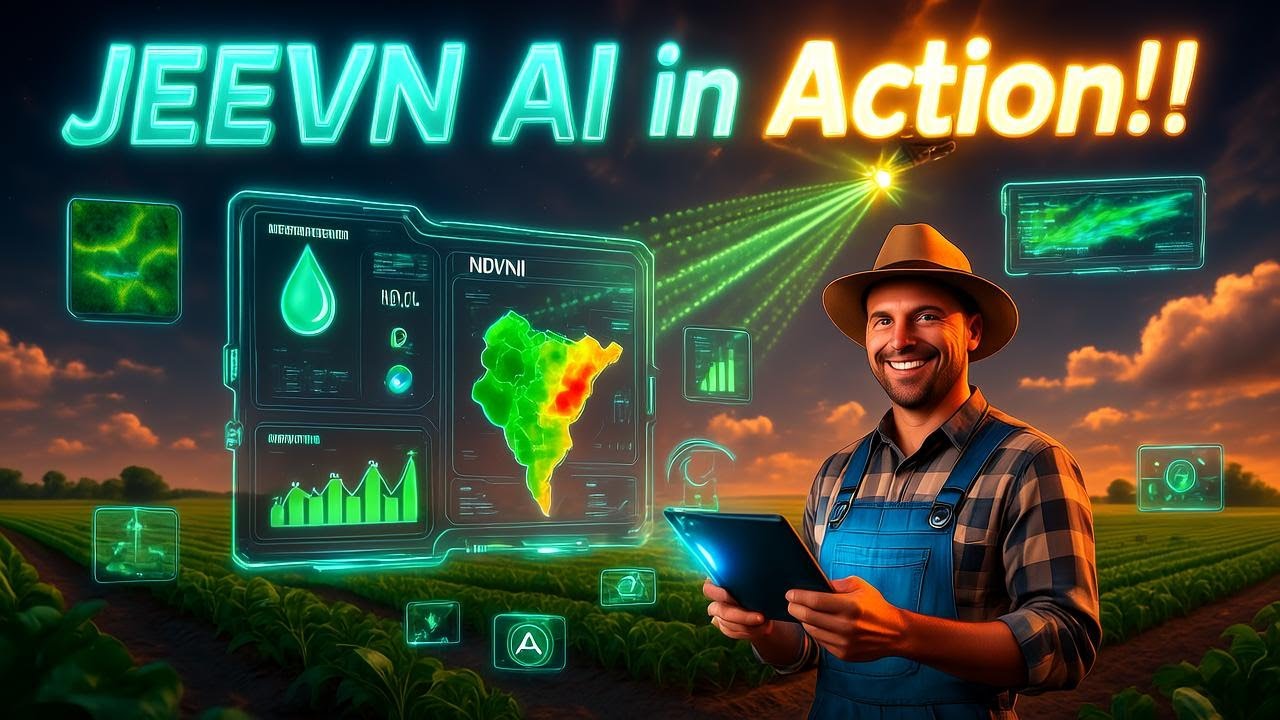
- AI Advisory System (Jeevn AI): Our system delivers farm-specific insights in real time—recommendations for irrigation, pest management, water efficiency, and climate risk planning based on satellite data and weather forecasts.
- Blockchain-Based Traceability: With secure agricultural traceability solutions, veterans can assure buyers of food origin, sustainability, and carbon credentials.
- Resource & Fleet Management: Manage farm equipment, monitor vehicle efficiency, and ensure fleet productivity and safety.
- Environmental Impact Tracking: Our technology enables carbon footprint measurement and compliance reporting for grants, loans, and emerging carbon markets.
- ✔ Affordable Subscription Model: Choose a monitoring package that fits your acreage and operations.
- ✔ Apps & API: Access from Web, Android, iOS or connect via API.
- ✔ Developer Friendly: Integrate tools with your existing management systems via developer docs.
Our tools provide measurable value for veteran farmers focused on sustainable agriculture, from yield risk reduction to meeting verification standards in carbon farming programs. Check how our large-scale farm management solutions help track and plan rotational strategies, grazing, irrigation, and field productivity—critical for multi-enterprise and regenerative operations.
For those in forestry or plantation systems, our crop, plantation, and forest advisory delivers zone-specific guidance for planting schedules, pest alerts, and soil improvement.
Frequently Asked Questions (FAQ)
1. Who is eligible for veteran farming programs in 2026?
Most veteran farming programs are open to US military veterans transitioning to or already engaged in agriculture, forestry, or allied rural enterprises. Some initiatives may require recent discharge, service-connected disability, or proof of farm income or land ownership.
2. What types of projects receive funding under veteran farming grants?
Eligible projects commonly include land acquisition, irrigation infrastructure, greenhouse establishment, cover cropping, soil health improvements, carbon farming practices, and development of direct market channels.
3. How do I apply for a veteran farming grant?
Each program sets its own application, but generally you’ll need a project plan, budget, proof of veteran status, and sometimes a business plan or succession strategy. Contact your local USDA office, state agriculture department, or Extension service to identify specific opportunities.
4. What role does technology play in veteran agriculture?
Satellite monitoring, AI-driven advisory systems, blockchain traceability, and digital farm management (as provided by Farmonaut) streamline compliance, optimize input use, and improve both productivity and environmental reporting.
5. Are mental health resources available through these programs?
Yes. Many veteran farming programs now integrate mental health and well-being support, recognizing the unique challenges faced by returning veterans in rural settings.
Conclusion: A Sustainable Pathway for Veterans in Agriculture
Veteran farming programs and veteran farming grants are rapidly redefining what it means to farm sustainably in the US. By 2026, these initiatives have become foundational—reducing unemployment, cultivating new generations of land stewards, and building resilient community economies.
The growing emphasis on climate-smart, carbon, and regenerative agriculture aligns these programs with broader policy and sustainability goals for American agriculture and forestry. From advanced training to next-generation market access and digital ecosystem services, there has never been a better time for veterans in agriculture.
As we at Farmonaut continue to make satellite-driven insights more accessible, we stand ready to empower veterans and rural entrepreneurs with tools for precision farming, climate compliance, and long-term success in soil health, water management, market participation, and sustainability reporting.
The sustainable future of rural America will be written by its dedicated stewards—veterans among them—who embrace innovation, stewardship, and community with every seed they sow.
Discussion
Questions, corrections or field experience? Share them below. First-time comments are reviewed before they appear, and your email is never published.
No comments yet. Be the first to add a question or your experience.

 CGIAR
CGIAR Hayleys Agriculture
 Linx Agritech
 Adinet
 Save Your Soils
 GalaxEye Space
 Grandstream Algérie
 XOS Realty
 Geospatial Lab Africa
 Agro La Gándara
 HIPSAC
 ZOL Zimbabwe
 Juligerm
 AdBio
AdBio MISE Maroc
 NWNS
NWNS Red August Group
 Farm Inc
 WeMe Global
 Licence holder · Niger · Gold










