

Massachusetts Farm Grants 2026 for Sustainable Growth: Empowering Agricultural Growth and Sustainability
“In 2025, over $15 million in Massachusetts grants will target sustainable agriculture and rural growth.”
Introduction: Massachusetts Farm Grants in 2026
Massachusetts farm grants remain a vital component of the Commonwealth’s continued economic and environmental resurgence. Our rich agricultural heritage shapes communities, offering fresh produce, supporting rural growth, and contributing to sustainability statewide.
For 2026, the state continues to prioritize the advancement of its farming sector by increasing access to a variety of grants and funding programs that stimulate innovation, growth, and resilience within agriculture.
Understanding Massachusetts farm grants is crucial for farmers, agricultural businesses, and any stakeholders interested in expanding or enhancing operations in our rural landscape. Let’s explore these programs, their impact, processes, and how satellite data technologies like those from Farmonaut can provide precision insights for sustainable growth.



Overview: Types of Massachusetts Farm Grants
There’s a diverse landscape of farm grants and programs in Massachusetts available in 2026—supported by the Massachusetts Department of Agricultural Resources (MDAR) and federal agencies like the USDA.
These financial incentives are designed to bolster the viability of farms, stimulate sustainable growth, and empower stakeholders to access the resources, technology, and capital needed for innovation and resilience within the fast-changing agricultural sector.
Here’s a breakdown of the key farm grant types available for 2026 and beyond:
1. Sustainable Agriculture Grants
- Focus on soil health, water conservation, carbon sequestration, and climate-resilient practices aligning with state and federal sustainability goals.
- Support for organic transition and integrated pest management techniques.
- Aim to reduce greenhouse gas emissions and improve yields while enhancing land stewardship across the Commonwealth.

2. Farm Viability Enhancement Program (FVEP)
- Helps farmers with business planning, infrastructure upgrades, and digital innovations.
- Notably emphasizes technology adoption for online sales and supply chain improvements in 2026.
- Ensures that Massachusetts farms can thrive in a competitive and changing food market.
3. Beginning Farmer Grants
- Support new farmers accessing land, training, and equipment.
- Help overcome barriers to entry such as high land costs and lack of networks.
- Drive generational renewal in the Massachusetts agricultural sector.
4. Capital Improvement Grants
- Provide funding for critical infrastructure upgrades: greenhouses, cold storage, solar panels, and efficient irrigation systems.
- Encourage adoption of renewable energy and climate-smart technologies.
- Align with the state’s commitment to greenhouse gas reduction in 2026.

5. Specialty Crop Block Grants
- Support projects that drive market access for fruits, vegetables, tree nuts, and additional specialty crops.
- Invest in marketing, research, and competitive development for these crops in regional and national markets.

Supplementary and Emerging Grant Programs for 2026
- Climate Resilience Grant Programs: Address climate risks, fund carbon sequestration projects, and improvements in water conservation systems.
- Equity in Agriculture Initiatives: Aim to increase access for minority and socially disadvantaged farmers, with a focus on inclusive eligibility and community impact.
- Innovative Technology Grants: Foster the adoption of precision agriculture, remote monitoring, and supply chain digitization for greater farm efficiency.
“More than 300 Massachusetts farms accessed climate resilience funds through state grants in 2024.”
Massachusetts Farm Grants Comparison Table (2025–2026)
| Grant Program Name | Purpose/Focus Area | Estimated Funding Amount | Application Deadline | Eligibility Criteria | Key Requirements | Number of Recipients (Est.) | Contact Info / Website |
|---|---|---|---|---|---|---|---|
| Sustainable Agriculture Grant | Sustainability, environmental impact, soil & water conservation | $20,000–$80,000 | Q1 2025 | MA farms, emphasis on sustainability practices | Demonstrate climate-resilient practices, environmental outcome tracking | 70+ | MDAR Programs |
| Farm Viability Enhancement Program (FVEP) | Business planning, infrastructure, technology | $15,000–$125,000 | Q2 2025 | Commercial farms, revenue thresholds apply | Business plan submission, infrastructure/market improvements | 90+ | FVEP Info |
| Beginning Farmer Grant | Access to land, equipment, training | $10,000–$50,000 | Q2 2025 | New or first-generation MA farmers, <5 years experience | Proof of need, viability plan | 60+ | MDAR: Beginning Farmer |
| Capital Improvement Grant | Infrastructure, renewable energy upgrades | $25,000–$100,000 | Q1 2025 | MA agricultural operations, commercial scale | Sustainability measures, GHG reduction plan | 80+ | Capital Grants |
| Specialty Crop Block Grant | Marketing, research, specialty crops | $10,000–$80,000 | Q2 2025 | Producers, non-profits focusing on eligible crops | Project proposal, market expansion objectives | 30+ | Specialty Crops |
| Climate Resilience Fund | Carbon reduction, adaptation to climate change | $20,000–$100,000 | Q1 2025 | MA farms, resilience project plan required | Resilience plan, measurable climate impact | 60+ | Climate Resilience |
| Equity in Agriculture Initiative | Diversity and inclusion, minority farmer support | $10,000–$60,000 | Q2 2025 | Minority, women, and socially disadvantaged farmers & groups | Equity goals, community development | 30+ | Equity Initiative |
Applying for Massachusetts farm grants in 2026 usually requires a clear sustainability, climate, and business improvement plan. Prepare documentation and seek technical support to strengthen your application.
How Massachusetts Farm Grants Empower Agricultural Growth and Sustainability
Massachusetts farm grants have a cascading impact on the state’s economy, environment, and communities.
By supporting climate-smart agriculture, grants align individual farm operations with state-level objectives for growth, carbon emissions reduction, and the preservation of natural resources.
- ✔ Increase Farm Viability: Enable farms to invest in infrastructure, soil health, and technology upgrades.
- 📊 Boost Rural Economies: Grants fuel local food systems, create jobs, and maintain vibrant communities.
- ⚠ Climate Resilience: Projects that emphasize adaptation and sustainability make farms less vulnerable to weather volatility.
- ✔ Market Expansion: Grants focused on marketing and specialty crops help producers reach new customers regionally and nationally.
- 🌱 Equity and Inclusion: Funding for minority and beginning farmers ensures a diverse agricultural landscape.
Top Environmental Benefits of Grant-Funded Projects
- 🌳 Tree-planting and cover cropping to enhance carbon sequestration
- 💧 Advanced irrigation systems for water use efficiency
- 🌾 Improved soil health through regenerative practices
- 🔋 Renewable energy installations, e.g., solar on farm outbuildings
- 🦋 Integrated pest management to reduce chemicals
How Farmers Can Use Farmonaut Tools to Support Grant Requirements:
- 📡 Real-time satellite monitoring for crop health documentation
- 🧮 Environmental carbon footprinting analysis
- 🔗 Blockchain-based traceability to ensure transparent, grant-compliant operations
- 📲 Access insights through web, API, Android, and iOS apps
- 🌐 Automated satellite & weather data APIs for regulatory reporting
For infrastructure or resilience grant applications, include satellite imagery and precise environmental data (available via Farmonaut apps and API) to objectively demonstrate impact.
Eligibility & Application Process for Massachusetts Farm Grants
Securing a Massachusetts farm grant in 2026 involves a competitive review where applicants must clearly demonstrate project feasibility, community benefit, and a long-term plan for sustainability.
Eligibility typically includes:
- ✔ Location: Operating a farm in Massachusetts, or in certain cases, being a resident of the state.
- ✔ Farm Type: Commercial, beginning, or specialty crop farms.
- ✔ Project Focus: Emphasizing sustainability, climate adaptation, or innovation.
- ✔ Community Impact: Programs with outcomes that strengthen rural communities are favored.
- ✔ Partnerships: Collaborations with researchers, extension services, technical providers can be a plus.
The application process generally follows these steps:
- Review eligibility for each program using the MDAR or USDA website.
- Develop a project proposal with clear sustainability and impact objectives.
- Prepare all required documents (e.g., budget, impact projections, environmental compliance).
- Submit application online by the grant deadline.
- Respond to requests for supplemental information or revisions during review.
- Await notification of funding and, if successful, complete all reporting requirements.

Incomplete budgets or missing documentation are leading causes for grant rejection. Ensure all forms, impact statements, and financial details are thorough and accurate.
📝 5 Key Grant Application Success Factors
- ✅ Clarity: State objectives, outcomes, and sustainability practices plainly.
- ✅ Alignment: Match your proposal to the grant’s focus area (e.g., “climate resilience,” “organic transition”).
- ✅ Data Support: Use satellite imagery, environmental monitoring data, or blockchain-based traceability for evidence.
- ✅ Collaboration: Involve local educators, technology providers, or cooperative partners when possible.
- ✅ Reporting Plan: Detail how progress and project impact will be tracked and reported.
Looking Ahead: Sustainability, Technology, and Inclusion in Massachusetts Agriculture (2026+)
The future of Massachusetts farm grants is driven by increasing demands for sustainability, environmental stewardship, and economic resilience.
Trends show a growing emphasis on:
- ✔ Innovative Technology: Including satellite monitoring, AI-based environmental tracking, and digital supply chain systems.
- ✔ Climate Resilience: Projects that not only adapt to but actively help to reduce emissions and enhance carbon sequestration on agricultural land.
- ✔ Market Access & Value-Added: Support for local food systems, online direct-to-consumer sales, and new market opportunities for specialty crops.
- ✔ Inclusion & Equity: Special programs for minority, women, and beginning farmers to ensure a thriving, diverse agricultural sector.
- ✔ Sustainable Infrastructure: Investment in renewable energy, water conservation, and modern farming practices.

How Farmonaut Satellite Technology Supports Massachusetts Sustainability Goals
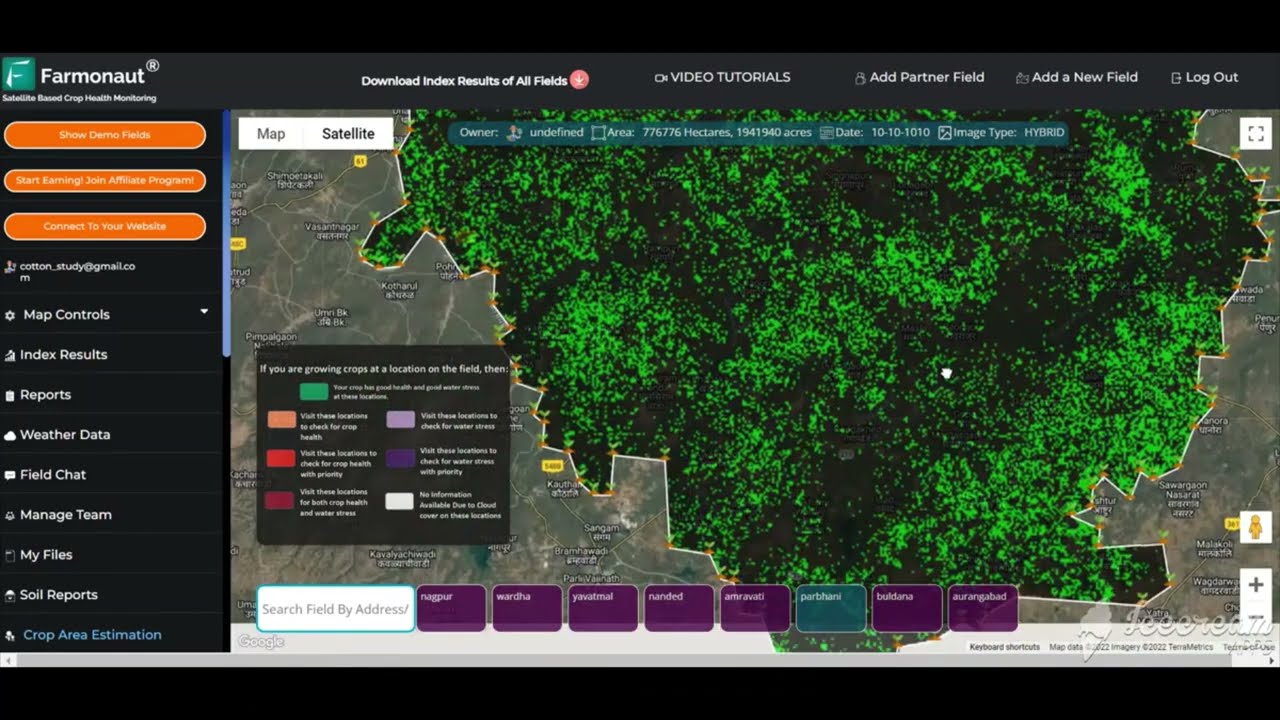
Advanced satellite technology and real-time data offer a substantial edge for farmers and grant applicants. At Farmonaut, we provide tools that enable agricultural decision-makers in Massachusetts to monitor, document, and verify sustainable practices and environmental impact.
Here’s how our satellite and AI-based technologies empower sustainable agriculture:
- 📡 Satellite Monitoring for Real-Time Crop Health: Use our sensors to monitor large-scale farm management, vegetation indices (NDVI), and soil moisture.
- 🤖 Jeevn AI Advisory System: Delivers real-time, weather-based, and AI-driven strategies to maximize yields and resilience.
- 🔗 Blockchain Traceability: Transparent record-keeping for grant compliance and supply chain trust.
- 🌱 Environmental Impact Tracking: Tools like our carbon footprinting solution help document emission reductions for climate-oriented grants.
- 🛰️ API Integration: Seamlessly incorporate satellite and environmental insights with Farmonaut’s developer APIs.
- 🚜 Resource and Fleet Management: Our fleet management system reduces energy use and improves operational efficiency—outcomes that also strengthen grant applications.
- 💰 Crop Loan & Insurance Support: Satellite-based crop verification to increase access to financing and ensure grant-funded projects are financially viable.

Grant programs in Massachusetts strengthen local food systems and help attract private sector investment by lowering operational risks and providing verified environmental performance — essential for forward-thinking stakeholders.
New and existing grant programs consistently evolve in line with technology adoption and climate policy. Watch for updates from MDAR, USDA, or official state resources in 2026.
The Farmonaut API & Developer Docs offer customizable, automated reporting for grants requiring detailed remote sensing, crop health, and environmental data.
Affordable Satellite Subscriptions for Grant-Backed Monitoring & Compliance
FAQ: Massachusetts Farm Grants 2026
What is the main purpose of Massachusetts farm grants?
The purpose is to stimulate innovation, sustainability, climate resilience, and economic viability for the Massachusetts agricultural sector by providing capital, technical support, and incentives for improvements.
Who is eligible to apply for these grants?
Eligibility generally applies to Massachusetts-based farms, cooperatives, and agricultural organizations, including beginning, minority, and specialty crop farmers. Each grant program has specific criteria relating to farm size, type, and project focus.
Are these grants available every year?
Most major programs are available annually with rolling application deadlines, but new programs may emerge, and funding levels can shift according to state and federal budgets.
Can I use grant funding for technology and sustainability upgrades?
Yes. A major push in 2026 is for technology adoption, carbon reduction, renewable energy, and digital systems in farm operations.
How can I use Farmonaut satellite technology for my grant project?
Our satellite monitoring, AI advisory, blockchain traceability, and fleet/resource management tools document and verify your project’s environmental impact, carbon reduction, and crop productivity, strengthening grant compliance and management.
Callout Tips: Maximizing Grant Impact
- 💡 Stay Updated: Grant cycles evolve; subscribe to the MDAR newsletter for notifications.
- 🕰️ Plan Early: Preparing environmental evidence or business proposals can take months; don’t wait until the deadline is near.
- 🤝 Leverage Technology: Utilize Farmonaut’s real-time tools for ongoing project monitoring and compliance checks.
- 📚 Connect Locally: Engage with local extension offices or land trusts that can provide extra support during the grant process.
- 🔬 Use Data: When possible, strengthen your application with AI-generated insights and environmental monitoring available via satellite or precision technology.
Conclusion: Using Massachusetts Farm Grants to Empower 2026 & Beyond
The Massachusetts farm grants framework for 2026 represents an unprecedented opportunity to advance agricultural growth, drive environmental stewardship, and build climate resilience for the entire Commonwealth.
For farmers, agricultural businesses, and all stakeholders interested in strengthening the state’s rural communities and food systems, understanding available grant options and leveraging data-driven tools like those offered by Farmonaut can make the difference between simply surviving and truly thriving.
Stay proactive. Embrace innovation. Invest in sustainability. The agricultural landscape of Massachusetts is ready for empowered, data-informed growth in 2026 and beyond.

 Byju’s
 Kubota
 FFBS
FFBS Jontra
 Kalustyan
 Tucor
Tucor Geno
Geno Hayleys Agriculture
 Linx Agritech
 Adinet
 Save Your Soils
 Grandstream Algérie
 XOS Realty
 Geospatial Lab Africa
