

What Is Illinois Known for Agriculture? 7 Key Facts for 2026
“Illinois produces over 2 billion bushels of corn annually, ranking second in the U.S. for corn production.”
“Soybeans from Illinois account for nearly 15% of total U.S. soybean output each year.”
Illinois stands at the heart of American agriculture. As we look towards 2026, the question, what is Illinois known for agriculture, becomes increasingly significant for analysts, policy makers, and anyone invested in the future of food, fiber, and fuel. The state‘s fertile soil, temperate climate, and extensive infrastructure enable high yields across a diverse range of crops and farming systems. But there’s much more to Illinois’s agricultural backbone—from advanced technologies to sustainable practices and the state’s pivotal economic role.
Table of Contents
- Illinois Agriculture: An Overview (2026 Outlook)
- Corn Production: Illinois’s National Leadership
- Soybean Impact: Protein, Crop Rotation, and Profitability
- Beyond Row Crops: Livestock, Dairy, and Specialty Sectors
- Agri-Infrastructure: Linking Fields to Global Markets
- Sustainability, Forestry, and Habitat Stewardship
- Advanced Farming & Precision Technologies
- Comparative Data: Illinois vs. U.S. Averages (2026)
- Key Callouts & Actionable Insights
- Farmonaut: Satellite Insights for Illinois Agriculture
- 2026 and Beyond: The Road Ahead for Illinois Agriculture
- FAQ: Illinois Agriculture
Illinois Agriculture: An Overview (2026 Outlook)
What is Illinois known for agriculture in the national psyche? The answer is multi-layered and evolving. Illinois is renowned for a robust agricultural sector—often described as the “cornerstone” of not only the state’s economy, but also of its rural communities and broader supply chains. As a quintessential member of the Corn Belt, it delivers consistent, high-volume production that feeds the world.
- ✔ Diversity: Illinois farmers manage a broad set of systems including corn, soybeans, wheat, specialty and forage crops, livestock, and forestry.
- 📊 Data insight: The region‘s fertile soil and climate enable some of the highest yields in the U.S.
- ⚠ Risk: Evolving climate conditions and global market disruptions require adaptive management and innovation.
- 🛤️ Infrastructure: World-class road, rail, and river corridors enhance logistics.
- 🌱 Sustainability: Illinois sets benchmarks in sustainable practices, cover crops, and rotational diversity.
Statewide Impact: Why Illinois Is an Agricultural Powerhouse
Its extensive infrastructure—spanning grain elevators, processing plants, biofuel facilities, and agribusiness hubs—ensures Illinois consistently ranks in the top three for U.S. corn and soybean production. The state contributes a substantial share of the nation’s food, feed, and fuel supply while exporting globally, especially benefiting from advanced farming and policy support.

Corn Production: Illinois’s National Leadership
Ask, what is Illinois known for agriculture? The answer: corn. Illinois is the second largest corn-producing state in the U.S., just behind Iowa. Each year, the state’s farms produce over 2 billion bushels of corn, dominating vast swathes of central and northern counties. Hybrid seed varieties, improved genetics, and efficient nutrient management are core to maximizing grain output—all while aiming to reduce environmental impact.
Illinois’s average corn yield is consistently among the highest in the world, with improvements in hybrid genetics, soil health, and precision irrigation supporting record-setting outputs.
Corn Farming Practices: Precision, Genetics, and Sustainability
- 🌽 High-Yield Corn: With fields stretching across the state, corn is the backbone crop, supported by hybrid varieties and data-driven field management.
- 💧 Water Management: Advanced drainage, soil moisture monitoring, and variable-rate irrigation help reduce environmental impact and optimize yields.
- 🧪 Efficient Nutrient Use: Use of controlled-release fertilizers, precision application, and residue management keep the soils fertile and environmentally sound.
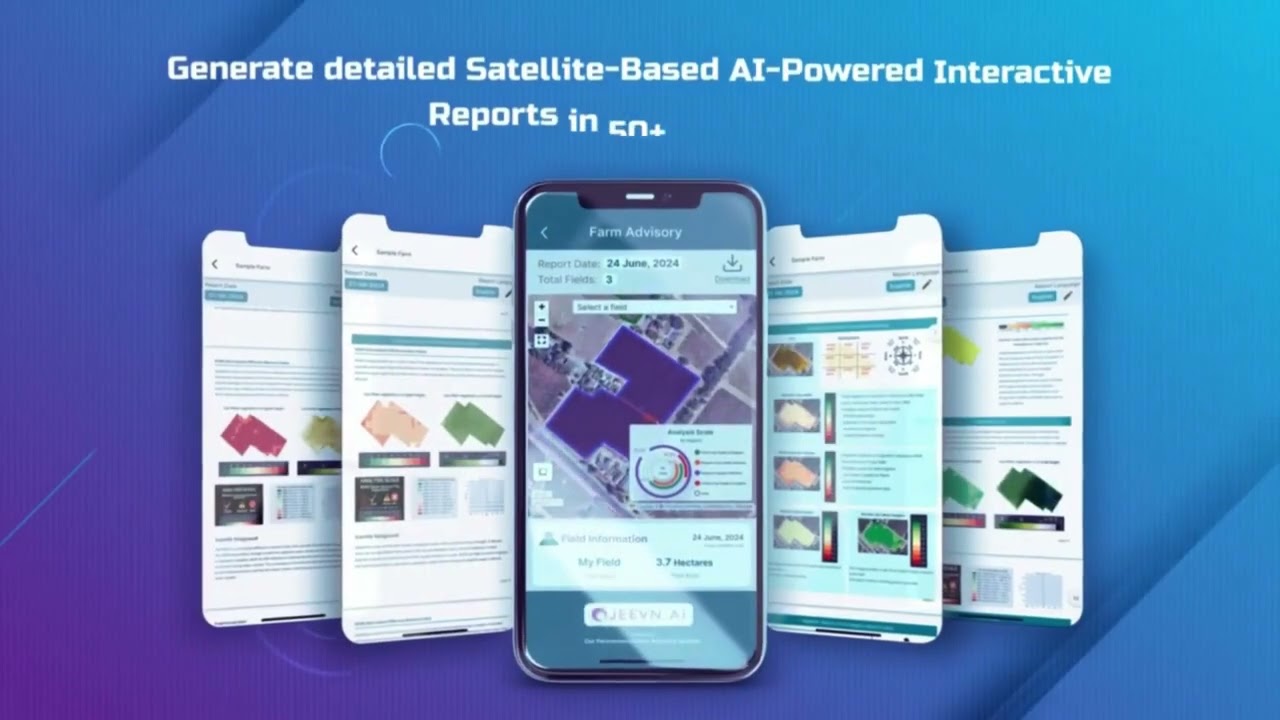
- 🚜 Technology: Tools such as remote sensing, yield monitoring, and AI-based platforms (like Farmonaut’s Jeevn AI Advisory System) enable smarter, timely decisions.

Innovations That Set Illinois Apart
- ⭐ Smart Sensor Networks: Soil, moisture, and crop health sensors are now standard across many Illinois farms, supported by real-time satellite data platforms.
- ⏩ Rapid Adoption: Illinois farmers frequently lead in adopting advanced equipment and software, offering a proof point for U.S. agricultural innovation.
- ♻ Sustainability: Many operations incorporate cover crops, no-till or reduced-till practices, and nutrient stewardship for both yield and conservation gains.

Integrating carbon footprint monitoring into your Illinois corn farm can boost your sustainability credentials and may access future market premiums or regulatory incentives in 2026 and beyond.
Soybean Impact: Protein, Crop Rotation, and Profitability
Next to corn, soybeans follow closely as Illinois’s most important crop. The state grows nearly 15% of all U.S. soybeans, making it foundational for both domestic consumption and the global trade market. Soybeans are vital for livestock feed (protein source), human food products, and emerging industrial uses, including biofuels and biodegradable goods.
Not utilizing soybean-corn rotations can lead to reduced soil health and more severe pest or disease cycles. Rotational diversity stabilizes production and improves long-term farm profitability.

Benefits of Soybean-Corn Rotation
- 🌱 Soil Health: Legume characteristics fix nitrogen, reducing fertilizer needs for subsequent corn crops.
- 🔄 Break Pest & Disease Cycles: Rotating helps reduce buildup of crop-specific pests and fungal pathogens.
- 💼 Economics: Rotation optimizes input use, stabilizes yields, and improves overall farm profitability.
Soybeans on the Global Stage
Illinois’s position is strengthened by state-of-the-art processing and logistics infrastructure that deliver protein-rich beans to domestic livestock producers and worldwide trade partners. Post-harvest, the beans are funneled into grain handling systems, processed into meal and oil, and shipped globally via road, rail, and the Mississippi River corridor.
Beyond Row Crops: Livestock, Dairy, and Specialty Sectors
Illinois agriculture is beyond just corn and soybeans. The state maintains a strong footprint in livestock (cattle, swine, poultry), dairy farming, specialty crops, and emerging sectors—anchored by processing facilities, feed mills, and a network of cooperatives.
Illinois agrifood sector is a magnet for investment due to its exports, robust logistics, and high-value processing, supporting broader value chains in North America and beyond.
Livestock and Value-Added Processing
- 🐄 Cattle & Dairy: Illinois produces milk, beef, and value-added dairy goods through integrated pasture and feedlot operations.
- 🐖 Swine Processing: A high-intensity pork industry, supported by in-state corn and soybean meal feed production.
- 🐔 Poultry: Growth in chicken and egg production, with strong integration of byproducts into regional supply.
- 🏭 Processing Capacity: Meat packing, grain milling, and dairy manufacturing hubs serve the Great Lakes and Midwest corridor.
- 🌿 Specialty Crops: Fruits, vegetables, and organic produce, though a smaller share, deliver diversification and local-market supply.
Cooperatives and Agribusiness Services
- 🚚 Storage Solutions: Local and regional cooperatives provide storage, marketing services, and information for Illinois’s farmers, helping them capture higher price signals.
- 🔗 Logistics Leadership: Agribusiness firms offer market access and risk management resources especially valuable during market or transport disruptions.
- 📦 Value Creation: Illinois grain and livestock sectors benefit from vertically integrated supply chains and large-scale market reach.
Agri-Infrastructure: Linking Fields to Global Markets
What is Illinois known for agriculture? Beyond what is grown, Illinois’s advantage lies in how products move. The state’s infrastructure is second to none. With major corridors, inland waterways (notably the Mississippi and Illinois Rivers), railway hubs, and highway systems, Illinois ensures efficient flow of commodities to global and domestic destinations.

Key Features of Illinois’s Agri Supply Chains
- 🚢 Barge Traffic: Heavy grain and feed shipments leave via river, enhancing Illinois’s role as a logistics and export center.
- 🚂 Railroads & Highways: Expedited movement to Eastern, Southern, and Western U.S. coasts ensures resilience during periods of market volatility.
- 🏭 Processing Hubs: Clusters of biofuel, ethanol, and soybean crushing facilities create a value-added processing network, particularly in central Illinois.
- 💧 Water Management: Extensive irrigation, drainage, and flood control protect against climate variability—underpinning stable production.
Illinois’s logistical might means farmers are supported not only in producing high volumes but also in capturing favorable price signals.
Sustainability, Forestry, and Habitat Stewardship
The agricultural sector of Illinois, alongside its woodland and forestry activities, is increasingly defined by sustainable practices and land stewardship principles. Agroforestry and controlled reforestation add value beyond immediate crop and livestock outputs, helping achieve carbon sequestration and resilient habitat restoration.
- 🌲 Woodland Management: Timberland and agricultural land are often managed together, with many farms integrating trees for economic, wildlife, and soil benefits.
- 🌳 Reforestation: State and federal programs encourage planting native species, enhancing rural biodiversity and environmental health.
- 🦌 Habitat Protection: Farm-forest edges are managed for pollinators, birds, and beneficial insects, aligning productivity with natural resource conservation.
- ⛏️ Mining Land Rehabilitation: In regions adjacent to mining activity, land-use planning ensures post-mining restoration aligns with agricultural or forestry re-use.
Environmental Stewardship Tools for Illinois Farms
- 🌍 Carbon Tracking: Integrate carbon footprinting systems on-farm to meet consumer and regulatory demands for sustainable production.
- ☑️ Blockchain Traceability: For full transparency in food and bio-based products, explore blockchain-based traceability solutions.
Sustainability is not simply an add-on in Illinois—it’s woven into field-level management. Adoption rates of cover crops and smart restoration are expected to exceed 40% of cropland by 2026.
Advanced Farming & Precision Technologies
As we approach 2026, a defining answer to what is Illinois known for agriculture is the rapid rise of precision agriculture and smart farm management. Farmers leverage satellite technology, AI-driven field monitoring, and big data analytics—enabling new efficiencies, sustainability, and profitability.
Digital Innovation in Illinois Fields
- 🛰️ Satellite Imagery: Platforms deliver real-time crop stress, soil health, and yield forecast data (see Farmonaut’s crop plantation/forest advisory system for actionable field insights).
- 📲 AI-Powered Decisions: AI tools structure fertilization, irrigation, pest scouting, and harvest windows for maximum return on input.
- 🎯 Variable-Rate Tech: Inputs are only added where needed, reducing cost and environmental impact.
- 🌦️ Climate Adaptation: Weather forecasts, in-season stress alerts, and remote crop health analysis are accessible via mobile and web applications.

Access satellite-based fleet and resource management tools to minimize downtime, ensure safety, and further optimize logistics in large-scale Illinois operations.



For automated insights, explore Farmonaut’s API and developer docs to integrate real-time agricultural monitoring into enterprise systems.
Comparative Data Table: Illinois Agriculture Key Metrics vs. National Averages (2026 Estimates)
| Category | Illinois Estimate (2026) |
U.S. Average (2026) |
National Share by Illinois (%) |
|---|---|---|---|
| Corn Production (bu/acre) | 215 | 185 | 17% |
| Soybean Production (bu/acre) | 66 | 54 | 15% |
| % Using Precision Farming | 60% | 44% | 13% of U.S. acres |
| Cover Crop Adoption Rate | 41% | 28% | 15% |
| Avg. Farm Size (acres) | 386 | 448 | N/A |
| Total Agricultural Output (2026 est.) | $20.5B | $470B | 4.4% |
Key Callouts & Actionable Insights
Illinois’s yield advantage is both climate- and management-driven. But input and technology costs require proactive ROI analysis—precision tools and digital advisory are critical.
When adopting advanced monitoring, connect with satellite-based crop loan and insurance services for seamless finance and coverage verification in Illinois.
Underutilizing logistics networks can delay shipments and erode profits—plan supply chain moves in advance.
Illinois is at the center of climate-smart agri-investment—look for opportunities in biofuel, sustainable processing, and digital agtech platforms.
Incorporate product traceability to provide assurance on origin, safety, and ethical practices. Certified transparency builds trust and can drive premiums.
Visual List 1: 📈 Illinois Agriculture’s 2026 Competitive Advantages
- 🔄 Advanced Crop Rotations: Intensive corn–soybean cycles stabilize output and soil health year-on-year.
- 🛰️ Satellite-Driven Monitoring: Broad use of multispectral data to inform real-time field management.
- 🧑🔬 Research Integration: Proximity to top research institutions translates lab breakthroughs into practical benefits.
- 🚛 Leading Logistics: Grain, feed, and dairy reach both coasts and world export nodes efficiently.
- 🌾 Sustainability Leadership: Cover crop and conservation rates outpace national averages, underscoring environmental stewardship.
Visual List 2: 🌱 Best Practices for Illinois Farming in 2026
- 📊 Adopt Data-Driven Solutions: Use large-scale farm management tools to unify field, fleet, resource, and climate data for decision making.
- 💰 Optimize Input ROI: Invest in the latest precision gear if payback is clear; track using digital dashboards for efficiency.
- 🌦️ Monitor Seasonal Risk: Use AI-based alerting to hedge against unseasonal weather, particularly rainfall and temperature swings.
- 🔬 Benchmark Sustainability: Regularly review carbon, soil, and water targets to ensure eligibility for future incentives or new consumer markets.
- 🛡️ Ensure Food Safety: Map your supply with traceability for domestic and export market confidence.
Illinois’s climate, while generally ideal for large-scale cropping, is increasingly variable—making adaptive strategies essential for continued growth.
Farmonaut: Satellite Insights for Illinois Agriculture
We at Farmonaut offer affordable, scalable satellite-based solutions specifically tailored for Illinois agriculture and similar advanced markets. Our real-time crop health monitoring, AI-driven advisory (Jeevn AI), blockchain traceability, and resource management services are used to:
- • Monitor soil, crop, and vegetation stress remotely for proactive management all season.
- • Deliver risk alerts and farm-level analytics via web/mobile/app/API—putting actionable data in the hands of every stakeholder.
- • Optimize logistics and fleet use to ensure harvests move efficiently from field to market—crucial in Illinois’s dense ag networks.
- • Meet sustainability goals and compliance more easily with digital carbon tracking.
- • Drive transparency with end-to-end traceability for both local processors and exporters, building market trust.
Our platform integrates seamlessly into existing farm, agri-business, and institutional operations in Illinois, providing a future-proof edge for the evolving agricultural landscape.
Try Farmonaut’s Subscription Services
2026 and Beyond: The Road Ahead for Illinois Agriculture
The future of what is Illinois known for agriculture will be shaped by an integrated system—outstanding crop production anchored by advanced processing and distribution networks, supported by leadership in livestock, forestry, and responsible land stewardship. A convergence of crop intensity, logistical prowess, digital innovation, and sustainable land use means Illinois is likely to maintain—and even extend—its leadership.
- • Climate Smart Solutions: Farmonaut’s environmental monitoring enables Illinois farmers to proactively manage both risk and opportunity in this changing landscape.
- • Diversified Markets: Growth in bio-based markets, renewable energy, and high-value export chains mean flexibility is rewarded.
- • Talent and Tech Adoption: Workforce readiness and new tech (including satellite, AI, blockchain, and automation) will define competitive advantage.
- • Supply Chain Resilience: Strong infrastructure buffers shocks, but dynamic, data-driven logistics are critical for 2026 and beyond.
“Illinois produces over 2 billion bushels of corn annually, ranking second in the U.S. for corn production.”
“Soybeans from Illinois account for nearly 15% of total U.S. soybean output each year.”
FAQ: What Is Illinois Known for Agriculture?
Q1: What crops are Illinois best known for?
A: Corn and soybeans are the primary crops in Illinois, consistently placing the state at the top of U.S. corn and soybean production rankings. Secondary crops include wheat, specialty vegetables, and fruits.
Q2: Why is Illinois called part of the “Corn Belt”?
A: Illinois is called “Corn Belt” country due to its high-yield, large-scale corn production supported by unique soil quality, favorable climate, and best-practice management strategies.
Q3: How does Illinois compare to other big agricultural states like California and Florida?
A: California is known for a wide array of fruits, nuts, and vegetables (what agriculture is california known for), while Florida is famed for citrus and sugarcane (what agriculture is florida known for). Illinois is especially renowned for row crops, livestock feed, and robust grain infrastructure.
Q4: What sustainable practices are common on Illinois farms?
A: No-till/reduced-till farming, cover cropping, water and nutrient stewardship, digital field monitoring, and emerging carbon tracking systems are widely adopted by Illinois farmers.
Q5: How is precision agriculture changing Illinois farming?
A: Precision ag integrates satellite and sensor data, automates field management, improves input utilization, and enables responsive, sustainable decisions—making it a growth driver for the state’s agriculture.
Q6: What is the future of Illinois agriculture beyond 2026?
A: The future will center on flexibility—balancing yield with sustainability via technology, diversified markets, smart logistics, and digital supply verification (including product traceability and robust environmental monitoring).
Conclusion: Why Illinois Remains an Agricultural Leader
In summary, when asking what is Illinois known for agriculture, the 2026 answer is multifaceted: premier corn and soybean production, industry-leading infrastructure, lightning-fast adoption of advanced farming and precision technologies, a high level of sustainable practices, and a deeply integrated system that supports American and global food security. With constant innovation and digital transformation, Illinois is not just keeping pace; it is defining the future of agriculture.
Whether you are a grower, policymaker, investor, or industry professional, Illinois’s agricultural model is resilient, efficient, diversified, and digitally powered by platforms like ours at Farmonaut—delivering real-time, actionable insights for smarter and more profitable farming.
Ready to see how satellite insights can improve your Illinois operation? Try Farmonaut today.

 HIPSAC
 ZOL Zimbabwe
 Innomick
 Juligerm
 AdBio
AdBio MISE Maroc
 Drift-Sense
 NWNS
NWNS Red August Group
 Farm Inc
 WeMe Global
 Agrotoken
 Blue BearX
 Insignito
 Croptimum
 DnCubed
 Field Capacity
 Indosistim Teknologi
 Liquify Digital
