

Why Would West Texas Farmers Need Dry Farming? Dry Farming in West Texas: Necessity, History, and Modern Relevance (2025 Guide)
“West Texas receives less than 20 inches of annual rainfall, making dry farming crucial for sustainable agriculture.”
- Introduction: Farming in West Texas—A Landscape of Challenges
- Understanding Dry Farming: A Method for Arid and Semi-Arid Regions
- Why Would West Texas Farmers Need to Practice Dry Farming?
- Why Did Some Texas Farmers Start Using Dry Farming Methods? (History & Legacy)
- Modern Relevance: Dry Farming Methods, Sustainability & Innovation in 2025
- Comparative Table: Dry Farming vs. Conventional Irrigation in West Texas
- Key Strategies & Practices for Effective Dry Farming
- Challenges & Barriers for Dry Farming in West Texas
- How Technology Can Help Dry Farming Thrive (Farmonaut Solutions)
- Frequently Asked Questions
- Conclusion: The Critical Importance of Dry Farming for West Texas in 2025—And Beyond



Introduction: Farming in West Texas—A Landscape of Challenges
West Texas is a landscape defined by its immense open spaces, rugged terrains, and a semi-arid to arid climate that sets it apart from the rest of the state. Unlike the verdant, rainfall-rich lands of East Texas, farming in West Texas is a story of adaptation under persistently dry and unpredictable conditions. Here, low annual precipitation and recurrent drought create unique challenges for farmers, crops, soil, and water management.
The region’s limited rainfall—often less than 20 inches per year—forces agricultural producers to rethink traditional European and humid-region farming methods. Instead, they must tailor their practices to the environment. As 2025 unfolds, understanding why would West Texas farmers need to practice dry farming—and the agricultural, environmental, and economic implications—is critical for anyone invested in the future of Texas agriculture.
Understanding Dry Farming: A Method for Arid and Semi-Arid Regions
Dry farming—also referred to as dryland farming—is an agricultural method that allows farmers to grow crops in regions with low or erratic rainfall—often without supplemental irrigation. Unlike irrigated systems, which continuously supply water to meet a crop’s needs, dry farming techniques aim to conserve soil moisture from natural precipitation and maximize every drop for crop production.
-
Key Features of Dry Farming:
- Primarily reliant on seasonal or annual rainfall (not on constant irrigation)
- Emphasizes soil management techniques to improve moisture retention
- Involves selecting crops & varieties suited to dry climate
- Utilizes tillage, mulching, residue management, and fallowing to reduce soil moisture loss
- Base all planting and crop management on rainfall timing and patterns
Dry farming is essential for farming in West Texas due to the limited, variable rain, water scarcity, and unique soil challenges. Adopting these techniques offers a resilient way to sustain crop yields without relying heavily on groundwater or surface water irrigation—resources that are, and will remain, scarce heading into 2025.
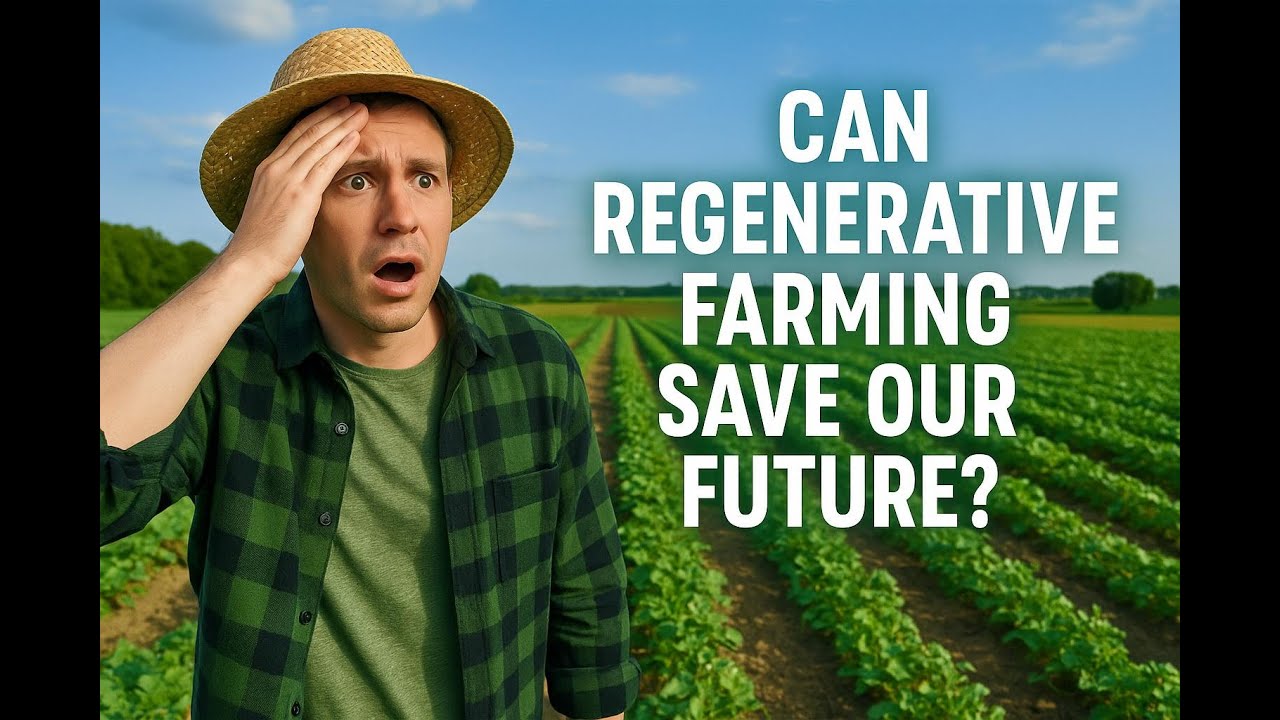
Why Would West Texas Farmers Need to Practice Dry Farming?
Let’s address the focal question: Why would West Texas farmers need to practice dry farming? This is not only a matter of tradition—it’s a necessity driven by climate, resource limitations, and the need for sustainable, resilient production.
1. Limited and Highly Variable Rainfall
The West Texas region (stretching across the Great Plains, including the Trans-Pecos and High Plains) receives average annual precipitation of just 10–20 inches. Even within that, rainfall is often erratic or poorly timed for key growth stages.
- Much of this rain arrives in short, intense bursts, followed by long dry spells—making many water-intensive crops impractical without secure irrigation.
- Dry farming techniques enable farmers to make the best use of each rainfall event, storing moisture for critical crop development periods.
2. Scarcity of Irrigation Water & Infrastructure
Unlike Central or East Texas, where surface water and rivers support irrigated systems, vast swathes of West Texas have limited access to any affordable source of supplementary irrigation. Much of the region once relied on the Ogallala Aquifer, but decades of intensive extraction have led to significant declines in water levels.
- Groundwater is often distant, expensive to pump, and unsustainable as a long-term solution.
- Dependence on irrigation infrastructure is a financial risk many small and medium Texas farming operations cannot bear.
- Dry farming—relying on seasonal rainfall and robust soil moisture management—offers a practical path to survival and profitability.
“Over 70% of West Texas farmland faces water scarcity, driving the adoption of dry farming techniques for survival.”
3. Soil Characteristics and Management
West Texas soils (soils) are often sandy, rocky, low in organic matter, and susceptible to erosion or crusting. This means that moisture is rapidly lost unless adaptive management techniques are employed.
- Dry farming methods like deep tillage, crop residue maintenance, fallowing, and organic mulching improve soil structure—helping it to retain valuable moisture through hot, windy periods.
4. Economic Considerations and Risk Reduction
Modern agriculture is a business—and the high costs of irrigation infrastructure (wells, pumps, pipes) can exceed the financial reach of many West Texas farmers.
- Dry farming is cost-effective: by relying primarily on rainfall and careful management, farmers reduce their input costs and financial risk, especially during drought years.
- It’s a way to maintain viable production when unpredictable precipitation would otherwise wipe out yields.
5. Environmental Sustainability and Long-term Resilience
As climate models project increasing drought frequency and continued declines in water availability, West Texas must adapt.
- Dry farming reduces water extraction pressure on already limited aquifers and surface resources—critical for the region’s future.
- It minimizes energy inputs (no pumps, less fuel use), and helps protect soil health through conservative management techniques.
- Sustainable agriculture is no longer optional—it’s a vital adaptation for West Texas’s survival as a productive farming region.

Why Did Some Texas Farmers Start Using Dry Farming Methods? (History & Legacy)
Dry farming has a profound history in West Texas, shaped by both environmental necessity and pivotal events in American agricultural history.
Historical Context: Early 20th Century to the Dust Bowl
In the late 1800s and early 1900s, as Anglo-American settlers moved into West Texas and the Great Plains, they brought with them farming techniques suited to wetter climates. This overconfidence quickly gave way to harsh reality—frequent crop failures, dust storms, and repeated droughts led to widespread hardship.
- The Dust Bowl era of the 1930s stands as the most dramatic example. Plowing up native grasses for intensive farming without proper moisture conservation led to massive topsoil loss, devastating dust storms, and an agricultural collapse that shaped U.S. policy.
- Why did some Texas farmers start using dry farming methods? Out of necessity. Extension agents and agricultural scientists began to promote dry farming practices—drawing lessons from the Great Plains, Montana, and even California.
- Key innovations included: Controlled tillage, summer fallowing, residue (stubble) retention, terracing (for erosion control), and drought-resistant crop selection.
By the late 1940s, agencies like the Soil Conservation Service (SCS, today’s NRCS) and New Deal programs helped embed dryland methods in the West Texas farming tradition. That legacy remains vital today as old risks resurge in a changing climate.

Modern Relevance: Dry Farming Methods, Sustainability & Innovation in 2025
As we approach 2025 and beyond, the relevance of dry farming in West Texas is greater than ever. Let’s explore the modern context, highlighting new challenges and the forward-looking innovations supporting sustainable agriculture in the region.
Dry Farming & Climate Change
Climatologists project more intense, longer drought periods in West Texas over the next few decades, alongside increased temperature variability and more erratic rainfall patterns.
- Dry farming techniques act as a safeguard for crop production and rural communities, enabling them to survive and even thrive amid climate uncertainty.
- Water conservation is more than a goal—it’s an existential necessity for the future of farming in West Texas.
Advances in Crop Genetics & Diversification
- Resilient crop varieties: Continued breeding (in wheat, sorghum, millet, legumes, and even cotton) has yielded varieties better adapted to drought, variable rainfall, and hot temperatures.
- Diversification of cropping systems reduces risk for farmers facing shifting climate conditions and marginal soils.

Emerging Technology Support for Dry Farming
- Soil moisture monitoring devices—including affordable sensors and remote sensing—make it easier for farmers to time planting, tillage, and fertilizer use precisely.
- Remote sensing & satellite data (like those integrated in Farmonaut’s carbon footprint monitoring solutions) enable ongoing monitoring of crop health, residue cover, and soil management, supporting precise decision-making for dry farming.
- AI-powered advisory apps (e.g., Farmonaut Jeevn AI) help farmers make data-driven choices about timing, crop selection, and input management, reducing mistakes in critical seasons.
Economic and Sustainability Benefits
- Dry farming limits input costs: No need for high-cost irrigation infrastructure.
- Environmental sustainability: By reducing groundwater extraction and total emissions (no pumping, less fuel), dry farming is a climate-smart solution for West Texas agriculture.
- Market advantage: Organic, traceable, and “climate-resilient” dry-farmed products are increasingly valued in specialty markets.
Comparative Table: Dry Farming vs. Conventional Irrigation in West Texas
| Aspect | Dry Farming (Estimated Values) | Conventional Irrigation (Estimated Values) |
|---|---|---|
| Annual Water Usage (liters/hectare) | 60,000–130,000 (relies on rainfall only) |
350,000–700,000 |
| Average Crop Yield (tons/hectare) | 1.0–3.0 (dependent on rainfall, crop selection) | 2.5–5.0 (generally higher and more stable) |
| Input Costs ($/hectare) | $120–$410 | $700–$1,800 (with equipment & pumping costs) |
| Soil Health Impact (qualitative) | Variable; can enhance soil structure & organic matter with proper residue retention and timing | Often leads to increased salinization & compaction if poorly managed |
| Suitability in Low Rainfall | Very High: specifically tailored for regions with <20 in. rainfall | Low–Moderate; requires reliable irrigation source |
| Carbon Footprint (kg CO2e/hectare) | 190–520 | 1,200–2,400 (due to energy use in pumping, fertilizer) |

Key Strategies & Practices for Effective Dry Farming in West Texas
To maximize productivity and ensure sustainability under dry and variable conditions, dry farming techniques must be precisely tailored. These key practices have proven effective in West Texas:
- Deep Tillage and Timely Seedbed Preparation: Opening up the soil profile before the rainy season enables better infiltration and storage of limited rainfall.
- Mulching and Soil Cover Management: Retaining crop residue or applying organic mulch helps prevent evaporation loss and shields soil from temperature extremes.
- Selection of Drought-Resistant Varieties: Choosing crops (wheat, sorghum, millet, certain legumes, and adapted cotton varieties) that can thrive with limited moisture.
- Crop Rotation and Diversification: Rotational planning builds soil fertility, interrupts pest cycles, and reduces the risk of total crop failure.
- Fallowing: Periodically leaving fields uncultivated to allow for moisture recharge.
- Residue Management: Using smart crop residue strategies to protect topsoil and moisture retention.
- Timely Planting: Sowing crops to align with predicted rainfall patterns—aided by weather forecasts and satellite tools.
Summary Table: Best Crops for Dry Farming in West Texas (2025)
| Crop | Typical Maturity (days) | Water Needs | Key Benefits |
|---|---|---|---|
| Sorghum | 100–120 | Low | Heat and drought-resistant, stable yields |
| Wheat (Hard Red, White) | 100–140 | Low–Moderate | Early planting, cold tolerant |
| Millet | 70–100 | Very Low | Short duration, survives on erratic rain |
| Chickpea & Legumes | 90–110 | Low | Soil-building, protein source |
| Cotton (Drought-Tolerant Varieties) | 120–160 | Moderate | Adapted to hot, dry conditions in Texas |
Challenges & Barriers for Dry Farming in West Texas
While dry farming offers significant benefits for West Texas farmers, it is also fraught with inherent challenges:
- Yield Variability: Dry farming systems are generally more variable and lower-yielding than highly managed, fully irrigated systems, especially in extremely dry years.
- Soil Risk: If improperly managed (over-tillage, residue removal), dry farming can lead to soil crusting, compaction, and erosion—as shown during the Dust Bowl.
- Knowledge & Labor Intensive: Dry farming requires diligent management, close observation of the weather, and timely field operations—posing challenges to less experienced or overstretched farmers.
- Market & Economic Risk: Some years, growing conditions are so poor that even the best methods yield little, challenging the economic viability of dryland-only farms.
The success of dry farming in West Texas relies on adaptation, ongoing education, and support through programs that foster soil conservation, water management, and risk reduction.
How Technology Can Help Dry Farming Thrive (Farmonaut Solutions)
In 2025, high-tech tools are transforming even the most traditional agricultural techniques. As a leader in agricultural technology, we at Farmonaut make it possible for West Texas farmers to combine the wisdom of dry farming with the power of modern analytics and precision management.
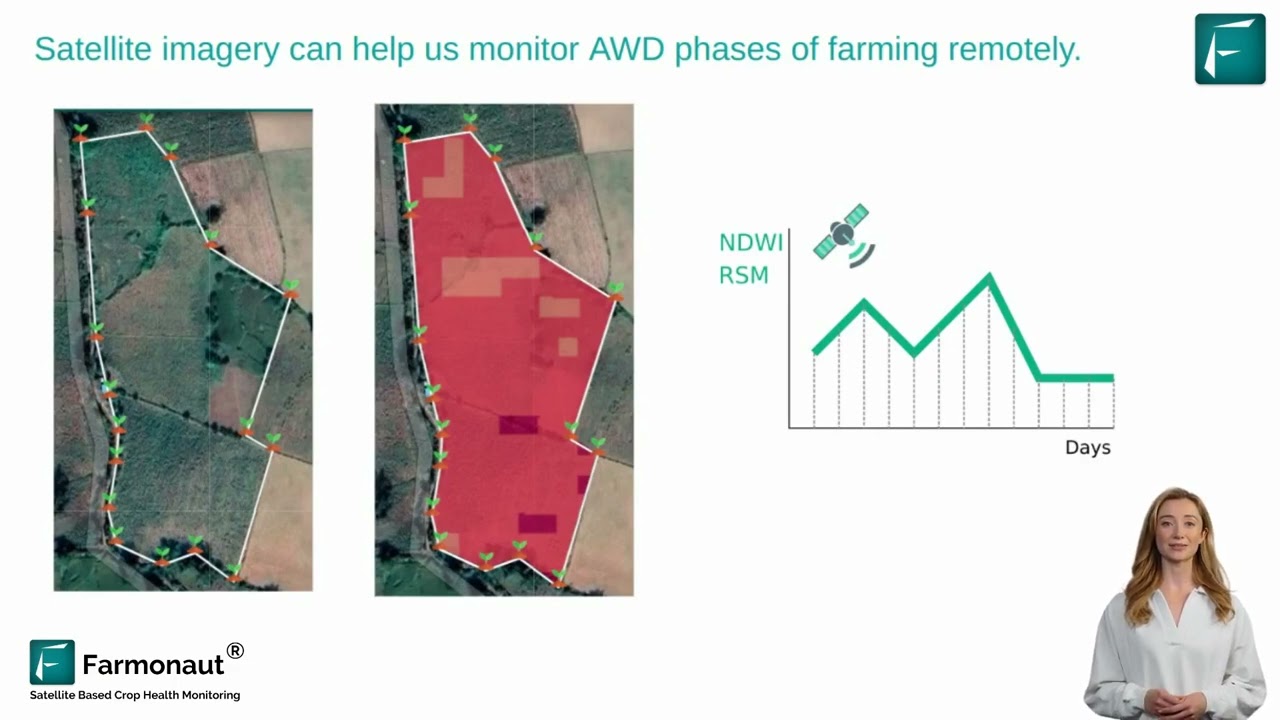
- Satellite-Based Crop Health Monitoring: Our platform leverages multispectral satellite images to give real-time insights into crop and soil health, ensuring smart interventions and timely actions, even during highly variable weather.
- Jeevn AI Advisory System: Our AI-driven advisory platform helps farmers with tailored recommendations—including planting and tillage timing—to optimize soil moisture retention and crop yields.
- Carbon Footprint & Environmental Compliance Tools: By using Farmonaut’s Carbon Footprinting tool, farmers and agribusinesses can track and reduce emissions tied to dryland (and irrigated) production, ensuring regulatory and market alignment with sustainability requirements.
- Traceability Solutions: With Farmonaut’s blockchain-based supply chain traceability, farmers can authenticate sustainable “dry-farmed” produce, opening up premium markets and building consumer trust.
- Fleet and Resource Management: Our Fleet Management Technology helps large and medium-sized farming operations reduce costs and resource wastage through efficient machine and logistics coordination.
- API & Integration: Developers and businesses can access Farmonaut API and developer docs to integrate weather, soil moisture, and crop data directly into their own farm management systems.
- Risk Reduction for Financing: By offering satellite-based verification for crop loans and insurance, we help farmers get access to financing based on verified, up-to-date farm data.
- Scalable Management Tools: For cooperatives, NGOs, government agencies, and large producers, Farmonaut’s Large Scale Farm Management platform provides customizable dashboards to oversee diverse dry-farmed acreage across West Texas.
Choose Your Farmonaut Subscription for Dryland & Modern Farming Success
Access farm management, satellite monitoring, crop health, advisory AI & traceability—all through affordable plans for every farm size.
Frequently Asked Questions: Dry Farming in West Texas
1. Why would West Texas farmers need to practice dry farming?
West Texas farmers must practice dry farming as rainfall is low, irregular, and regional water scarcity makes irrigation expensive or impossible. Dry farming enables sustained crop production using only natural precipitation, conserving resources, and ensuring long-term viability.
2. Is dry farming less productive than irrigated farming in Texas?
In terms of average annual yields, dry farming tends to be lower and more variable than full irrigation systems. However, it uses far less water, is less costly, and can prove more resilient in drought years, making it vital for risk management in West Texas regions.
3. What are the most common crops in West Texas dry farming?
Drought-adapted crops such as sorghum, wheat, millets, chickpeas, and some cotton varieties are commonly used. These crops can often mature and yield well even with highly variable seasonal precipitation.
4. How can farmers improve soil moisture retention in dry farming?
Key approaches include:
- Deep tillage before rainfall events
- Maintaining crop residue or mulch coverage to reduce evaporation
- Reducing soil disturbance
- Practicing proper field rotation and allowing for periodic fallow periods
- Choosing drought-tolerant crops and varieties suited to the local climate
5. Can technology really help dry farmers in West Texas?
Absolutely. Technologies like Farmonaut’s satellite monitoring, AI advisory, and real-time data help optimize field operations, inform crop and input selection, and minimize mistakes. These tools are transforming traditional practices for the modern era.
6. Does dry farming have environmental benefits?
Yes! Dry farming:
- Significantly reduces groundwater extraction
- Lowers carbon/energy footprint, especially compared to pumped irrigation
- Can improve soil health (if residue & cover management is followed)
- Supports long-term water & resource conservation in arid regions
7. Where can I access advanced farm management for dry farming?
You can manage your farm, get crop health analytics, and access AI-based advisory for dryland and irrigated farming through the Farmonaut App (Web, Android, iOS).
Conclusion: The Critical Importance of Dry Farming for West Texas in 2025—And Beyond
Dry farming remains not just a tradition, but the bedrock of resilient, sustainable agriculture in West Texas. In a region defined by low rainfall, water scarcity, and extreme climate, dry farming practices offer the most adaptive, environmentally responsible, and cost-effective method to sustain food and economic security.
Whether managing family acreages or broad enterprise operations, West Texas farmers stand on the legacy of those who survived and innovated through the Dust Bowl and postwar decades. Heading into 2025, these lessons carry even greater urgency, as climate change, resource constraints, and market demands push agriculture toward higher sustainability standards.
Modern technology is not replacing the wisdom of dry farming—it is enhancing it. Advanced systems such as our Farmonaut platform enable real-time decision-making, sustainable resource use, and traceable, environmentally-friendly farming at all scales. The future of farming in West Texas—and regions like it across the globe—will depend on how well we integrate time-tested dry farming techniques with data-driven, AI-supported management methods.
Dry farming is not a stopgap—it’s the cornerstone for a future where agriculture must thrive under the pressures of scarcity, volatility, and environmental change.
If you’re ready to optimize your land, water, and yields—download the Farmonaut app or explore our advanced solutions today.
Discussion
Questions, corrections or field experience? Share them below. First-time comments are reviewed before they appear, and your email is never published.
No comments yet. Be the first to add a question or your experience.

 Blue BearX
 Insignito
 Croptimum
 Dalmia Bharat Sugar
 DnCubed
 Pistachio ST
 Field Capacity
 Indosistim Teknologi
 Liquify Digital
 CU Foods
 BeyondTech Global
 Rouge VC
 AgroGreen Dynamics
 AgroRisk
 Oath Inc
 Reddane Farming
 Esri North East Africa
 Cresol
 MDCV UK
 Licence holder · Niger · Gold










