

Table of Contents
- What is Integrated Weed Management?
- Why Integrated Weed Management Matters for Sustainable Agriculture
- Integrated Weed Management for Sustainable Agriculture: 7 Steps
- IWM Strategies Comparison Table
- The Transformative Role of Technology & Farmonaut in IWM
- Overcoming the Challenges of Integrated Weed Management
- FAQs on Integrated Weed Management (IWM)
- Conclusion: Embracing IWM for Sustainable Agriculture
Integrated Weed Management for Sustainable Agriculture: 7 Steps
Meta Description: Discover the power of Integrated Weed Management for sustainable agriculture. Learn 7 proven steps to sustainable weed control, reduce herbicide use, boost crop yields, and protect soil health.


Understanding Integrated Weed Management
As we all strive for sustainable agriculture, the need for effective weed management strategies is more crucial than ever. Integrated Weed Management (IWM) provides a comprehensive approach to weed control by combining cultural, mechanical, biological, and chemical weed control methods. This holistic strategy not only aims to manage and suppress weed populations effectively but also ensures minimized economic, health, and environmental risks.
At its core, IWM involves combining multiple weed control tools and strategies tailored to specific agricultural systems. By prioritizing sustainable weed management, we can achieve ecological balance, promote soil health, and reduce our reliance on herbicides.
According to Rodale Institute, Integrated Weed Management is a sustainable method to keep weed populations below levels that cause economic harm, ensuring that crops can thrive without excessive weed competition.
Why Integrated Weed Management Matters for Sustainable Agriculture
Sustainable agriculture demands we rethink our approach to weed control. Overreliance on chemical herbicides leads to herbicide resistance, threatens soil health, and disturbs ecological balance. The integrated weed management paradigm offers:
- Reduced chemical input—Minimizing the application of herbicides protects environmental health and biodiversity.
- Enhanced crop yields—Effective weed suppression means more resources for crops, boosting productivity and crop quality.
- Economic advantages—Optimized practices reduce costs associated with herbicide use and labor.
- Resilient systems—Diverse strategies lower the chance of weed resistance development and help adapt to changing threats.
By combining multiple weed management methods—from traditional mechanical approaches to advanced, data-driven solutions like those offered by Farmonaut—we can ensure that agricultural production remains both profitable and ecologically sustainable.
Let’s now dive into the components that make IWM a game-changer in sustainable weed management.
Integrated Weed Management for Sustainable Agriculture: 7 Steps
To achieve sustainable weed management and maximize crop yields while maintaining soil health and environmental benefits, it’s important that we adopt a 7-step integrated weed management strategy. Each step works synergistically to enhance weed control and create a productive, balanced agricultural system.
Step 1: Crop Rotation for Weed Control
Crop rotation involves alternating different crops in a single field across seasons. Rotating crops interrupts the life cycles of various weeds, reduces weed pressure, and minimizes risks of weed resistance development. For example, rotating from maize to legumes disrupts the weed populations that specialize on a single crop, and is one of the foundational weed control methods in IWM.
- Disrupts weed life cycles: Makes it difficult for weeds to adapt and thrive.
- Enhances crop competitiveness: Each crop brings its own set of management practices that target specific weeds.
- Improves soil structure: Helps prevent soil degradation and supports soil health.
Step 2: Cover Cropping Benefits
Cover cropping means planting specific crops like clover or rye during the off-season to suppress weed growth. Cover crops not only outcompete weeds for sunlight, water, and nutrients but also improve soil organic matter and promote ecological balance.
- Suppresses weed emergence by creating a dense canopy.
- Improves soil moisture and organic content.
- Contributes to sustainable agriculture and carbon footprint reduction.
Learn more about Farmonaut’s carbon footprinting solutions—a cutting-edge tool that measures and reduces the environmental impact of agricultural practices, aligning perfectly with cover cropping strategies.

Step 3: Optimal Planting Times and Row Spacing
By adjusting planting schedules and configuring row spacing optimally, we promote rapid canopy closure that shades out light-hungry weeds at critical growth stages. This cultural weed management method strengthens crop competitiveness while reducing reliance on herbicides.
- Earlier planting or denser row spacing inhibits weed establishment.
- Leads to stronger, healthier crops with reduced weed pressure.
- Supports ecological balance without chemical input.
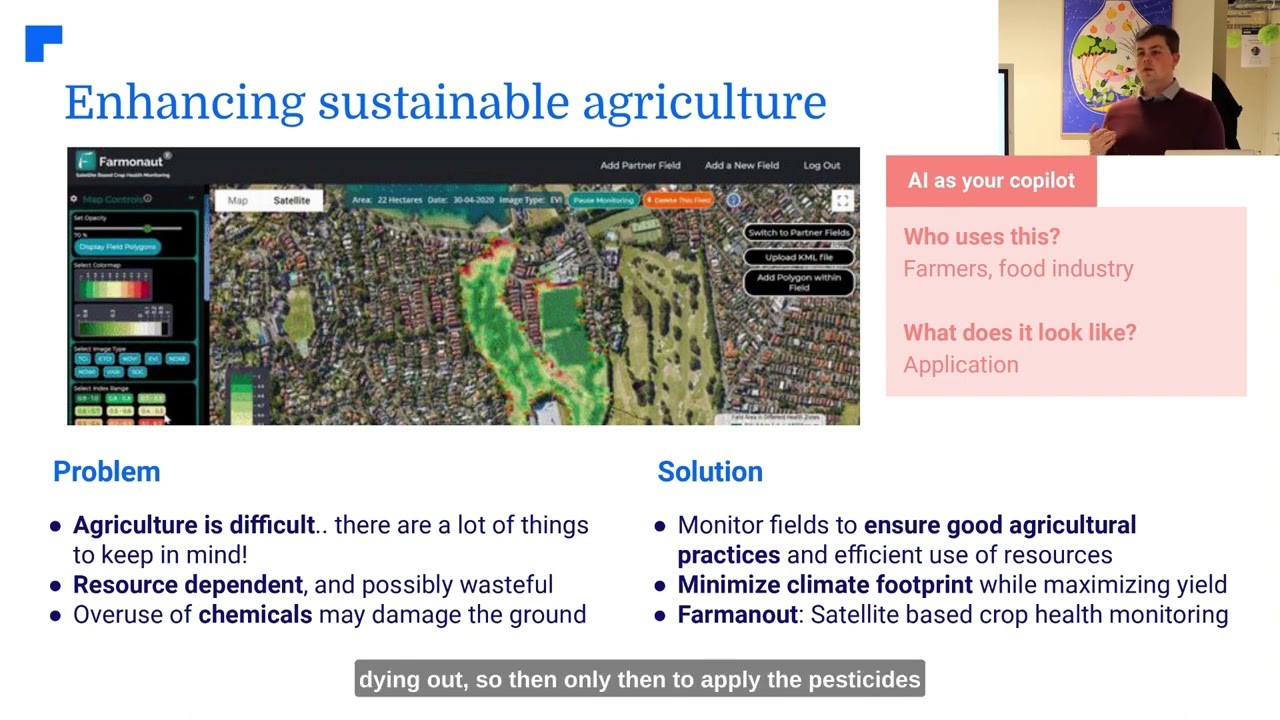
Data-driven insights from Farmonaut’s satellite-based monitoring assist in identifying optimal planting times and configurations based on real-time field conditions. Access it through the Farmonaut App for actionable intelligence on your farm.
Step 4: Mechanical Weed Removal and Tillage
Mechanical methods involve physical destruction or removal of weeds before they set seed. These include tillage, mechanical weeding, mowing, and mulching. Each practice plays a unique role:
- Tillage: Incorporates weed seeds and uproots established weeds. However, excessive tillage should be avoided to prevent soil erosion and degradation.
- Mowing: Cuts weeds early to prevent seeding.
- Mulching: Restricts light, reducing weed emergence and supporting soil moisture retention.
For modern farms, mechanical weed removal tools can be used alongside satellite-based weed mapping from platforms like Farmonaut.
If you manage fleets or large areas, Farmonaut’s Fleet Management solution helps in deploying and tracking machinery for mechanical weed control to improve efficiency and reduce operational costs.
Step 5: Biological Weed Control (Use of Beneficial Organisms)
Biological weed control introduces natural enemies—like herbivorous insects, fungi, or bacteria—to target specific weeds. This method reduces herbicide reliance and encourages a diverse agricultural ecosystem.
- Targets weed populations without harming crops or the environment.
- Integrates with cover cropping and crop rotation for long-term sustainable weed management.
- Reduces the environmental impact of weed control.
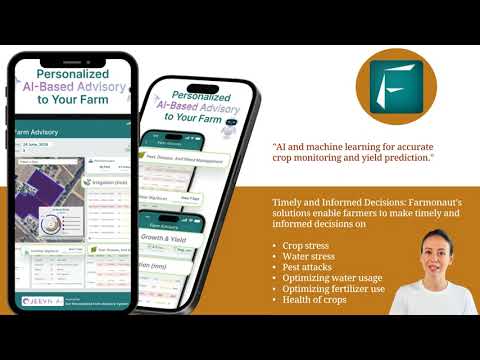
With AI-based monitoring tools such as Jeevn AI Farm Advisory by Farmonaut, we can identify weed-infested patches and recommend the best biological control measures tailored to each situation.
Step 6: Judicious Chemical Application and Herbicide Use
Even in integrated weed management systems, chemical control retains a role. However, the emphasis is on judicious, targeted application:
- Selecting specific herbicides with different modes of action to prevent resistant weed strains.
- Precision weed management technologies like GPS-guided sprayers and drones reduce the area and amount treated, minimizing environmental impact.
Modern solutions such as Farmonaut’s precision imagery help map weed populations for site-specific spraying and crop health diagnosis. This approach significantly reduces chemical input and promotes sustainable agriculture.
Step 7: Continuous Monitoring, Evaluation, and Adaptation
Effective IWM is an ongoing process. To address new challenges—such as shifting weed populations or the appearance of resistance—we must continually monitor fields, evaluate method effectiveness, and adapt strategies.
- Use satellite imagery, sensors, and drones for real-time weed and crop monitoring.
- Leverage platforms like Farmonaut for field-specific recommendations, reporting, and adaptive planning.
- Maintain detailed records to inform future management decisions and respond proactively to shifts in weed communities.
Combining these digital tools with traditional knowledge ensures we always stay ahead, keeping weed populations below economic thresholds and protecting our crop investment.
Comparison Table of Integrated Weed Management Strategies
To help visualize the impact of each step in IWM, here’s a comparative overview of the 7 core strategies and their benefits:
| Step | Weed Management Method | Estimated Weed Reduction (%) | Estimated Crop Yield Boost (%) | Environmental Benefit |
|---|---|---|---|---|
| 1. Crop Rotation | Alternating crops across seasons to disrupt weed life cycles | 30–60% | 10–15% | High (improves soil, reduces chemical use) |
| 2. Cover Cropping | Using cover crops to suppress weeds & improve soil | 40–70% | 8–14% | High (reduces erosion, adds organic matter) |
| 3. Optimal Planting & Row Spacing | Modifying times and row configurations for canopy closure & shading | 15–30% | 8–12% | Medium–High (no chemicals) |
| 4. Mechanical Removal & Tillage | Tillage, mowing, and mulching to physically remove weeds | 40–80% | 7–11% | Medium (possible erosion if not managed) |
| 5. Biological Control | Using natural predators/pathogens to suppress weeds | 20–50% | 7–10% | High (supports biodiversity, reduces chemicals) |
| 6. Judicious Chemical Application | Targeted, minimal herbicide use with precision application | 50–90% | 10–13% | Medium (reduces environmental harm if well-managed) |
| 7. Monitoring & Adaptation | Continuous evaluation and adjustment of IWM tactics | 15–40% | 5–8% | High (responsive, adaptive, and sustainable) |
As demonstrated, combining multiple methods in an IWM plan achieves far superior results than relying on a single weed control approach.
The Transformative Role of Technology & Farmonaut in Integrated Weed Management
The adoption of advanced technology is rapidly enhancing the effectiveness of integrated weed management. Digital platforms such as Farmonaut are making precision weed management accessible and affordable for all scale of farmers worldwide.
Key Technological Advancements in Sustainable Weed Management
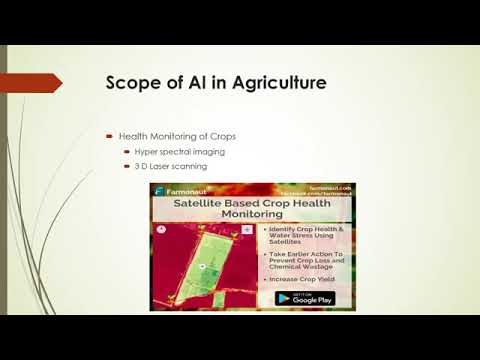
- Satellite-Based Crop Monitoring: Real-time identification of weed infestations and crop health via multispectral imagery. Farmonaut leverages this to help farmers detect, map, and quantify weed pressure for site-specific management.
- AI & Machine Learning Analysis: AI-driven tools like Farmonaut Jeevn Farm Advisory personalize weed control recommendations based on field data, weather, and growth stage.
- Precision Application Technologies: Using GPS, drones, or robotics for targeted herbicide delivery—reducing environmental impact and chemical usage. Farmonaut’s platform offers even more control with blockchain traceability for environmental auditing and compliance (Traceability Solutions).
- Fleet and Resource Monitoring: Farmonaut’s Fleet Management helps track machinery logistics for weed control operations, lowering operational costs.
- Continuous Carbon Footprinting: For agribusinesses seeking to measure and reduce their carbon emissions and validate sustainable practices, Farmonaut Carbon Footprinting is a key resource.
For those managing large scale farm operations or requiring comprehensive crop management in forestry, visit Farmonaut’s Large Scale Farm Management platform for a powerful, scalable solution with multi-block satellite and AI monitoring.
Want to try these technologies? Register for Farmonaut’s Web and Mobile Apps today, or connect with our Farmonaut API for custom integrations.
Why is Precision Important in Weed Management?
Precision reduces herbicide use, saves on input costs, and supports sustainable agriculture. With high-resolution monitoring, we can pinpoint problem areas and apply weed control only where it’s needed, vastly improving environmental outcomes.
Additionally, Farmonaut’s remote sensing solutions for Crop Loan and Insurance can help validate farmland conditions and weed management efforts for easier loan approvals and insurance claims.
Overcoming the Challenges of Integrated Weed Management
Implementing IWM isn’t without its challenges. It requires a coordinated effort, ongoing learning, and access to accurate data:
- Knowledge & Training: Continuous education on emerging weed species, chemical modes of action, and biological control agents is essential. Partnering with digital advisory systems like Jeevn AI can fill this gap for farmers everywhere.
- Balancing Control Methods: It’s crucial to integrate (but not overuse) different tactics, preventing negative trade-offs like soil erosion from excessive tillage or biodiversity loss from overuse of herbicides.
- Monitoring & Adaptation: Technology like Farmonaut’s satellite monitoring automates regular field checks, supports granular risk assessment, and enables rapid decision-making to optimize effectiveness.
- Resource Access: Affordable, scalable IWM systems like Farmonaut’s ensure that both smallholders and large agribusinesses can access the latest tools without high capital investment.
For extended advisory, crop plantation, and forest management needs, check out the comprehensive Crop Plantation & Forest Advisory platform by Farmonaut.
The future of weed management rests in integrating traditional practices with advanced technology—empowering us all to achieve sustainability and productivity.
FAQs on Integrated Weed Management (IWM)
Conclusion: Embracing IWM for Sustainable Agriculture
Integrated Weed Management is more than just a set of weed control techniques—it’s a mindset for sustainable, productive agriculture. By thoughtfully combining cultural, biological, mechanical, and chemical tools, we minimize risks to crops, human health, and the environment. With technological advancements like Farmonaut’s satellite monitoring and AI-based advisories, IWM strategies are now accessible and affordable for all.
Let’s commit to integrated weed management for a future where our farms thrive, our yields rise, and the environment is preserved for generations.
Get started with Farmonaut’s platform for affordable, data-driven IWM solutions, and join the movement towards sustainable agriculture today!



Discussion (1)
Questions, corrections or field experience? Share them below. First-time comments are reviewed before they appear, and your email is never published.
No comments yet. Be the first to add a question or your experience.

 KJBN Labs
 SFX
SFX BACF Africa
 Doodlakine
 Exurbia Geospatial
 FieldZero
 Indico Company
 Kubota
 FFBS
FFBS Jontra
 Tucor
Tucor
