

What Is the Land Use for Most of India? Key Facts
“Over 60% of India’s land is used for agriculture, making it one of the world’s largest agricultural economies.”


Introduction: Understanding Land Use in India
Land use in India is a complex mosaic, shaped by decades of agricultural practices, socio-economic factors, varied geography, and an ever-evolving climate. Our country’s land is not merely an expanse but a vital resource that sustains over a billion people, supports diverse ecosystems, and underpins our economic activities. Understanding land use patterns in India is critical for promoting sustainable development, improving agricultural productivity, and ensuring effective environmental conservation.
In this comprehensive exploration, we will break down the details of agricultural land distribution, the extent and importance of forest cover in India, the impact of urbanization, and sustainable solutions to address the challenges of land use in India. Each section will provide data, detailed explanations, and actionable insights.
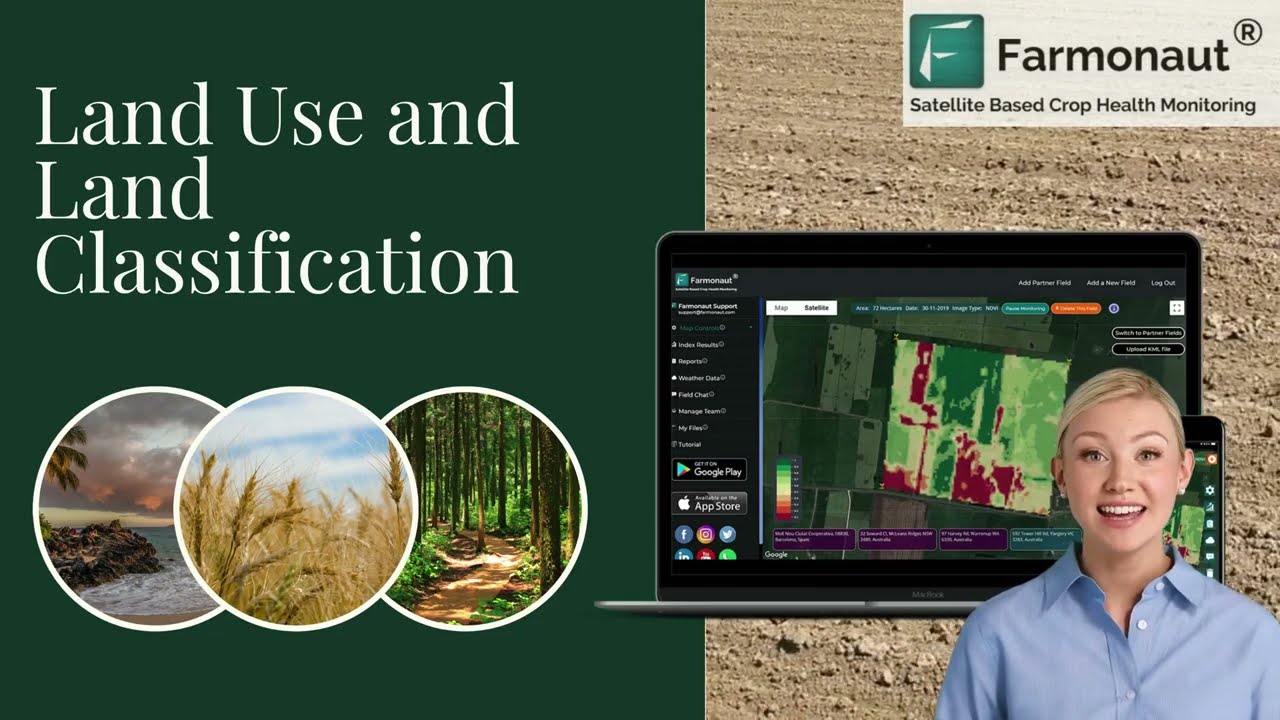
Total Land Area and Classification in India
India is the seventh-largest country globally, spanning approximately 2,973,190 square kilometers. The Ministry of Agriculture systematically classifies land based on use and quality, providing a foundational structure for policy and sustainable management. Understanding this land classification in India is crucial for effective utilization and conservation strategies.
Nine Key Land Use Categories in India:
- Net Sown Area (NSA): The land actively used for cultivation; approximately 140 million hectares (about 43.5% of the total reporting area).
- Forests: Encompassing 71 million hectares, forests account for 22% of the area.
- Land Put to Non-Agricultural Uses: 28 million hectares (8.7%)—urban development, roads, and industrial expansion.
- Barren and Unculturable Land: 17 million hectares (5.3%), comprised of deserts and rocky terrains unsuitable for cultivation.
- Permanent Pastures and Grazing Land: 10 million hectares (3.1%), vital for livestock.
- Miscellaneous Tree Crops and Groves: 3.2 million hectares (1%), including orchards outside the NSA.
- Culturable Waste Land: 12 million hectares (3.8%), potentially cultivable but currently underutilized.
- Fallow Land Other Than Current Fallows: 9.5 million hectares (3%), temporarily not under cultivation.
- Current Fallows: 14 million hectares (4.4%), left uncultivated for a brief period to allow soil recovery.
These categories reflect not only the land’s current function but also its potential, limitations, and future development prospects.



Land Use Distribution in India: Estimated Percentages and Key Features
This table highlights the primary types of land use in India, their estimated proportion, key characteristics, major regions, and associated sustainability challenges.
| Land Use Type | Estimated % of Total Land | Key Characteristics | Major States/Regions | Sustainability Challenges |
|---|---|---|---|---|
| Agricultural Land | ~60% | Cereals, oilseeds, pulses; double cropping, irrigation, NSA, GCA | Uttar Pradesh, Punjab, Haryana, Maharashtra, West Bengal, Andhra Pradesh | Soil degradation, land fragmentation, over-irrigation, monoculture |
| Forest Cover | ~21-22% | Reserved/protected forests, biodiversity hotspots, forest plantations | Madhya Pradesh, Chhattisgarh, Arunachal Pradesh, Odisha | Deforestation, encroachment, biodiversity loss, forest fires |
| Urban Areas | ~8.7% | Cities, towns, infrastructure, industrial parks | Delhi NCR, Mumbai, Bengaluru, Chennai, Hyderabad, Kolkata, Ahmedabad | Urban sprawl, loss of agricultural land, pressure on resources |
| Grasslands/Pasture | ~3.1% | Permanent pastures, grazing lands for livestock | Rajasthan, Gujarat, Maharashtra, Karnataka | Overgrazing, desertification, underutilization, land degradation |
| Other Uses (Barren, Water Bodies, Misc.) | ~7.2% | Barren lands, culturable waste, water bodies, rocky terrains | Thar Desert (Rajasthan), Deccan Plateau, Central India, Large Rivers | Soil erosion, salinity, waterlogging, unproductive land |
“Forests cover about 21% of India’s land, highlighting ongoing challenges in balancing conservation and urban expansion.”
Agricultural Land Distribution and Net Sown Area
When we examine land use in India, it becomes clear that agriculture is the predominant activity. Approximately 60% of the total land—over 140 million hectares—is tied to farming. Net Sown Area (NSA) is the principal metric here, representing portions of land actively used for cultivation during the agricultural year.
What is the Net Sown Area (NSA)?
- NSA illustrates the actual portion of land sown with crops—the foundation of food security and rural livelihoods.
- In India, over 140 million hectares form the NSA, indicating our country’s strong agricultural base.
Gross Cropped Area (GCA) and Cropping Intensity
Beyond NSA, we consider the Gross Cropped Area (GCA), which represents the total area sown once and then again with different crops within the same year. India’s average cropping intensity is about 145%, meaning a significant portion of cultivated land is used multiple times annually—an indication of maximum resource utilization.
- Cropping Intensity = (GCA/NSA) x 100
- High cropping intensity signals better land utilization but also heightens the need for prudent soil management and irrigation.
- Major crops: rice, wheat, pulses, oilseeds, sugarcane, cotton, and maize.
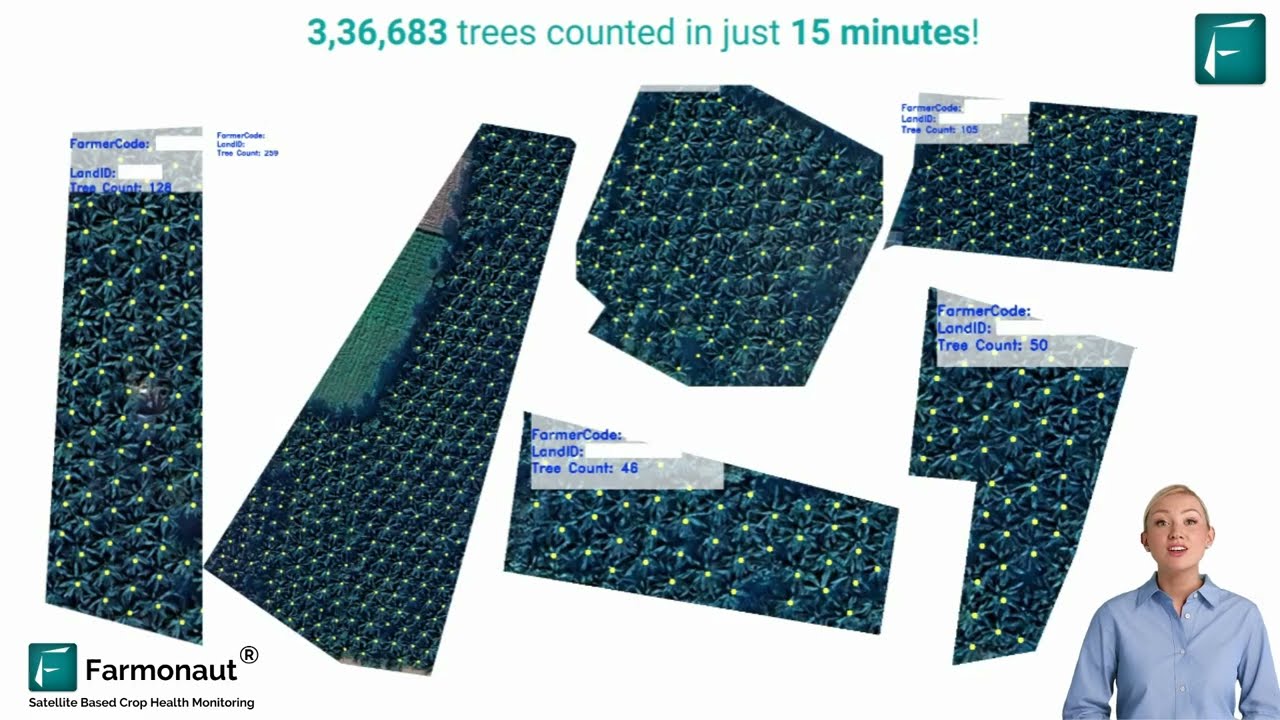
Modern tools, such as those provided by Farmonaut’s Large Scale Farm Management Platform, empower agribusinesses and state governments to accurately monitor crop area estimation using satellite technology. This enables precise assessment of cultivated land, cropping cycles, and resource planning for sustainable agriculture.
Permanent Pastures and Grazing Land
Supporting India’s livestock sector, 10 million hectares account for permanent pastures. These lands are vital for livestock grazing, ensuring dairy and meat production, as well as supporting rural economies.
Through advanced data tracking systems like Farmonaut’s, the real-time monitoring of vegetation health, pasture land usage, and fodder availability is made accessible to Indian farmers and cooperatives—thereby optimizing livestock rearing and resource allocation.

Forest Cover in India: Distribution and Key States
Forests are not only ecological treasures; they are vital to maintaining biodiversity, regulating climate, and safeguarding water resources across India. Covering approximately 22% of India’s total geographical area (about 71 million hectares), the forest cover in India varies widely between states, reflecting unique regional ecological dynamics.
Reported Forest Cover in Key States
- Madhya Pradesh: Largest forest area, about 77,462 sq. km
- Arunachal Pradesh: Second largest by area, but higher forest density
- Chhattisgarh: Third in area, with significant tribal and natural resources
- Other forest-rich states: Odisha, Maharashtra, Karnataka, Assam, Kerala, and Mizoram (highest percentage of state area under forests)
Despite their importance, forests face several challenges in India, including deforestation, illegal logging, forest fires, and habitat encroachment—pressures partially exacerbated by expansion of agricultural and urban areas.
Modern conservation efforts depend on continuous monitoring, which is increasingly enabled by satellite-based platforms like Farmonaut’s Crop, Plantation & Forest Advisory Tools. These solutions help track forest health, biodiversity, and even carbon sequestration, contributing to evidence-based forestry policy and conservation.

Irrigation and Groundwater Usage in Indian Agriculture
Given India’s high cropping intensity and extended dry spells, irrigation is a cornerstone of sustained agricultural productivity. As per the latest reported data, about 36.7% of agricultural land was irrigated (2013–14), while the rest remains dependent on the erratic monsoon—adding to our farmers’ vulnerability.
- Groundwater systems (tube-wells, bore-wells, dug wells) are the most widespread source of irrigation, especially in northern states like Punjab, Haryana, and Uttar Pradesh.
- Canal irrigation: Major source in Indo-Gangetic Plain (e.g., Punjab, Uttar Pradesh).
- Tanks and Surface Water support irrigation in southern and eastern states (e.g., Tamil Nadu, Andhra Pradesh, Odisha).
Overuse and unregulated extraction, especially of groundwater, now pose severe sustainability threats, including lowering water tables, increased salinity, soil degradation, and water scarcity. Sustainable land management India must prioritize modern water-efficient irrigation (like drip and sprinkler systems), recharging groundwater, and managing demand to secure agricultural futures.
Innovative technologies can assist farmers in monitoring soil moisture and rainfall patterns in real-time, optimizing irrigation schedules, and conserving precious water resources. Farmonaut’s AI-based analytics and satellite-driven insights empower Indian farmers and agribusinesses to make data-driven water management decisions—leading to higher productivity and environmental stewardship.
If you wish to measure and reduce your farm’s carbon footprint while monitoring land use patterns, visit Farmonaut Carbon Footprinting. Leveraging real-time environmental data, this service enables compliance with sustainability standards and identifies opportunities for greener operations.
Urbanization and Land Use Conversion in India
Rapid urbanization in India is reshaping traditional land use paradigms. As cities expand, urban areas encroach upon fertile agricultural land, forests, and wetlands—which results in changing landscapes and new environmental challenges.
- About 8.7% of India’s total reporting area is now dedicated to non-agricultural, primarily urban uses—including residential and commercial development, roads, and industrial Estates.
- Regions most impacted: Major metropolitan regions such as Delhi NCR, Mumbai, Bengaluru, Chennai, Hyderabad, and rapidly-expanding tier-2 cities.
- The conversion of agricultural and forested land for urban growth has far-reaching impacts—reduced food production, increased runoff and pollution, urban heat island effects, and loss of natural habitats.
The process of urbanization and land use in India must be managed judiciously to balance development and environmental conservation. Data-driven mapping, regular satellite assessment, and policy-guided urban planning—offered by Farmonaut and similar precision platforms—help in tracking changes, policy implementation, and ensuring infrastructural growth does not come at the expense of environmental stability.
Improve transparency and sustainability by integrating blockchain-based geospatial systems for your farm or supply chain. Farmonaut Product Traceability allows you to track the full lifecycle of your agricultural produce, enhancing market trust and customer confidence.
Sustainable Land Management India: Challenges & Solutions
Although India commands vast agricultural and ecological resources, it simultaneously faces some of the world’s most pressing land use challenges, ranging from resource over-exploitation to environmental degradation. The ability to maintain productivity while preserving the environment lies in adopting sustainable land management practices.
Key Challenges of Land Use in India
- Soil Degradation: Intensive cropping, overuse of chemical fertilizers and pesticides, and improper tillage have led to soil erosion, infertility, and loss of organic matter.
- Deforestation: The conversion of forests for farming, settlements, and infrastructure reduces biodiversity and disrupts ecological balances.
- Land Fragmentation: Division of land holdings over generations reduces farming efficiency and makes adoption of technology difficult.
- Wastelands and Culturable Waste: A significant portion of India’s land (12 million hectares) remains underutilized due to poor soil quality, water scarcity, or socio-economic barriers.
- Urban Sprawl: The rapid expansion of cities threatens nearby agricultural land and fragile habitats.
Policy and Technological Solutions
-
Agroforestry (National Agroforestry Policy):
Mixes of trees, crops, and livestock sustain productivity and restore ecological balance. -
Precision Agriculture:
Satellite monitoring and AI-driven advisory (such as Farmonaut Jeevn AI) help optimize input use, reduce waste, and stabilize yields—all by making data-driven decisions. -
Efficient Water Management:
Technological monitoring of irrigation and groundwater usage ensures water conservation and sustainable crop cycles. Farmonaut’s services directly assist in these goals. -
Carbon Footprinting:
Tracking emissions at the farm level helps to create mitigation strategies and align with global climate agreements. Use Farmonaut’s Carbon Compliance Toolkit for real-time guidance. -
Wasteland Reclamation:
Policy-driven investments in soil fertility, water retention, and farmer support schemes can turn underutilized land into productive assets.
Resource and Fleet Efficiency for Large Farmers and Agribusiness
Large, distributed farming operations can maximize land use efficiency using satellite-driven resource and fleet management systems. For details, visit Farmonaut Fleet Management.
Fallow Land Management
Fallow land management is essential for sustainable practices in India. Temporary rest periods, green manure crops, and rotational grazing not only restore soil health but also help in carbon sequestration and biodiversity enrichment. Real-time monitoring through applications such as Farmonaut ensures scientists, policymakers, and farmers can track both fallow and cultivated areas accurately, enabling data-backed policy planning and efficient utilization.
Integrate Satellite Data into Your Platform
Developers and agri-enterprises can utilize Farmonaut’s Satellite & Weather API (see API and Developer Docs) to integrate up-to-date land use, weather, and crop data—empowering users across India’s diverse regions.
How Farmonaut’s Technology Helps Sustainable Land Use
Our approach at Farmonaut leverages satellite imagery, AI, machine learning, and blockchain—not simply to monitor land, but to enhance agricultural productivity, reduce losses, and promote sustainable land management in India.
-
Satellite-Based Crop Health Monitoring:
We deliver real-time analysis of vegetation health (NDVI), soil moisture, water stress, and anomaly detection—enabling optimal irrigation, targeted input application, and early disease or pest alerts. -
AI-based Advisory (Jeevn AI):
Personalized insights for every farmer—tailored to their specific land, crop, and climatic conditions. -
Blockchain Traceability:
Secure, transparent supply chain data builds market trust—particularly crucial for sustainability certifications. -
Resource, Fleet & Carbon Management:
Streamlining large-scale operations, minimizing emissions, and keeping environmental commitments on track.
For crop loans and agriculture insurance institutions, see how Farmonaut’s Satellite Verification Tools can streamline underwriting, lower risks, and empower smallholder farmers with timely financial support.
Farmonaut Subscription Plans
Farmonaut operates on a flexible, subscription-based service model, making precision agriculture affordable for every farmer, cooperative, government body, and agribusiness. Access detailed pricing and package options below:
Frequently Asked Questions: Land Use in India
1. What portion of India’s land is used for agriculture?
Approximately 60% of India’s total land (over 140 million hectares) is dedicated to agricultural activities. This makes agriculture the largest single use category in India.
2. What is the Net Sown Area, and why is it important?
Net Sown Area (NSA) refers to land that is actively used for cultivation each agricultural year. It is critical for measuring food security capacity, planning crop patterns, and ensuring optimal land use.
3. Which Indian state has the highest forest cover?
Madhya Pradesh holds the largest area of forest in India, covering more than 77,000 square kilometers. However, states in the North-East, like Mizoram, have the highest percentage of their geographical area under forest cover.
4. What are the main challenges of land use in India?
The major challenges include soil degradation, deforestation, inefficient land fragmentation, underutilized wastelands, and unplanned urbanization—all impacting sustainable land use and environmental balance.
5. How does Farmonaut help address land use challenges?
Farmonaut provides satellite-based monitoring, AI-driven advisories, blockchain traceability, and advanced analytics—enabling farmers, agribusinesses, and policy planners to monitor, manage, and optimize land use sustainably.
6. What policies or solutions exist for better land management?
National initiatives like the National Agroforestry Policy, integrated watershed management, reforestation drives, and the adoption of precision agriculture are central to advancing sustainable land management in India.
Conclusion: The Path Forward for India’s Land
The story of land use in India is one of coexistence, adaptation, and transformation. Our land supports agriculture, sustains vibrant ecosystems, and underpins some of the world’s fastest-growing urban areas. But these diverse uses also bring challenges—from soil erosion and water scarcity to shrinking forests and fragmented holdings.
Balance is key. Through data-driven policies, continuous monitoring, technological innovation, and collective action, India can ensure that our lands remain productive, resilient, and sustainable for generations to come.
Whether you are a farmer seeking better yields, an agribusiness manager optimizing vast croplands, a policymaker designing interventions, or a conscious consumer wanting product traceability—precision agriculture tools like Farmonaut offer the path to more informed, efficient, and responsible land use in India.
Discussion
Questions, corrections or field experience? Share them below. First-time comments are reviewed before they appear, and your email is never published.
No comments yet. Be the first to add a question or your experience.

 WICO
WICO Gen Chayat
 Chimera Innovation
 Hiteshi Infotech
 Clubhouse OS
 SkyHarvest
 Polaris Digitech
 Teledarbas
 Wild Oak Farm
 SFX
SFX BACF Africa
 Doodlakine
 Exurbia Geospatial
 FieldZero
 Indico Company
 Licence holder · Niger · Gold










