

Table of Contents
- Introduction: The Future of Blockchain Traceability Agriculture
- What is Blockchain Traceability in Agriculture?
- Blockchain Traceability Agriculture: 7 Key Benefits by 2026
- Core Components of Blockchain Agriculture Traceability Systems
- Implementation Patterns in Agriculture, Forestry, and Supply Chains
- Comparison Table: Traditional vs Blockchain-Based Traceability Systems
- Benefits Realization and Measurable Outcomes
- Deploying Blockchain Traceability in Agriculture: What to Consider for 2025 and Beyond
- Farmonaut’s Role in Next-Gen Blockchain Agriculture Traceability
- FAQ: Blockchain Traceability Agriculture in 2026
- Conclusion: The Road Ahead for Blockchain Agriculture Traceability
“By 2026, over 40% of global agri-food companies are projected to adopt blockchain traceability systems.”
Blockchain Traceability Agriculture: 7 Key Benefits 2026
In an era where trust, transparency, and verifiable records are paramount, blockchain traceability agriculture is no longer a niche innovation—it’s rapidly becoming the backbone of global agri-food supply chains. Traceability systems in agriculture are evolving with distributed ledger technology, ensuring that every step a product takes, from seed to shelf, is digitally recorded, immutable, and accessible to stakeholders.
As we approach 2026, new regulations and consumer demands for origin stories, provenance, and sustainability claims are compelling farming businesses, producers, distributors, retailers, and regulators to rethink how they manage data and supply chain integrity. In this comprehensive guide, we’ll explore why blockchain agriculture traceability is transforming the sector, examine its core benefits, and provide actionable insights on implementation for future-ready operations.



What is Blockchain Traceability in Agriculture?
Blockchain traceability in agriculture refers to leveraging distributed ledger technology to record every step of a product’s journey: from the inputs like the seed planted in the soil, through agricultural practices, harvest, processing, storage, packaging, to distribution and finally to the consumer’s shelf.
This system creates an immutable ledger across participants—growers, processors, transporters, warehouses, retailers. The result: trustworthy information about product origin, farming and handling practices, environmental conditions, and compliance with regulatory standards.
Why is this particularly relevant in 2026?
- ✔ Increasing global trade and complex supply chains make provenance harder to verify manually.
- ✔ Stringent regulatory requirements for food safety, organic, pesticide limits, and carbon footprints demand robust evidence.
- ✔ Consumers demand transparency, sustainable and ethical sourcing, especially in specialty products such as coffees, teas, seafood, and timber.
- ✔ Supply chain fraud and contamination events have shown the need for rapid, reliable tracebacks.
- ✔ IoT sensors (monitoring temperature, humidity, GPS locations) can now feed real-time data into blockchain, reducing manual entry errors and boosting traceability accuracy.
Blockchain traceability systems in agriculture are projected to cut compliance errors by up to 50% and traceback times by at least 30% by 2026, compared to traditional, paper-based systems.
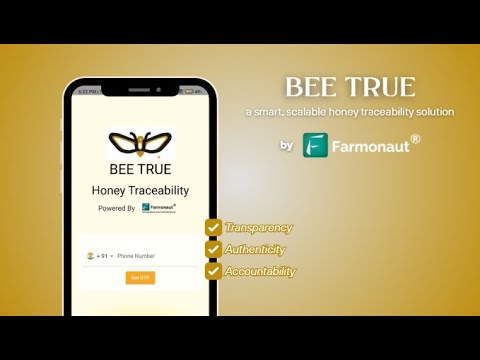
Blockchain Traceability Agriculture: 7 Key Benefits By 2026
- Enhanced Transparency & Trust Across the Chain
- Food Safety & Rapid Recall Response
- Regulatory Compliance & Sustainability Claims Verification
- Quality Assurance, Provenance, and Premium Market Access
- Risk Reduction and Operational Efficiency
- Fraud Prevention, Data Integrity, and Competitive Edge
- Real-Time IoT Insights & Improved Inventory Management
Let’s break down these transformative blockchain agriculture traceability benefits for 2026, integrating industry trends, digital implementation frameworks, and actionable checklists for your agricultural or forestry business.
1. Enhanced Transparency & Trust
- ✔ Immutable Ledgers: Every supply chain actor—from farm to warehouse to retailer—records actions in real time, creating a tamper-evident, distributed record that cannot be modified retroactively.
- 📊 Reduced Information Asymmetry: All stakeholders can access verified data on inputs, handling practices, and origin, fostering trust and reducing intermediary fraud.
- ⚠ Consumer Confidence: Enables verifiable provenance—essential in differentiated or specialty products (traceable coffees, teas, seafood, or rainforest timber).
2. Food Safety & Rapid Recall Response
- ✔ Lot-Level Traceability: Pinpoint affected lots and shipments instantly in cases of contamination or product recall, protecting consumers and minimizing economic losses.
- ⚡ Quicker Recalls: Transitioning from hours or days to minutes when isolating contaminated batches or shipments.
- 📊 Integrated QA Data: Blockchain ties quality checks and test results to batches, automating alerts on non-compliance.
3. Regulatory Compliance & Sustainability
- ✔ Certifications: Blockchains can store or reference data tied to organic, fair-trade, pesticide limits, and carbon footprints for instant, auditable proof.
- ⚡ Audit-Ready: Digital records reduce manual entry and facilitate regulatory inspections, reducing compliance costs for all participants.
- 📊 Sustainability Streams: Initiatives such as Farmonaut’s Carbon Footprinting Platform use satellite and blockchain data to track emissions and sustainable practices—boosting supply chain credibility.
4. Quality Assurance, Provenance, and Premium Market Access
- ✔ Provenance Marketing: Product’s journey, farming practices, and origin story are transparent, supporting premium pricing for differentiated goods such as specialty coffees, rainforest teas, or traceable seafood.
- 📈 Market Access: Access and credibility in global trade, where buyers, regulators, and consumers demand third-party verification of claims.
5. Risk Reduction and Operational Efficiency
- ✔ Integrated IoT Data: Temperature, humidity, and GPS sensor data are embedded directly, supporting real-time tracking and proactive risk management.
- ⚡ Reduced Spoilage: Automated alerts for out-of-range storage/transport conditions reduce product wastage.
- 📊 Actionable Insights: Predictive analytics based on real-time data improve yield, inventory, and supply chain efficiency.
6. Fraud Prevention, Data Integrity, and Competitive Edge
- ✔ Immutable Digital Records: Falsification of harvest dates, product origins, or process steps becomes extremely difficult, reducing the risk and impact of fraud.
- ⚡ Competitive Differentiation: Companies leveraging blockchain-based traceability gain an edge with transparent, auditable, and consumer-facing supply chains.
7. Real-Time IoT Insights & Improved Inventory Management
- ✔ Less Manual Entry: Automated sensor data (temperature, humidity, location) increases consistency and reduces human error.
- 📊 Inventory Management: Accurate records enable smarter forecasts and inventory planning for warehouses, retailers, and logistics partners.
Many agri-businesses focus solely on end-consumer transparency, overlooking upstream data collection at source—proper traceability starts with reliable digital entry at every step in the supply chain.

“Blockchain traceability can reduce agricultural supply chain fraud by up to 30% by 2025.”
Visual Checklist: Key Features of Blockchain Traceability Agriculture by 2026
- 🔍 End-to-End Digital Records — seed, harvest, processing, packaging, and distribution captured on a distributed ledger.
- 📡 IoT Sensor Integration — real-time storage/transport conditions embedded into traceability systems in agriculture.
- 🔒 Immutable & Tamper-Proof Data — enhancing trust and accountability across participants.
- 🛡 Compliance and Claims — certifications (organic, fair-trade, carbon footprints) stored or referenced for easier audits.
- ⚡ Recall and Risk Management — rapid isolation and recall of affected lots in event of contamination/fraud.
Core Components of Blockchain Agriculture Traceability Systems
To unlock the full benefits of blockchain agriculture traceability, it’s crucial to understand the foundational components and how each enables transparency, compliance, and operational efficiency for agriculture, forestry, and even mining-derived agricultural inputs.
1. Data Collection at Source
- ✔ Farm-level data: Inputs, seed lot IDs, pesticide/fertilizer use, harvest time, location IDs.
- ✔ Processing: Lot numbers, QA steps, container and vehicle IDs.
2. Immutable Logging via Distributed Ledger
- ✔ Hashed Records: Each event is timestamped and signed, ensuring digital integrity.
- ✔ Tamper-proof: No single participant can alter historical data.
3. Shared Data Standards & Interoperability
- ✔ GS1 Standards: Global trade item numbers, batch IDs, and shared schemas enable seamless cross-border data exchange.
- ✔ Common Traceability Attributes: Origin, batch, QA checks, etc.
4. IoT and Sensor Integration
- ✔ Temperature, humidity, and GPS sensors in storage or transport, with data automatically embedded to reduce manual entry mistakes.
5. Role-Based Access and Governance
- ✔ Access Rights: Permissioned blockchains with role-based access for participants, balancing visibility and confidentiality needs.
- ✔ Third-party Verification: Digitally signed records and tiered access for compliance, audits, and regulatory checks.
For seamless traceability across global trade, ensure your platform is fully aligned with GS1 or ISO data standards—this is critical for scalability and export market access.
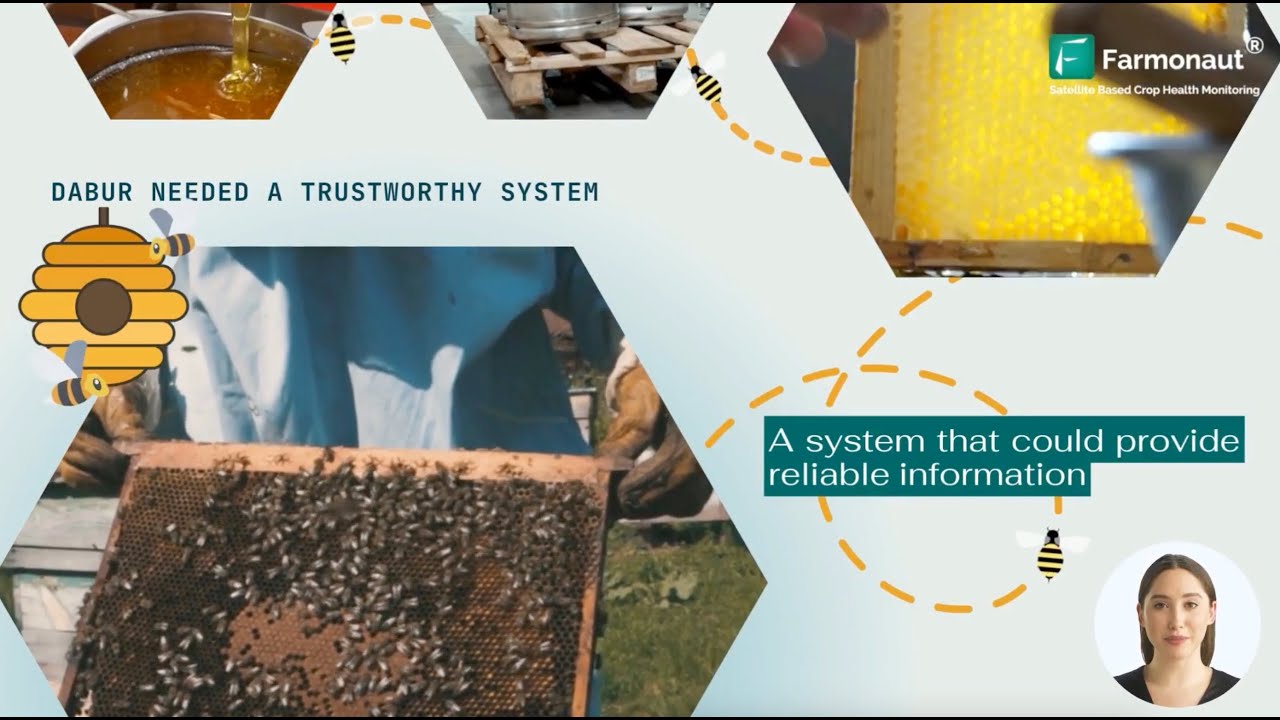
Implementation Patterns in Agriculture, Forestry, and Supply Chains
Blockchain traceability agriculture benefits are realized most fully when tailored implementation models address the unique scale, data needs, and regulatory profiles of various supply chains. Let’s explore the leading design and deployment patterns for 2026.
Farm-to-Fork Blockchain Architecture
- ✔ Centralized and Consortium Chains: All participants (farmers, processors, distributors, retailers, regulators) access and contribute to a single ledger for each batch/lot, enabling end-to-end digital traceability.
Commodity-Specific Traceability
- ✔ Specialty Goods: Blockchain traceability in coffee, cacao, seafood, timber, and meat—ties every step to origin, farming practices, and process documentation for niche and global markets.
Hybrid Architectures
- ✔ On-chain vs Off-chain: Core provenance events stored on-chain; large documents and media (lab analyses, shipping docs) referenced off-chain with cryptographic anchors, balancing verifiability and performance.
Smart Contracts & Automation
- ✔ Automating QA and Compliance: Payments released on QA pass, real-time alerts if storage temperature exceeds preset thresholds, or when regulatory limits are breached.

By mid-2026, agtech investments are increasingly channeled into blockchain-ready supply chain platforms, with a focus on reducing data entry errors, combating fraud, and improving compliance efficiency across farming and forestry sectors.
Comparison Table of Traditional vs Blockchain-Based Agriculture Traceability Systems
| Feature/Criteria | Traditional Traceability | Blockchain Traceability | Estimated 2026 Improvement (%) |
|---|---|---|---|
| Data Transparency | Fragmented records; limited real-time visibility | Full, real-time visibility across all participants and supply chain steps | +45% |
| Record Reliability | Prone to manual errors & tampering | Immutable, digitally signed records; robust against tampering | +60% |
| Compliance Efficiency | Labor-intensive audits; paperwork-heavy processes | Automated checks & ready-to-audit streams of compliance data | +50% |
| Cost Reduction | Recurring costs in labor, error correction, compliance | Process automation and data sharing reduce recurring costs | +35% |
| Error Rate | High, especially in complex supply chains | Low due to sensor/data automation and digital integrity | -70% |
| Time to Trace Contamination | Hours or days | Minutes; real-time alerts and batch isolation | -80% |
| Stakeholder Trust | Limited; reliant on paper trails and siloed databases | Enhanced; open verifiability and digital provenance | +60% |
📊 Data Insight
- By 2026, blockchain-based traceability systems in agriculture can reduce manual errors by up to 70%, substantially shorten recall operations, and increase regulatory trust in supply chain claims.
Benefits Realization and Measurable Outcomes of Blockchain Traceability
- 🏆 Recall Efficiency: Rapid batch isolation fuels faster response and minimizes brand/economic losses.
- 📑 Audit Simplicity: Digital records streamline audits, reducing the compliance burden and time.
- ⚠ Reduced Fraud Risk: Immutable ledgers and sensor-backed data help deter falsification in harvest dates, origins, and processing steps.
- 🔗 Consumer Trust: Transparent provenance enables market access, especially for responsible and ethical sourcing.
- ⚡ Integrated Data Flows: Reduce siloed data entry, enhance inventory forecasting, and ensure optimal cold chain management to fight spoilage.

Sustainability initiatives thrive on transparent data. Farmonaut’s Carbon Footprinting tool helps companies prove and improve their supply chain’s environmental impact—creating real, verifiable change.
Deploying Blockchain Traceability in Agriculture: What to Consider for 2025 and Beyond
- ✔ Data Integrity & Governance: Define clear ownership, consent structures, and enable third-party digital verification.
- ✔ Standards & Interoperability: Adopt GS1, ISO, and global standards for seamless trade and future scalability.
- ✔ Cost vs. Benefit: Calculate sustainable ROI of data platforms, especially for smallholders, and explore coalition or governmental support.
- ✔ Privacy & Competition: Use tiered access and data aggregation to protect competitive insights while maintaining traceability and compliance.
Skipping stakeholder onboarding can cause disruption and mistrust—success depends on everyone, from field operators to top management, committing to data quality at every step.
To integrate satellite-driven data, reduce manual entry, and enable digital traceability for farming and forestry operations, explore our Farmonaut API and detailed API Developer Docs. These resources make it easy to embed satellite, IoT, and blockchain agriculture traceability data into your existing workflows—stay scalable and secure as your operations grow in 2026.
For large-scale field or plantation management including advisory and traceability, the Farmonaut Large Scale Farm Management Suite offers powerful tools for monitoring, documentation, and compliance—all accessible via web or mobile.

Visual List: 5 Must-Haves for a Future-Ready Blockchain Agriculture Traceability Platform
- 🚀 Automated Data Collection (satellite & IoT sensors)
- 🔗 Standards-Based Records (GS1, ISO, country codes)
- 🛡 Permissioned, Tiered Access to balance privacy and transparency
- 📱 Multi-Channel Accessibility (Android, iOS, web, API)
- 💡 Scalability for individual users, agribusiness, and governments
Farmonaut leverages satellite-based crop monitoring, field health analytics, and blockchain traceability to offer farms and agri-enterprises actionable insights for sustainability, compliance, and operational excellence.
Farmonaut’s Role in Next-Gen Blockchain Agriculture Traceability
At Farmonaut, we deliver more than just a platform—we offer an integrated solution designed for the real-world challenges of agriculture, mining, and complex supply chains.
Through advanced satellite imagery, AI-driven advisory (Jeevn AI), and blockchain-enforced traceability, our platform equips users to:
- ✔ Monitor crops and environmental impact in near real-time.
- ✔ Digitally verify farming, forestry, and mining-derived agricultural inputs.
- ✔ Enable managers, businesses, and governments to ensure sustainability, compliance, and data-driven operations at scale.
Our Blockchain-Based Traceability Platform (learn more here) enables:
- ⛓ End-to-end traceability—manage everything from planting and sourcing to processing, transport, lot-level QA, and distribution.
- 📜 Immutable record-keeping for every process step and compliance event.
- 🔍 Consumer-facing transparency through easy-to-use web, Android, and iOS apps.
- 📈 Enhanced resource management features—monitor, analyze, and boost sustainability for both small and large operations.
We integrate with financial institutions to provide satellite-based verification for crop loan and insurance solutions (details here), helping reduce supply chain fraud and improving access to financing in agri-business and mining.
With our Fleet Management tools, agri-enterprises orchestrate logistics and vehicle usage for increased efficiency and real-world cost savings—fully compatible with digital traceability flows.
The global demand for blockchain agriculture traceability solutions is set to accelerate as regulators, retailers, and consumers expect robust, digitally verified supply chains. Early adopters are likely to benefit from increased market access and investor confidence.
Frequently Asked Questions: Blockchain Agriculture Traceability 2026
Blockchain traceability in agriculture is the use of distributed ledger technology to create an immutable, verifiable record of a product’s journey—from seed and farming inputs through harvest, processing, storage, packaging, distribution, and into retail. This approach ensures data integrity, traceable origin, and transparency for all participants.
Q2: How does blockchain improve food safety and recall response?
By linking every batch and lot to real-time, tamper-evident digital records, blockchain enables instant tracking and rapid recall of affected lots in case of contamination or quality issues, minimizing risks and economic losses.
Q3: What does integration of IoT sensors mean for blockchain traceability?
IoT sensors (for temperature, humidity, GPS location) automatically embed environmental and operational data into blockchain records at each step, reducing manual entry errors and improving traceability accuracy.
Q4: How does blockchain traceability support sustainability and compliance?
Certifications like organic, pesticide-free, and low-carbon claims can be tied to specific, verifiable data streams on the blockchain, making audits faster and sustainability claims more credible.
Q5: What are the main challenges when deploying blockchain traceability in agriculture?
Key hurdles include ensuring data quality at source, aligning with global standards (GS1, ISO), balancing cost versus value for smallholders, and setting up governance/access rights for sensitive competitive data.
For mining and forestry supply chains, integrating blockchain traceability requires careful documentation at the extraction and sourcing stages—satellite monitoring and digital verification are essential for full ESG compliance.
Conclusion: The Road Ahead for Blockchain Agriculture Traceability
Blockchain traceability agriculture is not just a technological breakthrough—it’s the new standard for transparency, data integrity, and sustainability in food and resource supply chains. By 2026, the majority of leading agri-food businesses will adopt these digital traceability systems, reaping measurable benefits in regulatory compliance, rapid recall actions, fraud reduction, and market access.
At Farmonaut, we are committed to making these advanced capabilities affordable and accessible via web, Android, iOS, and API platforms. Our mission is to empower you with actionable, real-time insights and robust blockchain-backed records—helping your organization thrive in a data-driven, sustainable future.
For the agriculture, forestry, and mining sectors, the future relevance of blockchain traceability is clear: global trade, safer supply chains, and a new era of digital trust powered by verifiable records and decentralized control.
Whether you’re a farmer, agribusiness manager, supply chain strategist or regulator—embracing blockchain-based traceability in agriculture is a critical move to ensure data-driven success, competitive resilience, and consumer trust in 2026 and beyond.
For more information or a personalized demo, explore our Blockchain Traceability Product Page and discover how you can future-proof your agricultural operations today.
Discussion
Questions, corrections or field experience? Share them below. First-time comments are reviewed before they appear, and your email is never published.
No comments yet. Be the first to add a question or your experience.

 Gen Chayat
 Chimera Innovation
 Hiteshi Infotech
 Clubhouse OS
 SkyHarvest
 Polaris Digitech
 Teledarbas
 Wild Oak Farm
 SFX
 BACF Africa
 Doodlakine
 Exurbia Geospatial
 FieldZero
 Indico Company

 Licence holder · Niger · Gold










