

San Joaquin County Cherries: 5 Shocking Impacts of Crop Loss



Introduction: A Season Marked by Loss
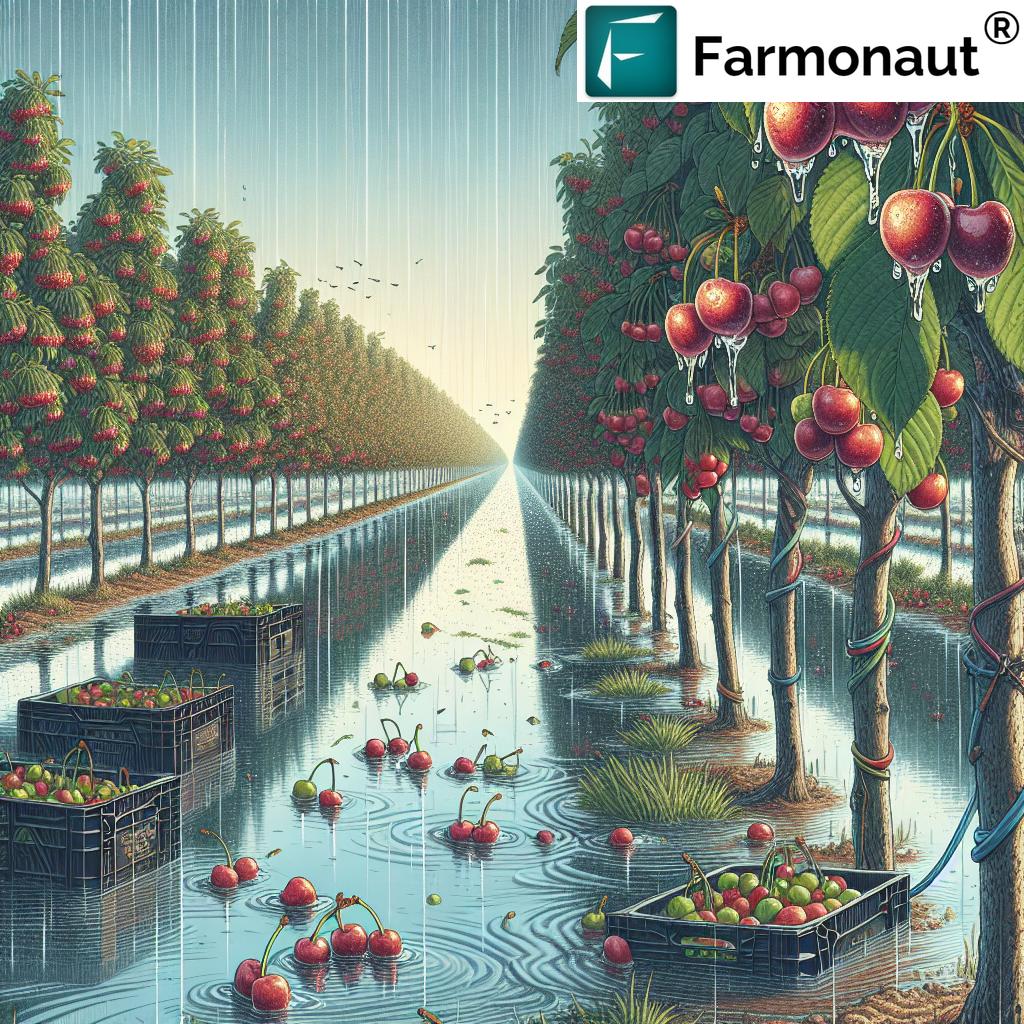
Every summer, San Joaquin County comes alive with the promise of ripe, red cherries—an iconic summer fruit and a staple that defines community celebrations, agricultural success, and local pride across California. But this year, the story is strikingly different. With up to 60% of San Joaquin County cherries lost to erratic rain, thousands of acres of fruit trees stand under threat, livelihoods are shaken, and the county—responsible for nearly 80% of California’s cherry production—faces an unprecedented challenge.
Let’s delve deep into the 2024 California cherry season, understand the causes and impacts of the cherry crop loss, and explore both how traditional growers and modern technology are working to sustain the industry and our communities.
Why San Joaquin County Cherries Matter
As the beating heart of the state’s cherry industry, San Joaquin County cherries aren’t just a delicious treat; they’re the lifeblood for entire communities. The county boasts 19,000 acres of cherries, providing jobs, supporting business, driving economic growth, and bringing people together around shared traditions like cherry picking, Cherry Festival in Linden, and farm tours at Lodi Blooms.
- Produces nearly 80% of all California cherries
- Supports hundreds of growers and farmworkers
- Generates millions in state and local revenue
- Feeds into supply chains—pickers, haulers, electricians, marketers, and more
But this web is fragile. A light or damaged crop year doesn’t only mean fewer cherries on our tables; it reverberates from the farm to the community, causing long-term sustainable agriculture concerns.

The 2024 California Cherry Season: Crisis Unfolds
With the latest cherry harvest estimates from the San Joaquin County Farm Bureau Federation and local growers, we’re witnessing a season unlike any other. The crop loss isn’t just noticeable—it’s staggering:
- Out of 19,000 acres of cherry crops, an estimated 43% are damaged
- Industry-wide output: Only “half of what the industry is capable of producing” this year
- Financial loss: Nearly $98 million estimated—a severe blow to regional agriculture
- Major reduction in cherries available for stores, festivals, and export
Unpredictable weather—a reality for California’s changing climate—hit at the worst possible stage for San Joaquin County cherries. According to the agriculture commissioner and Lodi Blooms owner James Chinchiolo, the dangerous combination of March-April rainfall and sensitive cherry trees proved disastrous.
Rain, Pollination, and Loss: The Science Behind the Damage
To fully understand this season’s devastation, it helps to break down the pollination effect on cherry crops and how weather played a direct role.
Cherries: A Highly Sensitive Summer Fruit Crop
Cherries are uniquely vulnerable among summer fruit crops. During blossoming, cherry trees rely on successful pollination—if rain coincides with this period, pollinator activity drops, fruit set is poor, and blossoms may rot.
How Rain Raises the Risk
- Rain during critical pollination disrupts bee movement, leading to fewer fertilized blossoms.
- Excess water on fruit causes “rupturing”—cherries split open and cannot be harvested for the market.
- Following last year’s abnormally warm summer, 2024’s wet spring set the stage for disaster.
The “perfect storm,” as described by Lodi Blooms, meant growers watched helplessly as rain washed out potential yields across acres of cherry trees. With 43% estimated damaged crops, the county submitted an agriculture disaster declaration in hopes of receiving USDA disaster assistance.

5 Shocking Impacts of Cherry Crop Loss
How does losing nearly half a county’s cherry crop ripple through our local agriculture, economy, and community? We break down five major impacts—all supported by direct data and on-the-ground reports. Explore the figure below and the table that follows for a clear overview.
Impact Summary Table: 5 Key Areas Affected by San Joaquin Cherry Crop Loss
| Impact Area | Estimated Loss/Change | Description of Impact | Sustainability Implications |
|---|---|---|---|
| Growers’ Revenue | $98 million loss (projected) | Crop yield from 19,000 acres saw 43% damage, cutting revenue in half for many. | Reduced investment in sustainable farming and orchard renewal threatens future harvests. |
| Local Employment | 1,000+ jobs at risk | Seasonal pickers, haulers, and related roles face job cuts due to lower volumes. | Loss of skilled labor may harm community stability and long-term agricultural knowledge. |
| Cherry Prices | 25–40% increase (est.) | Lower supply will likely drive prices higher at stores and farmer’s markets. | May reduce consumer access and shift demand toward less sustainable imports. |
| Export Quantities | 30–50% less exported | Reduced output affects direct shipments and long-standing international contracts. | Could impact state and national trade balance and reduce sustainable farm practices abroad. |
| Community Programs | Events & grants reduced | Less fruit = smaller festivals, tighter margins for farm education, local support cutbacks. | Weakens farmers’ capacity to invest in community and agricultural resilience. |
Impact #1: Growers’ Financial Loss & Industry Disruption
The financial loss in San Joaquin County agriculture is nothing short of shocking. With a $98 million blow to revenue, many cherry growers face uncertainty about next year’s operations and the ability to retain staff and maintain afruitful, sustainable farm.
- Lodi’s famous Blooms farm and others are operating on “half capacity” compared to past years.
- Overall, the industry has experienced its most acute drop in memory, with direct consequences for farm sustainability.
- The San Joaquin County Farm Bureau Federation has raised alarms about the overall impact—fewer resources for investment, innovation, or labor.
Less revenue means harder decisions: Do we prune, fertilize, or irrigate less next year? Should we cut corners, or risk losing cherry trees altogether?
This underscores a major sustainability concern—farmers may not be able to reinvest in best practices, threatening the health and productivity of San Joaquin County cherries for years to come.

Impact #2: Shockwaves in Local Employment and Community
A lesser-known but massive effect: the trickle down impact on jobs and the wider community. The cherry industry in San Joaquin County supports over 1,000 seasonal farmworkers, pickers, haulers, electricians, mechanics, and assorted support crews.
- With the crop loss, estimates point to over 1,000 local jobs at risk this season, as orchards don’t need as many pickers or truck drivers.
- Reduced harvest means less work for everyone—down the line from the trees to market.
- This creates a ripple effect: less local spending, reduced income for families, and higher unemployment in rural areas.
Keeping farmers and their teams employed is key for both short-term relief and long-term sustainability—many workers have skills and knowledge honed over decades in the cherry industry.
Impact #3: Changes to Summer Cherry Prices
As supply shrinks, prices rise. Already, California’s cherry buyers are being warned:
- Market research predicts a 25–40% price increase for cherries in stores and at farmers markets.
- High prices may cut into family budgets and reduce overall cherry consumption.
- Lower-income families may miss out on the health benefits of this vitamin-rich summer fruit crop.
Indirectly, this can drive buyers toward imported fruits, disrupting the local ecosystem and raising questions about the carbon footprint and sustainability of what lands on our tables.
Impact #4: Export and Market Disruptions
San Joaquin County’s cherries are renowned worldwide. Export contracts rely heavily on reliable yields from California.
- With up to 50% decrease in exports, the ripple effect extends globally.
- Reduced exports may harm long-standing trade partners and decrease the economic value brought into California.
- Global competition grows as buyers turn to other cherry-producing countries, which may not uphold the same environmental standards.
Protecting both market share and sustainable agricultural practices is crucial for the long-term health of the industry and planet.
Impact #5: Community and Sustainability Concerns
The cherry crop loss is not just about numbers. Community events, like the Linden Cherry Festival and “Cherry U-Pick” at Lodi Blooms, play an outsized role in the county’s identity.
- With less fruit, these beloved programs are scaled back or even canceled.
- Fewer grants and outreach events reduce education about sustainable fruit crops and healthy eating.
- Farmers struggle to fund common-good initiatives, from environmental stewardship to school orchards.
Our community vibrancy, environmental education, and shared traditions—so long powered by abundant San Joaquin County cherries—are all challenged.

How We Can Support Local Cherry Farmers
Like any resilient community, San Joaquin County isn’t giving up. Here’s how we’re supporting affected cherry growers and ensuring a future for our iconic summer fruit:
- Buy local: Support community events such as the Linden Cherry Festival, and look for U-pick days at Lodi Blooms—fresh, direct-from-farm cherries help both growers and local business.
- Spread the word: Raise awareness about the importance of “support local cherry farmers” for both economic and environmental health.
- Stay involved: Attend community meetings, volunteer for orchard cleanup, or advocate for agricultural relief grants.
- Support sustainable agriculture: Urge local and state officials to invest in weather monitoring, orchard diversification, and technology adoption that protects future crops.
Small actions add up, helping our county transition from disaster to renewal.
Precision agriculture is transforming how growers respond to crop disasters. Learn more about satellite-based solutions and Farmonaut’s API to integrate crop health and weather data directly into your farm management tools.
For software developers and agricultural researchers: Explore the Farmonaut Satellite & Weather API Developer Docs for integration details and advanced usage.
How Technology Offers Hope: Farmonaut’s Precision Agriculture Solutions
In a year with so much uncertainty, emerging agri-technology plays a pivotal role in both the short- and long-term recovery for cherry farmers. At Farmonaut, our mission is to make precision agriculture affordable and actionable for farms of all sizes, from Lodi Blooms’ orchards to small family growers across San Joaquin County.
- Satellite-Based Crop Health Monitoring:
- Farmonaut’s platform gives real-time data on crop health, soil moisture, and predicted stress—delivering unbiased, actionable insights even before the effects of rain or drought are visible.
- This early warning reduces the risk of future crop losses by helping us make timely irrigation, pest, and fertilizer decisions.
- AI-Powered Advisory: The “Jeevn AI” advisory system provides personalized, data-driven farming advice, strengthening our response to abnormal weather conditions and variable cherry seasons.
- Blockchain Traceability: In lean years, every fruit is precious. Farmonaut ensures blockchain-based product traceability for total transparency—reassuring buyers, retailers, and regulatory agencies about local origin and quality.
- Carbon Footprint Tracking: Adapting to climate variability is key for farmers. Our carbon footprinting tool helps farms track and reduce environmental impact as we rebuild sustainable cherry production.
- Access to Financial Support: When disaster strikes, many growers need rapid access to credit. Farmonaut works with banks and lenders to provide satellite-verified crop loans and insurance—improving trust, reducing fraud, and providing essential working capital for recovery.
- Farm and Fleet Management: As harvest windows shrink, efficient logistics matter more than ever. With fleet and resource management tools, agribusinesses can optimize picking, hauling, and maintenance to make every cherry count.
Farmonaut: Empowering Growers with Data-Driven Farming
We believe that accessible, affordable, and transparent technologies are the backbone of resilient, sustainable agriculture—today and tomorrow. Here’s how Farmonaut is actively working to empower San Joaquin County and the broader agricultural community:
- Subscription-Based Access: Growers, agribusinesses, and government agencies can select the monitoring level and feature set that fits their operation—from family farms to entire counties—via android, iOS, and browser-based platforms.
- Scalability: The service is built for everyone, offering tailored solutions for individual farms or large cooperative organizations.
- Developer API: Third-party developers, agronomists, and government offices can quickly build custom tools with advanced API documentation.
- Sustainability Focus: Real-time carbon tracking and supply chain transparency enhance both small orchard practices and industry-wide environmental accountability.
- Real-Time Cropland Analysis: Using NDVI and other indices, we help growers react before stress becomes visible—saving trees, increasing yield, and securing operations even in challenging seasons.
No matter the size of your cherry crop or fruit farm, Farmonaut helps you protect, sustain, and grow your operation—even in the face of agricultural disasters.
FAQs: San Joaquin County Cherry Crisis
Q1: What caused the 2024 San Joaquin County cherry crop loss?
The 2024 crop loss was caused by abnormal rain during the critical pollination window, which disrupted pollinator activity and directly damaged blossoms and fruit. Cherries are especially sensitive to rain, as excess water leads to splitting or “rupturing” of fruit—a total loss for market sales.
Q2: How much damage has been estimated?
Estimates show that 43% of cherry crops in San Joaquin County have been damaged this season, with some reports indicating up to 60% loss in certain areas. The financial impact is near $98 million for the county.
Q3: Why does this impact the whole community and not just farmers?
Growers, pickers, haulers, and multiple local businesses depend on strong cherry seasons. Job losses and reduced spending ripple through the entire community, affecting events, school programs, and local government resources.
Q4: What is being done to provide relief?
The agriculture commissioner has submitted an agriculture disaster declaration to the USDA and California emergency services. If approved, growers may be eligible for grants or low-interest loans to help maintain operations until the next crop cycle.
Q5: How can technology like Farmonaut help?
By monitoring crop health, predicting risks, and providing AI-driven advice, Farmonaut enables farmers to make informed decisions—mitigating losses, supporting resilience, and helping attract support from insurers, lenders, and local agencies.
Q6: What can I do to support local cherry farmers in San Joaquin County?
Buy local cherries, attend festivals and U-Pick events, donate to relief funds, and advocate for sustainable agriculture policies. Every action helps your local community stay strong and recover for next season.
Conclusion: Resilience and the Future of Cherries in San Joaquin
The 2024 California cherry season has laid bare both the vulnerability and unmatched resilience of our region’s agriculture. With 43–60% crop damage, growers, workers, and the broader community face critical questions about sustainability, economic survival, and adaptation to climate change.
Yet, as we’ve seen, the community is resourceful—coming together to seek grants, advocate for assistance, innovate with precision agriculture, and keep cherished programs like the Linden Cherry Festival and Lodi’s farm tours alive.
At Farmonaut, it is our honor and mission to equip San Joaquin’s current and future generations of farmers with the tools they need: from carbon footprint tracking for sustainability, to supply chain transparency, and AI-driven management that reduces the risk of future disaster.
If you’re a grower, community leader, or advocate—now is the time to support, adapt, and plant the seeds for a brighter, more sustainable future for San Joaquin County cherries and fruit growers everywhere. Try Farmonaut’s platform on web, Android, or iOS for actionable farm insights, or contact us to discover how our large-scale farm management solutions can help your organization.
Let’s nurture our trees, support our growers, and ensure the legacy—and delicious taste—of San Joaquin cherries persists for generations.

 Fyllo
Fyllo FieldZero
 Indico Company
 Kubota
 FFBS
FFBS Jontra
 Kalustyan
 Tucor
Tucor Geno
Geno Hayleys Agriculture
 Linx Agritech
 Adinet
 Save Your Soils
