

Table of Contents
- Summary: Agricultural Extension Programs in Nigeria
- Introduction: The Role of Agricultural Extension in Nigeria
- Current Landscape of Agricultural Extension Programs in Nigeria
- Trivia
- 7 Key Agricultural Extension Programs in Nigeria (2025 & Beyond)
- Comparative Impact Table: 7 Key Programs
- Innovations Transforming Agricultural Extension
- Digital Platforms & Technology Adoption
- Challenges Facing Agricultural Extension in Nigeria
- 7 Forward-Looking Strategies for Sustainable Impact
- Farmonaut’s Contribution to Agricultural Extension & Sustainable Farming
- Frequently Asked Questions
- Expert Callouts & Pro Tips
- Conclusion
Agricultural Extension Programs in Nigeria: 7 Key Ways | Paving the Way for Sustainable Farming in 2025
Agricultural extension programs in Nigeria have long served as the bridge connecting smallholder farmers with critical research, innovations, and technical know-how. In 2026 and beyond, these programs are not just sustaining but transforming the Nigerian agricultural sector with modern methods, digital platforms, and climate-smart approaches. This comprehensive article analyzes how extension is driving productivity, sustainability, and resilience, spotlighting the 7 most influential programs and projecting their impact in the years ahead.
The Role of Agricultural Extension in Nigeria
Agricultural extension refers to the purposeful dissemination of knowledge, information, and modern technologies from research institutions and development agencies to farmers, with the aim to improve productivity, sustainability, income, and food security. In a nation like Nigeria, where agriculture remains the backbone of the rural and national economy and smallholder farmers constitute the majority, the role of extension agents and programs becomes even more critical than ever as we approach 2026.
Extension workers act as vital links—they translate research breakthroughs into simple practices, teach climate-smart methods, promote the adoption of improved seed varieties and mechanization, and support sustainable land use, pest management, and better market access. As climate uncertainties, population pressures, and food demand increase, extension services are pivotal in bridging the gap between innovation and farm-level adoption, thus fortifying food security and rural livelihoods across the country.
Current Landscape of Agricultural Extension Programs in Nigeria
Agricultural extension programs in Nigeria are delivered by a mosaic of federal, state, and local agencies, NGOs, universities, private actors, and developmental partners. Among the leading names: Nigerian Agricultural Extension and Research Liaison Services (NAERLS), state-based Agricultural Development Programmes (ADPs), university outreach initiatives, and digital-first agri-advisory platforms. These extension channels focus on:
- Farmer training in modern farming techniques, sustainable crop management, mechanization, and pest control.
- Facilitating access to improved seed varieties, fertilizers, and irrigation methods.
- Strengthening market linkages and value chain development for better incomes.
Despite the efforts, profound challenges remain: low extension agent-to-farmer ratios, inadequate funding, poor infrastructure (notably in rural areas), and a persistent skills gap among some extension workers. Many farmers, particularly in remote or underserved communities, still lack timely, relevant advice, limiting the adoption of new agricultural technologies and modern methods.
- ✔ Key benefit: Extension programs increase yields and income for Nigerian farmers.
- 📊 Data insight: Inadequate extension coverage still affects over 40% of Nigerian smallholders.
- ⚠ Risk or limitation: Low extension worker-to-farmer ratios remain a persistent challenge.
- 🚜 Modernization: Mechanization and digital platforms are reshaping extension delivery models.
- 🌱 Sustainability: Climate-smart approaches and resource conservation are increasingly emphasized.
With over 70% of Nigeria’s employment tied to the agrarian sector, sustainable agricultural extension programs are central not only for food security but also for national economic development and diversification.
7 Key Agricultural Extension Programs in Nigeria (2025 & Beyond)
Below, we explore the top 7 agricultural extension programs in Nigeria leading in modernization, digital innovation, and climate resilience as of 2025 and beyond.
-
National Agricultural Extension and Research Liaison Services (NAERLS)
- Main Objective: Coordinate and disseminate agricultural innovations and research nationwide.
- Modern Method: Farmer field schools, targeted demonstration plots.
- Digital Innovation: e-Learning platforms, SMS information dissemination.
-
Agricultural Development Programmes (ADPs)
- Main Objective: State-level extension delivery and local training.
- Modern Method: Participatory extension approaches, improved seeds.
- Digital Innovation: Geo-targeted advisory apps, WhatsApp groups.
-
E-wallet/AgriTech Input Voucher Schemes
- Main Objective: Provide subsidized farm inputs and digital extension.
- Modern Method: Voucher-based access, integrated input supply chains.
- Digital Innovation: Mobile wallet platforms, USSD services.
-
Private Agri-Advisory Platforms
- Main Objective: Deliver real-time, data-driven advice and support.
- Modern Method: App-based farm monitoring, remote diagnostics.
- Digital Innovation: AI & satellite-powered systems, IVR helplines.
-
NGO-led Farmer Empowerment Initiatives
- Main Objective: Build capacity for rural and marginalized farmers.
- Modern Method: Farmer business schools, group learning models.
- Digital Innovation: Interactive e-learning modules, SMS polling.
-
University & Research Institute Extension Outreaches
- Main Objective: Connect research outcomes to grassroots farmers.
- Modern Method: On-farm adaptive research, field days.
- Digital Innovation: Virtual workshops, digital content libraries.
-
Community-Based Extension Agent (CBEA) Programs
- Main Objective: Recruit/train local youth as extension workers.
- Modern Method: Peer-to-peer learning, demonstration plots.
- Digital Innovation: Mobile extension toolkits, community WhatsApp broadcasts.
Comparative Impact Table: 7 Key Agricultural Extension Programs in Nigeria (2025-2026)
| Program Name | Main Objective | Modern Method Introduced | Digital Innovation Used | Estimated Farmers Benefited (2025) | Climate-Smart Practices Implemented | Est. Environmental Impact |
|---|---|---|---|---|---|---|
| NAERLS | Co-ordinate national extension/research linkages | Farmer field schools, demo plots | e-Learning, SMS advisory | 6 million+ | Climate-resilient crops, water-smart farming | High |
| ADPs | Local state-level training/services | Seed supply, mechanization outreach | Geo-advisory apps, WhatsApp groups | 5 million+ | Soil fertility, integrated pest management | High |
| E-wallet Input Schemes | Digital input subsidies/advisory | Input vouchers, digitized supply chains | Mobile wallet, USSD | 3 million+ | Efficient fertilizer, adaptive irrigation | Medium |
| Private Agri-Advisory | Tech-driven, tailored support | App monitoring, remote diagnostics | AI, Satellite, IVR | 2.5 million+ | Precision farming, climate risk alerts | High |
| NGO-led Initiatives | Empower vulnerable/smallholder farmers | Business skills, group learning | e-Learning, SMS polling | 1 million+ | Agroforestry, conservation, organic training | Medium |
| University/Research Outreaches | Grassroots research dissemination | On-farm trials, field days | Virtual workshops, content libraries | 1 million+ | CSA tech evaluation/water management | Medium |
| Community-Based Extension Agents | Community peer extension | Peer demo, local youth training | Mobile extension toolkit, WhatsApp | 1.5 million+ | Farmer-led research, sustainability | Medium |

- Modular Learning: Farmer field schools, business clubs, peer-to-peer demonstration units.
- Digitally Enabled: Interactive SMS advice, geo-targeted alerts, USSD-access platforms.
- Data-Driven: Satellite and AI insights, remote pest and soil monitoring, precision farming recommendations.
- Climate-Smart: Climate-resilient seed varieties, adaptive irrigation, carbon footprinting.
- Financial Inclusion: Links to crop insurance, micro-loans, e-wallet subsidies.
Nigeria’s extension transformation means early investment in digital agriculture platforms and climate-tech solutions is positioned to unlock substantial returns—both for food security and scalable, sustainable agribusiness.
Innovations Transforming Agricultural Extension in Nigeria
The current era of agricultural extension programs in Nigeria is being dramatically reshaped by technological innovation. Especially notable since 2025, digital transformation has fueled:
- Mobile Apps and SMS Platforms: Timely advisory services in local languages ensuring greater accessibility across literacy levels. Examples: e-wallet linked alerts, farm input advice, and pest management tips.
- Satellite and AI Tools: Informing large numbers of farmers about their fields’ health (NDVI), water needs, soil status, and imminent weather or pest outbreaks—and supporting precise on-farm interventions.
- Interactive Voice Response (IVR) Systems: Critical for reaching regions with poor connectivity or low literacy.
- Blockchain Traceability: Building transparency and trust in value chains, ensuring secure agri-input subsidies, and tracking product origin for markets and investors.
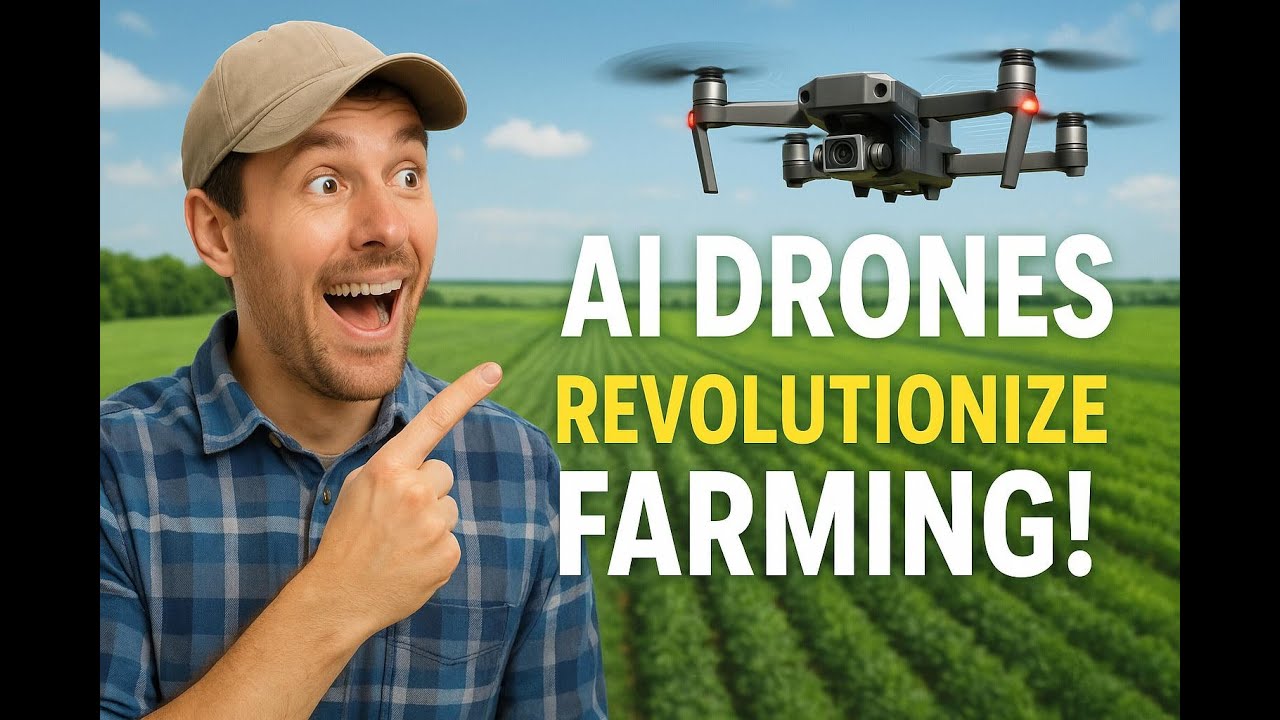
- Remote Sensing & Drones: Providing field-scale monitoring, yield forecasts, and pest scouting at a fraction of conventional costs.
- 🛰 Satellite-Powered Decision Support
- 🤖 AI & Big Data Analytics
- ⏰ Real-Time Weather & Pest Alerts
- 📱 Farmer-Friendly Mobile Applications
- 🔐 Blockchain-Verified Inputs & Traceability
Boost adoption: For maximum extension impact, bundle digital agronomy with practical, participatory, field-based demonstrations—addressing both tech-savvy and traditional farmer segments.
Digital Platforms & Advanced Technology in Nigeria’s Agriculture Extension
Since 2025, Nigerian agriculture extension has fast-tracked the integration of digital advisory, AI, and geospatial platforms—catalyzing productivity and climate-smart sustainability. The widespread use of smartphones, feature phones, and basic internet has ensured the reach of:
- Smart input e-wallets and digital voucher systems.
- Agri-data collection tools for rapid on-field issue reporting.
- Interactive mobile and web apps for farm monitoring and disease diagnostics.
- Satellite-based soil and crop health monitoring—providing timely, location-specific, and actionable insights.
Farmers can now remotely plan irrigation schedules, get weather-adapted recommendations, identify pest/disease onset, and track their carbon footprinting for compliance and eco-labelling. For instance, platforms offering blockchain-powered traceability ensure quality assurance, helping Nigerian produce compete in lucrative export markets.
Learn how satellite and AI-based monitoring shapes sustainable agriculture—see our digital carbon footprinting and traceability solutions.




Easily monitor crops, track resource use, or estimate farm carbon emissions via satellite—you can access everything with our web, Android, and iOS platforms!

Neglecting to validate digital extension advice using participatory local demonstration results can erode farmer trust. Always adapt new technology introductions to regional realities for successful adoption.
Key Challenges in Agricultural Extension Programs in Nigeria
Despite noted progress, the agricultural extension sector still contends with overlapping and stubborn challenges as we approach 2026:
- Low Extension Agent-to-Farmer Ratios: Often 1 agent to 3000+ farmers, limiting personalized support.
- Inadequate Funding/Logistics: Poor transport, motorcycles, or data tools restrict field coverage.
- Limited Training for Workers: Digital skills and climate-smart agriculture (CSA) adoption are underemphasized in several states.
- Poor Inter-Agency Coordination: Silos between federal, state, NGO, and digital channels can confuse or overwhelm farmers.
- Adoption Barriers Among Farmers: Cultural preferences, trust issues, and language barriers reduce the uptake of new techniques.
- Persistent Connectivity Gaps: Pockets of rural areas still face patchy internet or mobile access.
- Climate Change Impacts: Floods, droughts, pests, declining soil fertility—amplifying the urgency for resilient, adaptive extension advice.

Under-investing in capacity-building for extension agents leads to low technology adoption rates among rural farmers and limits overall program effectiveness.
7 Strategies to Enhance the Impact of Agricultural Extension in Nigeria
- Invest in Digital Infrastructure & Connectivity: Expand rural networks and provide mobile kits for extension workers to reach even the most remote smallholders faster.
- Co-create Content with Local Communities: Translate digital tools, videos, and SMS advice into dominant local languages. Test novel methods with lead farmers for social proof.
- Strengthen Extension Worker Training: Emphasize digital literacy, AI, geospatial data analysis, and climate adaptation know-how in all refresher courses.
- Promote Public & Private Partnerships: Leverage complementary strengths—NGOs for grassroots trust, government for scale, digital firms for tech expertise—while ensuring clear, non-overlapping roles.
- Implement Participatory Monitoring & Feedback Loops: Use automated surveys, mobile apps, and IVR to collect real-time farmer input for continuous program improvement.
- Pilot and Scale Blockchain Traceability & Verification: Ensure subsidy reach and tackle input/advice fraud—building integrity in the value chain for both domestic and export markets.
- Link Extension with Financial Services: Integrate crop insurance and micro-loans—using geospatial or satellite verification (see crop loan and insurance solutions)—to help farmers bounce back from climatic shocks while investing in new technology adoption.
How Farmonaut Supports Agricultural Extension and Sustainable Farming in Nigeria
At Farmonaut, we recognize that the future of agricultural extension in Nigeria depends on accessible, affordable, and actionable insights at scale. Our mission is to empower farmers, agribusinesses, and governments with advanced satellite monitoring, AI-driven advisory, and cutting-edge resource management tools—all tailored for the unique challenges and opportunities within Nigeria’s agricultural landscape.
- Satellite-Based Crop & Resource Monitoring: We provide real-time NDVI, soil, and moisture monitoring for crops, helping extension agents and farmers make informed, evidence-based decisions.
- AI & Jeevn Advisory Systems: Our Jeevn AI tool delivers localized weather, pest, and farming practice alerts directly to users—supporting time-sensitive decision-making in challenging climates.
- Blockchain Traceability: Ensuring transparency in agriculture value chains through decentralized, tamper-proof records—vital for input subsidy tracking and product quality certification.
- Environmental Footprint Tracking: Our platform enables farmers and agencies to measure and manage carbon emissions, contributing to Nigeria’s sustainability and climate action goals—learn more about carbon footprinting advantages.
- Remote Fleet & Large Scale Farm Management: Using satellite data and advanced analytics, large farming enterprises can remotely optimize fleet logistics, machinery usage, and field performance (see fleet management benefits, or explore large scale farm management for your agribusiness).
- Accessibility for Diverse Users: Our solutions are available for government agencies, extension workers, and individual farmers via web, Android, and iOS applications, as well as through API integrations (see API documentation and developer docs for integration).
We are committed to sustainable agriculture, empowering extension workers, and modernizing farming in Nigeria—for better productivity, food security, and climate resilience.
Frequently Asked Questions: Agricultural Extension Programs in Nigeria
What is agricultural extension, and why is it critical for Nigeria?
Agricultural extension refers to the delivery of technical information, advice, and innovations to farmers, aimed at improving productivity, sustainability, and income. In Nigeria, where agriculture is the mainstay of rural livelihoods and food security, extension programs are essential for disseminating modern techniques and climate-smart solutions.
How do modern extension programs in Nigeria use digital technology?
Most leading extension programs in Nigeria now blend field-based training with mobile apps, SMS, USSD services, and satellite-powered geospatial data. This ensures advice is timely, location-specific, and accessible even in areas with limited internet connectivity.
How does satellite technology support sustainable farming in Nigeria?
Satellite technology enables remote monitoring of crop health, soil moisture, pest outbreaks, and environmental impact. This empowers both farmers and extension agents to make data-driven decisions, reduce losses, and adopt sustainable practices as climate pressures intensify.
What challenges still hinder the effectiveness of agricultural extension in Nigeria?
Major challenges include inadequate funding, low extension agent coverage, insufficient digital infrastructure, and adoption barriers among farmers due to language or cultural factors. Addressing these requires more coordinated investment and capacity-building.
How can farmers or agencies in Nigeria get started with Farmonaut’s solutions?
You can access Farmonaut’s app online or via Android/iOS, or connect your systems via API. Get started with crop monitoring, advisory, traceability, and climate-smart management at your fingertips.
By 2026, the integration of satellite, AI, and blockchain solutions within agricultural extension will be even more mainstream—pushing productivity and sustainability benchmarks higher across Nigeria’s agricultural sector.
Market trends indicate a surge in demand for digital agriculture APIs and integrated monitoring platforms—for both public sector extension and commercial agribusinesses across Nigeria.

Conclusion: Paving the Way for Nigeria’s Sustainable Agricultural Future
As we approach 2026, agricultural extension programs in Nigeria are rapidly evolving to meet the urgent demands of food security, economic diversification, and climate resilience. Blending traditional outreach with cutting-edge digital platforms, these programs power sustainable farming, wider technology adoption, and market access for Nigerian farmers—especially the vast population of smallholders.
Yet, persistent challenges—from inadequate logistics to adoption gaps—mean the transformation is ongoing. The continued success of agricultural extension will rely on increased investment, improved worker training, inclusive digital innovation, and responsive program design. At Farmonaut, we are committed to advancing these goals—through affordable satellite solutions, real-time monitoring, blockchain traceability, and actionable data analytics.
With sustained focus and innovation, Nigeria’s extension system is not only paving the way for sustainable farming but also laying the groundwork for resilient livelihoods, robust rural economies, and climate-smart development far into the future.
Discussion
Questions, corrections or field experience? Share them below. First-time comments are reviewed before they appear, and your email is never published.
No comments yet. Be the first to add a question or your experience.

 Agritein
 Delicio
 Payagri
 WB Dev
 Sama Premium
 Prochecker
 Tres Valles
 LACOS Geoinformation
 Pulsar Supernova
 Magrifly
 LatConnect 60
 WebsEdge
 Blickwinkel
 Agricultural Credit Policy Council
 Marei Nursery
 eKGIS
eKGIS Mostas Tech
 Andex
Andex FCF India
 Unifrutti Gulf
 Licence holder · Niger · Gold
 Licence holder · Nigeria · Gold + lithium










