

Agriculture of Morocco 2026: Key Trends & Sustainable Growth
Table of Contents
- Introduction
- Agricultural Landscape and Production in Morocco, 2026
- Key Trends in Agriculture of Morocco: 2026 Outlook
- Innovation and Sustainability in Moroccan Agriculture
- Water Management & Climate Resilience: Cornerstones of Morocco’s Agricultural Future
- Rural Development & Policy Frameworks
- Morocco’s Sustainable Agriculture Progress: 2023–2026 (Comparative Table)
- Emerging Challenges & Opportunities in Agriculture Morocco, 2026
- Agriculture Morocco Goes Digital: Satellite, AI & Blockchain
- Advance with Farmonaut: Unlocking Data-Driven Agriculture in Morocco
- FAQs: Agriculture of Morocco, 2026
- Conclusion: Toward 2026 and Beyond
Agriculture in Morocco: A Pillar of Economic Growth and Sustainability in 2025 & Beyond
Morocco’s rich agricultural heritage forms the cornerstone of its economy, shaping landscapes, rural livelihoods, and exporting influence worldwide. The agriculture of Morocco stands at a transformative crossroads as we move into 2026: embracing sustainability, digitalization, and advanced resource management. Despite continued challenges like water scarcity, climate change, and evolving global markets, Morocco’s agricultural sector has demonstrated resilience by integrating innovation, reforming policies, and diversifying production.
This article explores the state of agriculture Morocco in 2026, highlighting key trends, best practices, and future prospects for sustainable growth, food security, and societal well-being.

Agricultural Landscape and Production in Morocco, 2026
Diverse Geography & Climate: A Foundation for Agricultural Variety
Morocco’s diverse geography encompasses the arid plains of the Chaouia region, the Mediterranean coastal zones, the Gharb plain, and the mountainous Atlas regions. This uniqueness allows a wide range of agricultural activities to flourish, from cereal cultivation in the plains and valleys, to fruit and vegetable production in more temperate zones.
- Cereals (especially wheat and barley) remain the primary crops—crucial for both domestic consumption and export.
- Olives: Morocco remains one of the world’s leading olive oil producers, with large olives production sustaining rural economies and global trade partnerships.
- High-value crops—including citrus fruits, strawberries, tomatoes, and aromatic plants—have gained momentum and drive export-oriented farming, especially in regions like Souss-Massa and the Gharb plain.
- Livestock farming and dairying complement crop agriculture, supporting rural livelihoods and food security.
Key Regions Shaping the Agriculture Morocco Spotlight in 2026
- Gharb Plain: Famed for its cereal, rice, sugar beet, and vegetable production.
- Souss-Massa: A leader in high-value export crops like citrus and early vegetables.
- Mediterranean Zones (e.g., Berkane, Nador): Renowned for fruit crops, especially citrus.
- Fès-Meknès & Marrakech-Safi: Promoting olive cultivation and sustainable agriculture.
As global markets evolve and Moroccan agriculture adapts, these regions have become increasingly vital for economic growth, employment, and food security.

Key Trends in the Agriculture of Morocco: 2026 Outlook
Diversification and Export Expansion
A key trend shaping the agriculture Morocco narrative is strategic diversification. With robust policy support and targeted investment, farmers have gradually shifted toward high-value crop production, bolstering export capacity and reducing the sector’s income volatility.
Sectors witnessing high momentum include:
- Citrus Fruits: Underpinned by strict quality standards to meet international demand. Major markets: European Union, Russia, North America.
- Tomatoes & Strawberries: Primary export crops, especially from the Souss-Massa and Loukkos regions.
- Aromatic & Medicinal Plants: Gained prominence for both export and local commercialization, driven by innovation and health/lifestyle trends.
- Organic Farming: Supported by government initiatives, with organic exports growing by double digits yearly.
Improving Value Chain Integration and Supply Chain Management
The focus on value addition—via agro-processing, packaging, cold storage, and digital marketplaces—has strengthened Morocco’s position as a leading agro-exporter in the MENA region. Better infrastructure and technological solutions (see agro-admin app for large-scale farm management) are enhancing post-harvest efficiencies across the agricultural supply chain.
Innovation and Sustainability in Moroccan Agriculture
Adoption of Modern Technologies in Agriculture Morocco
In 2026, Moroccan farmers are increasingly adopting precision agriculture technologies. Innovations like satellite imagery, soil sensors, and drones help optimize irrigation, fertilizer application, and resource allocation—a necessity in arid and semi-arid regions with limited water and fertile soil.
- Drip Irrigation: Supported by Plan Maroc Vert and subsequent reforms, drip & localized irrigation cover an expanding share of agricultural land, demonstrating water efficiency and yield stability.
- AI and Blockchain: Employed in crop monitoring, traceability, and digital supply chain management. For example, blockchain-based traceability solutions improve food safety, transparency, and trust for Moroccan products in international markets.
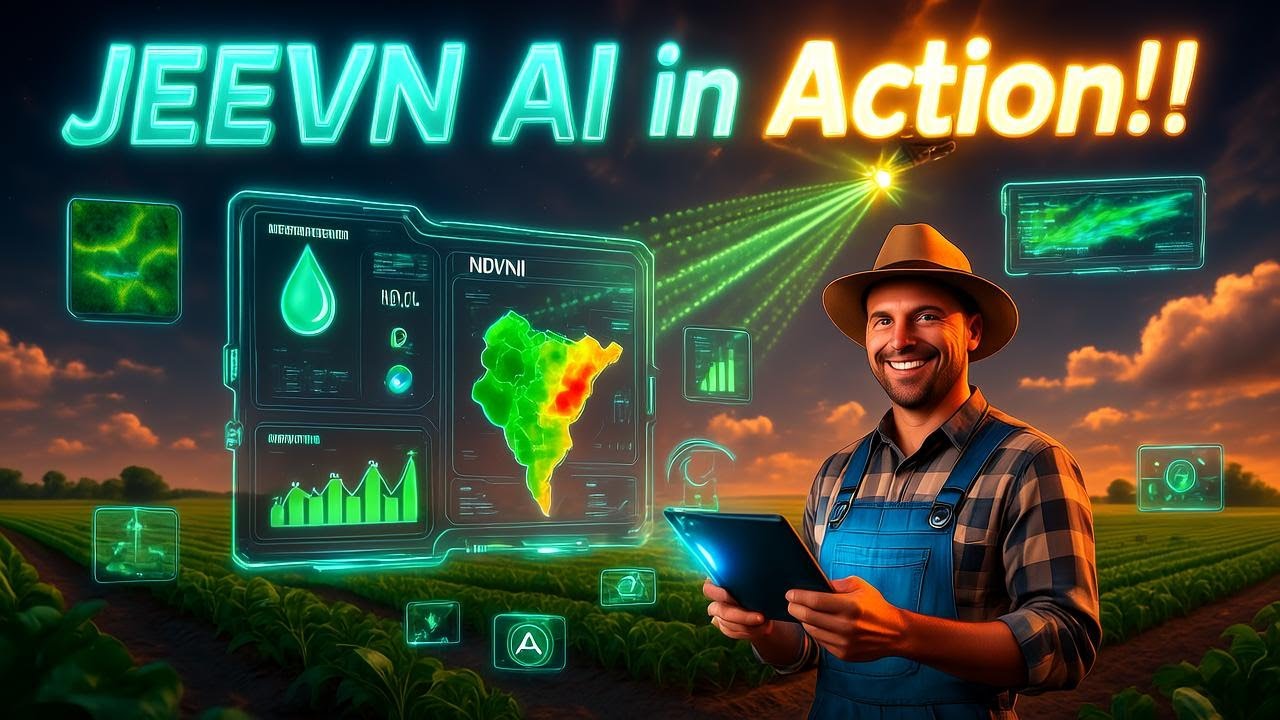
- Remote Sensing Solutions: Farmonaut’s satellite-driven analytics (web & mobile apps, APIs) provide Moroccan farmers, enterprises, and government agencies with real-time crop health, soil moisture, and environmental impact data—essential for sustainable agricultural management.
These technological integrations deliver tangible economic and environmental benefits, enhancing productivity while conserving limited resources.




Sustainable and Organic Practices
With increased focus on climate resilience and market demand for organic products, more Moroccan farms are pursuing organic certification. The government supports:
- Organic pest & disease management techniques
- Integrated soil fertility practices
- Education programs for farmers
Conscious consumers in both Morocco and international markets are rewarding these efforts, driving premium pricing and sustainable growth.
Resource Management and Carbon Footprinting
Sustainable resource management now includes carbon footprint monitoring as Moroccan authorities and exporters strive to meet international climate standards. Solutions like Farmonaut’s carbon footprinting platform are designed for:
- Tracking emissions from farm operations
- Informing sustainable planning and government policy decisions
- Enhancing product credibility in global supply chains
Water Management & Climate Resilience: Cornerstones of Morocco’s Agricultural Future
Water Scarcity: The Greatest Constraint
Moroccan agriculture is deeply affected by chronic water scarcity due to declining rainfall, rising temperatures, and growing urban demand. As climate change intensifies, integrated water resource management becomes more urgent.
- Drip & Deficit Irrigation: Nearly half of irrigated farmland is now equipped with drip or localized irrigation systems.
- Water Harvesting and Reuse: Farm-level projects promote rainwater collection and wastewater recycling, particularly in arid regions.
- Renewable Energy in Irrigation: Solar-powered pumps and digital monitoring lower costs and carbon emissions.
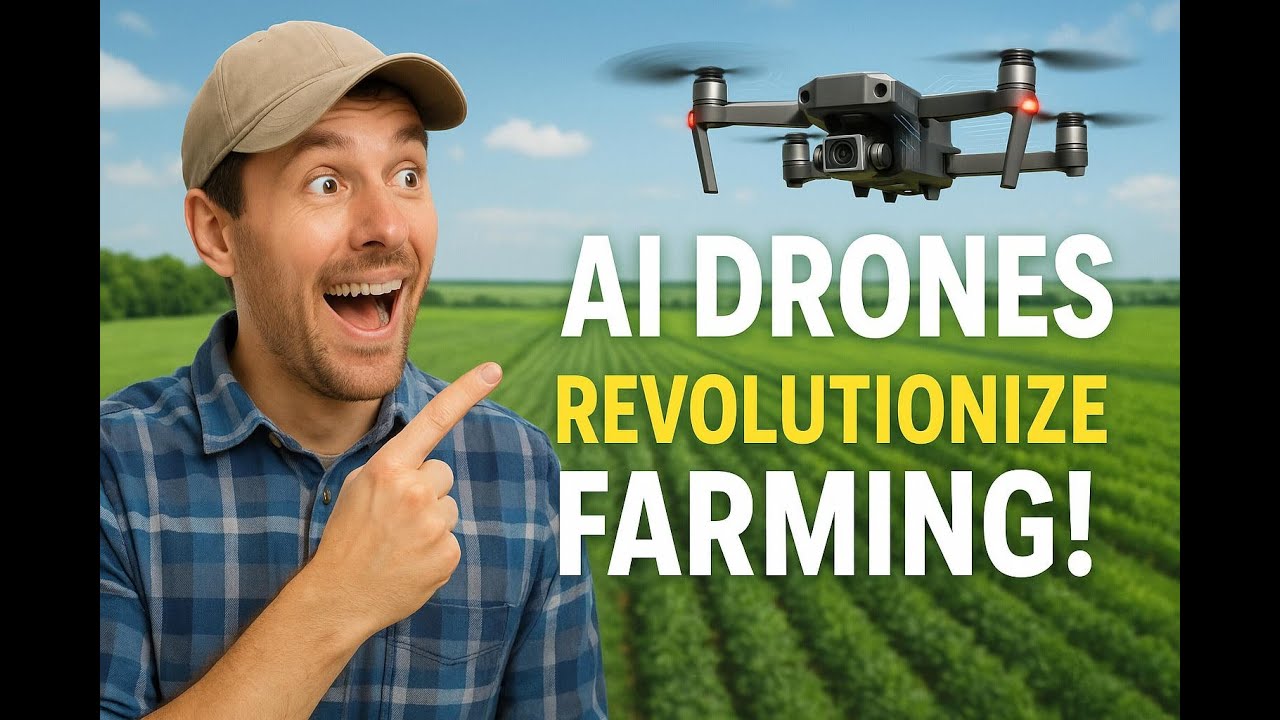
- AI-powered Irrigation Management: Tools like soil moisture sensors and satellite imagery (e.g., via Farmonaut apps and API developer docs) help farmers maximize every drop while sustaining yields.
Climate Change Adaptation and Resilience Strategies
With more frequent droughts, irregular rainfall, and soil degradation, adaptation is critical for sustainable agricultural development in Morocco. Government programs and research focus on:
- Developing climate-smart crop varieties (e.g., drought-tolerant wheat and barley)
- Promoting soil health through organic amendments and cover cropping
- Training farmers in risk mitigation (insurance programs, early warning systems)
The objective is to build the resilience of rural communities and agricultural value chains against the growing risks of climate change.

Rural Development & Policy Frameworks
Government Support: From the Green Morocco Plan to Generation Green
Through the Green Morocco Plan (Plan Maroc Vert), and its successor, Generation Green 2020-2030, the Moroccan government has consistently positioned agriculture as a pillar of socioeconomic development. These policies target modernizing production systems, encouraging sustainable intensification, and prioritizing smallholder farmers.
- Subsidized credit, insurance schemes, and capacity-building programs empower rural communities.
- Women’s economic inclusion: Special programs support women farmers, addressing social equity and boosting community-level productivity.
- Rural infrastructure: Investment in roads, digital connectivity, storage, and marketplaces enhances supply chain reliability.
- Land consolidation and cooperatives: Tackling land fragmentation and inefficiency through policy reforms and collective farming models.
These policy frameworks ensure that as the sector grows, it remains inclusive, resilient, and sustainable.
Crop Loan and Insurance: Building Financial Resilience
Access to crop loans and insurance has expanded, giving Moroccan farmers vital protection against climate shocks and boosting food security. Digital platforms like satellite-based crop loan and insurance verification help streamline approvals, reduce fraud, and lower risk for both lenders and farmers.
Morocco’s Sustainable Agriculture Progress: 2023–2026 (Comparative Table)
The following comparative table provides a snapshot of sustainability metrics in Moroccan agriculture over recent years. These key performance indicators underline national progress toward climate-smart, resource-focused, and inclusive agricultural growth.
| Year | % of Land Under Sustainable Practices |
Agri Water Use (billion m³) |
Adoption of Climate-Smart Tech (%) | Avg. Crop Yield (tons/hectare) |
Rural Employment (%) |
|---|---|---|---|---|---|
| 2023 | 13% | 13.2 | 12% | 2.0 | 38% |
| 2024 | 15% | 12.9 | 15% | 2.2 | 39% |
| 2025 | 18% | 12.4 | 18% | 2.4 | 39.5% |
| 2026 | 21% | 12.0 | 21% | 2.6 | 40% |
Takeaway: By 2026, over one-fifth of Moroccan farmland utilizes sustainable and climate-smart practices, with technology adoption rising alongside stable rural employment and yield increases. Water use per hectare is trending down through efficiency improvements.
Emerging Challenges & Opportunities in Agriculture Morocco, 2026
Persistent Challenges Facing the Sector
Despite notable progress, the agriculture Morocco sector faces ongoing headwinds:
- Water Scarcity: Low and unpredictable rainfall, compounded by competition with urban consumption, threatens food security.
- Climate Change: More frequent droughts, heatwaves, and soil degradation reduce crop reliability.
- Land Fragmentation: Small and divided holdings limit mechanization and economies of scale.
- Limited Access to Modern Machinery: Especially among smallholders and remote communities.
- Global Market Volatility: Changing trade flows, regulations, and price shocks require nimble adaptation.
Opportunities for Sustainable Growth
On the upside, several opportunities are propelling Moroccan agriculture forward:
- Geographical Advantage: Morocco’s proximity to Europe and Africa enables easy access to international markets.
- Digital Marketplaces: Connecting rural producers with buyers globally to ensure price transparency and better supply chain integration.
- Agricultural Research Hubs: Innovations at research institutes and Moroccan universities are developing climate-resilient varieties and fostering crop diversification.
- Export Expansion: High-value organic, processed, and traceable foods meet premium market demand.
- Financial Innovation: Access to satellite-based verification for agri-loans and insurance (Farmonaut) supports inclusive, low-risk sectoral growth.
Trade, Quality, and Food Security
Investment in quality control, compliance with international certifications, and building food security reserves is key to ensuring the sector remains a national pillar and a reliable link in global value chains.
Agriculture Morocco Goes Digital: Satellite, AI & Blockchain Solutions
The transition toward digital, data-driven farming is revolutionizing the agriculture of Morocco. Satellite imagery, AI-based advisory systems, and blockchain traceability are being embraced to empower users—ranging from smallholder farmers to government agencies and financial institutions.
- Satellite-Based Monitoring provides actionable crop health, soil and water status, helping improve yield and lower input costs.
- Fleet & Resource Management tools, such as those available through Farmonaut’s fleet management apps, enhance logistics & reduce operational expenditures for agricultural enterprises and cooperatives.
- Blockchain Traceability builds transparency along farm-to-fork supply chains, crucial for unlocking new markets and improving trust. (See Farmonaut’s traceability solution).
- Environmental Impact Tracking now includes monitoring carbon emissions and compliance, aligning with Morocco’s sustainability agenda and international trade requirements.
We at Farmonaut are committed to making these advanced technologies accessible, affordable and impactful for all stakeholders in the Moroccan agricultural sector—from small family farmers to large commercial producers, supply chain managers, researchers, and government agencies.
Advance with Farmonaut: Unlocking Data-Driven Agriculture in Morocco
Why Choose Farmonaut for Agriculture of Morocco?
As Morocco accelerates toward its sustainability and digital transformation goals, Farmonaut stands out for its:
- Cost-effective, subscription-based access to advanced satellite imagery and AI analytics,” available through our Android, iOS, and Web apps.
- Powerful API integration, making it simple for Moroccan businesses and developers to embed real-time agricultural intelligence directly into their operations and decision-making workflows. Full developer docs available for seamless setup.
- Fleet and resource management tools helping agricultural businesses optimize vehicle use, ensure worker safety, and reduce operating costs.
- Environmental impact monitoring for carbon footprinting and compliance, supporting Morocco’s green targets and helping exporters capture premium sustainable markets.
- Blockchain-enabled traceability that assures buyers of product integrity and safety.
Our solutions are powering a new era of data-driven, sustainable, and inclusive growth for the agriculture of Morocco.
FAQs: Agriculture of Morocco, 2026
-
Q: What are the main crops grown in Morocco’s agricultural sector in 2026?
A: The primary crops include cereals (wheat, barley), olives (for oil and table use), citrus fruits (oranges, mandarins), tomatoes, strawberries, and aromatic/medicinal plants. Morocco is also a global leader in olive oil production. -
Q: How is Morocco addressing water scarcity in agriculture?
A: Morocco is scaling up drip irrigation, harvesting rainwater, recycling wastewater, adopting solar-powered pumps, and using digital technologies such as satellite-driven soil moisture monitoring to optimize water use. -
Q: What is the role of sustainability in Morocco’s agricultural future?
A: Sustainability is a strategic priority, with more farms adopting climate-resilient practices, organic agriculture, efficient irrigation, and carbon footprint tracking to ensure long-term productivity and food security. -
Q: What innovative technologies are Moroccan farmers using in 2026?
A: Moroccan farmers are increasingly adopting satellite imagery, AI-based advisory tools, blockchain traceability, drones, and IoT sensors to improve productivity, resilience, and resource management. -
Q: How does the government support rural development and smallholder farmers?
A: Government strategies focus on subsidized loans, insurance, education, women’s inclusion programs, digital rural infrastructure, cooperatives, and supporting access to export markets. -
Q: What are the main opportunities for growth in the agriculture Morocco sector?
A: Opportunities include high-value crop export, organic and climate-smart food production, digital supply chain integration, and leveraging strategic geographic access to Africa and Europe. -
Q: How can technology providers like Farmonaut support Moroccan agriculture?
A: We at Farmonaut offer satellite-driven monitoring, AI advisory systems, resource management, blockchain traceability, and carbon tracking—making advanced agricultural intelligence accessible and affordable to all stakeholders.
Conclusion: Toward 2026 and Beyond
The agriculture of Morocco stands as a dynamic pillar of national prosperity, blending tradition, innovation, and sustainability. By embracing modern technologies, conservation practices, and digital infrastructure, Morocco continues to secure food security, economic growth, and social stability. With government policy support, market-oriented reforms, climate adaptation, and smart investments in research and technology, the sector will continue to thrive through 2026 and beyond.
Stay connected to the future of Moroccan agriculture—and discover how data-driven innovation is building a sustainable tomorrow.
For more information, or to explore how Farmonaut’s tools can empower your agricultural journey—from satellite insights to blockchain traceability, carbon footprinting, and resource management—visit our platform and start your free trial today.
Discussion
Questions, corrections or field experience? Share them below. First-time comments are reviewed before they appear, and your email is never published.
No comments yet. Be the first to add a question or your experience.

 Messina Beej
 Dirks Bros Farms
 Red August Group
 Farm Inc
 WeMe Global
 Agrotoken
 Blue BearX
 Insignito
 Croptimum
 DnCubed
 Field Capacity
 Indosistim Teknologi
 Liquify Digital
 CU Foods
 BeyondTech Global
 Rouge VC
 AgroGreen Dynamics
 AgroRisk
 Licence holder · Niger · Gold










