

Table of Contents
- Introduction
- Overview of Mineral Rare Earth: Foundation for Modern Industry
- US Rare Earth Reserves & Mining Prospects
- 2025 Rare Earth Production, Supply Chain, and Infrastructure Expansion
- Strategic Importance: National Security and Clean Energy
- US Rare Earth Minerals Industry Trends Table (2024-2026)
- Critical Challenges Facing US Rare Earth Mineral Companies
- Key Strategies for 2025 and Beyond
- How Satellite & Digital Technologies Are Revolutionizing Mining
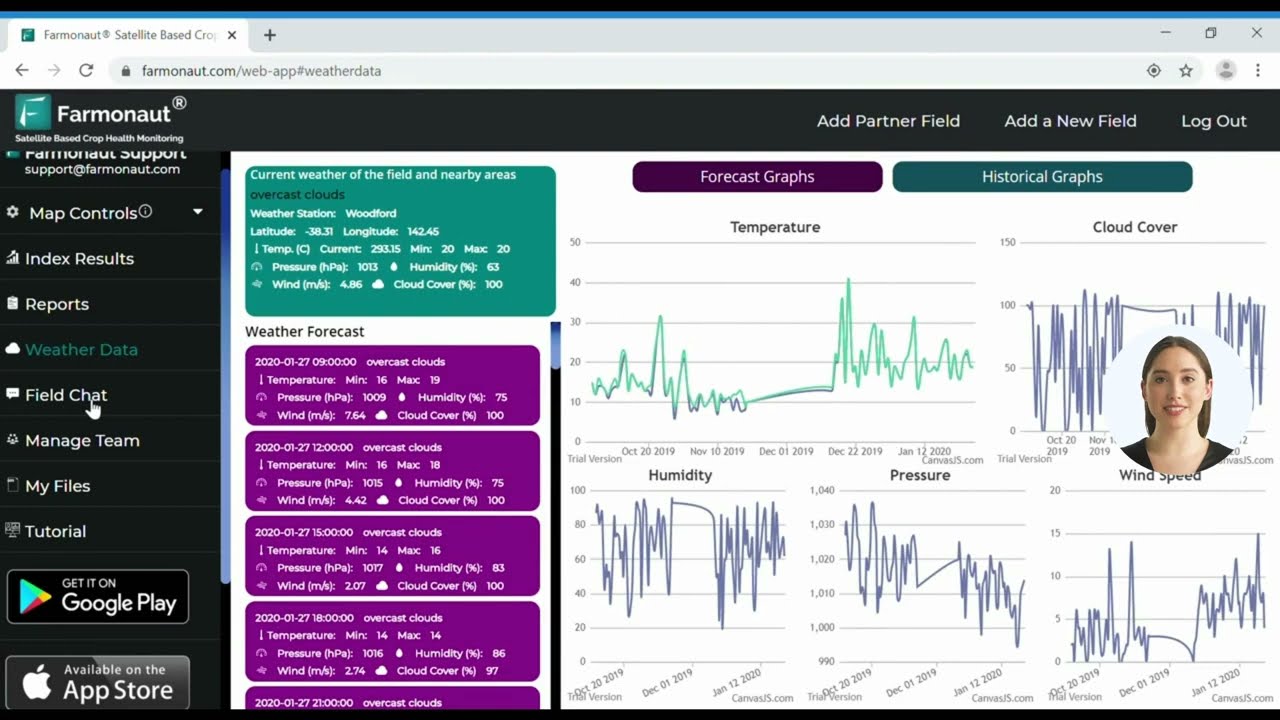
- Farmonaut: Satellite Insights Empowering Mineral Rare Earth Sectors
- Frequently Asked Questions (FAQ)
- Conclusion: The Path Forward for US Rare Earth Minerals
“The US supplies over 15% of global rare earth minerals, essential for powering next-generation clean energy by 2026.”
Mineral Rare Earth: US Rare Earth Minerals Powering 2026
The modern world thrives on rare earth minerals—a set of 17 unique elements whose magnetic, luminescent, and electrochemical properties make them indispensable components in everything from clean energy systems to advanced defense applications. As the United States enters 2026, our national strategy is more focused than ever on mineral rare earth resources: expanding mining operations, advancing processing capabilities, and building a resilient supply chain for critical industries. Especially amid a shifting global landscape, securing a domestic source of these minerals is not just an economic imperative—it’s a matter of national security.
In this comprehensive guide, we dive deep into the current trends, strategies, challenges, and future prospects shaping the US rare earth mineral sector for 2025, 2026, and beyond. We’ll explore why rare earth elements like neodymium, dysprosium, and cerium are at the core of technology advancement, how new mining and processing methods are transforming the industry, and what it will take to achieve strategic autonomy for the nation.

Overview of Mineral Rare Earth: Foundation for Modern Industry
Rare earth minerals—often simply called “rare earths”—represent a family of 17 elements (lanthanides plus scandium and yttrium) that are not necessarily rare in abundance, but are rarely found in economically exploitable concentrations. These elements include neodymium, praseodymium, dysprosium, cerium, and more, each possessing unique properties that make them crucial for modern technology.
- Magnetic: Strong magnetism (e.g., neodymium) powers wind turbines, EVs, radar systems.
- Luminescent: Essential for advanced electronics and lighting devices.
- Electrochemical: Vastly improve battery performance, electronics, military systems.
Rare earth minerals have become indispensable components in manufacturing turbines, EVs, electronics, and military applications. From clean energy systems driving the sustainability revolution to the defense sector protecting national interests, these elements’ importance is set to soar even higher in 2025 and 2026.
Global Landscape: Why US Rare Earth Minerals Matter
Historically, China has dominated the rare earth mineral production and refining capacities, controlling over 80% of the world’s output. This monopoly has created supply chain vulnerabilities for the US and its allies:
- Strategic dependency on foreign sources, especially from geopolitical competitors.
- Bottlenecks and price volatility in global supply chains for tech, clean energy, and defense.
- The threat of export restrictions as a tool of geopolitical influence.

As a result, the US is increasingly focused on strengthening its domestic rare earth industry. Federal and state policies, new technologies, and private sector investment are transforming the sector from the ground up—literally and strategically.
US Rare Earth Reserves & Mining Prospects: New Discoveries, Renewed Focus
The United States is endowed with notable rare earth mineral deposits, especially in California, Wyoming, and Texas. US mining initiatives have accelerated since the early 2020s, reflecting a new era of resource autonomy.
“By 2025, US rare earth mining investments are projected to exceed $3 billion, reshaping national security strategies.”
- California – Mountain Pass: The largest operational rare earth mine in the US, Mountain Pass has resumed and expanded activity after years of dormancy and now supplies a growing share of domestic demand.
- Wyoming – Bear Lodge Project: Substantial deposits have been identified, offering long-term prospects for scaling up US mineral rare earth supply.
- Texas – Round Top: Known for both rare earth elements and lithium co-production, this site is vital as the industry seeks a fully integrated supply chain.
Private rare earth mineral companies such as MP Materials are ramping up production and processing operations in these regions, encouraged by federal incentives and booming market demand.
Current Leaders & New Entrants in the U.S. Rare Earth Sector
- MP Materials: Oversees Mountain Pass, focusing on increased extraction, sustainability, and domestic refining.
- Lynas Rare Earths: Working closely with US firms to expand processing facilities and bring advanced technologies stateside.
- Emerging Companies: New entrants are exploring Bear Lodge, Round Top, and similar projects to diversify and expand US reserves.
The renewed US push is also evident in bold 2024 strategy documents emphasizing sustainable mining practices, environmental safeguards, and next-generation extraction technologies. Policy and regulatory incentives are catalyzing investment into less environmentally invasive and more efficient production.

2025 Rare Earth Production, Supply Chain, and Infrastructure Expansion
As industry demand rises for advanced electric vehicles (EVs), wind turbines, and electronics, the US rare earth mineral company ecosystem must rapidly scale up production. The end-goal for 2025 and 2026 is not just increased extraction, but a resilient, fully integrated, and sustainable supply chain—from mining to refining to manufacturing.
- Supply Chain Integration: US industry aims to cover everything—from rare earth extraction to processing and fabrication of magnets and other components.
- Vertical Integration: Companies are moving toward vertical integration to avoid bottlenecks and dependency on foreign sources.
- Clean Energy Infrastructure: Investment in wind, solar, and EV manufacturing means critical demand for neodymium and praseodymium magnets.
- Defense Manufacturing: Sustained advances in military electronics, guidance, radar, and missile systems drive further demand.
Federal and state governments have responded with an array of policies and incentives:
- Direct research and development funding (API Developer Docs for technology integration informational link)
- Grants for clean energy technology solutions
- Support for domestic processing facility construction
- Tax benefits for domestic extraction and refining companies

Why 2025 Is a Pivotal Year for US Mineral Rare Earth
2025 is set to become a milestone for US rare earth minerals production. Not only does it mark ramped-up investment and government-backed action, but the year should see the impact of new environmental and technology policies:
- Expanded production capacities at Mountain Pass, Bear Lodge, and Round Top.
- Operational new domestic rare earth processing facilities.
- Launch of advanced recycling initiatives to extract rare earth minerals from end-of-life electronics.
- Greater market incentives for private companies scaling US rare earth supply chains.
Strategic Importance: National Security and Clean Energy
The role of mineral rare earth elements in US national security and infrastructure cannot be overstated. These minerals are critical for:
- Missile guidance, military radar, and advanced communication systems
- Permanent magnets central to electric vehicles, wind turbines, drones, and defense apparatus
- Foundational material for next-generation energy storage and clean energy production
- Telecommunications and emerging quantum computing devices
By 2026, US rare earth minerals will form the backbone of new clean energy and defense infrastructure. Ensuring a secure, environmentally responsible domestic supply is vital for strategic autonomy.
US Rare Earth Minerals Industry Trends Table (2024-2026)
| Year | Estimated US Rare Earth Production (metric tons) | Global Market Share (%) | Key Uses | Notable Policy/Industry Actions | Projected Impact on National Security/Clean Energy |
|---|---|---|---|---|---|
| 2024 | 43,000 | ~15% | EV magnets, wind turbines, electronics, defense | Federal/infrastructure funding, R&D incentives | Increased autonomy, baseline for new clean energy buildout |
| 2025 | 50,000 | ~17% | ESG-compliant magnets, turbines, batteries, military | Launch of domestic processing facilities, recycling, cleaner extraction | Reduced dependency, resilience in defense and energy supply |
| 2026 | 58,000 | ~19% | Quantum computing, advanced renewables, AI infrastructure | Full supply chain integration, circular economy programs | Maximum self-sufficiency, strategic leadership in clean energy |
The table above visualizes the US evolution from a dependency model (2024) toward a leading role in rare earth minerals (2025-2026), supporting clean energy growth, defense autonomy, and national economic resilience.

Critical Challenges Facing US Rare Earth Mineral Companies
While US rare earth mineral companies are laying foundations for independence, several challenges endure in the path to 2025 and 2026 goals:
- High Production Costs: Extracting, separating, and refining rare earths such as neodymium and dysprosium are capital- and energy-intensive.
- Complex Processing Requirements: Advanced hydrometallurgical and solvent extraction processes require high technical skill and robust chemical infrastructure.
- Environmental Concerns: Tailings and chemical byproducts pose risks to water and land near mining sites in California, Wyoming, Texas, and beyond.
- Sustainable Supply Chain Integration: Ensuring sustainability across the chain—from extraction to manufacturing—requires continuous monitoring.
- Market Volatility: Fluctuating prices driven by global policy, technological change, or diplomatic events can disrupt investment cycles.
Addressing these challenges is essential to solidify the US’s strategic position in rare earth minerals supply for critical infrastructure, defense, and energy systems.
Key Strategies for 2025 and Beyond: A Sustainable Path for US Rare Earth Minerals
In 2025 and 2026, US rare earth minerals strategy centers on overcoming challenges and unlocking broad-based prosperity and security. Here are some core approaches:
- Advanced Processing Technologies: US companies are investing in automation, AI-driven sorting, and real-time monitoring for higher efficiency and lower environmental impact.
Example: Farmonaut’s API offers the ability to integrate satellite monitoring for resource management and environmental compliance. - Full Supply Chain Localization: Establishing domestic refining facilities and reducing dependency on foreign sources targeted aggressively by federal investment.
- Circular Economy / Recycling Initiatives: 2025 strategy includes ramping up recycling of rare earths from electronic waste to cut down on ecological impact and resource vulnerability.
- Environmental Impact Monitoring: Regular tracking and reporting on emissions and land use ensure sustainable mining operations (Farmonaut’s carbon footprinting solutions help businesses measure and reduce environmental impact).
- Government-Driven Policy Support: Federal and state agencies are funding research into alternative materials and rare earth substitutes to further diversify the critical materials base.
By leveraging AI, satellite data, blockchain traceability, and modular monitoring tools, the US is well-positioned to lead in sustainable, secure rare earth production.

How Satellite & Digital Technologies Are Revolutionizing Mining
Digital transformation is taking root in the US rare earth minerals sector, as AI, IoT, and satellite-based systems become mainstream in resource monitoring and extraction. These tools enable:
- Real-time geospatial monitoring of mining sites, detecting ecological changes and operational efficiency bottlenecks (Fleet management tools optimize heavy equipment operation and resource tracking).
- Automation of extraction and transport—driving down costs and minimizing environmental footprint.
- Blockchain-based traceability to secure supply chains, reduce fraud, and provide full lifecycle documentation (Learn more about product traceability).
- Environmental compliance through remote measurement and early warning of emissions or contamination incidents.
- Data-driven planning—enabling sustainability, operational efficiency, and regulatory compliance across the chain.
Farmonaut: Satellite Insights Empowering Mineral Rare Earth Sectors
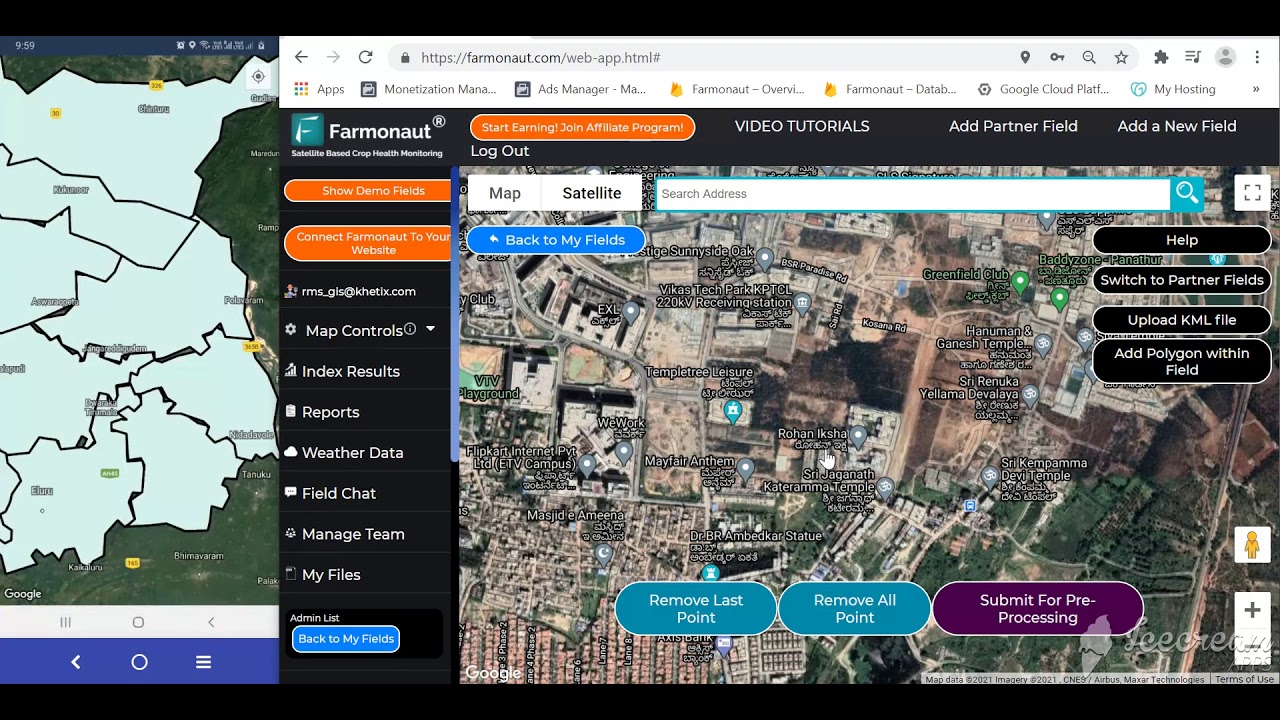
At Farmonaut, we are advancing how the mineral rare earth sector approaches monitoring, risk management, and sustainability. Our satellite-based solutions offer real-time insight into mining operations, infrastructure development, and environmental compliance—empowering operators in California, Wyoming, Texas, and across the nation.
- Satellite Monitoring: We deliver continuous geospatial updates to help track rare earth mining sites, vegetation recovery, and landscape changes after extraction, supporting smarter land management.
- Jeevn AI Advisory: Our AI-driven advisory system delivers advanced forecasting and scenario planning for resource management and clean energy strategies.
- Blockchain Traceability: We enable supply chain traceability—ensuring authenticity and transparency for rare earth minerals integrated into national infrastructure or high-value exports.
- Environmental Impact Tracking: With solutions like our carbon footprint monitoring, mining and mineral companies can achieve measurable sustainability milestones—essential for federal contracts and clean energy partnerships.
- Fleet and Resource Optimization: Our resource management tools maximize fleet productivity and lower environmental risks, reducing operational costs for large-scale infrastructure projects.
Our mission is to democratize access to affordable, actionable satellite insights for businesses, government agencies, and private sector project managers. Farmonaut’s 


Learn more about our large-scale monitoring, financing verification, and forest resource advisory tools—each purpose-built to support efficient, compliant infrastructure and resource management for the rare earth minerals industry.
Scale insights, reduce risks, and drive future-ready operations—from mine site to advanced clean energy and security infrastructure.
Frequently Asked Questions (FAQ)
What are mineral rare earth elements and why are they critical?
Mineral rare earth elements are a group of 17 elements—primarily the lanthanides plus scandium and yttrium—characterized by unique magnetic, luminescent, and electrochemical properties. They are critical because they are indispensable components in manufacturing modern devices, energy infrastructure, and defense technology.
Why is US rare earth minerals production strategically important for 2025 and beyond?
US rare earth minerals production reduces dependency on foreign sources—especially from countries controlling the majority of global refining capacity. This secures critical supply for clean energy, defense, and technology infrastructure, thereby upholding national security and economic leadership.
How is the US government supporting rare earth mining and processing?
The US government is providing incentives, funding research, supporting domestic processing and recycling, and implementing policies that encourage sustainable, domestic production. These strategies aim to strengthen the entire supply chain from mine to end-user.
What challenges do US rare earth mineral companies face?
Key challenges include high production and processing costs, environmental impacts, technological complexities, and global market volatility. Continuous innovation and digital monitoring, like satellite technology, help companies manage risks and improve efficiency.
How does Farmonaut support rare earth minerals infrastructure?
We provide real-time satellite monitoring, AI-driven insights, blockchain traceability, and environmental compliance tools—helping mining and infrastructure operators optimize operations and ensure sustainable practices.
Conclusion: The Path Forward for US Rare Earth Minerals
Mineral rare earth elements are the bedrock of advanced American infrastructure, clean energy systems, and defense capabilities. As we approach 2026, the United States is executing a bold, multi-pronged strategy: expanding mining operations in California, Wyoming, and Texas; accelerating processing and recycling innovations; and weaving satellite-driven technologies & data analytics into every step of the supply chain.
The journey is not without significant challenges—from environmental mitigation to global competition. Yet, with continued government support, digital transformation, and a focus on sustainability and autonomy, the US stands poised to lead in the rare earth minerals industry throughout 2026 and well beyond.
For companies, policy-makers, and innovators, the coming years will be defined by collaborative, technology-forward approaches—leveraging AI, satellite insights, and smarter supply chain management to ensure that the rare earth minerals powering tomorrow’s energy transition and security infrastructure remain secure, sustainable, and strategically sourced.
Ready to transform your minerals or infrastructure operations with real-time satellite monitoring, actionable insights, and cutting-edge management tools? Experience the power of our solutions today:
For developers and digital innovators, visit our comprehensive API documentation to integrate our satellite and weather insights into your own tools and platforms.
Mineral rare earth resources are more than just elements: they are the building blocks of the future. With strategic production, sustainable mining, and breakthrough technologies, the US can secure its place as a global leader in clean energy, defense innovation, and economic prosperity through 2026—and far beyond.

 Geoticgy
 GemSprout Metals Limited
 Qader Group
 Ileys General Trading
 SG Gold Mining LLC
 VRV Global Pte Ltd
 Omsri International FZE
 G.I.T.T.
 Jaunita Erss Ltd
 Almosi SARL
 SRK Consulting
 Berks Gold Limited
 Mwerezi Minerals Company Limited
 Mining SARL
 SenGold Invest SAS
 Sean Mining Limited
 NTS Group (Pty) Ltd
 Mine4Africa
 Lithspo Minerals Limited
