

Algeria Agriculture, Agriculture Nigeria: 2025 AI Trends for Food Security, Growth & Innovation
Table of Contents
- Introduction & Key Trivia
- The Backbone of African Economies
- Agriculture Nigeria: Opportunities & Challenges
- AI in Nigerian Agriculture: Revolutionizing Farming Practices
- Algeria Agriculture: Emerging Prospects for 2025
- AI Adoption and Impact: 2025 Trends Table
- Digital Innovation, Infrastructure & Farmonaut’s Role
- Building Resilient Agricultural Systems: 2025 and Beyond
- Farmonaut Product Benefits & App Links
- FAQs: Algeria & Nigeria Agriculture, 2025 AI Trends
“By 2025, AI-driven solutions are projected to increase crop yields in Nigeria and Algeria by up to 30%.”
Introduction: Setting the Stage for Agriculture Nigeria and Algeria Agriculture in 2025
Agriculture remains the backbone of many African economies, with Nigeria and Algeria heavily relying on this sector for food security, employment, and economic growth. By 2025, agriculture Nigeria and algeria agriculture will be characterized by transformative innovation—driven by AI (Artificial Intelligence), digital platforms, and sustainable technologies. These advances aim to maximize productivity, minimize risks, and ensure adaptability amidst shifting climate and policy landscapes.
In this comprehensive blog, we will:
- Analyse opportunities and challenges for agriculture Nigeria and algeria agriculture
- Explore the integration of AI in Nigerian agriculture and its impacts
- Dive into the modernization of Algerian farming and AI’s role in sustainable growth
- Highlight digital innovation, including solutions by Farmonaut, that support farmers, governments, and agricultural industries
- Provide comparative data and projections for the 2025 agriculture landscape in both countries
Discover how tech and data are shaping Africa’s agricultural future.
The Backbone of African Economies: Nigeria and Algeria’s Agricultural Landscape
Agriculture Nigeria and Algeria agriculture both form the pillars of their respective economies. With abundant arable land, large rural workforce, and vast untapped potential, agriculture in these nations drives not just food security but also employment and value creation for millions.
- Nigeria: Agriculture accounts for approximately 24% of the GDP and engages over 70% of the labor force. Key agricultural commodities include cocoa, cassava, maize, yams, and oil palm.
- Algeria: Contributes around 12% to GDP, with employment for roughly 20% of the workforce. Its strengths lie in cereal production (wheat, barley), olives, dates, and livestock.
Despite these advantages, both nations face challenges: limited infrastructure, climate change impacts, under-mechanization, and unequal access to finance and technology. However, as these nations transition into 2025, AI-powered innovation is reshaping farming across the continent.
Smart precision technologies and AI transform yields and sustainability.
Agriculture Nigeria: Opportunities and Challenges toward 2025
Opportunities in Agriculture Nigeria
The agriculture industry in Nigeria is poised for transformative growth, as vast arable land (over 82 million hectares) and a large workforce bring immense potential. Modern farming practices, investment incentives, and government policies are gradually paving the way for increased output and value addition.
- Expansion of Agribusiness & Agro-Processing: Agribusiness is becoming vital for value addition and export growth. This transition shifts the sector from subsistence to commercial farming.
- Government & Private Collaborations: Initiatives focus on transitioning to commercial agriculture, improving access to finance, providing investment incentives, and supporting modernization through technology and training.
- Adoption of Modern Techniques: Techniques such as precision agriculture, irrigation systems, and AI-driven decision support are gaining ground.
- Boosting Export Potential: By improving crop quality and processing infrastructure, Nigeria’s agricultural commodities can access international markets more competitively.
Persistent Challenges in the Agriculture Industry in Nigeria
- Low Mechanization: Many farms remain dependent on manual labor, limiting productivity.
- Inadequate Infrastructure: Weak transport, storage, and irrigation infrastructure reduces efficiency and increases post-harvest losses.
- Access to Finance: Smallholder farmers face limited access to credit and insurance, hindering investment in advanced technologies.
- Climate Change Vulnerability: Increased temperature, erratic rainfall, and pests threatens food security.
Navigating these challenges requires technological innovation and stronger policy frameworks—the driving themes for agriculture Nigeria in 2025.
“Over 60% of Algerian and Nigerian farmers are expected to adopt digital agriculture platforms by 2025.”

Watch how Nigeria’s exports and AgriTech drive economic transformation.
AI in Nigerian Agriculture: Revolutionizing Farming Practices for 2025
AI in Nigerian agriculture is one of the most promising drivers of sector-wide modernization. As digitalization deepens, AI technologies are being deployed in every stage of the agricultural value chain—helping farmers, agribusinesses, and stakeholders maximize productivity, reduce losses, and mitigate climate risks.
Let’s explore how artificial intelligence is reshaping the agriculture industry in Nigeria as we move towards 2025:
Smart Irrigation & Water Management
-
AI-powered drip irrigation systems optimize water use by analyzing soil moisture, rainfall, and weather data.
Given Nigeria’s seasonal rainfall variability and increasing water scarcity, these systems help allocate resources efficiently and lower costs. - Satellite imaging and AI-driven moisture analytics alert farmers to drought risks and areas needing irrigation adjustment.
Drones, Imaging & Precision Monitoring
- Drones equipped with AI analytics have become invaluable for monitoring crop health and detecting pests or disease early. Real-time AI interpretation ensures timely corrective actions, minimizing losses.
- Satellite-imaging driven platforms deliver field-wide insights on crop vigor, enabling precision in fertilizer and pesticide use.
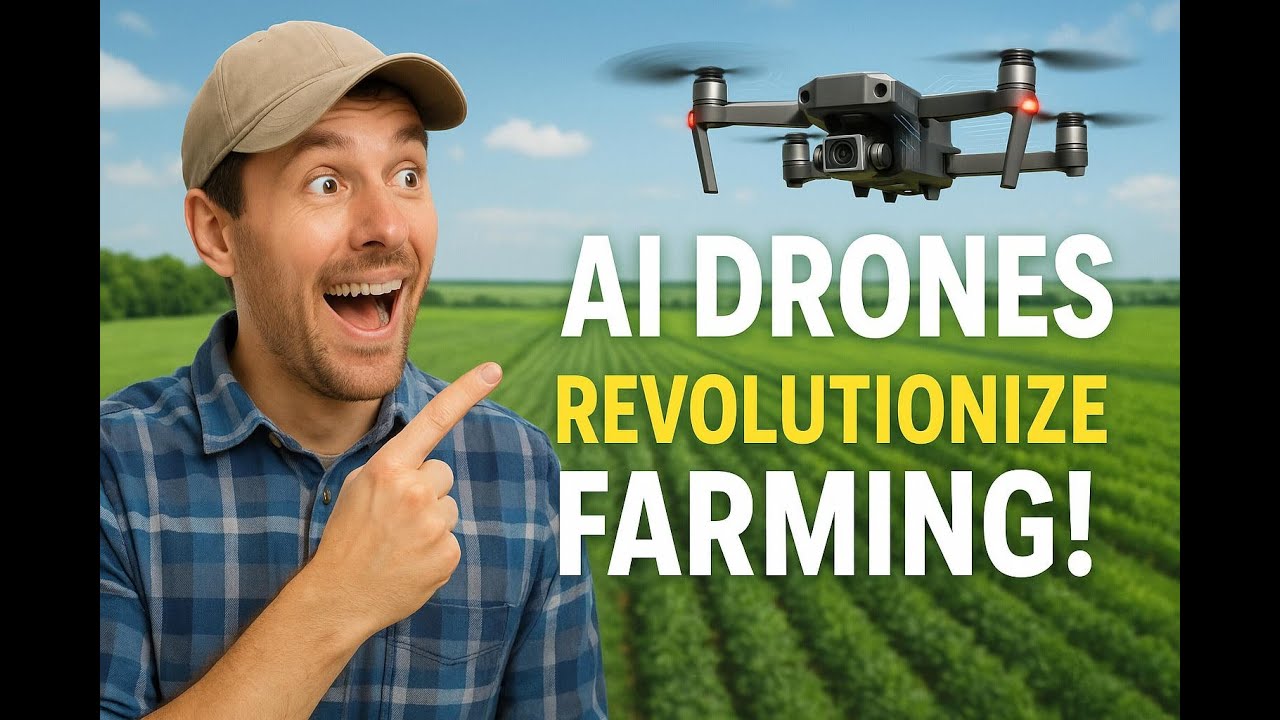
Unveil the transformative power of AI-powered drones in African farming.
Market Intelligence and Digital Advisory
- AI-driven digital platforms help predict market demand and price trends, allowing farmers to decide what and when to plant or sell.
- Digital extension services powered by AI chatbots disseminate best agricultural practices in local languages—broadening farmer reach and education.
Boosting Financial Access & Reducing Risks
- AI integration with mobile platforms enables lenders and insurers to access satellite-verified crop data, resulting in more accurate risk profiling.
- This improves access to credit and crop insurance for smallholder farmers—enabling investment in technology, seeds, and fertilizers.
The cumulative effect is a revolutionized agriculture industry in Nigeria—one that’s data-driven, risk-mitigated, and increasingly prosperous as we head into 2025.
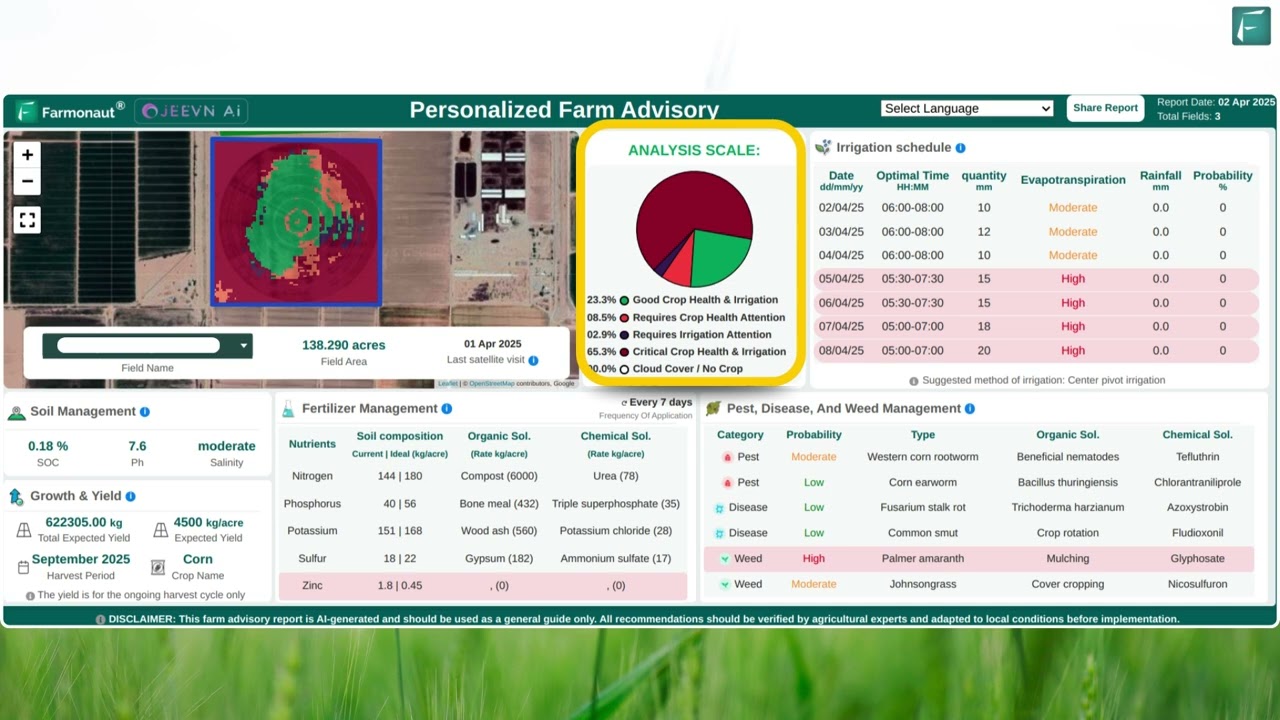
Reveal how AI and satellite tech are enabling smarter farm decisions.
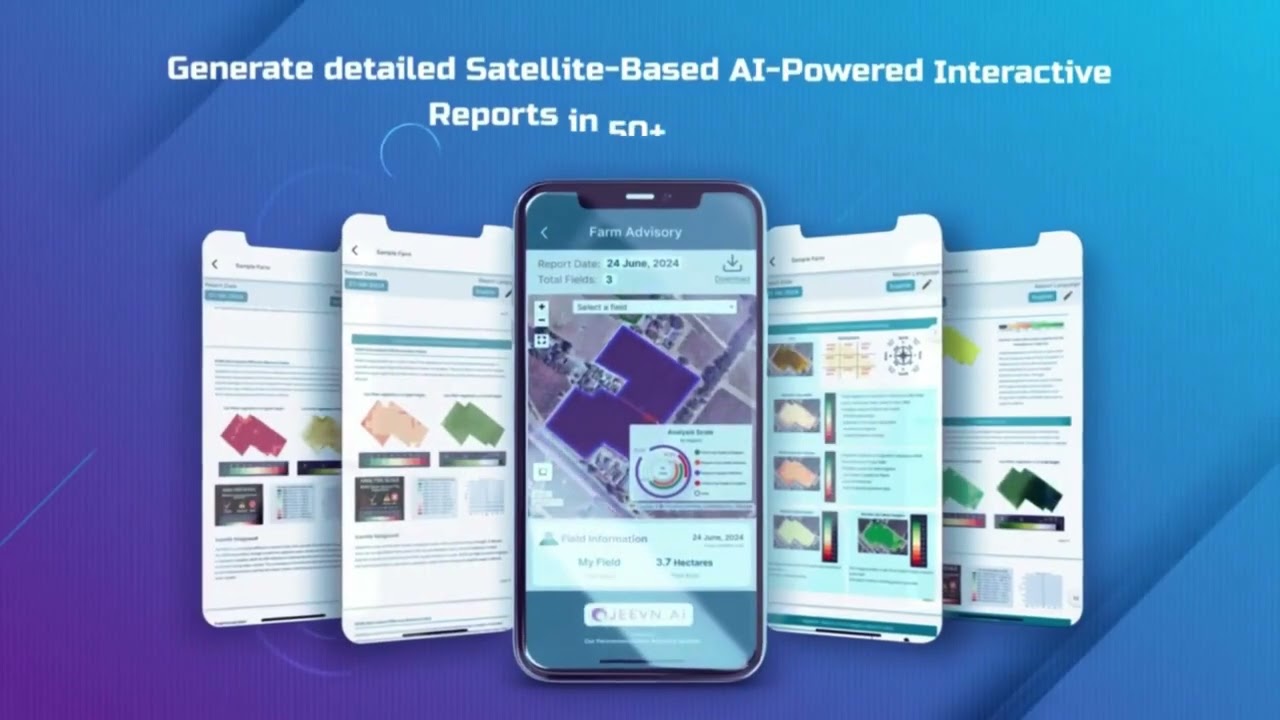
Understand the impact of real-time satellite crop health monitoring on farm productivity.

Explore carbon farming and regenerative practices promoted by smart technologies.
Algeria Agriculture: Emerging Prospects and AI Transformation in 2025
Algeria agriculture is also undergoing a dramatic shift, with urbanization, water scarcity, and changing climate necessitating fresh solutions. By 2025, the country seeks to achieve food security and decrease dependency on agricultural imports through sustainable practices and AI-fueled innovation.
AI & Digital Technologies in Algerian Agriculture
- Precision irrigation using satellite sensors and AI-analysis helps allocate water to the right crop areas at the right time—critical in Algeria’s semi-arid, drought-prone landscape.
- Sensor technologies and drone monitoring help with real-time assessment of soil health, moisture, and crop vitality.
- Digital management platforms and blockchain solutions verify agricultural produce quality, trace resources, and combat supply-chain fraud.
Sustainability & Climate Adaptation
- Sustainable irrigation systems, coupled with AI weather prediction, reduce the vulnerability of yields to climate variability.
- Soil analytics and AI-driven crop recommendations are fundamental to increasing yields and managing desertification.
By investing in technological infrastructure, training, and smart agricultural practices, Algeria’s agriculture sector stands to experience a leap in both productivity and sustainability by 2025.
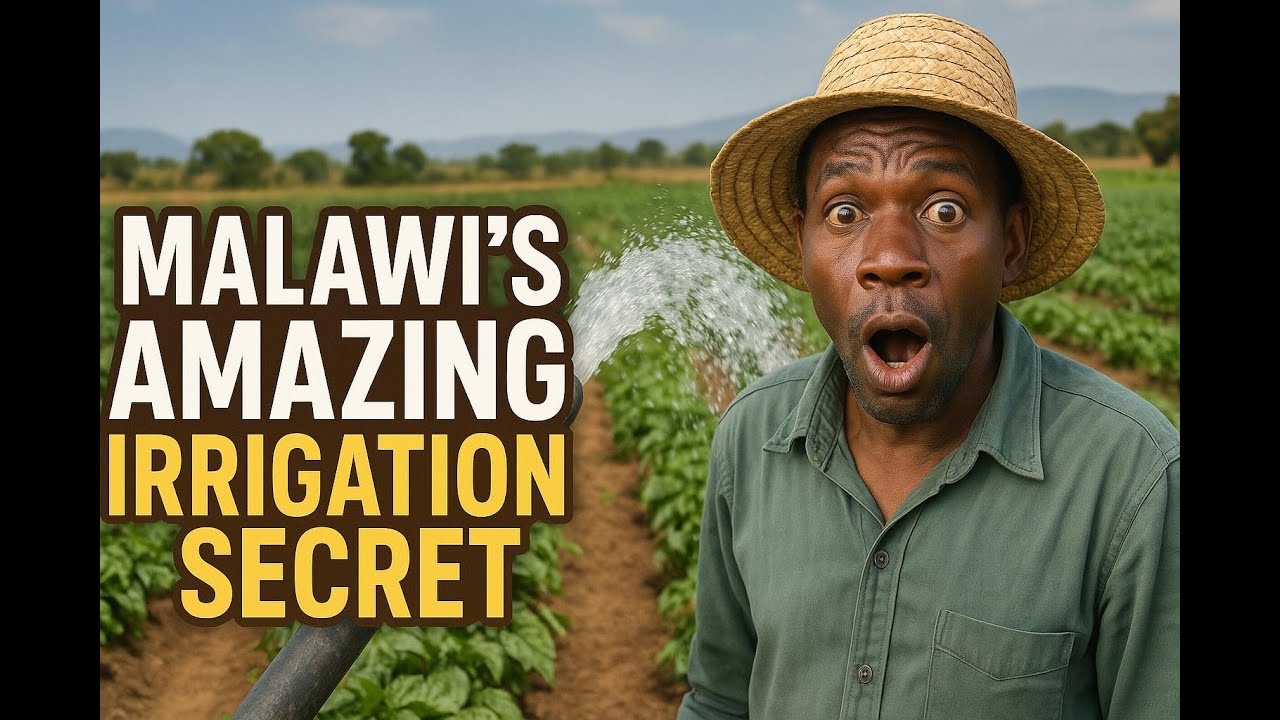
Solar-powered irrigation for sustainable, scalable production.
AI Adoption and Impact in Algerian & Nigerian Agriculture: 2025 Trends
| Aspect | Algeria (Estimated 2025) | Nigeria (Estimated 2025) |
|---|---|---|
| AI Penetration Rate (% of farms) | 38–45% | 41–50% |
| Popular AI Applications |
Precision irrigation Soil health monitoring Weather-based advisory Blockchain traceability |
AI pest & disease detection Yield optimization Satellite crop health monitoring AI-based financing platforms |
| Estimated Yield Increase (%) due to AI | 21-28% | 26-32% |
| Digital Investment (USD millions) | $80–$110M | $145–$170M |
| Number of AI Startups/Projects | 30–40 | 55–75 |
| Barriers to Adoption |
Rural connectivity gaps Training deficits Initial cost barriers |
Access to finance Digital literacy Fragmented supply chains |
This table offers a comparative, data-driven overview of AI’s transformative role in Algerian and Nigerian agriculture by 2025.
Digital Platforms & AI Innovation: Paving the Way for Agriculture Nigeria & Algeria
As AI and digital technology become key pillars for growth, platforms and tools tailored for farmers, agribusinesses, and governments are enabling sector-wide transformation:
-
Satellite-based monitoring platforms (Farmonaut App) empower users to view real-time crop health, soil data, and field stress signals—all without leaving home.
Mobile and web access (see buttons below) boost farmer reach and operational flexibility. Try the Farmonaut App to explore these features firsthand.



- AI-powered advisory systems (such as Jeevn AI) deliver weather forecasts, custom farming strategies, and resource management advice in real time. These tools help optimize yields while responding to climate variability.
- Blockchain-based traceability (Product Traceability) ensures authenticity and quality from farm to table—critical for boosting food export credibility.
- Fleet and resource management (Farmonaut Fleet Management) optimize equipment logistics, lower operational costs, and increase the safety of agricultural and infrastructure assets.
- Environmental impact monitoring (Carbon Footprinting) allows African farms and agri-businesses to track and reduce emissions—supporting both regulatory compliance and sustainability.
- Crop loan & Insurance platforms (Crop Loan & Insurance) use satellite-verified data to make financing accessible and trustworthy. This increases credit opportunities and reduces risk for both farmers and financial institutions.
- API & Integration Tools: For businesses and developers, Farmonaut’s API and API Documentation provide direct integration of satellite data and AI-driven insights. Businesses in Nigeria and Algeria can embed cutting-edge analytics into their management systems.
We, at Farmonaut, are dedicated to making satellite-based monitoring, AI-advisory, and digital platforms affordable and accessible for farmers, agribusinesses, governments, and financial institutions—thereby accelerating the technology adoption curve in Africa.
Building Resilient Agriculture Systems in Nigeria & Algeria: 2025 and Beyond
Achieving food security and economic growth in the face of climate change, land degradation, and global market fluctuations demands resilience. In both Agriculture Nigeria and Algeria Agriculture, success in 2025 hinges on:
- Technological Integration: Ongoing modernization through AI, digital platforms, and precision farming is crucial for boosting yields and sustainability.
- Education & Capacity Building: Digital literacy programs, farmer training, and agri-tech bootcamps are essential to ensure widespread tech adoption.
- Infrastructure Development: Investments in roads, storage, irrigation, and reliable internet access enable efficiency and reduce costs.
- Policy Innovation: Evolving government policies must incentivize sustainable practices, support start-ups, and foster public-private collaboration.
- Youth Inclusion: Attracting young talents into agriculture and tech sectors will infuse new energy and innovation.
- Value Chain Enhancement: Improving access to reliable markets, fair pricing, and transparent traceability will benefit producers and consumers alike.
In summary, technology-driven transformation, exemplified by AI adoption and modern platforms, will define the next chapter for Algerian and Nigerian agriculture.
Explore Farmonaut Solutions for Nigerian & Algerian Agriculture
- Real-time Crop Monitoring: Satellite and AI-powered data delivers insights into crop health, field stress, irrigation needs, and pest risk.
- Environmental Impact Tracking: Carbon footprint analysis supports sustainability, compliance, and strategic planning. Learn more about Farmonaut Carbon Footprinting →
- Supply Chain Transparency: Blockchain-based traceability increases product authenticity and export value. Explore Farmonaut Traceability →
- Crop Loan and Insurance Verification: Satellite data accelerates loan approval and insurance payouts. Check Farmonaut Crop Loan & Insurance →
- Fleet & Resource Management: Optimize logistics, reduce downtime, and increase efficiency for machinery/equipment. Farmonaut Fleet Management →
- Large-Scale & Forest Plantation Advisory: Real-time, scalable data for agricultural planners. Learn More about Farmonaut Admin App →
Need API or developer integration? Check Farmonaut’s API and API developer docs.
Frequently Asked Questions: Algeria Agriculture & Agriculture Nigeria, 2025 AI Trends
-
How is AI expected to impact agriculture Nigeria and algeria agriculture by 2025?
AI will lead to smarter irrigation, predictive analytics for pests and yield, precision monitoring, and digital financial services. Expected benefits include up to 30% higher crop yields, reduced costs, enhanced food security, and more climate resilience in both countries.
-
What are the main challenges facing the agriculture sector in Nigeria and Algeria?
Nigeria faces low mechanization, weak infrastructure, finance access hurdles, and climate variability. Algeria’s key challenges are water scarcity, arid climate, infrastructure limitations, and training deficits in digital technologies.
-
Which technologies will be most vital for farmers by 2025?
AI-powered precision irrigation, drones for crop and soil monitoring, digital advisory platforms, blockchain traceability, and mobile financial services—like those accessible through Farmonaut’s satellite-based platform—will be critical.
-
How can smallholder farmers benefit from these digital platforms?
Through real-time field analytics, better weather forecasts, affordable insurance/finance, and access to localized agronomic advice—smallholders can make informed decisions, reduce losses, and access bigger markets.
-
Where can policymakers and agribusinesses find reliable digital solutions?
Platforms like Farmonaut provide satellite-based monitoring, AI-advisory, blockchain traceability, and more—enabling evidence-based policy and supply chain credibility.
-
Is the trend towards digital and AI agriculture sustainable?
Yes; by optimizing water and chemical use, AI-guided practices simultaneously increase productivity and lower environmental impact—contributing to long-term sustainability in both countries.
Conclusion: A New Era for Agriculture Nigeria and Algeria Agriculture in 2025
Algeria agriculture and agriculture Nigeria are embarking on a transformative journey in 2025 and beyond. AI, digital platforms, and sustainable technologies are at the heart of new approaches to productivity, food security, and economic growth. By fostering inclusive innovation—supported by reliable solutions like Farmonaut’s satellite-driven insights—farmers, agribusinesses, and governments are building robust, future-ready agricultural systems for all Africans.
The future of agriculture in Nigeria and Algeria is digital, data-driven, and sustainable.
Discussion
Questions, corrections or field experience? Share them below. First-time comments are reviewed before they appear, and your email is never published.
No comments yet. Be the first to add a question or your experience.

 WebsEdge
 IRE Soil
 Blickwinkel
 Agricultural Credit Policy Council
 BayWa
BayWa MCSOD
MCSOD Marei Nursery
 eKGIS
eKGIS Mostas Tech
 Native Seeds
 Andex
Andex FCF India
 Unifrutti Gulf
 Deluxe Conseil
 TVS Electronics
 WICO
WICO Chimera Innovation
 Licence holder · Niger · Gold
 Licence holder · Nigeria · Gold + lithium










