

Causes of Deforestation in Zimbabwe: 7 Urgent 2025 Solutions
Introduction: Deforestation and Causes in Zimbabwe
Deforestation remains one of the most pressing environmental challenges globally, with Zimbabwe facing severe implications for agriculture, forestry, soil health, and sustainable development. As we move into 2025, understanding the multilayered causes of deforestation in Zimbabwe is crucial for formulating effective conservation strategies and sustainable land management practices that can safeguard the nation’s rich biodiversity and communities’ livelihoods.
Zimbabwe’s forests have historically supported local economies through products like timber, fuelwood, and non-timber forest resources. However, accelerated forest loss in recent years has drawn attention to the need for holistic environmental action, combining the efforts of governments, communities, NGOs, and technology providers—including us at Farmonaut—to stem the tide of deforestation and restore land for future generations.
“Zimbabwe loses about 330,000 hectares of forest annually, driving urgent 2025 solutions for sustainability and conservation.”
In this detailed article, we will explore the primary drivers and causes of deforestation in Zimbabwe—from agricultural expansion and mining to logging and energy pressures. We will examine their linkages to soil erosion and the broader environmental and social impacts on productivity, water security, and sustainable development.

The Impact of Deforestation and Soil Erosion: Environmental and Agricultural Context in Zimbabwe
Deforestation and soil erosion are deeply intertwined forces shaping Zimbabwe’s environment in 2025. When forests are cleared, the soil loses its protective canopy cover, exposing it to intense rainfall and strong winds. This swiftly leads to soil erosion, the washing or blowing away of the topsoil, which is the most nutrient-rich layer vital for agricultural productivity. The causes of deforestation in Zimbabwe thus ripple outward—affecting water quality, river sedimentation, decreased agricultural output, and recurring cycles of poverty in rural areas.
These negative impacts are not confined to ecosystem health. They also pose direct human consequences, threatening the livelihoods and food security of millions. As over 60% of Zimbabwe’s population depends on agriculture for survival, soil degradation erodes the very foundation of community well-being and national economic stability.

Quick links: How Farmonaut’s Solutions Support Land and Soil Monitoring
- Carbon Footprinting Platform: Monitor and reduce your farm’s or mining operation’s carbon emissions for sustainable practices and regulatory compliance.
- Large-Scale Farm Management: Manage multi-site farms, monitor land health, and boost productivity via satellite-driven analytics.



Try our satellite-based monitoring tools for agriculture, forest cover, and soil health—across web and mobile!
Primary Causes of Deforestation in Zimbabwe: Understanding the Multifaceted Challenge
To design effective 2025 conservation strategies, we need to address the multifaceted causes of deforestation in Zimbabwe. Below, we break down the primary drivers affecting Zimbabwe’s forest health and landscape integrity:
1. Agricultural Expansion
- Smallholder Farmers: As population grows, smallholder farmers are pressed to clear new land for food production and grazing. This remains the largest contributor to forest loss.
- Shifting Cultivation: Traditional slash-and-burn methods, along with shifting cultivation, exhaust plots and push farmers to seek fresh, forested regions, creating a cycle of clearing and abandonment.
- Commercial Agriculture: Expansion of commercial farms—including tobacco and maize—continues to claim vast tracts of indigenous woodland.
2. Fuelwood, Charcoal Production, and Domestic Energy
- Wood Fuel Dependency: Zimbabwe’s rural and urban populations rely extensively on wood fuel for cooking and heating. This directly drives tree cutting and causes unsustainable extraction, further pressuring forest resources.
- Charcoal Production: The charcoal industry consumes large volumes of indigenous hardwoods, creating localized deforestation hotspots and disrupting regeneration.
3. Mining Operations
- Expanding Mining Activities: Zimbabwe’s rich mineral resources—gold, diamonds, and coal—attract commercial and artisanal miners. Large tracts of forests are cleared for resource extraction.
- Habitat Fragmentation & Pollution: These activities exert significant pressure, leading to habitat fragmentation and soil/water pollution that degrade surrounding landscapes.
Discover how satellite insights can empower mining site management and impact assessment for sustainability: Fleet & Resource Management
4. Unsustainable Logging
- Illegal and Selective Logging: Both legal loopholes and illegal operations, driven by timber and charcoal demand, strip forests at rates that outpace natural regeneration.
- Industry Pressures: Demand for exotic woods and construction timber often means that even protected forests are not immune to exploitation.
5. Grazing Pressure
- Livestock Overgrazing: Unregulated or excessive livestock grazing hinders forest regrowth by trampling seedlings, compacting soil, and increasing the vulnerability of exposed soils to erosion.
6. Growing Population and Poverty
- Demographic Pressure: An expanding population increases demand for arable land, fuel, and infrastructure, compounding all other drivers of deforestation.
- Poverty: Financial constraints mean communities are more likely to rely on free, natural resources, including harvesting forests for survival.
7. Weak Policy & Institutional Capacity
- Policy Gaps: Inadequate enforcement of forest laws and weak resource management institutions have allowed unsustainable activities to continue.
- Lack of Alternatives: Without accessible alternative energy options or secure land tenure, communities lack the incentive to manage forests sustainably.
Comparative Impact Table: Causes of Deforestation, Estimated Forest Loss, and 2025 Solutions
| Cause of Deforestation | Estimated Annual Forest Loss (%) | Associated Soil Erosion Rate (t/ha/year) | Proposed 2025 Solution |
|---|---|---|---|
| Agricultural Expansion | 44% | >25 | Agroforestry integration, Sustainable crop rotation, Land tenure reform |
| Unsustainable Logging | 18% | 15–20 | Enhanced enforcement, Alternative livelihoods, Forest certification |
| Fuelwood & Charcoal Production | 16% | 15–30 | Improved cookstoves, Clean energy initiatives, Reforestation programs |
| Mining | 11% | >30 | Regulated mining, Environmental audits, Land reclamation |
| Livestock Grazing | 6% | 10–18 | Rotational grazing, Community range management, Grassland restoration |
| Urbanization & Infrastructure | 3% | 5–10 | Green urban planning, Infrastructure impact assessments |
| Policy & Institutional Weakness | 2% | Indirect | Strengthened enforcement, Capacity building, Policy reform |
7 Urgent 2025 Solutions to Deforestation and Soil Erosion in Zimbabwe
Addressing the causes of deforestation in Zimbabwe requires urgent, systemic responses. Below are seven actionable strategies—guided by research, policy priorities, and technology innovation—for reversing forest loss and restoring land productivity in 2025 and beyond.
1. Promote Agroforestry & Sustainable Land Management
- Integrate trees with crops and pasture—agroforestry bolsters soil health, stabilizes water regimes, and supports biodiversity, all while sustaining crop yields.
- Rotate crops and adopt conservation tillage.
 Watch how soil management reduces erosion.
2. Facilitate Community-Based Forest Conservation
- Empower local communities with secure land tenure and co-management rights. Social incentives increase stewardship and responsibility for sustainable forest use.
- Establish community woodlots and nurseries to supply fuel and timber, reducing pressure on indigenous forests.
3. Advance Clean Energy & Improved Cookstove Initiatives
- Distribute energy-efficient cookstoves and promote the adoption of solar, biogas, or LPG. These alternative energy options reduce wood demand—critical for both rural and urban populations.
- Educational campaigns and subsidies make modern energy accessible and attractive.

4. Enhance Law Enforcement & Sustainable Forestry Certification
- Improve forest governance, enforce anti-logging policies, prosecute illegal harvesting, and support forest certification for sustainable timber production.
- Engage in regular monitoring with advanced technology platforms (such as satellite-based systems available through Farmonaut’s API: Learn more here and explore our Developer Docs).
5. Support Environmentally-Responsible Mining & Land Rehabilitation
- Enforce environmental impact assessments for new mines.
- Mandate land reclamation, selective clearing, and pollution controls for both large-scale and artisanal mining projects.
- Satellite-backed verification for crop and mining insurance further motivates compliance by tying financial assistance to restoration outcomes.
6. Expand Reforestation, Afforestation & Landscape Restoration Programs
- Launch targeted tree planting campaigns on degraded or abandoned lands.
- Restore riverbanks and degraded hillslopes, especially in erosion-prone regions like the Eastern Highlands.
- Link restoration with climate-smart practices and carbon sequestration—a process supported by technology such as our carbon footprinting module.
7. Harness Technology for Data-Driven Decision-Making
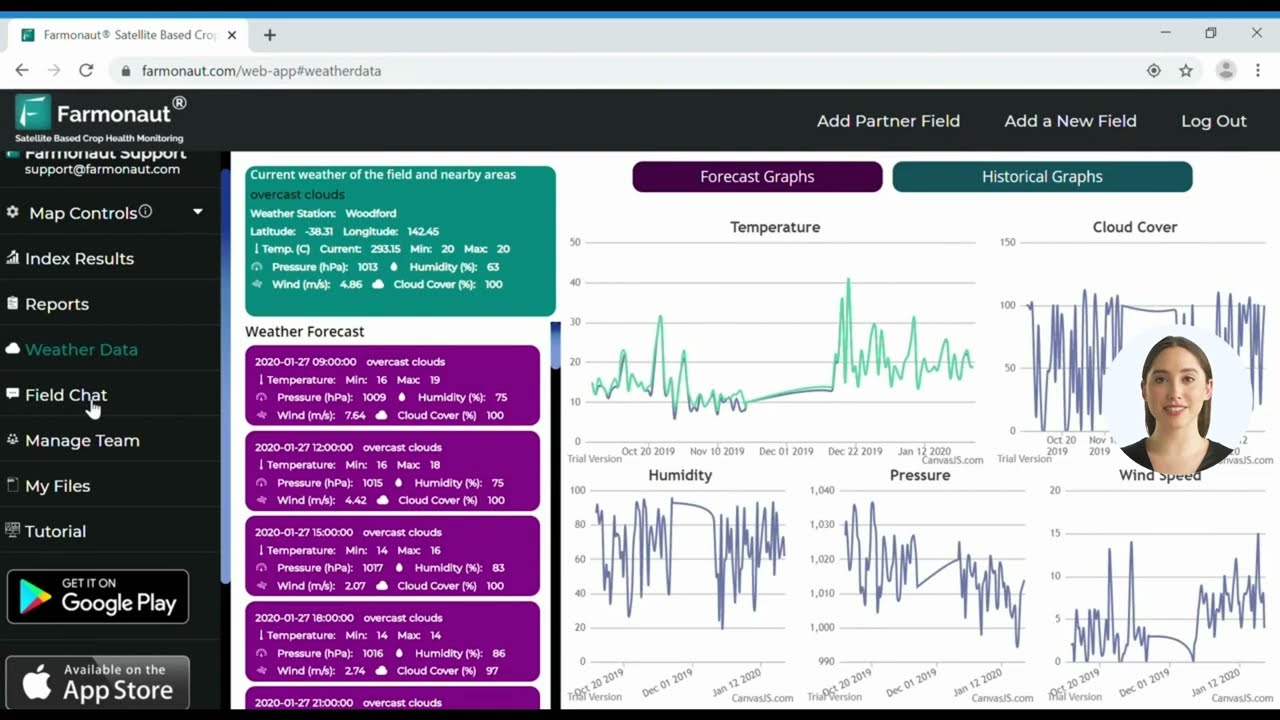
- Use satellite imagery, artificial intelligence, and digital monitoring tools to track forest change, predict deforestation risks, and measure soil/land health.
- Empower farmers, government, and conservationists with data—through accessible platforms such as our Farmonaut app and API—to inform tailored land management strategies that maximize productivity while ensuring conservation.
Try Farmonaut’s app for advanced satellite-driven insights on forest, crop, and resource management!

Satellite, AI, and Blockchain: Technology Innovations Tackling Deforestation in Zimbabwe
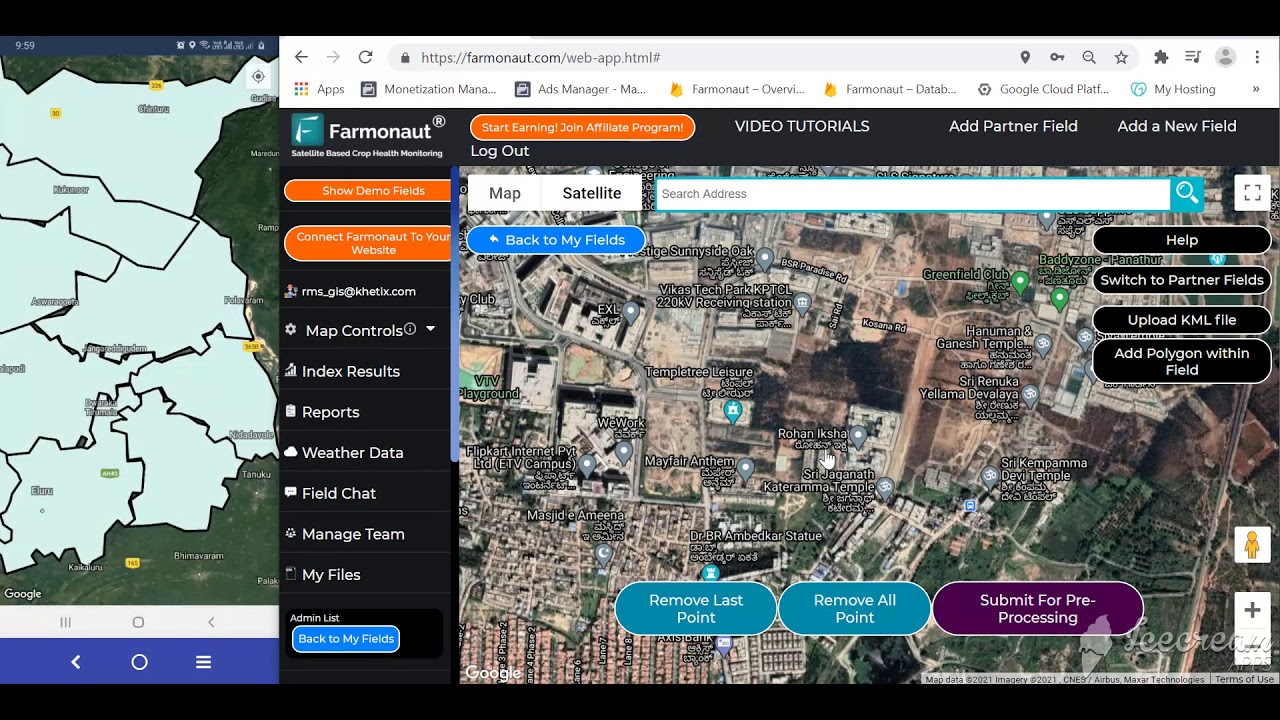
Technology is transforming our capacity for forest and soil monitoring. At Farmonaut, we empower our clients—farmers, government officials, mining companies, and lenders—with real-time satellite and AI-based insights to detect, track, and analyze land degradation, forest cover loss, vegetation health, and even carbon emissions.
- Satellite Crop and Forest Monitoring: Multispectral images, such as Normalized Difference Vegetation Index (NDVI), enable continuous tracking of vegetation health and illegal land clearing.
- Jeevn AI: Provides customized, actionable guidance to users for managing soil fertility, controlling deforestation risks, and adapting to climate variability.
-
Blockchain-based Traceability: Ensures supply chain integrity and transparent documentation of legally-produced forest and agricultural products.
Explore Farmonaut’s Product Traceability -
Resource/Fleet Management: Track and optimize vehicle and equipment use for sustainable agriculture and mining.
Read about Farmonaut’s fleet management platform
All Farmonaut solutions are accessible via Android, iOS, web browsers, and robust APIs for developers, supporting successful monitoring, intervention, and reporting for conservation projects in Zimbabwe.
“Soil erosion affects over 50% of Zimbabwe’s land, threatening agriculture and livelihoods unless sustainable practices are adopted.”
FAQ: Causes of Deforestation in Zimbabwe & Sustainable Land Solutions
What are the main causes of deforestation in Zimbabwe in 2025?
Agricultural expansion (especially by smallholder farmers), fuelwood and charcoal production, mining activities, unsustainable logging, livestock overgrazing, and weak policy enforcement are the major drivers. Population growth and poverty exacerbate these pressures.
How does deforestation contribute to soil erosion in Zimbabwe?
Forests protect soil from wind and rain. Clearing forests leaves soil exposed, making it prone to rapid erosion by water or wind. This reduces soil fertility, harms crops, and leads to sediment buildup in rivers and reservoirs.
How can technology help combat deforestation and soil erosion?
Satellites and AI, such as those provided by Farmonaut, deliver real-time vegetation, soil, and forest health insights to decision-makers. This supports early detection, targeted intervention, and efficient resource allocation for sustainable agricultural and forestry practices.
What are the best strategies for preventing deforestation in Zimbabwe?
Promote agroforestry, user rights for forest management, cleaner energy, strict law enforcement, industry regulation, reforestation, and use of technology for monitoring. Empower communities, reform policy, and invest in sustainable alternatives to reduce dependence on forests.
Conclusion: Toward Sustainable Forest and Land Management in Zimbabwe
The causes of deforestation in Zimbabwe in 2025 are interconnected—spanning agriculture, mining, logging, charcoal production, overgrazing, poverty, population, and institutional gaps. The resulting soil erosion and environmental degradation threaten not just forests but national food security, water resources, biodiversity, and economic wellbeing.
To reverse these trends, we must integrate sustainable land management, law enforcement, reforestation, technological innovation, and community empowerment. At Farmonaut, we support these goals by enabling affordable access to real-time data, digital advisory intelligence, and transparent traceability—delivered through intuitive APIs and cross-platform apps.
Though the challenges remain severe, a future where Zimbabwe’s landscapes are resilient, productive, and carbon-smart is possible—if we act decisively, informed by data and sustained by the twin goals of development and conservation.
Subscriptions: Get Started with Farmonaut Today
Enhance your forest, soil, and crop monitoring capability with Farmonaut. Flexible subscription plans available for individuals, agribusinesses, miners, infrastructure managers, and governments.
Discussion
Questions, corrections or field experience? Share them below. First-time comments are reviewed before they appear, and your email is never published.
No comments yet. Be the first to add a question or your experience.

 Innomick
 Juligerm
 AdBio
AdBio MISE Maroc
 Drift-Sense
 NWNS
NWNS Red August Group
 Farm Inc
 WeMe Global
 Agrotoken
 Blue BearX
 Insignito
 Croptimum
 DnCubed
 Field Capacity
 Indosistim Teknologi
 Liquify Digital
 Licence holder · Niger · Gold
 Licence holder · Nigeria · Gold + lithium










