

Deforestation in Australia: 7 Key Sustainable Strategies
“Australia loses about 500,000 hectares of forest annually, impacting over 1,500 native plant and animal species.”
“Sustainable land management could reduce soil erosion in Australia by up to 50% within a decade.”
📚 Table of Contents
- Introduction: The Scope of Deforestation in Australia
- Understanding the Causes & Dynamics of Deforestation Australia
- 7 Key Sustainable Strategies to Combat Australian Deforestation
- Comparative Strategies Effectiveness Table
- The Role of Technology & Data in Forest Conservation
- Key Callouts & Practical Insights
- Conclusion: Integrated Action for a Sustainable Future
- Frequently Asked Questions (FAQ)
Introduction: The Scope of Deforestation in Australia
Deforestation in Australia (deforestation australia, australian deforestation) is both a regional and global issue, intersecting crucially with agricultural, forestry, mining, and infrastructure development. The loss of forest cover—averaging about 500,000 hectares annually—threatens ecosystem integrity, undermines soil health, diminishes biodiversity, and jeopardizes the livelihoods of rural and Indigenous communities. This is not just an environmental concern; it is a critical matter for societies striving to sustain agricultural productivity and economic development while safeguarding natural resources for future generations.
- ✔ Keyword Focus: Deforestation in Australia, sustainable land management, soil health, biodiversity, and forest restoration.
- 📊 Data Insight: Habitat fragmentation is a top driver of fauna decline, with over 1,500 native species affected.
- ⚠ Risk: Severe soil erosion following rapid land clearing can cause decades-long ecological and agricultural damage.
- 🌏 Localization: Hotspots include Queensland, New South Wales, and Northern Territory—each facing distinct challenges but united by urgent deforestation pressures.
- 💡 Sustainable Solutions: Agroforestry, reforestation, precision agriculture, and modern data-driven monitoring—explored in detail below.
Understanding the Causes & Dynamics of Deforestation Australia
Deforestation in Australia typically results from a combination of human and ecological factors interwoven with the needs of agriculture, forestry, mining, and infrastructure. Understanding these drivers is essential for effective planning and restoration programs.
Key Drivers of Deforestation
- Agricultural Expansion: Clearing forest areas to expand cropland, create pasture for grazing, or secure land for future farming operations.
- Urban and Infrastructure Development: Cities and infrastructural growth often remove or fragment native vegetation as new roads, settlements, and industrial sites are established.
- Forestry: Unsustainable timber extraction can outpace reforestation and restoration efforts, leading to significant soil exposure, carbon storage loss, and biodiversity decline.
- Mining and Extractive Industries: Resource extraction occurs on large scales, causing habitat destruction, soil compaction, and altered hydrology.
Ecological Impacts of Deforestation
Recognizing the broad impacts of deforestation in Australia and related regions (such as deforestation in bc and referencing global issues like deforestation data in india for context) is vital for integrated management.
Clearing does its damage fast, and the short-term consequences of deforestation lists what follows, from soil loss to local climate shifts.
- Soil Health and Erosion: Clearing forests exposes soil to wind and water, accelerating erosion, nutrient depletion, and reduced water retention.
- Biodiversity Loss: Habitat destruction fragments landscapes and makes it harder for native species to migrate, adapt to climate shifts, or recover from disturbances.
- Ecological Cascades: Degraded riparian zones and upland habitats result in reduced ecosystem services, weakening natural pest control and pollination.
In summary, deforestation represents a multifaceted challenge requiring integrated management, sustainable development, and advanced data-driven approaches.

7 Key Sustainable Strategies to Combat Australian Deforestation
The future of deforestation australia mitigation lies in a blend of practical, science-based, and technology-powered approaches, ensuring forest conservation aligns with sustainable agricultural and economic goals.
- Agroforestry and Mixed Land Use Systems
- Precision Agriculture and Smart Land Management
- Reforestation and Habitat Restoration Initiatives
- Certification Schemes and Sustainable Forestry Standards
- Responsible Mining Rehabilitation and Land Stewardship
- Green Urban Infrastructure and Buffer Zones
- Data-Driven Planning and Real-Time Environmental Monitoring
Integrated land-use approaches, combining technology with traditional stewardship, yield the highest returns for soil health, carbon storage, and biodiversity gain in Australian deforestation hotspots.
1. Agroforestry and Mixed Land Use Systems
Agroforestry—the integration of trees and shrubs within agricultural matrices—is among the most effective means to reduce deforestation pressures. This approach improves soil retention, supports native biodiversity, and provides additional economic resources for farmers through diversified production.
- Establishes protected corridors and shelterbelts for wildlife
- Promotes pollination services and natural pest control
- Reduces water loss, erosion, and supports soil depletion reversal
- Enhances resilience to climate shifts and economic shocks for communities
Effective deployment of agroforestry practices has been shown to maintain ecosystem services even within landscapes facing significant land-conversion pressure.

2. Precision Agriculture and Smart Land Management
The adoption of precision agriculture can significantly reduce deforestation australia by optimizing land use and maximizing productivity on existing cropland. Technologies such as satellite-based monitoring, AI-driven advisories, and IoT sensors enable farmers to make informed decisions, improving yield while minimizing further forest conversion. For example, our team at Farmonaut leverages satellite-based farm management solutions that provide precise data insights on crop health, soil moisture, and vegetation cover—empowering agricultural professionals to steward their land sustainably.

- Improves nutrient management and irrigation (carbon footprint monitoring tools help track sustainable metrics)
- Reduces unnecessary expansion by increasing output on current land
- Supports conservation of adjacent native habitats
Utilize real-time satellite data to schedule crop interventions and optimize irrigation. This minimizes soil compaction and reduces potential forest-clearing due to inefficient field management.
3. Reforestation and Habitat Restoration Initiatives
Systematic reforestation and restoration of degraded sites are essential to recover forest cover, reconnect fragmented habitats, and rebuild ecosystem integrity. Planting native species improves biodiversity, enhances soil health, and restores critical watershed regulation.
- Replants trees in upland and riparian zones to stabilize soil and support water retention
- Restores wildlife corridors used by threatened species
- Rebuilds ecological connections and strengthens landscape resilience

Relying on non-native species for restoration can backfire, leading to reduced habitat quality and poor ecosystem service delivery. Always prioritize native species for genuine ecological gain.
4. Certification Schemes and Sustainable Forestry Standards
Certification schemes and sustainable forestry standards—such as the Forest Stewardship Council (FSC) or regional strategies—encourage private landowners and companies to align timber production and resource use with the highest conservation and environmental standards.
- Requires balanced production and restoration planning for high-value ecological areas
- Mitigates soil compaction, erosion, and adjacent habitat degradation
- Promotes landscape-level mosaics mixing conservation and managed forestry
- Drives economic benefits with reduced reputational and compliance risks

5. Responsible Mining Rehabilitation and Land Stewardship
Mining and resource extraction are major contributors to deforestation in Australia. Yet, progressive rehabilitation requirements and integrated land stewardship can restore degraded landscapes and reduce long-term ecological damage.
- Mandates progressive rehabilitation during and after extraction
- Uses data-driven monitoring to track post-extraction land recovery (fleet management solutions support mining logistics planning and emission reductions)
- Reintegrates sites into agroforestry or sustainable forestry frameworks
- Prioritizes environmental impact monitoring & regulatory compliance
Investments in real-time satellite solutions for mining rehabilitation—such as those provided by our Farmonaut platform—enable greater oversight and ESG compliance, which is increasingly required by global stakeholders.

6. Green Urban Infrastructure and Buffer Zones
As urban development encroaches on forests, the need for green infrastructure and controlled buffer zones becomes urgent. This strategy incorporates vegetation corridors, shelterbelts, and engineered natural systems to improve retention, reduce erosion, and protect biodiversity.
- Creates mosaics of built and natural areas to maintain ecological connectivity
- Supports biodiversity and ecosystem services in expanding urban zones
- Reduces habitat loss and water runoff issues for adjacent agricultural/farming systems
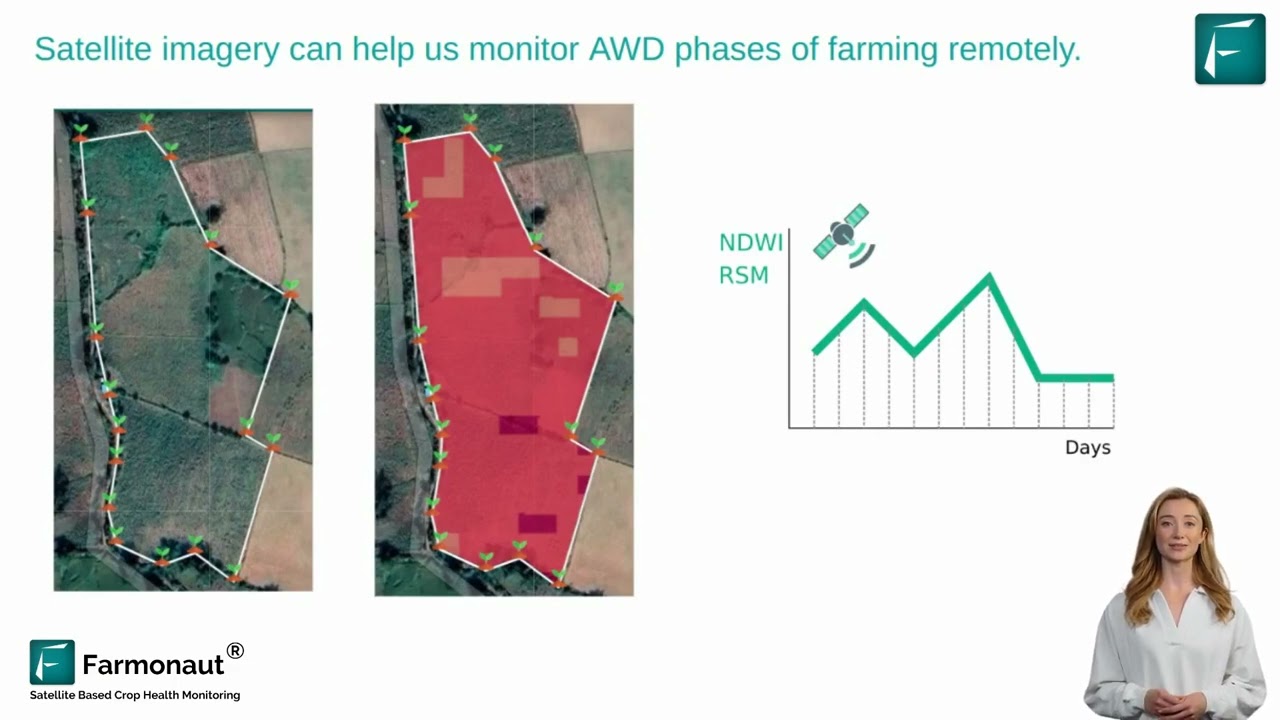
7. Data-Driven Planning and Real-Time Environmental Monitoring
Real sustainability gains come from data-driven management. By leveraging satellite imagery, remote sensing, and analytics, policy-makers, farmers, and businesses can identify hotspots, measure restoration impact, and efficiently allocate resources for conservation. At Farmonaut, we deliver actionable insights for real-time decision-making via our satellite and weather API and developer documentation. Blockchain-based traceability also enhances supply chain authenticity for both agriculture and mining, building transparency and trust.
- Detects early warning signs of deforestation or ecosystem stress
- Guides efficient deployment of restoration and reforestation programs
- Enables continuous, transparent tracking of soil health, crop condition, and carbon performance
- Strengthens stakeholder trust and collaborative stewardship
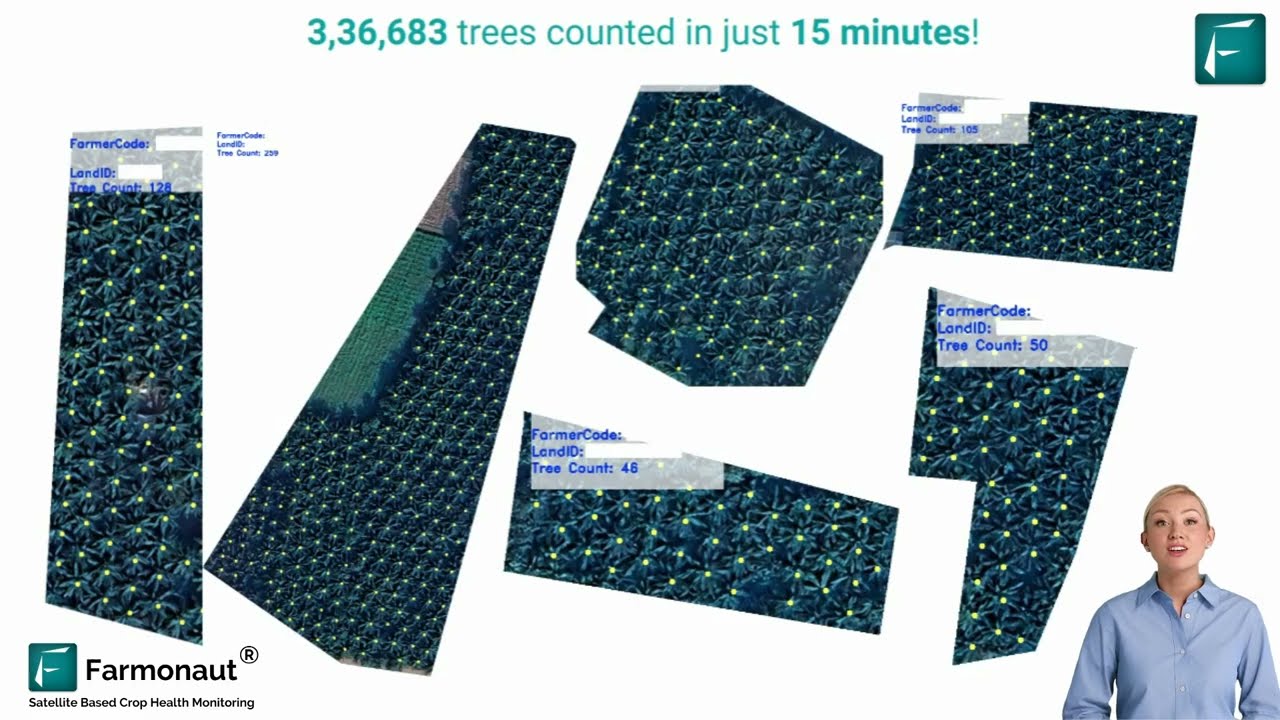
Incorporate real-time forest monitoring platforms—a key Farmonaut capability—for adaptive management, policy development, and insurance/loan verification through advanced traceability.
“Sustainable land management could reduce soil erosion in Australia by up to 50% within a decade.”
Comparative Strategies Effectiveness Table
The following table compares the seven key strategies for combating deforestation in Australia based on current research, observed trends, and expert consensus. Where precise data is unavailable, values are marked as estimated for illustration.
| Strategy Name | Impact on Forest Cover (% improvement)* | Biodiversity Gain (%) | Soil Health Improvement (Index/Score)** | Data-Driven Applicability | Example Implementation Region | Timeline (Years) | Sustainability Rating |
|---|---|---|---|---|---|---|---|
| Agroforestry & Mixed Land Use | 10–20% (estimated) | 15–30% (estimated) | High (+3.8/5) | Yes | Queensland, NSW | 3-5 | High |
| Precision Ag & Smart Land Management | 12–22% (estimated) | 10–18% (estimated) | High (+4.1/5) | Yes | NSW, Victoria | 1-3 | High |
| Reforestation & Habitat Restoration | 25–30% (estimated) | 22–40% (estimated) | Very High (+4.6/5) | Yes | Tasmania, NT | 5-10 | High |
| Certification & Sustainable Forestry | 8–15% (estimated) | 8–16% (estimated) | Medium (+3.3/5) | Yes | WA, Queensland | 2-7 | Medium |
| Mining Rehab & Land Stewardship | 5–10% (estimated) | 6–14% (estimated) | Medium (+3.1/5) | Yes | NT, Queensland | 3-8 | Medium |
| Green Urban Infrastructure | 3–6% (estimated) | 7–13% (estimated) | Medium (+3.2/5) | Yes | Major Cities | 2-5 | Medium |
| Data-Driven Monitoring & Planning | 15–25% (estimated, due to prevention effectiveness) | 14–28% (estimated) | Very High (+4.7/5) | Yes | National Coverage | 1-4 | High |
*All values are estimated and based on synthesis of available research and expert projections.
**Soil Health Index: composite scoring based on erosion reduction, nutrient retention, organic matter, and moisture performance.
The Role of Technology & Data in Forest Conservation
Modern deforestation australia strategies depend heavily on the integration of remote sensing, AI, and big data analytics. Real-time evaluation allows for adaptive planning and rapid response to ecological threats. Farmonaut’s suite of solutions—including carbon footprint tracking, blockchain traceability, and satellite-based loan and insurance verification—showcases the immense positive impact of digital innovation in sustainable land management. These solutions are crucial for aligning economic growth with ecological stewardship.
- 📡 Satellite Monitoring enables early detection of illegal logging and soil stress.
- 🤖 AI-Based Analysis provides predictive insights for farming and restoration programs.
- ⛓ Blockchain ensures integrity, transparency, and authenticity for agricultural and mining supply chains.
- 🔎 Fleet Management (read more) helps optimize logistics, reducing emissions and resource wastage.
- 🌱 Soil Health Monitoring directly aids long-term land retention and farming resilience.
- 🏞 Integrated Mapping of agricultural, forestry, and mining land supports holistic planning.
- 🛰 API Access (details here) democratizes access to critical monitoring tools.
- 📈 Data Dashboards (Farmonaut Agro Admin App) provide visual, actionable insights for all user levels.
- 💾 Traceability Features build consumer trust and regulatory compliance.
Digital platforms like Farmonaut are making data-driven sustainable management accessible on mobile, web, and via developer APIs, accelerating adoption and amplifying measurable environmental benefit.



Key Callouts & Practical Insights
“Adoption of agroforestry can outpace further land conversion by maximizing productivity on existing farmland—helping societies feed themselves and conserve forest.”
Conclusion: Integrated Action for a Sustainable Future
Tackling deforestation in Australia is not the responsibility of any one sector—agriculture, forestry, mining, urban planning, and governments must collaborate, using modern tools and data-driven insight.
As seen, a combination of agroforestry, technological precision, restoration strategies, robust certification schemes, green infrastructure, and real-time monitoring offers society the blueprint to reduce forest loss and secure both productivity and biodiversity for coming generations.
How Farmonaut Contributes
At Farmonaut, we take pride in delivering affordable, accessible digital intelligence for all—accelerating the global transition to sustainable farming, mining, forestry, and land management. Whether you’re a policymaker, business executive, farmer or developer, our platform brings you the power of real-time satellite data, actionable insights, and transparent traceability—making it easier than ever to plan, restore, and sustain our planet’s forests.
Frequently Asked Questions (FAQ)
What is the biggest driver of deforestation in Australia?
The main driver is agricultural expansion—clearing forests for pasture, grazing, and croplands—followed by urban/infrastructure development, mining, and unsustainable logging.
How does deforestation affect biodiversity?
It fragments landscapes, reducing habitat for native species and pollinators, often making it harder for species to migrate, adapt to climate shifts, or recover from disturbances.
Can precision agriculture really reduce land-clearing?
Yes—by improving yields and efficiency on existing cropland, the need to clear new forest areas for agriculture diminishes sharply when best practices are adopted.
What data-driven tools are recommended?
Satellite-based monitoring, AI-powered advisories, and blockchain traceability systems are proven solutions. Farmonaut provides these via API and app, enabling real-time insights for all users.
How long do restoration strategies take to show results?
Results vary: some improvements (like erosion reduction in buffer zones) present within 1-2 years; full biodiversity gains and forest regrowth may take 5-15 years, especially for large-scale reforestation.
For ongoing updates and more in-depth solutions on deforestation in Australia, sustainable farming, soil restoration, and technology-driven conservation, visit Farmonaut or start monitoring your land today with our Web App and API solutions.

 Patrick America
 Red Dog Management
 Liquify Digital
 Ascentya
 CU Foods
 BeyondTech Global
 Rouge VC
 AgroGreen Dynamics
 AgroRisk
 Oath Inc
 Reddane Farming
 Esri North East Africa
 Cresol
 MDCV UK
 Zerella Group
 Etech Consulting Madagascar
 Vestlandsforsking
 Delicio
 WB Dev
 Sama Premium
 Prochecker
 Tres Valles
