

Digital Agriculture Africa: Precision & Farmland Projects Transforming the Continent
“Over 60% of African precision agriculture projects use satellite data to monitor and optimize crop health and yields.”
Introduction: Digital Agriculture Africa
Digital agriculture projects, precision agriculture projects, and farmland projects are at the center of a technological revolution transforming farmland management across the globe. In recent years, Africa has emerged as a dynamic frontier for these cutting-edge initiatives, with advancements creating new opportunities for farmers, businesses, and governments. By leveraging data, automation, and digital platforms, these efforts aim to optimize yields, conserve resources, and increase the resilience of agricultural and rural landscapes.
At the heart of this transformation lie powerful, interconnected technologies such as sensors, automation, satellite and drone imagery, mobile apps, and AI-based advisory systems. These tools enable farmers and managers to monitor, manage, and improve every aspect of crop production, resource usage, and land health. Digital agriculture Africa is rapidly closing the gap with traditional farming, replacing guesswork with science-driven, actionable decision-making.
“Digital agriculture initiatives have increased farmland productivity by up to 30% in pilot projects across Africa.”
The Evolution of Farmland Management
Traditional farming methods relied heavily on local knowledge, uniform field treatments, and seasonal labor. However, the rising pressure of population growth, shrinking resources, and climatic variation have exposed the limitations of these approaches. Efficient resource management, input optimization, and resilience to pests and climate fluctuations are now critical goals for African farmland projects. The core objective is to shift from intuition-based to scientifically managed systems, where data becomes as vital as the soil itself.
Digital and precision agriculture embody a new paradigm, where farmers use granular data to guide irrigation, nutrient application, pest controls, and harvesting. This results in not just increased yields and profitability, but also a lower environmental footprint and enhanced sustainability—vital for Africa’s diverse and sometimes fragile ecosystems.
Embracing digital and precision agriculture can increase profitability while promoting soil and water conservation, especially in dynamic climate regions like Africa.
Precision Agriculture Projects: Technologies and Tools
The foundation of precision agriculture projects lies in a network of technologies that deliver real-time, field-specific insights. Let’s break down some of the main technologies powering the ongoing digital revolution in farmland management:
- Soil and Environment Sensors: Track moisture, nutrient status, pH, and temperature at granular levels.
- Weather Stations: Localized weather data feeds models for irrigation scheduling and pest management.
- IoT Devices: Connect, automate, and optimize equipment from pumps to smart tractors.
- Satellite and Drone Imagery: Offer powerful tools for crop health monitoring, field mapping, and pest detection at scale.
- Data Analytics Platforms: Bring together all information for actionable, science-backed decision making.
- Mobile Apps: Put field-level intelligence in the hands of farmers directly.
African digital agriculture projects increasingly integrate these technologies, giving rise to more precise, responsive, and sustainable farmland projects across rural and peri-urban landscapes.

Combining satellite monitoring with IoT sensors and mobile apps has made precision agriculture accessible even to smallholder farmers across Africa.
The Core of Digital Decision Making
Behind each successful digital agriculture project is a sophisticated ecosystem for collecting, analyzing, and acting upon real-time data. Here’s how the process unfolds across modern farming systems:
- Farms instrumented with sensors, stations, and drones produce streams of data on soil moisture, crop health, weather patterns, and pest pressures.
- Cloud dashboards and mobile apps aggregate this information, using AI to translate raw sensor and image data into actionable guidance.
- Farmers receive recommendations on when to irrigate, apply fertilizer, or deploy controls, maximizing resource use and crop quality.
- Automation and scheduling tools then enable precise, timed operations—often with semi-autonomous or autonomous equipment.
This approach turns field observations into precise actions, drastically reducing waste and environmental impact while increasing yield stability and profitability.
- ✔ Improved decision making – Using actionable data from sensors and imagery gives farmers more control over outcomes.
- 📊 Data insight: Real-time monitoring highlights nutrient deficiencies or pest outbreaks before they damage the crop.
- ⚠ Risk or limitation: Initial costs for equipment and training can be a hurdle, but long-term ROI is significant.
- 🚜 Automation boost: Smart machinery and robotic sprayers enable timely, targeted operations across large fields.
- 🌧 Weather smart: Integration with local weather stations enables adaptive scheduling and risk mitigation in the face of climatic variation.

Neglecting data training for farm teams. Technologies are only as effective as the people interpreting their outputs. Invest in ongoing training and support!
Key Benefits of Digital and Precision Agriculture
Why are so many farmland projects and digital agriculture projects drawing inspiration from Africa’s pioneering efforts? Because the measurable impact is remarkable:
- Yield Optimization: Data-driven management increases crop yields by up to 30% in African pilot projects.
- Reduced Input Costs: Variable rate applications mean fertilizers, water, and other inputs are used only where needed.
- Enhanced Resource Efficiency: Smart irrigation and scheduling conserve vital water resources, especially in dry climates.
- Improved Sustainability: Less waste and runoff result in a lower environmental footprint and healthier soils.
- Climate Resilience: Responsive systems buffer fields against climatic variation and extreme weather.
Additionally, improved traceability, digital record-keeping, and compliance features help boost farmer credibility, secure access to credit, and foster investment in rural communities.

Projects that integrate blockchain traceability, AI-based advisory, and satellite data are positioned as future-proof investments in Africa’s fast-evolving agriculture market.
Precision Water Management and Irrigation
Water is a critical constraint for many African regions. That makes digital irrigation solutions and precision water management especially valuable in the context of precision agriculture and broader digital farmland projects. Systems now harness soil moisture sensors, local weather forecasts, and evapotranspiration models to schedule irrigation events only when and where they are needed.
- 💧 Drip and Subsurface Irrigation: Delivers water directly to the root zone, achieving higher efficiency with less loss.
- 🔄 Automated Scheduling: Integrates weather stations with farm management platforms for real-time, adaptive irrigation planning.
- 🌱 Biological Health: Moisture-aware management supports soil health and agroforestry goals for carbon sequestration.
For detailed insight into digital irrigation projects in Africa, check videos like Malawi Irrigation Tech 2025 (see below).
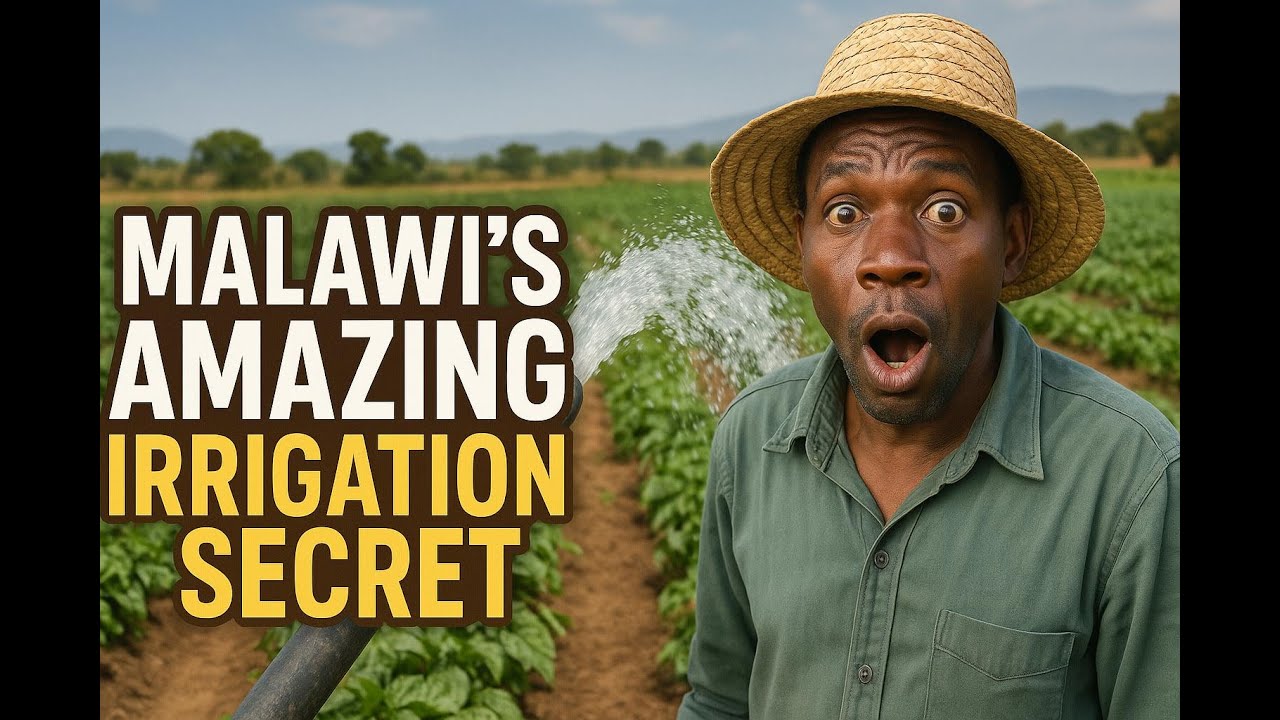
Combining soil moisture sensors with satellite monitoring enables water use reduction by up to 45% compared to traditional methods.
Variable Rate Applications and Zone-Based Farming
Uniform input application is now a practice of the past. Digital agriculture projects empower growers to tailor fertilizers, lime, and water to specific field zones based on soil variability and crop needs. The result is:
- Lower input costs and reduced nutrient runoff
- Greater nutrient efficiency (each plant receives what it needs, when it needs it)
- Targeted pest and weed management using smart, sometimes robotic, sprayers that only treat affected areas
- Consistent, high-quality outputs by responding to in-field variation
Projects can deploy autonomous or semi-autonomous equipment (including robotic harvesters and smart sprayers) for operations that would be too labor-intensive or imprecise by hand.
- 🌎 Sustainability: Lower environmental footprint through reduced nutrient runoff and efficient input use.
- 📉 Cost Savings: Inputs and labor applied only where necessary, dramatically trimming costs.
- 🔬 Data Precision: Laboratory-level accuracy now possible at field scale using zone-based sensors and imagery.
- Integrate sensors and satellite imagery for real-time field data
- Adopt variable rate technology for targeted input applications
- Automate irrigation and harvesting where possible
- Train field staff on digital platforms and data interpretation
- Monitor outcomes using cloud dashboards and mobile apps
Farm Management Platforms: From Planning to Traceability
Modern farm management platforms are the digital backbone of successful projects. They enable seamless integration of:
- Field Histories & Input Records: Track all input purchases, applications, and crop cycles for smarter budgeting.
- Scheduling & Task Management: Plan labor, harvests, and maintenance based on field-specific conditions.
- Traceability Modules: Use blockchain-based systems for transparent, tamper-proof supply chain tracking. See Farmonaut’s product traceability solution for details on how blockchain can secure agricultural supply chains.
- Compliance & Certification: Ensure adherence to standards, facilitating access to finance and insurance (learn how satellite-based verification simplifies crop insurance: here).
- Real-Time Monitoring: Maintain oversight via web, mobile, and custom API integrations (useful for multi-farm or cross-regional projects).
These platforms bring scalability, cost reduction, and transparency, helping both smallholders and commercial growers.

Farmer Support, Services, and Digital Access in Africa
A cornerstone of digital agriculture Africa is the drive for widespread inclusion and support. Mobile-enabled services are democratizing access to advisory, input, and financial services for even the most remote smallholder farmers.
- Agronomic Advisory: AI and mobile tools deliver crop health, pest, and weather advice in local languages.
- Satellite & Drone Imagery: Open access to field analytics once reserved for large agribusinesses.
- Cooperative Models: Aggregating growers for joint access to digital platforms, seeds, and training programs.
- Public-Private Sector Investment: Scaling infrastructure and technological reach to rural communities.
This inclusive model brings productivity gains, digital literacy, and stability—empowering Africa’s next generation of digital farmers.



Partnerships, Infrastructure, and Sustainability
While digital and precision agriculture thrive on advanced technology, their impact is often greatest when supported by strong infrastructure, cross-sector partnerships, and sustainability goals.
- Shared infrastructure: Rural road and logistics upgrades developed for other industries (mining, mineral extraction) can lower costs for farmland projects.
- Agroforestry & Forestry Monitoring: Digital platforms assess canopy health, carbon sequestration, biodiversity, and timber yields. For those interested in carbon farming and environmental compliance, explore Farmonaut’s segment on carbon footprinting.
- Compliance Tools: Blockchain traceability enhances both transparency and sustainability, supporting global certification and local economic goals.
- Resource Optimization: Integrated platforms enable fleet and asset tracking, key for large-scale agriculture and mining operations (see fleet management by Farmonaut).
These synergies link productive use with ecological stewardship—a balance critical for Africa’s emerging agricultural frontiers.

Challenges and Opportunities in African Regions
No major transformation is without hurdles. In Africa, digital agriculture projects frequently encounter:
- Connectivity Gaps: Rural areas may lack robust internet, impeding real-time data transfer.
- Data Ownership: Ensuring that farmers retain control over their field data is essential.
- Technology Adaptation: Tools need localization—supporting multiple languages and respecting traditional farming wisdom.
- Training and Literacy: Ongoing capacity building is required so farmers can interpret data, manage devices, and confidently adopt digital decision-making routines.
Solutions emphasize offline data capture, later synchronization, and user-centered design—ensuring no grower is left behind. As more projects scale, innovative financing options (including satellite-verified credit scoring and insurance) broaden participation and sustainability.
Innovative digital and precision agriculture models built for low-bandwidth and offline use can unlock next-level productivity for millions of rural African farmers.
Comparison Table of Key Digital Agriculture Projects in Africa
To showcase the dynamic innovation and measurable impact of precision agriculture projects in Africa, here’s a comparative snapshot highlighting major initiatives. This table demonstrates the range of digital technologies deployed, sustainability gains, and scale.
| Project Name | Country | Digital Technologies Used | Estimated Yield Improvement (%) | Sustainability Features | Project Scale |
|---|---|---|---|---|---|
| Precision Maize Project | Kenya | Satellite imagery, IoT soil sensors, mobile apps, AI advisory | 25–30% | Water savings, improved soil health, reduced fertilizer runoff | 10,000+ hectares, 8,000+ farmers |
| Digital Rice Initiative | Nigeria | Satellite crop monitoring, weather stations, traceability blockchain | 22% | Low water use, blockchain product traceability, soil nutrient tracking | 5,200+ hectares, 6,000+ farmers |
| Agroforestry Carbon Farming Program | Ghana | Drone imagery, satellite NDVI, carbon footprinting, fleet management | 18–25% | Carbon sequestration, biodiversity enhancement, digital resource optimization | 2,500+ hectares, 1,500+ farmers |
| Smart Irrigation Wheat Scheme | Morocco | Soil moisture sensing, smart pumps, weather-driven irrigation models | 28% | Reduced water usage by 45%, stable crop output, climate adaptation | 4,300+ hectares, 2,200+ farmers |
| Cassava Digital Advisory Project | Uganda | Mobile advisory apps, satellite field monitoring, AI pest detection | 20% | Lower pesticide use, improved yield quality, digital skills training | 3,000+ hectares, 3,800+ farmers |
Note: These examples reflect the broad spectrum of digital agriculture projects and underscore the immense potential for continued scale and innovation across Africa.
Farmonaut: Pioneering Digital Agriculture Innovation
As a satellite technology company at the cutting edge of digital and precision agriculture, we at Farmonaut offer an accessible ecosystem of solutions that transform agriculture, mining, infrastructure, and related fields:
- Satellite-Based Monitoring: We use advanced, multispectral satellite imagery to provide actionable insights on crop health (NDVI), soil conditions, and vegetation status, helping farms and businesses maximize every hectare.
- AI-Driven Jeevn Advisory System: Our system analyzes satellite and on-ground data to deliver real-time insights and weather forecasts directly to mobile phones and web dashboards, enhancing farm productivity and resource management.
- Blockchain Traceability: By integrating blockchain, we enable transparent and secure tracking of agricultural products and resources throughout the supply chain—integral for reducing fraud and meeting global certification standards.
- Fleet and Resource Management: For large-scale projects and commercial farming, we provide tools that track vehicles and equipment across widespread areas, reducing operational costs and streamlining logistics. For details, visit our fleet management solution page.
- Carbon Footprint Monitoring: We offer real-time tracking of carbon emissions for farms, helping projects align with climate-smart goals and sustainability mandates. Learn more on our carbon footprinting product page.
Our platform is designed for farmers, agribusinesses, and governments—ranging from individual growers to enterprises with operations across multiple continents.
We democratize satellite technology by offering cost-effective, scalable solutions accessible via web, Android, and iOS apps as well as dedicated API integration for advanced users and developers. This flexible approach allows users to choose exactly the monitoring and management capabilities that fit their needs.
For developers and data-driven organizations, check out our API and in-depth API developer documentation to seamlessly integrate satellite and weather insights into your own digital agriculture projects.
Large-scale managers seeking comprehensive oversight for contract farming, plantations, or agroforestry can explore our large scale farm management solution here.
With advanced monitoring, AI analytics, traceability, and environmental compliance tools, we empower every user to optimize yields, conserve resources, and build sustainable, resilient landscapes.
Get started with Farmonaut via web, Android, or iOS, or build your own digital agriculture platform using our API for satellite-based insights.
Farmonaut Subscription Plans
Our tiered subscription plans ensure affordability and scalability for everyone—from smallholder farmers to large commercial enterprises and government institutions.
Frequently Asked Questions (FAQs)
-
What is digital agriculture Africa, and how does it differ from precision agriculture?
Digital agriculture Africa refers to the application of digital tools—sensors, apps, satellite imagery, cloud platforms—across the African continent to improve farming productivity and sustainability. Precision agriculture is a subset that specifically tailors inputs and management to field variability for yield optimization. Together, they transform farmland projects into data-driven systems. -
How do satellite and drone technologies help with farmland projects in Africa?
Satellites and drones provide regular, high-resolution imagery that tracks crop growth, detects pest/disease outbreaks, monitors soil and water status, and supports precision input application—enabling timely and targeted farming decisions at scale. -
Can smallholders benefit from digital and precision agriculture?
Absolutely. Many digital agriculture projects are designed for smallholder inclusion via affordable mobile apps, advisory services in local languages, and scalable, cooperative business models. -
What sustainability outcomes are associated with precision agriculture projects?
Reduced water and fertilizer use, improved soil health, increased biodiversity (especially with agroforestry models), minimized environmental impact, and greater climate resilience. -
How can developers or agribusinesses integrate satellite data into their digital platforms?
By using solutions like Farmonaut’s API, as well as developer documentation for easy integration of weather, soil, and crop insights into existing management systems. -
Does adopting digital agriculture require high initial investment?
While technology adoption requires upfront costs, ongoing gains in yields, input savings, and farm profitability typically provide a strong return on investment—especially when supported by scalable, pay-as-you-go platforms. -
How is data security and farmer privacy managed?
Top-tier digital agriculture services ensure that farmers retain ownership of field-level data and use secure, blockchain-based systems to protect sensitive information. -
How do I get started with Farmonaut?
You can access Farmonaut via web apps or download our Android/iOS apps for real-time satellite-powered farm insights. Developers can also leverage our satellite/weather API for integration into custom projects.
Conclusion
Digital and precision agriculture projects are redefining the landscape of African farming, forestry, and land management. By harnessing data-driven decision making, automation, and scalable technology, they enable higher yields, more resilient farm systems, and smarter resource management. Digital agriculture Africa stands poised to unlock sustainable growth, empower rural communities, and address the twin goals of productivity and environmental stewardship.
With solutions like satellite monitoring, AI advisory, blockchain-based traceability, and precision resource tools, the future of farmland management is not only digital but also inclusive, adaptable, and sustainable across the dynamic frontiers of Africa and beyond.

 BayWa
BayWa Azure Clouds
 MCSOD
MCSOD Marei Nursery
 eKGIS
eKGIS Mostas Tech
 Native Seeds
 Andex
Andex FCF India
 Unifrutti Gulf
 Deluxe Conseil
 TVS Electronics
 WICO
WICO Chimera Innovation
 SkyHarvest
