

Table of Contents
- Introduction: Bridging Tradition and Innovation in Agriculture
- Trivia
- Traditional Egyptian Farming Techniques: Lessons from the Nile
- Diverse African Farming Techniques: Resilience & Sustainability
- 7 Top Egyptian & African Farming Techniques for 2026
- Comparison Table: Traditional vs Modern Impact
- Modern Innovations Integrating Tradition in 2026
- Challenges, Opportunities & the Role of Technology
- How Farmonaut Empowers Sustainable Agriculture
- FAQ: Common Questions About Egyptian & African Farming Techniques
- Conclusion
“Over 75% of Egyptian farmers still use traditional basin irrigation, efficiently managing water across 3 million hectares.”
Egyptian & African Farming Techniques: 7 Top Methods
Agriculture remains the backbone of many economies in the Middle East and Africa, where Egyptian farming techniques and African farming techniques have evolved over millennia. In 2026 and beyond, bridging traditional farming with modern innovations is crucial for achieving sustainable food production, improving livelihoods, and combating climate change. Understanding what are some farming techniques used in Egypt and Africa helps showcase the vital role of integrating ancient wisdom with cutting-edge technologies in today’s agriculture.
This post explores the evolution of agricultural techniques across these regions, their continued relevance, and how modern adaptation is fueling a more resilient, productive, and sustainable 2026 for farmers and communities worldwide.



Traditional Egyptian Farming Techniques: Lessons from the Nile
Egyptian farming techniques are deeply interwoven with the country’s geography, especially the Nile River. Ancient Egyptian agriculture revolved around the river’s annual flooding. This flooding deposited nutrient-rich silt onto farmlands, replenishing soil fertility naturally—a process crucial for food production across that ancient civilization.
The Essence of Basin Irrigation
One of the most iconic Egyptian farming techniques is basin irrigation:
- Farmers divided fields into basins or plots using low embankments.
- During annual flooding, water was directed into the basins, seasonally flooding fields to optimize nutrient distribution and irrigation.
- As floodwaters receded, the trapped moisture and deposited silt improved yields of wheat, barley, and flax—key staples of the region and period.
Even in 2026, these principles remain relevant. Basin and flood irrigation methods are increasingly revisited for their efficiency in water management, particularly in arid and water-scarce regions facing climate change.
Modern Adaptations of Ancient Egyptian Farming
Ancient field layouts are now combined with:
- Solar-powered pumps and valves for controlled flooding.
- IoT sensors to monitor soil moisture and automate irrigation cycles.
- Data analytics to optimize timing, reducing water waste while maintaining soil health.
This combination allows farmers in Egypt and similar regions to maintain high productivity without depleting resources. These methods also serve as a blueprint for sustainable agriculture across arid and semi-arid areas in the Middle East and Africa.
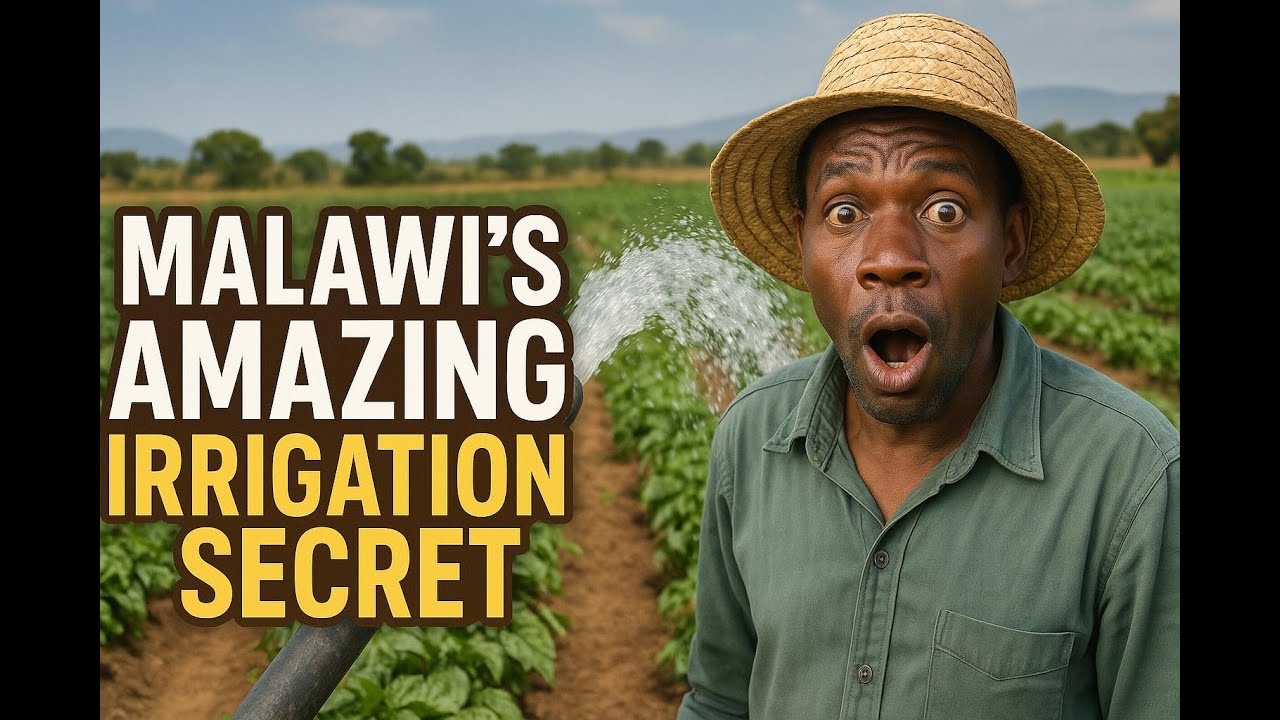
Diverse African Farming Techniques: Resilience & Sustainability
AcrossAfrica, communities have developed diverse farming techniques tailored to suit varying climates, soil types, and food staples. African farming techniques often focus on maximizing resource efficiency, managing water scarcity, improving soil structure, and ensuring ecological balance—themes as relevant today as in the past.
<What are some farming techniques typical to Africa?>
- Shifting Cultivation (Slash-and-Burn): Traditional method for maintaining soil fertility by rotating fields and allowing fallows; best suited for low population densities.
- Intercropping: Growing multiple crops together; diversifies production, reduces pests, improves soil health, and stabilizes yields.
- Agroforestry: Integrates trees, crops, and livestock, enhancing biodiversity, and carbon sequestration.
- Terracing: Constructed platforms on hillsides combat soil erosion and manage water distribution.
Resilience Built Through Centuries
These practices have sustained communities for centuries, providing ecological resilience against drought, pests, and variable weather. In fact, in regions like Ethiopia and Kenya, terraced landscapes still mark ancient agricultural ingenuity. Agroforestry has been renewed as a climate-smart technique, improving both carbon sequestration (capturing and storing atmospheric CO2) and food security.
“African push-pull farming boosts maize yields by up to 300%, sustainably controlling pests with natural plant integration.”
Adapting to Modern Challenges in 2026
With climate change increasing the unpredictability of rainfall and pest cycles, African farmers are increasingly combining traditional knowledge with modern technologies. This integration amplifies climate resilience and opens doors to more sustainable and productive agricultural systems.

7 Top Egyptian & African Farming Techniques for 2026
The following seven methods represent the most impactful egyptian farming techniques and african farming techniques that are bridging tradition and innovation in modern sustainable agriculture:
-
Basin Irrigation (Egypt)
- Dividing fields into basins flooded seasonally, capitalizing on annual Nile flooding.
- Ancient method optimizing water distribution and soil nutrition.
- Modern approaches include solar pumps and smart sensors for precision water management.
-
Agroforestry (Africa)
- Integrates trees, crops, and livestock, enhancing soil fertility and biodiversity.
- Promotes carbon sequestration and better pest control.
- Increasingly includes data-driven selection of tree species and AI-driven management.
-
Terracing (Africa, Nile Highlands)
- Hillside land is shaped into terraces, minimizing erosion and optimizing rainwater use.
- Now supported by drone mapping, contour design, and erosion sensors.
-
Intercropping (Pan-African)
- Planting different crops together to disrupt pest cycles, improve yields, and stabilize ecosystems.
- Modern methods use AI to design optimal planting combinations for yield and disease reduction.
-
Push-Pull Farming (East Africa)
- Combats pests by integrating repellent and attractant crops around staples like maize.
- Boosts yields up to 300% and maintains pest control naturally.
- Precision mapping and pest sensors now optimize layout and timing.
-
Shifting Cultivation (Central and West Africa)
- Rotating fields with periods of fallow to restore soil fertility.
- Now integrated with GIS and satellite monitoring to prevent deforestation and balance environmental impact.
-
Drip & Subsurface Irrigation (North & Sub-Saharan Africa)
- Modern adaptation of ancient irrigation—delivers water directly to plant roots, drastically increasing efficiency.
- Combined with remote soil-moisture sensing and solar-powered pumps; reduces water waste and boosts productivity in arid regions with water scarcity.
Comparison Table: Egyptian & African Farming Techniques
| Technique Name | Region of Origin | Traditional Methods Used | Modern Innovations Integrated | Estimated Environmental Benefit | Estimated Yield Increase |
|---|---|---|---|---|---|
| Basin Irrigation | Egypt | Seasonal flooding, silt enrichment | Solar pumps, soil-moisture sensors, IoT | Reduces waste; boosts soil health (Up to 45% decrease in water use) | 20–40% |
| Agroforestry | Africa | Integration of trees/crops/livestock | AI-driven tree selection; satellite biodiversity tracking | High—boosts carbon sequestration; mitigates erosion | 15–30% |
| Terracing | Africa & Nile Highlands | Manual terrace construction | Drone surveying; erosion monitoring sensors | Prevents runoff/erosion (>60% less) | 10–20% |
| Intercropping | Africa | Multiple crops in proximity | AI modelled crop layouts, disease tracking | Enhances biodiversity, soil health | 15–35% |
| Push-Pull Farming | East Africa | Natural pest deterrence with plants | Sensors, pest mapping, predictive analytics | Reduces pesticide use by up to 80% | Up to 300% |
| Shifting Cultivation | Central & West Africa | Land rotation, fallow periods | Remote satellite monitoring; GIS mapping | Protects long-term soil fertility | Varies (maintains long-term productivity) |
| Drip/Subsurface Irrigation | North & Sub-Saharan Africa | Localized irrigation | Soil sensors; solar power; app scheduling | Up to 60% water savings | 35–55% |
Modern Innovations Integrating Tradition in 2026
The transition from traditional to modern farming techniques is not about replacement but integration. Here’s how new technologies are amplifying sustainable farming practices in Egypt, Africa, and across similar regions:
Precision Agriculture & Smart Monitoring
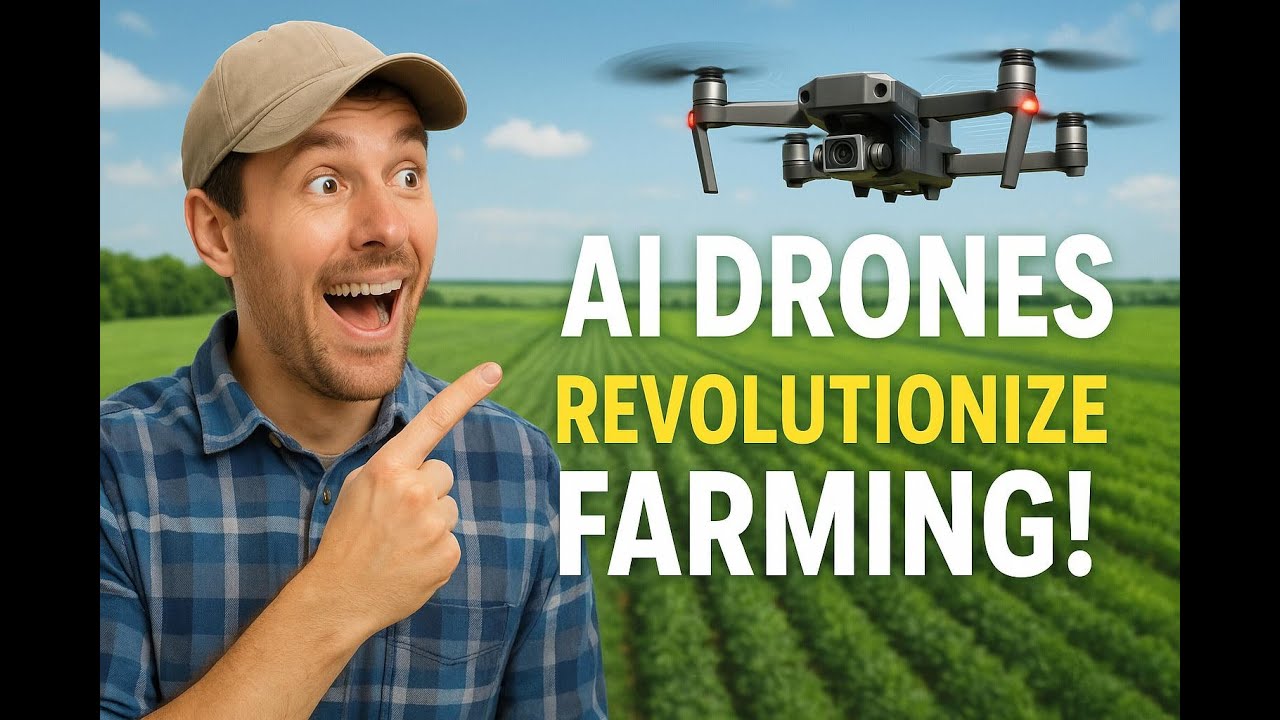
Precision farming leverages GPS, drones, satellite imaging, and IoT sensors to monitor real-time soil conditions, crop health, and water requirements. These electronic eyes in the sky provide actionable data for farmers, ensuring optimal input usage and timely response to emerging problems like pests, diseases, or water shortage.
With soil and moisture data instantly accessible, irrigation scheduling and crop nutrition requirements are adjusted for maximum efficiency, substantial water savings, and reduced environmental impact. Conservation agriculture also minimizes soil disturbance, promoting a thriving soil structure and biodiversity.
Tracking carbon emissions and environmental impact is now central to sustainable agriculture. Platforms like Farmonaut Carbon Footprinting empower users to monitor their farms’ and supply chains’ carbon footprints, enabling adoption of practices that reduce greenhouse gas emissions and improve resource management.
Water Management: Smarter, Greener, and More Precise
Managing water resources is crucial as climate change intensifies aridity across large swaths of Egypt and Africa. Drip and subsurface irrigation—far more efficient than traditional flood systems—deliver water directly to crops’ roots. Combining these technologies with soil moisture sensors ensures no drop is wasted.
Farmonaut Large-Scale Farm Management tools, built atop advanced satellite and AI technology, help agribusinesses and cooperatives remotely monitor and optimize irrigation, crop health, and farm logistics—improving both yield and environmental outcomes.
Crop Rotation, Cover Crops & Soil Health
Practices like crop rotation and planting cover crops are boosted with data analytics—choosing the right crop combinations for improved soil fertility, nutrient cycling, and pest management.
Technologies that continuously monitor soil health support farmers in maintaining the productivity of farmlands over years or decades, combatting the negative effects of monocultures or overgrazing.

Traceability & Food Authenticity
For global supply chains, proving food origin and authenticity is increasingly demanded by consumers and importers. Blockchain-based product traceability platforms, such as those available through Farmonaut, ensure absolute transparency from farm to table—reducing fraud and building market trust.
These solutions are especially relevant for African and Egyptian crops seeking international premium markets, by demonstrating adherence to sustainable, climate-smart practices.

Challenges, Opportunities & the Role of Technology
While egyptian farming techniques and african farming techniques offer clear sustainability advantages, significant challenges remain:
- Limited Access to Capital: Smallholder farmers often lack funds for new technologies or infrastructure upgrades.
- Knowledge Gaps: Many communities need training to bridge traditional methods and modern best practices.
- Infrastructure Deficiencies: Poor transport, storage, and market access reduce incentives for innovation.
Yet, the ongoing integration of traditional and modern techniques—supported by local governments, policy reforms, and international development programs—offers pathways to overcome these hurdles. Key strategies include:
- Targeted training programs fostering knowledge transfer across generations
- Micro-financing and satellite-based crop insurance and loan verification
- Investments in digital infrastructure and affordable tech (apps, mobile diagnostics, solar pumps)
- Participatory breeding programs to develop regionally suited, drought-resistant crop varieties

How Farmonaut Empowers Sustainable Agriculture
As a leading satellite technology provider, we at Farmonaut are committed to making advanced satellite-driven insights affordable and accessible to both small-scale and large-scale farming operations worldwide. Our solutions bridge tradition and innovation, supporting better decisions and long-term sustainability:
- Satellite Monitoring: We use multispectral imagery to monitor vegetation health (NDVI), soil conditions, and more, helping users optimize crop management and resource allocation.
- AI Empowerment: Our Jeevn AI Advisory System delivers predictive, real-time insights and tailored crop strategies for optimal productivity.
- Blockchain Traceability: We offer end-to-end traceability for agricultural supply chains, ensuring transparency and trust—especially important for regions like Egypt and Africa targeting export markets.
- Fleet and Resource Management: Our fleet management tools allow farms and agribusinesses to track equipment and vehicles for maximum efficiency and reduced operational costs.
- Environmental Impact & Carbon Footprinting: We enable farmers to monitor, report, and improve environmental performance for long-term compliance and sustainability.
Our platform is accessible via intuitive Web, Android, and iOS apps, allowing real-time monitoring and decision support from anywhere.
For developers and businesses, our API and developer documentation enable seamless integration of satellite and AI insights into custom systems, apps, or agribusiness platforms.
Farmonaut’s Crop Plantation & Forest Advisory assists users in planning, monitoring, and sustainably managing crop plantations and forest resources using real-time data—crucial for scalability and ecological balance in 2026 and beyond.
FAQ: Common Questions About Egyptian & African Farming Techniques
-
Q: What are the main differences between Egyptian and African farming techniques?
A: Egyptian farming techniques are historically based on basin irrigation from Nile river flooding, focusing on optimizing water management in an arid climate. African farming techniques, meanwhile, are more diverse, often using intercropping, agroforestry, terracing, and shifting cultivation to improve resilience and ecological sustainability across various climates and soils. -
Q: Are ancient farming methods still practical today?
A: Absolutely. Principles like seasonal basin irrigation, intercropping, and agroforestry remain relevant—especially when combined with modern technology such as soil sensors, solar pumps, and AI-driven management tools. These integrated approaches contribute to water conservation, soil health, and climate resilience. -
Q: How do modern innovations improve traditional techniques?
A: Technologies, including GPS, satellite imagery, and blockchain, help farmers monitor crop health, schedule irrigation more precisely, trace food authenticity, and adapt quickly to environmental changes. This results in higher yields, efficient input use, and greater sustainability. -
Q: Which method is best for combating water scarcity?
A: Basin irrigation in Egypt and drip/subsurface irrigation in North and Sub-Saharan Africa both excel at maximizing limited water supplies. When paired with soil-moisture sensing and data analytics, these systems drastically reduce water use while ensuring robust yields. -
Q: How can smallholder farmers access advanced technologies?
A: Affordable subscription-based platforms like Farmonaut, government support programs, and mobile apps are making tools such as satellite monitoring and AI insights increasingly accessible—even to farmers with limited resources or technical background. -
Q: Where can I find real-time data for my farm?
A: You can use Farmonaut’s web and mobile applications for real-time crop monitoring, AI advisories, and soil health analysis, regardless of your farm’s size or location.
Conclusion: Farming Techniques for a Resilient, Sustainable Future
As we move into 2026 and beyond, bridging traditional Egyptian & African farming techniques with modern innovation stands as a powerful pathway for sustainable agriculture. Ancient methods such as basin irrigation and agroforestry still offer invaluable lessons for soil fertility, water management, and climate resilience. When these are integrated with game-changing technologies—satellite monitoring, AI, blockchain, and real-time analytics—farmers in Egypt, Africa, and across the Middle East gain the tools they need to improve yields, conserve resources, and secure their livelihoods.
This bridging of tradition and innovation not only underpins food security for millions but also supports environmental health and economic sustainability for farming communities across diverse landscapes.
Discussion
Questions, corrections or field experience? Share them below. First-time comments are reviewed before they appear, and your email is never published.
No comments yet. Be the first to add a question or your experience.

 Dextrago
 Kubota
 FFBS
FFBS Jontra
 Kalustyan
 Tucor
Tucor Geno
Geno Hayleys Agriculture
 Linx Agritech
 Adinet
 Save Your Soils
 Grandstream Algérie
 XOS Realty
 Geospatial Lab Africa
 Licence holder · Niger · Gold










