

Farming Activities in Ghana: 10 Modern Farming Activities for Sustainable and Resilient Agriculture
Summary: Farming activities in Ghana encompass a diverse set of practices across crops, livestock, agroforestry, and value-added systems that sustain rural livelihoods and support national food security. These core activities reflect an integration of traditional knowledge with modern farming activities, ranging from soil preparation and crop management to sustainable irrigation, livestock systems, and environmental stewardship. This comprehensive guide explores 10 key farming activities that are transforming Ghana’s agricultural landscape, ensuring environmental sustainability, and building resilience for rural communities.
“Over 60% of Ghanaian farmers now use sustainable soil preparation techniques to boost crop yields and protect the environment.”



Introduction: Modern Farming Activities in Ghana
Ghana’s agricultural landscape is as diverse as its culture, shaped by a blend of traditional wisdom and innovative modern farming activities. From the fertile coastal plains to the rolling northern savannahs, farming activities in Ghana support rural livelihoods and play a pivotal role in national food security. As climate variability, population growth, and market demands redefine agriculture, Ghanaian farmers are increasingly integrating modern techniques — optimizing soil health, crop yields, water resources, and environmental stewardship.
In this guide, we dive deep into the 10 most impactful farming activities that drive sustainable and resilient agriculture in Ghana today. Discover how soil preparation has evolved, how crop choices align with rainfall patterns, and how innovative strategies such as integrated pest management, advanced irrigation, agroforestry, and value addition are illuminating a path toward future-ready farming.

Comparative Overview Table: 10 Modern Farming Activities in Ghana
| Farming Activity | Brief Description | Estimated Adoption Rate in Ghana (%) | Sustainability Impact | Environmental Benefit Highlight |
|---|---|---|---|---|
| Soil Preparation & Conservation | Zero/minimum tillage, use of organic matter, conservation of soil structure, and erosion control. | 61% | High | Reduces erosion, preserves moisture, improves biodiversity. |
| Seed Selection & Modern Planting | Use of drought-resistant and improved varieties, precision planting using seeders/transplanters. | 54% | High | Increases yields, conserves resources, enhances resilience. |
| Crop Rotation & Diversification | Alternating crops and intercropping to optimize soil fertility and reduce pests. | 48% | High | Improves soil, limits disease/pest cycles, increases food security. |
| Advanced Irrigation Methods | Adoption of drip, sprinkler, and furrow irrigation to optimize water resources. | 34% | High | Boosts water efficiency, reduces runoff, supports crops in dry seasons. |
| Integrated Pest Management (IPM) | Combines biological, chemical, and cultural controls to manage pests sustainably. | 37% | High | Reduces agrochemical use, protects pollinators, lowers pest resistance risks. |
| Soil Fertility & Organic Inputs | Application of manure, compost, cover crops with precision mineral fertilizer use. | 44% | High | Enhances soil structure, supports microbial life, reduces chemical pollution. |
| Livestock Management & Integration | Mixed crop-livestock systems, manure cycling, and sustainable grazing practices. | 57% | Medium-High | Recirculates nutrients, diversifies income, reduces waste. |
| Agroforestry & Tree-Crop Integration | Blending of trees with farming for windbreaks, shade, and biodiversity. | 29% | High | Prevents erosion, enriches biodiversity, stabilizes microclimate. |
| Post-harvest Handling & Value Addition | Improved storage, processing, and packaging to reduce losses, add value. | 41% | Medium-High | Reduces post-harvest waste, sustains markets, empowers smallholders. |
| Climate-Smart Agricultural Practices | Use of drought-resilient crops, risk management, and climate monitoring. | 24% | High | Adapts to climate change, stabilizes yields, secures food systems. |
1. Soil Preparation & Conservation in Modern Ghanaian Farming
The foundation of all successful farming activities in Ghana is robust soil preparation. Traditionally, this involved tilling, clearing, and burning organic matter, but modern approaches now emphasize conservation — safeguarding the soil’s structure and health for the long term. Many farmers are adopting zero-till and minimum-till methods to conserve moisture, improve soil aeration, and reduce erosion, especially on smaller plots and in areas vulnerable to rainfall-induced runoff.
In larger farms and commercial operations, tractors, plows, harrows, and mechanical equipment are used to prepare land efficiently, optimizing drainage and facilitating deep root development. Crop residues, compost, green manure, and cover crops are increasingly utilized to boost organic matter, sustain soil fertility, and minimize weed pressures.
- Reduces soil erosion and nutrient runoff
- Improves water infiltration and retention
- Boosts soil biodiversity and fertility
- Requires less fuel and mechanical power over time
- Supports adaptation to variable rainfall patterns

2. Seed Selection & Modern Planting Techniques
Next, successful activities in farming depend on selecting the right crop varieties and implementing correct planting methods. Ghanaian farmers strategically choose cereals, tubers, legumes, vegetables, and fruits based on drought tolerance, disease resistance, and market demand.
Modern farms increasingly use certified improved seed and hybrid varieties that offer higher yields and better resilience. Planting and germination are timed according to regional rainfall patterns and cropping calendars. Seed dissemination methods now transition from manual broadcasting and dibbling to precision planting with transplanters and seeders, especially on larger estates, helping to optimize plant population and reduce seed waste.
- Improved seed use boosts average yield by over 25%
- Precision planting reduces input waste and manual labor
- Selecting disease-resistant varieties cuts crop losses by up to 40%

3. Crop Rotation & Diversification: Building Resilient Farms
Sustainability in farming activities is deeply linked to crop rotation and intercropping. By alternating crops such as maize, cowpea, groundnut, cassava, and rice, or planting multiple species within the same field, Ghanaian farmers manage pests, improve fertility, and stabilize yields. This practice reduces disease cycles in the soil while optimizing nutrient use and water efficiency.
Intercropping — like maize with legumes, or cassava with vegetables — maximizes land use, lessens weed pressure, and ensures harvests even when one crop faces climatic or market shocks. Crop rotation with nitrogen-fixing legumes further enhances soil structure and fertility, cutting back on the need for synthetic fertilizers.
- Disrupts pest and disease cycles naturally
- Improves organic matter and soil fertility long-term
- Enables sustained productivity across seasons
- Reduces input costs and promotes biodiversity
Maize ➔ Cowpea ➔ Cassava ➔ Vegetables
(Enhances soil nutrients & breaks pest cycles)
Maize + Groundnut
(Groundnut fixes nitrogen; maize benefits from added nutrients)
Yam, Plantain, Leafy greens
(Reduces financial risk, boosts food security across farm families)
4. Advanced Irrigation Methods for Water-Efficient Yields
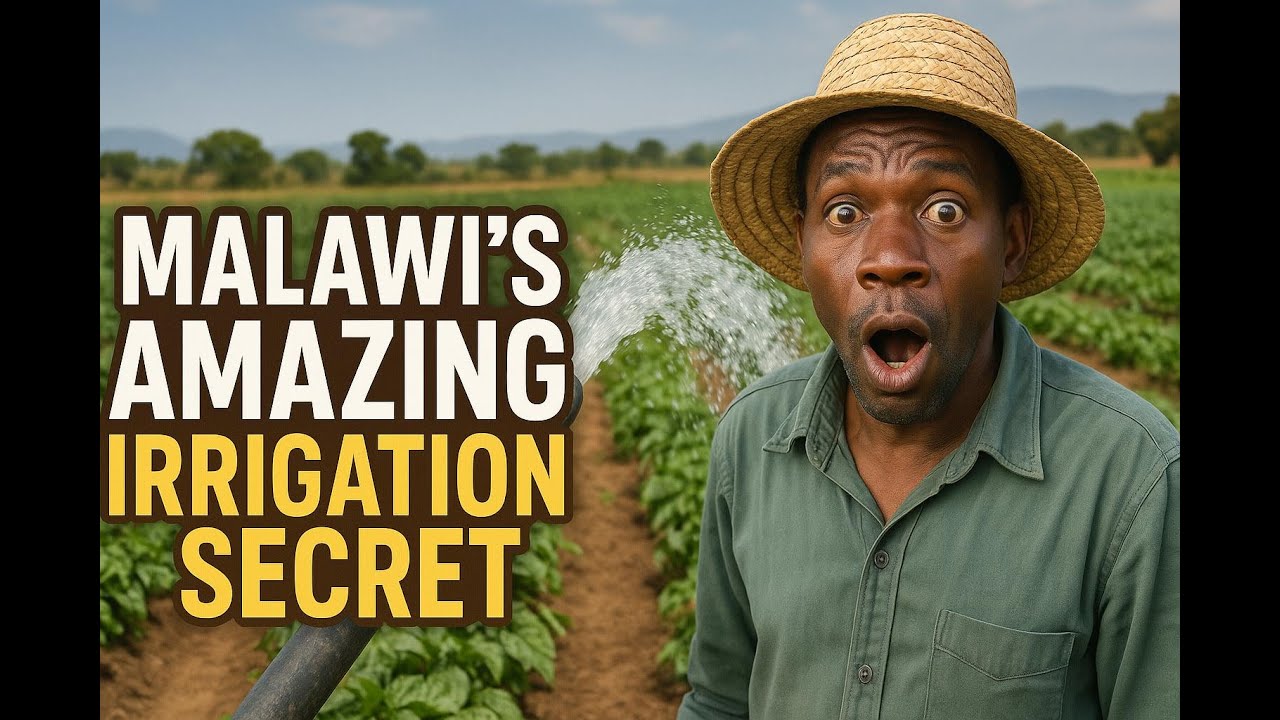
Freshwater is a vital yet finite resource in Ghanaian farming activities. Traditional options like canal and furrow irrigation are still present, but modern farming activities increasingly emphasize sprinkler systems, drip irrigation, and solar-powered pumps for sustainable water management.
These advanced methods enhance water use efficiency — ensuring that every drop is directed to where it is most needed, reducing evaporation, and conserving groundwater. In areas with irregular rainfall, such techniques provide a lifeline against crop failure, increase cropping intensity, and enable off-season production.
“Modern irrigation methods in Ghana have increased water efficiency by up to 40%, supporting resilient and sustainable farming.”
- 40% gain in water efficiency from modern irrigation systems
- Up to 3x yields enabled by drip irrigation in key commercial areas
- Improved nutritional security through year-round vegetable production
Types of Irrigation Used in Ghana:
- Drip Irrigation: Directs water to roots, saves labor and water, fit for vegetables and high-value crops.
- Sprinkler Irrigation: Imitates rainfall, suitable for cereals and leafy crops, easy to automate.
- Solar-Powered Pumps: Enable sustainable water lifting even in off-grid rural zones.
- Canal/Furrow Systems: Still widely used in rice fields and traditional setups.
Farmonaut enables real-time monitoring of carbon footprinting and equipment resource use in the field, supporting farmers in optimizing irrigation schedules and minimizing water wastage for maximum sustainability.

5. Integrated Pest Management (IPM): Sustainable Pest & Disease Control
Intensive farming inevitably brings pest and disease challenges. Modern integrated pest management (IPM) offers a comprehensive strategy to protect yields while reducing environmental harm. Ghanaian farmers now combine cultural methods, biological control agents, resistant crop varieties, trap crops, and precise pesticide applications to manage pests sustainably.
Regular monitoring for pests such as stem borers, aphids, leaf blight, and anthracnose is critical. IPM blends rotation, crop diversity, and targeted use of eco-friendly pesticides for long-lasting resilience.
- Over-reliance on chemical controls boosts pest resistance and pollutes water bodies
- Lack of scouting can delay interventions, increasing economic damage

Farmonaut’s AI-driven platform provides real-time crop health monitoring via satellite, helping users spot pest or disease outbreaks early. This supports timely action and sustainable management across Ghana’s diverse farming systems.
6. Soil Fertility & Organic Inputs: Balancing Nutrition Sustainably
Achieving high and sustainable yields relies on restoring and maintaining soil fertility. Modern farming activities in Ghana blend organic manures, compost, and nitrogen-fixing cover crops with balanced, precise applications of mineral fertilizers based on soil tests.
Techniques such as cover cropping, mulching, and crop residue recycling not only increase soil organic content but also enhance moisture retention and microbial activity. By tailoring fertilizer use to the unique requirements of each plot, farmers cut costs and reduce environmental harm.
Common organic and mineral amendments include:
- Animal manure (from poultry, cattle, sheep, goats)
- Crop residues and compost heaps
- Green manures – e.g., incorporating leguminous plants into fallow fields
- Urea, NPK blends, and micronutrient-enriched fertilizers
7. Livestock Management & Mixed Farming Systems
Livestock form an integral part of farming activities in Ghana, providing meat, milk, eggs, manure, and farm power. Common livestock include cattle, sheep, goats, pigs, and poultry. Modern management emphasizes integration with cropping systems – animals recycle crop residues into valuable manure and, in return, enrich soils and improve cropping outcomes.
Poultry is especially widespread, both in smallholder free-range flocks and in large, intensively managed operations. Increasingly, investments in controlled housing, veterinary care, and nutritional supplements are raising farm incomes and food security.
- Cycles manure to enrich fields and reduce chemical input dependence
- Diversifies farm income and improves household protein supply
- Enables utilization of crop by-products and marginal lands
Meat, milk, traction power, manure for soil improvement.
Eggs, meat, pest control, and high-quality fertilizer production.
Thrive on rough forages, supply protein, and adapt to diverse ecological zones.
Farmonaut supports large scale livestock and mixed farming operations with advanced fleet management and resource tracking tools for vehicles and machinery, ensuring efficient daily operations.
8. Agroforestry & Tree-Crop Integration for Sustainable Farms
Agroforestry is the deliberate integration of trees and shrubs with crops and occasionally livestock. In Ghana, this practice restores degraded lands, stabilizes soil, provides windbreaks, and enhances biodiversity across rural landscapes. Popular approaches include farmer-managed natural regeneration, woodlots, fruit orchards (mango, cashew), and boundary planting.
Agroforestry systems buffer yields against erratic rainfall, enrich farm incomes with timber and non-timber products, and support climate resilience.
- Reduces erosion and runoff on sloping lands
- Boosts pollinator and predator populations in the agroecosystem
- Provides timber, fruit, and fodder for diversified farm revenues
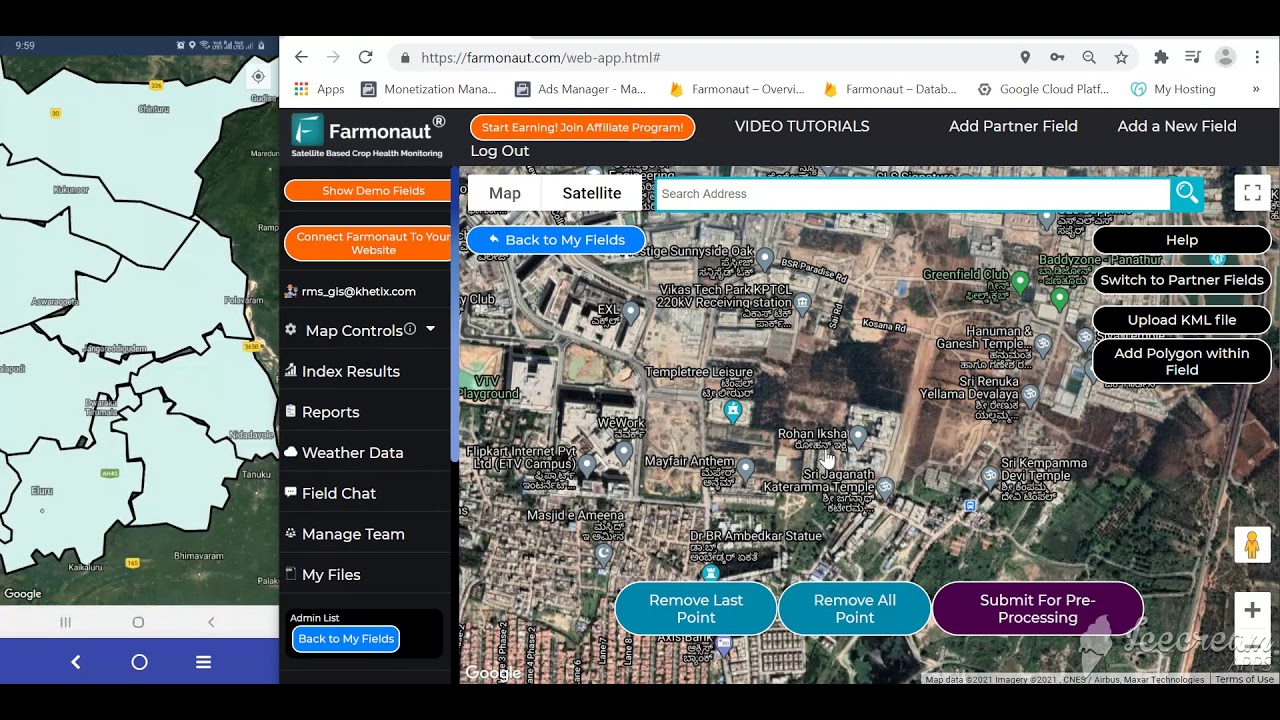
Plan, monitor, and optimize tree-crop integration with our satellite-driven plantation & forest advisory — enhancing agroforestry implementation and monitoring environmental impact at scale.
9. Post-Harvest Handling & Value Addition: Closing the Food Security Gap
Reducing post-harvest loss is vital in ensuring that farming activities in Ghana translate into economic returns and food security. Crops are often susceptible to decay, spoilage, pests, and price fluctuations after harvest. Modern post-harvest handling involves cleaning, sorting, drying, effective storage (in silos or structured granaries), and transforming produce into packaged or processed products — such as gari (cassava), flour, oil, and fruit preserves.
Adding value also opens up regional and export markets, boosting farmer income and employment opportunities.
- Proper drying and storage can halve post-harvest losses
- Processing adds up to 200% more value on staple crops
- Market-driven packaging meets quality standards and fetches better prices
To unlock value in supply chains, traceability — tracking the journey of farm products from field to shelf — is increasingly vital. This builds consumer trust and unlocks premium markets for Ghana’s farming sector.
Explore: Farmonaut’s blockchain-based product traceability for secure, transparent supply chains.
10. Climate-Smart Agricultural Practices: Building Future Resilience
Climate-smart practices are increasingly at the core of modern farming activities in Ghana. They include farming system diversification, use of climate-resilient varieties, early warning for droughts/floods, and risk management insurance.
These systems support farmers amidst changing rainfall patterns, unpredictable pests, and rising temperatures, sustaining both yields and community food security. Climate-smart practices encompass everything from adjusting planting dates to planting drought- and flood-tolerant crops, integrating agroforestry, and using data-driven decision systems.
- Reduces vulnerability to climate shocks and market disruptions
- Promotes water, soil, and energy conservation
- Unlocks access to agricultural insurance and weather-indexed loans
Farmers in Ghana can improve risk management with crop loan and insurance verification tools available through Farmonaut. Our remote sensing platform streamlines access to financial support and verifies field conditions, ensuring fair and timely compensation.
How We Support Modern Farming Activities in Ghana
As a satellite technology company, we at Farmonaut empower Ghanaian farmers and agri-businesses with advanced, affordable solutions for real-time crop monitoring, AI-driven decision support, and blockchain-based traceability. Our platform provides multispectral satellite imagery for accurate field health assessment, soil moisture tracking, and early pest/disease alerts — all integrated into easy-to-use Android, iOS, web, and API tools.
- Optimized farm productivity with timely, AI-powered advisory
- Environmental impact monitoring for compliance and stewardship
- Secure, transparent supply chains for market access
- Rapid eligibility checks for agri-loans and insurance
- Customizable fleet and resource management for diversified farm operations
We serve individual farmers, businesses, cooperatives, and agencies seeking to scale operations and adopt sustainable farming activities in Ghana.
- API Access: Farmonaut Agricultural API for satellite crop monitoring.
- Developer Docs: Farmonaut API Documentation.
Farming in Ghana: Top Benefits, Challenges & Trends
- Focus on Sustainable Intensification: Higher productivity without sacrificing soil or water health.
- Agri-Tech Adoption Rising: Satellite, drone, and precision solutions gaining traction among large and smallholder farms alike.
- Market-Driven Crop Choices: Increasing shift toward cash crops and value-addition, especially for regional and export markets.
- Empowered Rural Communities: Agribusinesses, youth-led ventures, and women’s groups are at the forefront of innovation in Ghanaian agriculture.
- Financial Inclusion: Tech-enabled crop insurance, loan verification, and digital advisory expanding access for underserved communities.
Frequently Asked Questions: Modern Farming Activities in Ghana
-
What are the core farming activities in Ghana today?
The core activities begin with land preparation, seed/variety selection, planting, crop and livestock management, irrigation, pest/disease control, soil fertility management, agroforestry, post-harvest handling, and value addition. Diverse systems include both crop- and animal-oriented farms, integrated for sustainability. -
How have traditional farming methods evolved in Ghana?
Traditional methods emphasized manual tillage, shifting cultivation, and natural rainfall reliance. Modern farming activities now bring mechanical equipment, improved seeds, advanced irrigation, integrated pest management, organic fertilization, and post-harvest value addition to the forefront for greater resilience and environmental stewardship. -
What is the benefit of integrating livestock with cropping systems?
Livestock-crop integration recycles nutrients, improves soil fertility, diversifies income, and allows better use of marginal or fallow lands. Manure from animals is a valuable organic fertilizer, while crop residues reduce feed costs for ruminants and poultry. -
Why is climate-smart agriculture important?
With increasingly erratic rainfall and temperature variability, climate-smart agriculture safeguards food security by promoting drought- and flood-tolerant crops, risk insurance, sustainable irrigation, and diversified farm enterprises. -
How can technology enhance modern farming activities in Ghana?
Tools like satellite monitoring, AI-based decision support, digital traceability, and mobile apps streamline resource management, enable early risk detection, and provide evidence for loans, insurance, and quality assurance across diverse Ghanaian farming systems. -
How does Farmonaut contribute to sustainable agriculture in Ghana?
Farmonaut facilitates real-time satellite monitoring for crops, resource optimization, transparent supply chains via blockchain, carbon footprint tracking, and risk verification for loans and insurance — all accessible through web/mobile apps and APIs for individuals, businesses, and institutions in Ghana.
Discover Affordable Satellite Solutions for Your Farm
Whether you are a smallholder, a commercial farm manager, or an institutional stakeholder, Farmonaut offers satellite-driven solutions to improve your farming activities, optimize input use, and secure long-term environmental sustainability. Access real-time field-level insights, environmental compliance tools, and supply chain traceability — proven to increase productivity and support rural livelihoods across Ghana.
Register or subscribe for the solution tiers that best fit your needs:
Ready to monitor your fields and livestock from the sky? Download the Farmonaut Web, Android, or iOS app and start transforming your farm operation today!
Key Takeaways: Modern Farming Activities in Ghana
- Soil conservation and minimum tillage support healthier, more resilient soils.
- Improved seeds, precision planting, and irrigation drive higher and more stable crop yields.
- Integrated pest management and diversification are essential for risk reduction.
- Agroforestry and tree integration buffer against climate and market shocks.
- Post-harvest value addition and traceability unlock new income streams and global markets.
Discussion
Questions, corrections or field experience? Share them below. First-time comments are reviewed before they appear, and your email is never published.
No comments yet. Be the first to add a question or your experience.

 ITC
ITC Dirks Bros Farms
 Red August Group
 Farm Inc
 WeMe Global
 Agrotoken
 Blue BearX
 Insignito
 Croptimum
 DnCubed
 Field Capacity
 Indosistim Teknologi
 Liquify Digital
 CU Foods
 BeyondTech Global
 Rouge VC
 AgroGreen Dynamics
 Licence holder · Niger · Gold










