

Palm Oil Farming in Nigeria: How to Start & Profit
- Trivia: Fast Facts on Nigerian Palm Oil
- Introduction: Nigeria’s Role in Agriculture Palm Oil
- Site Selection & Land Preparation: The Foundation
- Cultivation & Planting: How to Start Palm Oil Farming Efficiently
- Nutrition & Fertilization: Nurturing Healthy Oil Palms
- Pest, Disease, and Weed Control: Safeguarding Your Investment
- Yield & Harvest: Achieving Optimal Production
- Economics & Profitability: Is Palm Oil Farming Profitable?
- Sustainability & Climate-Smart Practices
- Farmonaut: Digital Agriculture for Oil Palm Farming
- Estimated Cost and Profitability Breakdown Table
- Frequently Asked Questions (FAQ)
- Final Tips: Charting the Path to Successful Palm Oil Farming in Nigeria
Introduction: Nigeria’s Role in Agriculture Palm Oil
Palm oil farming in Nigeria stands as a robust agricultural venture with immense potential for profitability and income diversification. Driven by intense global demand for edible oils, biofuels, and consumer products, oil palm farming in Nigeria is both an economic backbone and a sustainable development pathway for aspiring farmers, especially in palm-rich regions of the tropical South and Midwestern Nigeria.
Understanding how to start palm oil farming is crucial for anyone aiming to harness Nigeria’s favorable climate and resource-rich soils. From careful site selection and soil management to effective disease control and optimizing harvest yield, each step builds towards a profitable journey. This guide will approach each crucial process step by step, ensuring that you acquire all the essential knowledge to achieve sustainable profitability.
Site Selection & Land Preparation: The Foundation of Palm Oil Farming in Nigeria
Choosing the Right Land and Soil for Oil Palm
Site selection is the bedrock of successful palm oil farming in Nigeria. Oil palms thrive in tropical environments, with consistent rainfall and gentle slopes that reduce erosion and support steady growth. The ideal location should possess:
- ✔ Well-drained soils (loamy or sandy-loam), which discourage rot and waterlogging
- ✔ Neutral to slightly acidic pH (5.0–6.5) – confirmed by soil testing
- ✔ Consistent rainfall of 1500–2500mm annually
- ✔ Adequate sunlight exposure throughout the year
- ✔ Gentle slope to prevent water stagnation and soil loss
Essential Steps in Land Preparation
- Clear existing vegetation and eliminate deep-rooted weeds.
- Conduct soil pH and nutrient status testing to determine fertility levels and need for amendments.
- Prepare a weed-free field and remove stones or debris.
- Establish border hedges (such as vetiver or elephant grass) to reduce erosion during heavy rains.
- Design plot layout for accessibility, enabling easy movement for harvesting and transportation.
- Consider intercropping options in the initial years to maximize productive land use and increase cash flow.
Pro Tip: Use satellite crop health monitoring tools, like Farmonaut’s NDVI-based monitoring, to assess and optimize soil preparation before planting. This minimizes costly mistakes at the start.

Find large-scale farm management solutions and optimize every stage of field preparation using satellite insights—learn more about Farmonaut’s Farm Management Platform.
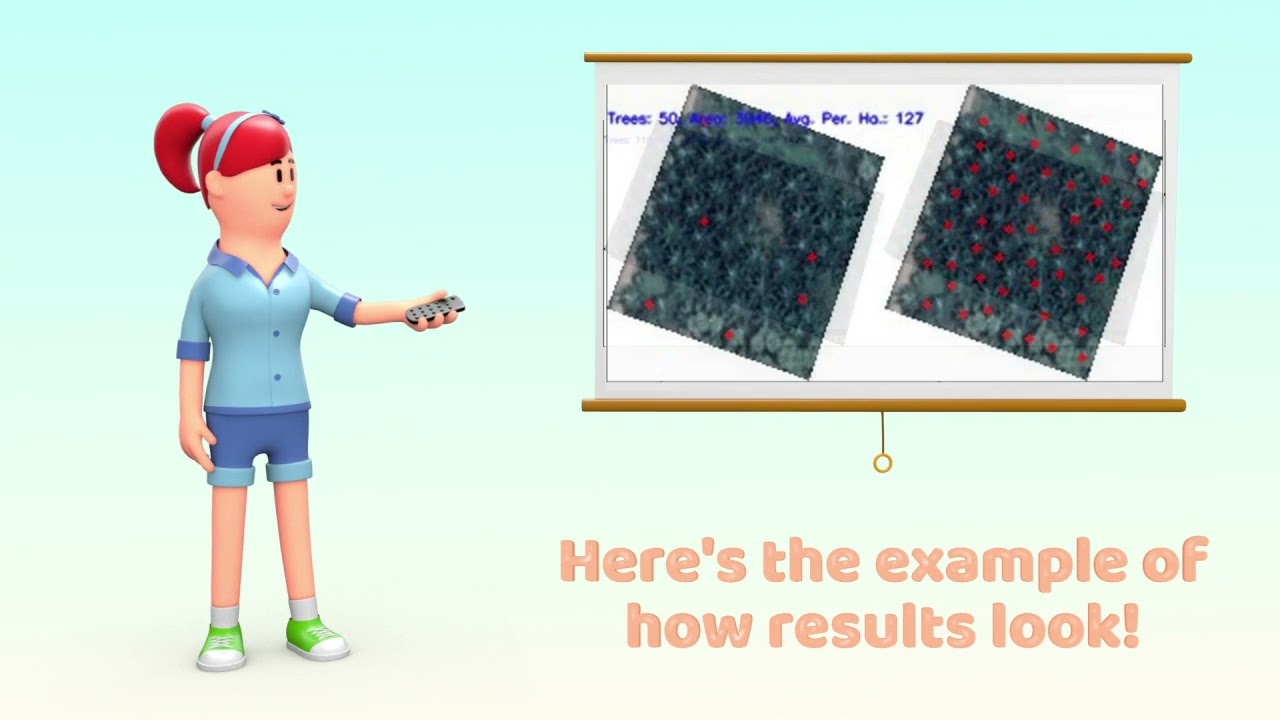
Cultivation & Planting: How to Start Palm Oil Farming Efficiently
Palm Oil Seedlings: Quality Starts at the Nursery
The quality of your palm oil venture heavily depends on the seedlings you source and how you establish your plantation. Start with healthy, two-year-old oil palm seedlings from reputable nurseries. This ensures uniform growth and disease-free stock.
- ✔ Choose certified hybrid palms for enhanced yield, disease resistance, and robust growth.
- ✔ Avoid using wild or untested seedlings, as they can reduce both yield and oil quality.
- ✔ Inspect seedlings to ensure no visible disease, strong roots, and consistent stem girth.
- ✔ Transport seedlings with care and avoid injury to roots to minimize transplant shock.
Spacing and Plantation Layout
Getting the spacing and layout right mitigates disease pressure and promotes optimal canopy management. Standard configurations used in Nigerian oil palm farming are:
- 🌴 8×8 feet (about 165 palms per hectare) — higher density, faster canopy closure.
- 🌴 9×9 feet (about 120 palms per hectare) — less crowding, lower pest/disease, easier harvesting.
Best Season for Planting and Early Growth Management
- Plant at the onset of the rainy season (April–June in southern Nigeria) to minimize transplant stress and ensure roots quickly access moisture.
- Mulching (using dried grass, palm fronds, or compost): Reduces evaporation, maintains soil temperature, and improves organic matter.
- Incorporate organic matter: This enhances soil structure and supplies gradual nutrients.
- 🌱 Quality seedlings: Disease-free, high-yielding hybrids
- 📏 Spacing: 8×8 or 9×9 feet for density and canopy balance
- 🌦️ Planting season: Start with early rains
- 🌾 Mulching: Protects soil and conserves moisture
- 💧 Early irrigation: If dry spells occur, water young palms regularly
📱 Data Insight: Use Farmonaut’s mobile/web platform to monitor early growth, soil moisture, and weather patterns for precise plantation scheduling.


Stay updated via our Android and iOS applications for real-time palm oil plantation insights.
Nutrition & Fertilization: Nurturing Healthy Oil Palms
Nutrition directly influences palm growth, fruit bunch development, and yield consistency. A tailored fertilizer application strategy is based on age, soil test results, and production targets.
- Newly planted palms: Prioritize steady nutrient supply for root development and vigor.
- Primary nutrients: Nitrogen (N), Phosphorus (P), Potassium (K). Potassium is vital for oil production and fruit quality.
- Secondary (micro) nutrients: Magnesium, Boron, Zinc. Deficiencies reduce yield and can make palms vulnerable to diseases.
- Apply slow-release fertilizers where practical — helps reduce costs and leaching losses.
⚠ Risk: Over-application of chemical fertilizers can damage roots and disrupt beneficial soil microbes. Monitor usage through regular soil/leaf tissue analysis for balanced nutrition.

- ✔ Regular monitoring and adapting your nutrition plan ensures steady yield and disease resistance.
- ✔ Use compost, manure, and cover crops to build organic matter, improve moisture retention, and foster a healthy microbial environment.
- 📊 Data Insight: Farmonaut’s real-time soil nutrient mapping supports targeted fertilization—check out the Crop Plantation & Forest Advisory Service.
Pest, Disease, and Weed Control: Safeguarding Your Investment
Major pests and diseases can significantly reduce profitability in palm oil farming in Nigeria if not managed promptly. Implementing an Integrated Pest and Disease Management (IPDM) plan is critical.
- 🐞 Rhinoceros beetles – Bore into palm crowns, causing low fruiting.
- 🦠 Bud rot and Ganoderma – Major fungal/bacterial diseases that attack growing tips.
- 🌿 Weeds – Compete for water, nutrients, and light.
Monitor and reduce environmental impact with Farmonaut’s advanced Carbon Footprinting solutions.
IPDM: Best Practices to Reduce Losses
- Start with disease-free seedlings and a clean nursery to prevent early infections.
- Scout your plantation regularly (at least monthly) to identify early pest/disease signs.
- Implement biological controls (e.g., natural predators, beneficial fungi).
- Mulch and weed consistently to keep humidity low and disrupt pest lifecycles.
- Resort to targeted chemical controls only when necessary (spot application, not blanket spraying).
- Record all interventions for traceability and improved future responses.
📋 Pro Tip: Use blockchain traceability technology to log pest and disease interventions for transparency and enhanced market acceptance.

Yield & Harvest: Achieving Optimal Production in Oil Palm Farming in Nigeria
When Do Oil Palms Begin to Yield?
Oil palms begin to yield commercial fruits after 3–4 years and reach peak production between years 8–15. Maximum productivity (20–25 tons of fresh fruit bunches per hectare) occurs with robust soil management, consistent moisture, and disease prevention.
“Optimal palm oil yield can reach 20–25 tons of fresh fruit bunches per hectare with proper soil and disease management.”
Optimizing Harvest Timing and Techniques
- ✔ Harvest fresh fruit bunches (FFBs) as soon as they reach full ripeness — not overripe or underripe.
- ✔ Use sharp knives/machetes and avoid bruising the fruit.
- ✔ Timeliness is crucial: FFBs lose oil quality quickly if left too long before processing.
📊 Data Insight: Using satellite monitoring helps schedule harvests by monitoring fruit maturity patterns across large fields.

Post-Harvest: Palm Oil Processing & Quality Control
Processing FFBs quickly is vital for quality oil. Delays lead to free fatty acid build-up, lowering both market price and extractable oil. Collaborate with trusted millers for consistent, timely milling—or invest in on-farm mini processing units if you have the capital and scale.
- ✔ Optimal FFBs should be processed within 24–48 hours of harvest.
- ✔ Monitor processing losses and maintain high standards to preserve oil quality.
Economics & Profitability: Is Palm Oil Farming Profitable?
Understanding Costs and Returns
The profitability of palm oil farming in Nigeria depends on various factors: initial establishment costs, ongoing input expenses, market prices, and yield over the productive life of the plantation.
- ✔ Initial years (0–4 years): High costs for land, seedlings, input and labor, with little revenue until maturity.
- ✔ After establishment: Maintenance costs drop as palms mature and production increases steadily.
- ✔ Market access and partnerships with processors are key for sustained revenue.
- ✔ Intercropping adds income in early years while palms are establishing their canopy.
- ✔ Financial planning and timely interventions mitigate risk and optimize net profit per hectare.
Diversifying & Maximizing Revenue Streams
- 🌾 Intercropping: Cultivate crops like maize, melon, or groundnut between palms during the first 3–5 years (while palms are small) to generate revenue early.
- 🌱 Seedling sales: With a nursery, you can supply other farmers.
- ⚙️ Processing: If your scale permits, process your own oil for higher margins, or sell kernels for animal feed and oil extraction.
Sustainability & Climate-Smart Practices in Nigerian Oil Palm Stands
For future-proof agricultural ventures, embracing climate-smart practices is essential for palm oil farming in Nigeria. Your practices must reduce carbon footprint, enhance biodiversity, and use water and nutrients efficiently.
- ✔ Soil conservation: Use cover crops, organic mulching, and preserve natural vegetation on slopes and near rivers.
- ✔ Water management: Implement buffer zones and contour planting to reduce runoff and optimize irrigation.
- ✔ Carbon sequestration: Maintain trees on farm boundaries and integrate sustainable land management to maximize long-term soil health.
- ✔ Traceability for transparency: Adopt traceability solutions for tracking all farm activities and produce a transparent, marketable product.
🌍 Key benefit: “Eco-friendly palm oil production supports both profitability and meets growing consumer preferences for sustainable, traceable oil.”

Learn more about reducing your carbon footprint with Farmonaut.
Optimize all logistics and resources with Farmonaut’s Fleet Management tool—improving transport savings and reducing site pollution risk.
Farmonaut: Digital Agriculture for Oil Palm Farming
Modern oil palm farming in Nigeria can be enhanced by integrating satellite-driven analytics and data-based decision making. At Farmonaut, we enable real-time monitoring of soil health, vegetation growth, and climate risks, directly from mobile/web apps and powerful APIs.
- 📲 Satellite Crop Health: NDVI/EVI maps for monitoring crop vigor and early detection of nutrient or stress zones (try our web and mobile apps).
- 💡 AI Advisory: Get custom recommendations for weather, pest alerts, and field management.
- 🔗 Blockchain Traceability: Securely document every input and intervention for certification and buyers.
- 🚗 Fleet Logistics: Track vehicles, manage field labor, and reduce input waste (Fleet Management).
- 🔄 API Integration: Seamlessly connect satellite monitoring to your own digital system: Farmonaut API (API Developer Docs).

Discover everything you need for oil palm plantation precision—timing, input optimization, and risk reduction—within your reach, using our satellite subscription plans:

Estimated Cost and Profitability Breakdown Table for Oil Palm Farming in Nigeria
Below is a comprehensive estimate of initial and ongoing costs, labor, yield, and revenue for a typical 1-hectare oil palm farm in Nigeria. Actual costs will vary by location, scale, market prices, and input strategies.
| Stage/Activity | Estimated Cost (₦) | Estimated Labor (Person-Days) | Yield (Tons/Ha) | Projected Revenue (₦/Annum) |
|---|---|---|---|---|
| Land Preparation | 180,000 | 15 | – | – |
| Seedling Purchase & Nursery Setup | 140,000 | 4 | – | – |
| Planting (including Mulching) | 55,000 | 10 | – | – |
| Fertilizer Application (Yearly Avg.) | 85,000 | 6 | – | – |
| Pest & Disease Control | 45,000 | 4 | – | – |
| Weeding & Mulching | 30,000 | 7 | – | – |
| Harvesting (from Year 4) | 55,000 | 5 | 20–25 | 1,200,000–1,600,000 |
| Processing/Transport | 70,000 | 5 | – | – |
| TOTAL (Year 1 Investments) | ≈ 625,000 | 51 | – | – |
| Annual Revenue (After Year 4) | – | – | 20–25 | 1,200,000–1,600,000 |
Note: These estimates do not include costs for acquiring land. Prices will fluctuate by region and year; always collect updated quotations locally for accuracy.
Frequently Asked Questions (FAQ) on Palm Oil Farming in Nigeria
How much land do I need to start oil palm farming in Nigeria?
While you can begin on as little as 1 hectare, commercial-scale profitability is best achieved starting from 5–10 hectares. Choose land based on accessibility, soil quality, and sunlight exposure—tropical southern Nigeria (e.g., states like Edo, Delta, Cross River) offers the best environments.
Is palm oil farming profitable in Nigeria?
Yes, with disciplined management, steady markets, and efficient integration of soil health, pest control, and harvest logistics, palm oil farming in Nigeria is very profitable. Net returns are highest after palms reach maturity (typically from year 4–5 onwards).
What is the best soil pH for oil palm?
Neutral to slightly acidic soils (pH 5.0–6.5) are ideal. Correct acidity using lime or organic matter where needed.
When should I harvest oil palm fruit bunches?
Harvest when fruits are fully ripe but have not started dropping naturally. This maximizes oil content and minimizes free fatty acid levels.
How do I reduce pests and diseases organically?
Use cultural methods (cleaning fields, spacing), mulching, biological controls, and establish healthy soil/living ground cover. Adopt regular field scouting to address outbreaks swiftly.
Can I use technology to aid palm oil farming?
Absolutely. Satellite and AI tools like those from Farmonaut enable real-time monitoring, smart input application, harvest prediction, and transparent record-keeping—all enhancing yield and sustainability.
Final Tips: Charting the Path to Successful Palm Oil Farming in Nigeria
- ✔ Proper site selection, soil management, and disease control are the foundation of profitable, sustainable palm oil farming in Nigeria.
- ✔ Integrate technology for real-time monitoring, timely interventions, and streamlined record-keeping.
- ✔ Diversify revenue streams (intercropping, seedling sales, processing) for steady cash flow.
- ✔ Stay educated—Join agricultural forums, attend workshops, and leverage expert advisory apps.
- ✔ Maintain transparent financial records to analyze, adapt, and maximize profits each year.
Whether you are a smallholder or aiming for commercial expansion, oil palm farming in Nigeria offers both sustainable livelihood and an opportunity to contribute to national development. Base every decision on science-backed data, technological optimization, and a commitment to climate-smart, ethical practices.
🌟 “Palm oil farming isn’t just an agricultural venture—it’s the heart of Nigeria’s food and energy future for years to come.”
Ready to transform your farming journey with insight and technology?
Download our Farmonaut Web App, Android, or iOS App to get started.
For advanced developers, integrate satellite insights into your custom operations via the Farmonaut API. For documentation, refer to our API Developer Docs.

 Linx Agritech
 Adinet
 Save Your Soils
 YelloSkye
 GalaxEye Space
 Grandstream Algérie
 XOS Realty
 Geospatial Lab Africa
 Agro La Gándara
 HIPSAC
 ZOL Zimbabwe
 Juligerm
 AdBio
AdBio MISE Maroc
 NWNS
NWNS Red August Group
 Farm Inc
 WeMe Global
 Agrotoken
 Blue BearX
