

Oil Palm Plantation Valuation: 7 Key Insights
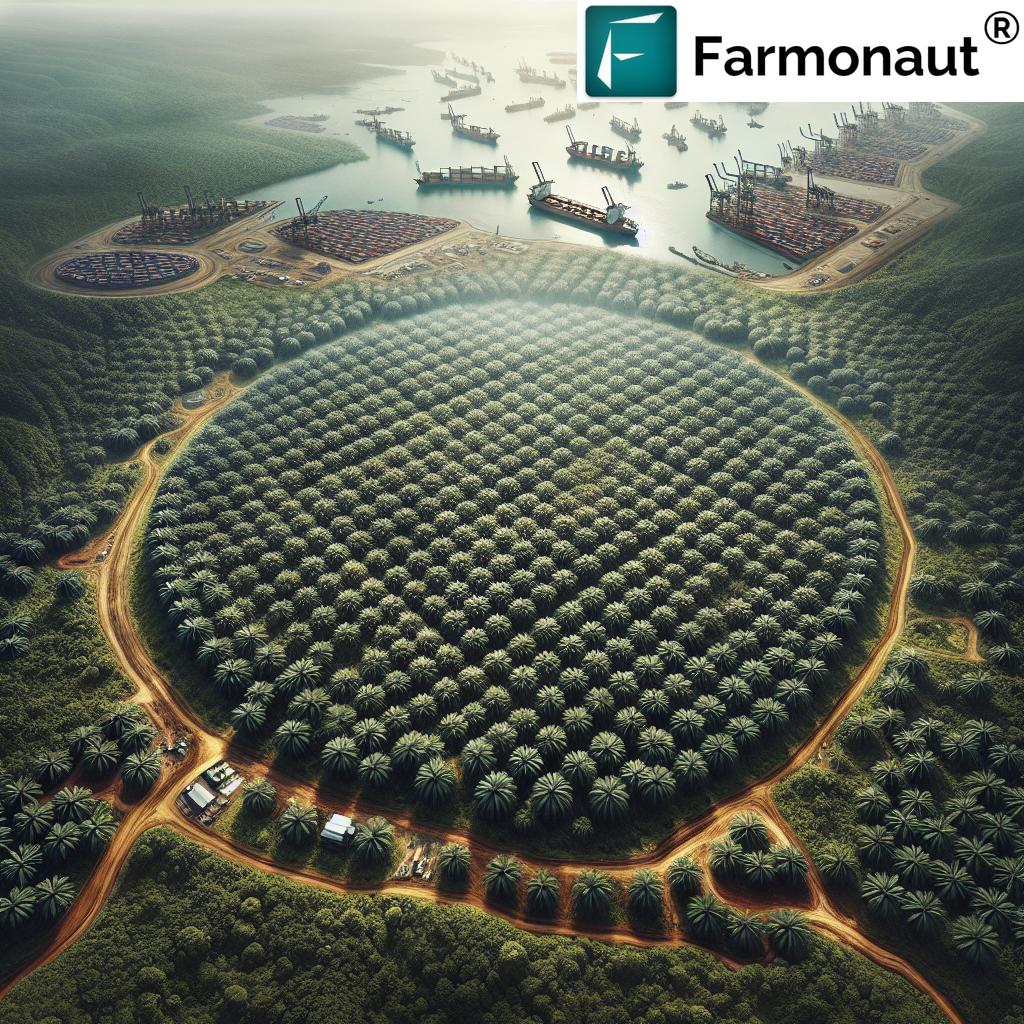




Valuing Oil Palm Plantations: A Comprehensive Overview
Oil palm plantations have emerged as a cornerstone of the global vegetable oil sector, powering exports, employment, and rural development, especially in leading producing countries such as Indonesia and Malaysia. With over 85% of palm oil production originating from these two countries, understanding how to assess the value of oil palm plantations is essential for a diverse range of stakeholders—including investors, policymakers, and environmentalists.
Reliable oil palm plantation valuation considers not just financial performance (like NPV and IRR), but also wider economic contributions, environmental impacts (deforestation, emissions, water quality degradation), and social challenges (from labor to land rights). On this page, we reveal seven key insights that illuminate the complex interplay between economic returns, sustainability, and social responsibility in the palm oil industry.

Global Trends in Oil Palm Plantations
The palm oil industry is shaped by rapid expansion—especially across Southeast Asia. As of 2023–2024:
- Indonesia produced 44 million tonnes of palm oil.
- Malaysia contributed 19.7 million tonnes.
Together, these nations accounted for more than 85% of global production (farmonaut.com).
Palm oil remains the most efficient oil crop—delivering high yields per hectare while occupying far less land than alternatives like soy or rapeseed. However, this efficiency has come at a cost: aggressive expansion has heightened pressure on natural forests, fueling debate around palm oil deforestation, land rights, and the search for more sustainable models.
1. Financial Valuation of Oil Palm Plantations
Understanding Plantation Financial Metrics: NPV, IRR, and Beyond
The financial valuation of plantations hinges on quantitative analysis, featuring core metrics that guide investment decisions. Here’s how each metric comes into play:
-
Net Present Value (NPV):
- Definition: The difference between the present value of cash inflows and outflows across the plantation’s lifespan.
- Key Factors: Considers yield per hectare, operational costs, projected market prices, and discount rate.
- Role in Valuation: A positive NPV indicates that the plantation’s expected earnings, discounted to present value, exceed its establishment and operating costs, making it an economically viable investment.
-
Internal Rate of Return (IRR):
- Definition: The discount rate at which the plantation’s NPV equals zero.
- Key Insights: The higher the IRR, the more attractive the investment relative to alternatives. Plantations with high IRR values are especially sought after in the oil palm industry.
-
Payback Period:
- Definition: Time required to recover the plantation’s initial investment from net cash flows.
- Implications: Shorter payback periods signal greater liquidity and reduced risk.
Other Financial Metrics to Assess Plantation Performance
- Yield Per Hectare: Measures average annual production of oil palm per hectare; a decisive value driver.
- Operational Costs: Includes labor, fertilizers, pest management, transport, and processing—crucial for accurate profitability projections.
- Market Prices: Global palm oil prices are influenced by supply-demand, regulatory trends, and sustainability premiums associated with certification.
In summary, robust financial valuation of plantations combines these metrics to reflect both immediate economic returns and risk-adjusted long-term prospects.
2. Economic Impact of Palm Oil – Employment & Exports
Employment Generation & Smallholder Participation
The oil palm sector stands as a significant source of employment and rural development, particularly in Indonesia and Malaysia:
- In Indonesia alone, more than 1.7 million people are directly employed in the sector (spott.org).
- Smallholders own over 41% of plantations, enabling wealth creation and fostering entrepreneurship in local communities.
Infrastructure Development & Rural Transformation
Palm oil plantation expansion often catalyzes broader development:
- New or improved roads, schools, and healthcare facilities frequently emerge as spin-offs from plantation development.
- This enhances the quality of life in rural areas and broadens access to education, health, and basic services.
Palm Oil Production and Exports: Economic Backbone
The economic impact of palm oil on national economies is profound:
- Malaysia exported 16.7 million tonnes in 2010, valued at approximately US$15 billion, representing over 9% of the country’s total export revenue (spott.org).
Globally, the palm oil market’s scale and export orientation drive national foreign currency reserves, fund infrastructure projects, and strengthen economic resilience.
For stakeholders exploring plantation investment or valuation, these economic contributions—from employment generation to export prowess—are central to any assessment of value.
3. Environmental Issues of Palm Oil Expansion
Palm Oil Deforestation: Biodiversity and Ecosystem Loss
Deforestation is the most visible and widely debated environmental issue associated with oil palm plantation expansion:
- In Indonesia, over 24 million hectares of forest (1990–2015) were lost—much of it for oil palm plantations (farmonaut.com).
- This rapid forest loss has destroyed habitats for endangered species: orangutans, tigers, elephants, and more (worldwildlife.org).
- Palm oil deforestation undermines not just biodiversity, but also ecosystem services such as carbon sequestration and water regulation.
Carbon Emissions from Land Use Change & Peatlands
Environmental impacts of oil palm include substantial CO₂ and methane emissions:
- Draining peatlands for plantation use releases vast quantities of greenhouse gases.
- Deforestation in tropical areas is estimated to account for about 10% of man-made CO₂ emissions globally (wikipedia).
Water Quality Degradation: The Role of POME & Agrochemical Runoff
- Palm oil mill effluent (POME) contains high organic loads, which—if untreated—lead to water quality degradation and oxygen depletion in water bodies.
- The leaching of pesticides and fertilizers into groundwater and rivers from palm plantations is an increasing concern, especially in major producing regions like Indonesia (iopscience).
For modern plantation valuation, understanding and mitigating these environmental challenges is essential—both for regulatory compliance and for securing certification premiums or access to certain global markets.

5. Sustainability in Palm Oil Industry: Certification & Best Practices
Palm Oil Certification Standards: RSPO & Market Incentives
Recognizing global demand for more responsible plantation practices, several certification schemes have emerged:
- The Roundtable on Sustainable Palm Oil (RSPO) promotes sustainable, socially responsible, and environmentally friendly standards across the sector.
- As of 2023, 19% of global palm oil was RSPO-certified sustainable (farmonaut.com).
Benefits & Limitations of Certification
- Certification offers market premiums, improved reputation, and preferred access to markets with strict sustainability requirements.
- However, coverage is still limited, and independent verification of deforestation-free supply chains and fair labor practices remains a challenge.
Emerging Best Practices
Beyond formal certification, best practices—such as no-burn land clearance, conserving high conservation value (HCV) areas, continuous engagement with local communities, and supporting smallholder inclusion—are increasingly recognized as vital for the future of the palm oil industry.
For forward-thinking investors and industry leaders, aligning with carbon footprint tracking solutions and traceability systems not only de-risks supply chains, but can tap into new market opportunities.
6. Comparative Impact Overview Table: Oil Palm vs. Major Crops
To deepen your understanding of oil palm plantation valuation, consider this side-by-side table that brings together key economic, environmental, and social metrics. Comparing oil palm with other leading oil crops reveals why palm is both globally preeminent and centrally placed in sustainability debates.
| Factor | Estimated Value/Range* | Global Comparison (Palm vs. Soy & Rapeseed) |
|---|---|---|
| Economic Value (Gross, per ha/year) | $4,000–$6,000 | Palm > Soy ($2,400–$3,600) Palm > Rapeseed ($2,500–$3,800) |
| Export Revenue (Top producer, 2023) |
Indonesia: $30B, Malaysia: $20B | Palm oil > Soy oil > Rapeseed oil |
| Yield per Hectare | 3.5–4.5 tonnes oil/ha | Palm (x6) Soy (0.5–0.6 t/ha) Palm (x5) Rapeseed (0.8–0.9 t/ha) |
| CO₂ Emissions (from expansion) | Up to 3.5 t CO₂/tonne oil (on peat) | Palm > Soy > Rapeseed (Palm critical if on peat, otherwise variable) |
| Deforestation Rate | Up to 8% of global forest loss annually | Palm >> Soy > Rapeseed in tropics |
| Employment Generation (Direct jobs per 1,000 ha) |
Up to 100 | Palm > Soy > Rapeseed |
| Community Impact (Displacement risk) | Medium–High (site specific) | Palm = Soy > Rapeseed |
| Certification Rate | 19% (RSPO-certified, 2023) | Palm ≈ Soy (lower), Rapeseed (high in Europe) |
* Estimated global data rounded or presented as ranges; values vary by country and year.
7. Technology, Satellite Monitoring & the Future of Plantation Valuation
The Digital Turn in Oil Palm Assessments
The ability to value and manage oil palm plantations sustainably is increasingly tied to technology. Innovations such as satellite imagery, AI-driven analytics, and blockchain-enabled traceability are transforming how stakeholders—from operators to regulators and financiers—track and improve economic, environmental, and social performance.
Satellite-based solutions supply real-time insights on crop health, deforestation detection, resource use, and compliance with certification standards.
Learn more about carbon footprint tracking for palm oil here, and about how satellite monitoring can support large scale farm management here.
Benefits for Stakeholders
- Farmers: Enhanced yield, resource efficiency, timely interventions, reduced input costs, and risk prediction.
- Investors: Accurate, up-to-date asset valuation and improved risk management.
- Policymakers/Environmentalists: Reliable, objective data for sustainable land use planning and regulatory enforcement.
Instruments like product traceability ensure verifiable supply chains, while satellite-based crop verification streamlines credit access and insurance for legitimate palm growers, fostering both sustainability and fair value.
Farmonaut: Precision, Sustainability & Traceability for Plantations
As the valuation of oil palm plantations grows more complex, tools that enable precise monitoring and actionable insight are invaluable. At Farmonaut, we are committed to democratizing access to precision agriculture and transforming the future of farm management—be it for smallholder plots or corporate operations.
Our Technology-Driven Value Proposition
- Satellite-based Crop Health Monitoring: Delivers up-to-date NDVI imagery, soil moisture analytics, and early warning systems for yield optimization.
- Jeevn AI Advisory: Personalized strategies and recommendations to maximize productivity and sustainability, based on current and projected field conditions.
- Blockchain-based Product Traceability: Secure, transparent supply chain verification—critical for certified exports and building consumer trust.
- Carbon Footprinting: Real-time tracking of emissions for regulatory compliance and reporting.
- Fleet & Resource Management: Optimize logistics to reduce costs while safeguarding environmental performance.
We offer flexible subscriptions for individuals, agribusinesses, and government clients via API (API Access | Developer Docs) or through web, Android, and iOS apps—making it simple to monitor, trace, and manage oil palm and other plantations from your phone or desktop.
For large operators and managers, our Large Scale Farm Management platform supports geospatial mapping, compliance tracking, and strategic decision-making at scale. Our crop, plantation, and forest advisory tools (learn more) help advance productivity and sustainability alike.
Ready to Try Farmonaut?
Frequently Asked Questions (FAQ)
-
Q: What is the primary financial metric for oil palm plantation valuation?
A: Net Present Value (NPV). NPV assesses the current worth of future net cash flows (inflows minus outflows), accounting for costs, prices, yield, and a chosen discount rate. -
Q: Why is deforestation such a concern with oil palm expansion?
A: Clearing natural forests for new plantations leads to significant CO₂ emissions, biodiversity loss, and increased risk to endangered species and ecosystem services. -
Q: How does RSPO certification influence the value of a plantation?
A: RSPO-certified plantations typically command higher market prices, improved market access, and reduced reputational and regulatory risks. -
Q: What technological tools help track sustainability on plantations?
A: Satellite monitoring, blockchain-enabled traceability, and carbon footprint analytics can all improve transparency, compliance, and sustainable performance. -
Q: What are the main social issues associated with oil palm plantations?
A: Land rights disputes, community displacement, labor challenges (e.g., low wages, poor conditions), and fairness in profit-sharing. -
Q: How much water is impacted by palm oil production?
A: Palm oil mill effluent (POME) and agrochemical leaching have been linked to reduced water quality for communities near plantations—requiring improved management and treatment systems. -
Q: Can carbon footprint tracking benefit plantation owners?
A: Yes. Carbon tracking tools help plantations comply with regulations, improve efficiency, and strengthen their value in carbon-sensitive markets. Discover such tools here.
Conclusion: Towards Responsible and Informed Valuation
The valuation of oil palm plantations requires a thorough, holistic approach—balancing financial performance with genuine recognition of economic, environmental, and social impacts. As we have explored, this sector underpins national economies and rural livelihoods while facing serious challenges: deforestation, carbon emissions, water degradation, and social issues.
For lasting value, the sustainability in the palm oil industry must be secured through stronger certification standards, best practices, and broad adoption of smart, data-driven monitoring tools. Farmonaut supports this transformation by making advanced, affordable, and actionable solutions available to all—from individual farmers and smallholders to large-scale plantation managers and beyond.
Whether you are an investor, policymaker, or environmental steward, up-to-date knowledge and precision tools are essential for shaping a sustainable and profitable future for global oil palm plantations.
Discussion
Questions, corrections or field experience? Share them below. First-time comments are reviewed before they appear, and your email is never published.
No comments yet. Be the first to add a question or your experience.

 Farms Easy
 Rouge VC
 Yutz Automation
 AgroGreen Dynamics
 AgroRisk
 Oath Inc
 Reddane Farming
 Esri North East Africa
 Cresol
 Atur Kuliner
 MDCV UK
 Zerella Group
 Etech Consulting Madagascar
 Vestlandsforsking
 Delicio
 WB Dev
 Sama Premium
 Prochecker
 Tres Valles
 LACOS Geoinformation
 Magrifly
 LatConnect 60
 Blickwinkel
 Exploration consultancy · South Africa · Gold
 Licence holder · Niger · Gold










4. Social Challenges of Oil Palm Plantations
Land Rights, Indigenous Communities, and Conflict
The expansion of oil palm plantations often intersects with complex questions of land rights and community impact:
Labor Issues: Wellbeing, Fair Wages & Human Rights
The palm oil industry in Indonesia and elsewhere faces serious labor challenges:
Community Engagement & Development Opportunities
Proactive engagement, transparent consultation, and fair benefit-sharing are increasingly seen as prerequisites for sustainable palm oil industry operations. Recognizing and supporting the rights and aspirations of local communities is not just a compliance issue—it creates value for all stakeholders, reduces reputational risk, and ensures long-term sustainability.