

“Over 70% of Zimbabwe’s rural population relies on agriculture, making sustainable technology vital for food security.”
Sustainable Agriculture Technology Zimbabwe: Boost Yields Now
Table of Contents
- Introduction to Sustainable Agriculture Technology in Zimbabwe
- Why Sustainable Agriculture in Zimbabwe Matters
- Key Technologies Transforming Zimbabwe Agriculture Production
- Water Resource Management & Efficient Irrigation Solutions
- Soil Health, Conservation Agriculture, and Biological Inputs
- Agroforestry, Crop Diversification, and Plantation Agriculture in Zimbabwe
- Access to Finance, Policy Support, and Enabling Rural Livelihoods
- Post-Harvest Processing, Storage, and Market Access Innovations
- Climate Risk Management and Resilience-Building for Farmers
- Comparison Table: Leading Sustainable Agriculture Technologies in Zimbabwe
- Leveraging Farmonaut’s Satellite & AI Tools for Zimbabwean Farmers
- Frequently Asked Questions (FAQs)
- Conclusion: The Future of Sustainable Agriculture Technology in Zimbabwe
Introduction to Sustainable Agriculture Technology in Zimbabwe
Zimbabwe stands at a defining crossroads in agriculture. Traditional farming practices are under immense pressure from erratic rainfall, declining soil fertility, increased demand for food, and the effects of climate change. At the very heart of rural livelihoods and the economy, sustainable agriculture technology Zimbabwe is emerging as the bridge to higher yields, land stewardship, and environmental resilience.
The integration of advanced technologies—spanning from precision sensors, drones, satellite-based monitoring, to eco-friendly farming practices—is transforming zimbabwe agriculture production. These innovations are not only optimizing input use and reducing risk but are also safeguarding precious land and water resources. For policy makers, agribusinesses, and farmers, the goal is clear: to boost productivity without compromising viability for future generations.
Why Sustainable Agriculture in Zimbabwe Matters
Agriculture forms the backbone of Zimbabwe’s economy—responsible for over 16% of GDP and engaging more than 70% of the rural population. The wellbeing of millions hinges on productive, resilient, and sustainable farming systems.
- ✔ Zimbabwe is categorized as a semi-arid region, with less than 20% of land considered highly suitable for cropping without irrigation.
- ✔ Soil health degradation and water scarcity directly threaten long-term productivity and rural livelihoods.
- 📊 Innovation in technology is key to reversing declining yields and building resilient, adaptive farming systems.
- ⚠ Climate risk has intensified with seasonal droughts, erratic rainfall, and extreme events affecting staple crops and plantation agriculture in zimbabwe.
- ✔ Market demand for high-value crops and traceable, sustainably-produced products is growing fast—offering new opportunities for farmers and agribusinesses.




“Smart farming practices can increase crop yields in Zimbabwe by up to 30% while conserving water and soil.”
Key Technologies Transforming Zimbabwe Agriculture Production
The most successful sustainable agriculture technology Zimbabwe approaches bridge data, resource management, eco-friendly practices, and real-time monitoring to help farmers optimize inputs and boost yields—all while protecting land and water. Let’s explore the leading innovations:
Precision Agriculture: Data-Driven Decisions for Higher Yields
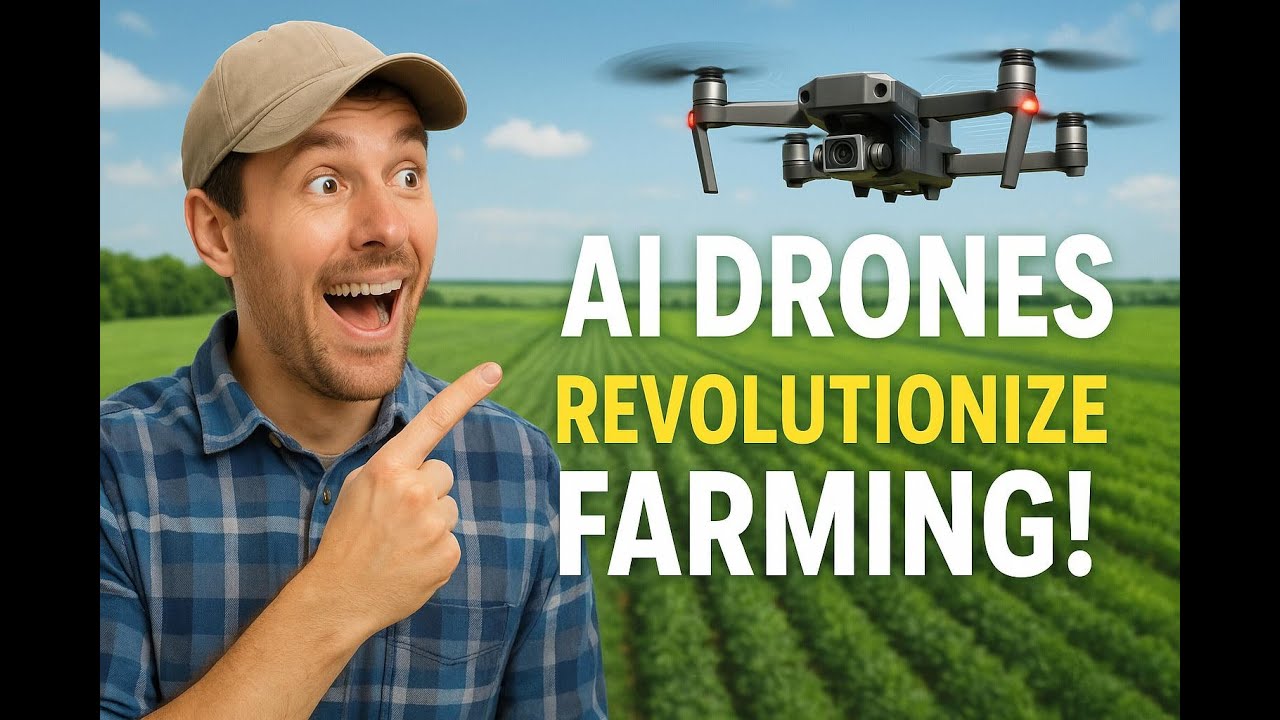
- 🎯 Precision agriculture—using sensors, drones, and satellite-based remote sensing—delivers real-time insights on crop health, soil moisture, and nutrient status.
- 📱 Field variability mapping empowers site-specific fertilizer application and irrigation, reducing waste and maximizing efficiency—particularly important in water-scarce regions of Zimbabwe.
- 💡 Drone imagery, multispectral satellite images, and on-field weather stations help monitor crop status—enabling timely application of inputs, pest management, and adaptive interventions.
- 🛰️ AI-driven analytics and platforms like Farmonaut offer carbon footprint monitoring to promote sustainable management and compliance with environmental targets.

Leveraging satellite, drone and IoT (Internet of Things) sensors, Zimbabwean farmers can access precision weather forecasts, detect crop stress early, and optimize resource allocation even in remote areas.
Deficit & Drip Irrigation Systems: Efficient Water Use
- 💧 Deficit irrigation—supplying water below maximum plant demand—enhances water use efficiency in maize, tobacco, horticulture and fruit orchards.
- 💦 Drip irrigation targets root zones, significantly reducing water waste and chemical runoff. This enables irrigation on agricultural land for sale in Zimbabwe and boosts high-value crop output—even during inconsistent rainfall seasons.
- 🌞 Solar-powered pumps and smart irrigation controllers further streamline water delivery, making sustainable water management accessible for smallholders and large estates alike.
Water Resource Management & Efficient Irrigation Solutions
Water scarcity defines the challenge and opportunity of modern zimbabwe agriculture production. Rainfall is geographically uneven and increasingly unpredictable—necessitating innovative technologies to stabilize crop yields and safeguard rural livelihoods:
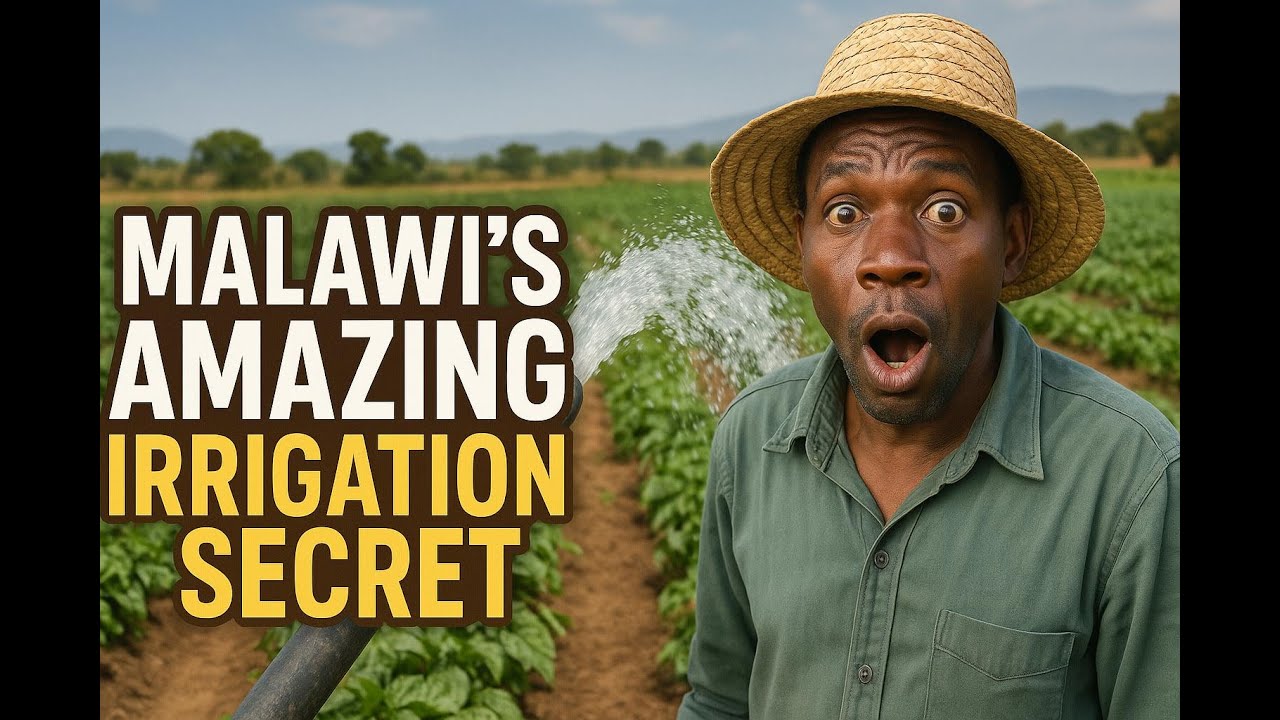
- ✔ Drip irrigation reduces water use by up to 60% versus traditional flooding—keeping crops hydrated during dry spells.
- ✔ Rainwater harvesting systems and on-farm mini-reservoirs help buffer seasonal lows and supply micro-irrigation.
- 📊 Efficient water delivery is crucial in plantation agriculture in Zimbabwe, forestry, and geranium/floriculture projects where water scarcity can undermine entire harvests.
- ⚠ Without proper water resource management, input investments and yields can fluctuate sharply, risking long-term land viability.
Developers and agribusinesses can harness Farmonaut’s Satellite API here or discover the developer documentation for seamless integration with irrigation management systems and smart farming apps.

Soil Health, Conservation Agriculture, and Biological Inputs
The central pillar of sustainable intensification in Zimbabwe is a commitment to enhanced soil health. Modern conservation agriculture is now being increasingly adopted to protect fragile arable land:
- 🌱 Minimum tillage reduces soil disruption, helping maintain structure, withstanding erosion, and retaining organic matter.
- 🌾 Cover cropping—planting legumes or grasses—improves nutrient cycling and carbon sequestration, enhancing soil water retention and biodiversity.
- 🍂 Mulching protects moisture and moderates soil temperature, particularly during stress periods in rainfall-deficit regions.
- 🔬 Biofertilizers and composting programs are increasingly complementing mineral fertilizers, reducing synthetic input dependency and enabling farmers to maintain resilience even as input prices fluctuate.

Agroforestry, Crop Diversification, and Plantation Agriculture in Zimbabwe
Resilient land stewardship often involves diversification & system integration—with techniques that favor robust yields, biodiversity conservation, and steady income for farmers. Zimbabwe’s agroforestry and plantation agriculture sectors provide powerful examples:
- 🌳 Nitrogen-fixing trees integrated with staple crops stabilize yields, provide microclimate moderation, and reduce pest pressures naturally.
- 🍂 Agroforestry in Zimbabwe supports land rehabilitation: perennial shrubs and timber trees prevent erosion, supply fuelwood, and create value-added income from timber and non-timber forest products.
- 🌾 Crop rotation and diversification with high-value horticulture, oilseeds, or floriculture increase resilience against market volatility and climate shocks.
Plantation Agriculture in Zimbabwe – Opportunities and Challenges
- ✔ Zimbabwe is a major producer of tobacco, sugarcane, coffee, and timber—each requiring sustainable irrigation and resource management.
- ✔ Opportunities abound in plantation agriculture, with agricultural land for sale in Zimbabwe attracting investors keen on sustainable systems.
- 📊 Timber plantations with certified, sustainable harvesting cycles now assure long-term land and biodiversity viability and active reforestation programs are in place.
- ✔ Managed forest products support rural economies while stabilizing ecosystem services—from carbon sequestration to rainfall regulation.
Access to Finance, Policy Support, and Enabling Rural Livelihoods
Scaling up sustainable agriculture technology Zimbabwe and new technologies requires more than science—a supportive policy environment and capital investment are crucial. Here’s how Zimbabwe is supporting farmers and the wider rural economy:
- ✔ Rural credit facilities and inclusive finance models enable smallholders to acquire irrigation, improved seed varieties, solar pumps, and post-harvest storage facilities.
- 📊 Public-private partnerships (PPP) and local cooperatives encourage joint investment in climate-smart infrastructure and technologies.
- ✔ Transparent market information systems reduce risk by giving farmers better price signals and access to new buyers.
- 📊 Secure land tenure and formalized land rights reduce investment risks and enable farmers to rehabilitate and invest in long-term productivity.
Discover how satellite-based verification for crop loans and insurance is streamlining access to finance for Zimbabwean farmers: Learn about Crop Loan and Insurance Services.
Access to finance—enabled by digital verification and transparent record-keeping—reduces risk, encourages innovation, and underpins the transition to sustainable systems in Zimbabwe agriculture production.
Post-Harvest Processing, Storage, and Market Access Innovations
Reducing post-harvest losses and increasing value-added processing are vital for market competitiveness and farmer incomes. Zimbabwean agriculture projects increasingly focus on robust infrastructure:
- 🍇 Clean, ventilated storage facilities and solar-powered drying units preserve surplus fruit and vegetable harvests, opening doors to value-added processing (essential oils, jams, dried fruit, flours, etc.).
- 🚚 Efficient cold chains are essential for high-value perishables, poultry, and dairy, improving access to regional export markets.
- 📦 Blockchain-based traceability, as offered by Farmonaut, increases product authenticity and opens new premium market opportunities in agriculture and forestry.
Traceability in agriculture and timber supply chains can be implemented with cost-effective blockchain solutions. Explore Farmonaut’s Traceability Tools.

Climate Risk Management and Resilience-Building for Farmers
Extreme weather—droughts, rainfall shifts, heatwaves—can undercut a year’s planning overnight. Successful sustainable agriculture technology Zimbabwe solutions embed climate-adaptive strategies at every level:
- ⚡ Early-warning systems backed by satellite monitoring alert farmers of incoming weather threats—offering crucial time to secure harvests and livestock.
- 🥇 Drought-tolerant and disease-resistant seed varieties boost resilience and stabilize productivity in staple crops.
- 💡 AI-based advisory tools, such as those on Farmonaut, empower farmers to adapt planting/harvesting cycles with seasonal forecasts and field-specific advice.
- 🛡️ Supply chain resilience is fortified by diversified cropping systems, market linkages, and access to information, ensuring shocks don’t turn into crises.
Comparison Table: Leading Sustainable Agriculture Technologies in Zimbabwe
| Technology Name | Estimated Yield Increase (%) | Water Savings (%) | Land Restoration Potential | Initial Investment Level | Local Adoption Rate (%) |
|---|---|---|---|---|---|
| Drip Irrigation | 20–35 | 45–60 | Medium | Medium | 15 |
| Conservation Tillage | 10–25 | 10–20 | High | Low–Medium | 35 |
| Agroforestry | 12–20 | 18–25 | High | Medium | 12 |
| Biological Pest Control | 8–16 | 5–10 | Medium | Low | 28 |
| Remote Sensing/AI Monitoring | 15–28 | 8–17 | Medium | Medium | 10 |
| Biofertilizers & Composting | 10–18 | 6–14 | High | Low | 32 |
Leveraging Farmonaut’s Satellite & AI Tools for Zimbabwean Farmers
As satellite technology and AI become mainstream, advanced solutions are increasingly affordable for agriculture projects in Zimbabwe—from large plantations to remote smallholder clusters. Here’s how Farmonaut’s platform supports sustainable agriculture technology Zimbabwe:
- 🛰️ Real-time Satellite Monitoring: Our platform uses multispectral imagery to assess crop health (NDVI), soil moisture and stress, and land use changes anywhere in Zimbabwe.
- 🤖 Jeevn AI Advisory: Offers custom advice, local weather, and risk warnings for farmers and agribusinesses.
- 🔗 Blockchain Traceability: Fosters trust and transparency for agriculture and timber product supply chains—essential for premium markets.
- 🔒 Environmental Impact Monitoring: Carbon footprint tracking supports compliance and sustainability in agriculture and mining.
- 🚜 Fleet Management Tools: Optimize logistics, vehicle, and machinery use for lower costs in plantation and large-scale projects.
- 🌾 Large-Scale Farm Management Platform: Centralized dashboards and reporting empower managers of plantations, cooperatives, and agribusinesses.
- 🌱 AI-Based Crop/Farm Advisory: Crop & Plantation Advisory for improving rotation, input timing, and water efficiency.
Frequently Asked Questions (FAQs)
Top 5 Benefits of Sustainable Agriculture Technology in Zimbabwe
- ✔ Boosted Yields: Precision interventions, better seed varieties, and efficient management push productivity higher.
- 💧 Water Conservation: Advanced irrigation and monitoring technologies reduce resource waste.
- 🌱 Improved Soil Health: Conservation and organic practices restore fertility and structure.
- 🔗 Stronger Market Access: Value-added processing and traceability open doors for premium and export markets.
- 📈 Resilience Against Climate Risk: Diversification, early warning systems, and AI advisory protect farmer incomes and future harvests.
5 Essential Strategies for Sustainable Agriculture in Zimbabwe
- 1️⃣ Adopt Precision Agriculture with satellite and AI-driven tools for real-time decision-making.
- 2️⃣ Upgrade Irrigation Systems to deficit, drip, or solar-powered models for resilient water management.
- 3️⃣ Protect and Enrich Soils with conservation, minimum tillage, and organic amendments.
- 4️⃣ Diversify Cropping with Agroforestry for land restoration and ecosystem services.
- 5️⃣ Invest in Storage and Processing coupled with traceability for consistent, high-value market access.
Conclusion: The Future of Sustainable Agriculture Technology Zimbabwe
The journey to resilient, high-yield, and climate-smart zimbabwe agriculture production is built on embracing innovation—across technologies, farming practices, finance models, and policy environments.
With advanced monitoring, smart irrigation, soil health-centric practices, and data-driven decision-making, Zimbabwe is on a path to secure the productivity and sustainability of its precious arable land. The emphasis on safeguarding biodiversity, water, and rural livelihoods ensures food security and opportunity for millions.
As we move forward, the integration of satellite, AI, blockchain, and digital advisory systems—including those available through Farmonaut’s platforms and APIs—will underpin the next generation of sustainable agriculture projects in Zimbabwe. Enabling access to these solutions for all—from smallholders assessing agricultural land for sale in Zimbabwe to large estate managers—will anchor growth and prosperity within a thriving, eco-friendly rural economy.

 Godrej Agrovet
 Hayleys Agriculture
 Linx Agritech
 Adinet
 Save Your Soils
 GalaxEye Space
 Grandstream Algérie
 XOS Realty
 Geospatial Lab Africa
 Agro La Gándara
 HIPSAC
 ZOL Zimbabwe
 Juligerm
 AdBio
AdBio MISE Maroc
 NWNS
NWNS Red August Group
 Farm Inc
 WeMe Global
 Agrotoken
 Blue BearX
 Insignito
 DnCubed
 Indosistim Teknologi
 Liquify Digital
 CU Foods
 BeyondTech Global
 Rouge VC
 AgroRisk
 Oath Inc
 Esri North East Africa
 MDCV UK
 Etech Consulting Madagascar
 Vestlandsforsking
 WB Dev
 Sama Premium
 Tres Valles
 Blickwinkel
 Agricultural Credit Policy Council
 eKGIS
eKGIS Mostas Tech
 Andex
Andex Deluxe Conseil
 WICO
WICO Chimera Innovation
 SkyHarvest
 Teledarbas
 Exurbia Geospatial
 FieldZero
