

Tobacco Farming Zimbabwe: 7 Key Challenges & Opportunities 2025
“Zimbabwe exported over 200 million kg of tobacco in 2023, making it Africa’s largest tobacco producer.”
Table of Contents
- Summary: Tobacco Farming in Zimbabwe, Challenges, and Prospects 2025
- Overview of Tobacco Farming in Zimbabwe
- The Role of Contract Farming in Zimbabwe’s Tobacco Sector
- Export Trends & Global Market Dynamics
- 7 Key Challenges & Related Opportunities for Tobacco Farming Zimbabwe
- Comparison Table: Major Challenges vs. Opportunities in Zimbabwe’s Tobacco Farming (2025)
- Satellite Technology: Farmonaut’s Role in Supporting Tobacco Farming Zimbabwe
- Prospects for 2025 and Beyond
- Frequently Asked Questions
- Farmonaut Subscription Options
Summary: Tobacco Farming in Zimbabwe, Challenges, and Prospects 2025
Tobacco farming in Zimbabwe remains a cornerstone of the nation’s agricultural economy, underpinning rural livelihoods and serving as one of the primary sources of foreign exchange. Despite mounting global regulatory pressures, shifting consumer behavior, and climate variability, Zimbabwe tobacco farming continues to demonstrate both resilience and adaptability. As we explore the sector’s future into 2025 and beyond, it’s clear that the industry is shaped by a complex interplay of market dynamics, contract farming practices, export opportunities, challenges, government policies, and innovations.
In this comprehensive analysis, we will dissect the “7 Key Challenges and Opportunities” shaping tobacco farming Zimbabwe, explore the role of contract farming, analyze export and market trends, and assess future prospects for farmers and the industry at large.
Overview of Tobacco Farming in Zimbabwe
Tobacco farming in Zimbabwe accounts for a highly significant portion of the country’s commercial agriculture. Primarily situated in Mashonaland (East, West, and Central) and Manicaland—known for their favorable agro-ecological zones—these regions boast fertile soils and optimal climatic conditions for tobacco production. Virginia tobacco is predominately grown and remains in high demand on international markets, with its famed quality commanding prime prices abroad.
The sector supports hundreds of thousands of smallholder farmers, plus a larger ecosystem encompassing curing, logistics, marketing, and associated value chains. In 2024, Zimbabwe exported over 200 million kilograms of tobacco, cementing its place among the world’s largest exporters. The leading importer continues to be China, underpinning the global significance of the Zimbabwe tobacco sector. The contribution of tobacco export earnings is critical, helping offset trade deficits and stabilize foreign currency reserves for the country.
The tobacco industry thus remains one of Zimbabwe’s essential pillars, even as it faces rising global scrutiny and market shifts.




Zimbabwe Tobacco Farming: Major Regional Hubs
- Mashonaland East, West, Central: Dominates tobacco production—well-suited due to rainfall, soils, established infrastructure.
- Manicaland: Known for high-quality tobacco and skilled smallholder farmers—a crucial region as climatic zones shift.
Tobacco’s Value Chain in Zimbabwe
- Input supply (seed, fertilizer, agrochemicals)
- Cultivation by smallholder & commercial farmers
- Curing, grading, and packing
- Transport & logistics (from farm to auction/contract companies)
- Marketing (auctions, contract floors)
- Export (bulk and processed tobacco)
The sector employs thousands of workers along this chain, providing direct and indirect livelihoods.
Importance of Tobacco for Zimbabwe’s Economy
- Accounts for up to 10-12% of total export earnings annually.
- Supports economic resilience by stabilizing foreign currency reserves.
- Is vital for addressing persistent trade deficits in the country.
“Over 85% of Zimbabwean tobacco farmers now operate under contract farming agreements, shaping the industry’s future.”
The Role of Contract Farming in Zimbabwe’s Tobacco Sector
A defining feature of modern tobacco farming in Zimbabwe is the widespread prevalence of contract farming. Today, most farmers operate under contract, where large tobacco companies or merchants sign agreements with growers ahead of the season to secure the bulk of their future production.
How Tobacco Contract Farming in Zimbabwe Works
- Pre-season agreements: Farmers and tobacco merchants/companies sign contracts for a specified volume and quality of leaf.
- Input provision: The contract company provides seed, fertilizer, agrochemicals, and advice as inputs, either on credit or subsidized basis.
- Technical support: Extension services and technical support may be bundled, helping improve yields and grade (quality).
- Repayment: On delivery, value of the provided inputs and services is deducted from the farmer’s payment—actual earnings depend on volume, grading, and market price.
- Market access & quality: The company ensures a steady supply of product and can enforce quality control through field inspections and extension.
This model enables farmers (especially smallholders) to gain access to otherwise unaffordable inputs, technical support, and often, more stable market access.
Pros and Cons for Farmers
- Pros: Access to credit, guaranteed buyer, technical services, reduced marketing costs, higher quality and yields.
- Cons: Risk of indebtedness, uncertainty in final prices, sometimes unfavorable contract terms, potential for company control over farm decision-making.
The government and Tobacco Industry and Marketing Board (TIMB) actively regulate contract frameworks, promoting fairness—especially for vulnerable smallholder participants.

Why Contract Farming Dominates
- Helps secure steady supply and quality for exporters.
- Facilitates access to finance where conventional banking/loans are scarce.
- Promotes adoption of modern farming practices through bundled extension and regular monitoring.
Market Changes: The Shift from Auction to Contract
Once reliant on tobacco auction floors, Zimbabwe has seen a massive shift towards contract markets: In 2023, over 85% of sales occurred under contract, with the remaining volume sold via auctions. This shift brings both stability and tighter oversight.
Export Trends & Global Market Dynamics in Zimbabwe Tobacco Farming
As one of the largest exporters of tobacco in Africa—and globally—Zimbabwe’s farming sector is heavily oriented toward international markets. Exported volumes exceeded 200 million kilograms in 2024, with key markets in China, the European Union, and the Middle East.
Global Trends Shaping Zimbabwe’s Tobacco Industry
- Regulatory pressures: Growing anti-tobacco policies worldwide, including stricter import rules and health-related labeling.
- Demand shifts: Changing consumer behavior, rising e-cigarette/vaping use, and health movements impact raw leaf demand.
- Quality and traceability: Markets now demand enhanced crop traceability (see blockchain-based product traceability solutions) and cleaner, environmentally responsible production.
- Diversification: Increasing importance of finding new buyers to counter shifting trends in traditional markets.
These forces demand adaptability from both farmers and exporters, incentivizing sustainable farming, improved quality control, and better technology adoption.
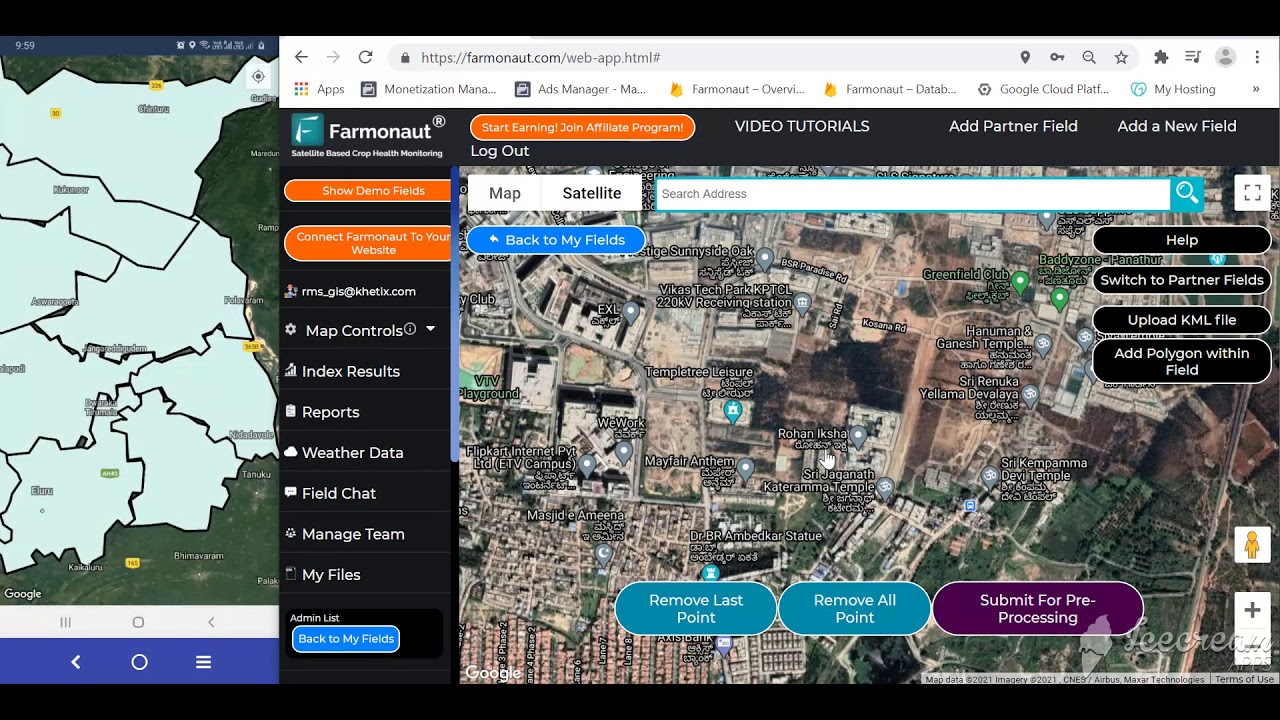
Zimbabwe Tobacco Export Performance: 2024-2025
- China: Remains the largest importer, purchasing over 40% of annual tobacco output.
- EU & Middle East: Additional significant markets, albeit more affected by regulations and demand shifts.
- Price volatility: Due to fluctuating currency, global supply/demand changes, and local input costs.
Key Export Opportunities
- Premium positioning: Zimbabwean flue-cured tobacco is prized for flavor and burn; maintaining this quality is critical for high-value markets.
- Traceability: Technologies like blockchain traceability (highlighted below) are boosting confidence among international buyers and regulators.
- Regional markets: Opportunities to export to neighboring African countries with rising demand.
7 Key Challenges & Related Opportunities for Tobacco Farming Zimbabwe
The following section presents a detailed analysis of seven major challenges facing tobacco farming Zimbabwe in 2025, each paired with related opportunities that could determine the sector’s future prosperity and resilience.
-
Climate Change and Environmental Stress
- Rising temperatures, unpredictable rainfall, and more frequent droughts are disrupting traditional tobacco cycles and diminishing yields.
- Opportunity: Adoption of climate-smart agriculture: efficient irrigation (see Malawi Irrigation Tech 2025 – YouTube), drought-resistant seeds, agroforestry, and modern resource management.
-
Economic and Currency Volatility
- Persistent inflation, unstable exchange rates, and input (fertilizer, seed, agrochemicals) price spikes threaten farmer return.
- Opportunity: Enhanced access to crop loan and insurance verification with satellite data, group input buying, better contract frameworks.
-
Global Anti-Tobacco Regulations & Market Access
- Stringent international standards—traceability, safety, child labor, and sustainability certifications—shape export success.
- Opportunity: Investment in blockchain-based traceability platforms to assure buyers and gain market entry.
-
Land Reform & Smallholder Structure
- The dominance of smallholder and communal farms often limits access to mechanization, information, and market intelligence.
- Opportunity: Mobile extension platforms, digital advisory services, and scalable technological solutions targeting smallholders.
-
Contract Farming: Indebtedness and Pricing Uncertainty
- Farmers risk being locked in cycles of debt due to fluctuating input/output prices and contract terms.
- Opportunity: Improved transparency and contract management, farmer education, and regulatory oversight.
-
Rising Input Costs
- Fertilizer and agrochemical inflation compresses profit margins, making input access critical.
- Opportunity: Subsidized input schemes, efficient application methods enabled by satellite monitoring, and input use optimization.
-
Labor Shortages & Land-Use Competition
- Competition for land from food crops, plus the exit of rural youth, causes labor and land use pressures.
- Opportunity: Mechanization, youth-targeted extension services, and value-addition schemes.
Comparison Table: Major Challenges vs. Opportunities in Zimbabwe’s Tobacco Farming (2025)
| Key Challenge | Related Opportunity |
|---|---|
| Climate variability (Yield losses up to 30% during drought years) |
Drought-resistant seeds, satellite-based monitoring, and modern irrigation adoption (Possible yield increase of 10–20% with improved practices) |
| Uncertain contract pricing & farmer indebtedness | Transparent contracts, digital payment tracking, and extension services for financial literacy |
| Inflation & input cost inflation (Average fertilizer cost up 24% in 2024) |
Input pre-financing, bulk input buying, satellite-guided input optimization (Farmers can save 10–15% using targeted applications) |
| Export restriction risks & global competition | Diversification of international markets, product quality and traceability upgrades, and value-add processing (Up to 7% export growth estimated for value-added tobacco products) |
| Labor shortages & land competition | Mechanization, youth-targeted extension, and sustainable land use incentives (20% decrease in labor costs possible via basic mechanization) |
| Information gaps for smallholders | Mobile apps, satellite advisory tech, and group extension models |
| Sustainability scrutiny & environmental regulations | Certification, carbon footprint tracking, and sustainable land management (Carbon footprint solutions used for regulator and retailer assurance) |
How Satellite Technology & Farmonaut Support Tobacco Farming Zimbabwe
As tobacco farming in Zimbabwe makes the transition to more data-driven, sustainable, and transparent production, satellite solutions are rapidly gaining prominence. We at Farmonaut offer pioneering services to bridge this technology gap and empower farmers, companies, and regulators in the Zimbabwe tobacco sector.

Farmonaut’s Satellite-Powered Value for Zimbabwe Tobacco Farmers
-
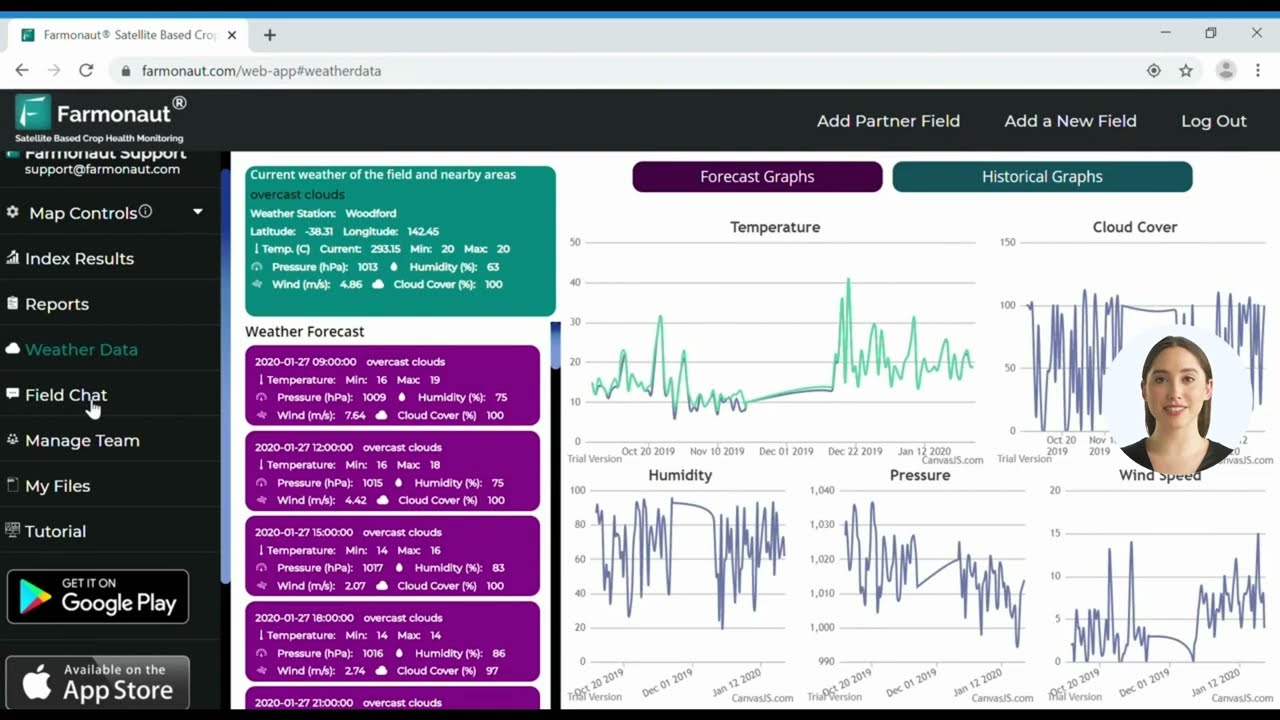
Crop Health Monitoring: Using satellite NDVI and multi-spectral imaging, we provide real-time field assessments, letting farmers and companies detect crop stress & pest pockets early, pinpoint irrigation need, and optimize input use—boosting quality and yields sustainably.
See Farmonaut’s large scale field, plantation, and farm management tools for Zimbabwe tobacco operations
- Resource and Input Management: Fleet and resource management tools help optimize use of tractors and machinery, reduce operational costs, and improve efficiency across the value chain from field to logistics.
- Environmental Impact Monitoring: Carbon footprint tracking and emissions monitoring are built in. These tools help meet retailer and exporter sustainability requirements and support compliance with environmental policies.
- Blockchain Traceability: Blockchain-based solutions provide tamper-resistant records of crop life-cycle, field locations, inputs used, and movement—crucial for export certification, market entry, and combating fraud.
- Loan & Insurance Verification: We offer satellite-driven services for crop loan and insurance, which help Zimbabwe tobacco farmers access crucial finance and reduce risk for lenders.
- Mobile & API Access: Our solutions are available via:
Digital Extension & Advisory: Closing Smallholder Information Gaps
- Our satellite-powered platform and AI-powered advisory system provide instant feedback on weather risk, field health, and input needs—helping both large and smallholder tobacco farmers.
- Mobile accessibility bridges gaps especially for those far from district extension offices.

Data-Driven Sustainability: For 2025 and Beyond
- Sustainable resource management and emission reduction are now critical to Zimbabwe tobacco farming. Our platform delivers actionable data for long-term planning and compliance.
- We make these technologies affordable and accessible (see Farmonaut Subscription Options below).
Prospects for 2025 and Beyond: Towards a Balanced Tobacco Sector
Tobacco farming in Zimbabwe will remain a vital—if evolving—part of the country’s agricultural economy and export landscape as we look to 2025 and the coming decade. The contract farming system will continue underpinning production volume and quality, but will require continuous improvement—greater transparency, financial literacy, and regulatory oversight to balance both farmer welfare and exporter requirements.
New technologies—especially environmental impact monitoring and carbon footprinting, fleet/resource management, and traceability solutions—will become essential for international competitiveness and compliance with evolving market demands. Diversification, value-addition (e.g., local manufacturing, processed tobacco, and alternative crops), and expanded digital extension services will further anchor sector resilience.
Zimbabwe tobacco farming’s future prospects—despite challenges—are bright if the sector remains proactive in adopting innovative and sustainable solutions, risk-sharing business models, and global best practices.
Frequently Asked Questions (FAQ)
What is the current outlook for tobacco farming in Zimbabwe in 2025?
Zimbabwe tobacco farming remains resilient and vital to the national economy despite facing major challenges related to climate, market trends, input costs, and regulatory change. The outlook is increasingly tied to global market conditions and success in adopting innovative technologies, sustainable practices, and new value chains.
How has contract farming shaped the tobacco sector?
Tobacco contract farming in Zimbabwe has emerged as the dominant system for both supply security and input support. While it gives farmers access to credit and inputs, it also creates new risks—such as pricing volatility and possible indebtedness. Regulatory improvements are ongoing to protect smallholder interests.
What are Zimbabwe’s major export markets for tobacco?
The main markets are China, the European Union, and several Middle East countries. Emerging opportunities exist in African and Asian markets as regulatory & consumer shifts continue globally.
What support do farmers receive for climate resilience?
There’s a growing emphasis on climate-smart agriculture: drought-resistant varieties, efficient irrigation (including solar pumps), and satellite data to track field-level conditions. New policy incentives and extension programs target these objectives.
How can technology help address input and operational cost challenges?
Platforms like Farmonaut provide satellite crop monitoring, resource management, carbon footprint tracking, and traceability—delivering actionable insights to cut costs, comply with international standards, and unlock finance for farmers.
How can farmers and agri-businesses use Farmonaut’s platform?
Our tools are available via web & mobile app and API. Through these, users access crop health maps, weather forecasts, advisory, resource management, and more—for fields of any size.
Where can I learn more about Farmonaut’s products and developer integration?
Explore our developer documentation for API integration, as well as specialized tools such as carbon footprint tracking and satellite loan/insurance verification.
Farmonaut Subscription Options
We offer scalable, affordable pricing plans to democratize access to advanced satellite-based monitoring and resource management for tobacco growers and agri-businesses in Zimbabwe.
Conclusion: Charting a Resilient Future for Tobacco Farming in Zimbabwe
Tobacco farming, though at a crossroads, remains a crucial pillar of Zimbabwe’s economy and rural livelihoods. As we move deeper into 2025 and beyond, successfully navigating the challenges—from climate risk to export competition—will depend on continued innovation, adoption of technology, and policy support.
Satellite-based solutions from Farmonaut can empower tobacco farmers, contractors, and companies to rise above hurdles, maximize yield and quality, and meet both national and global market expectations for sustainability, traceability, and profitability.
Discussion
Questions, corrections or field experience? Share them below. First-time comments are reviewed before they appear, and your email is never published.
No comments yet. Be the first to add a question or your experience.

 AgriBazaar
 Geno
Geno Hayleys Agriculture
 Linx Agritech
 Adinet
 Save Your Soils
 Grandstream Algérie
 XOS Realty
 Geospatial Lab Africa
 Agro La Gándara
 HIPSAC
 ZOL Zimbabwe
 Juligerm
 AdBio
AdBio MISE Maroc
 NWNS
NWNS Red August Group
 Farm Inc
 WeMe Global
 Licence holder · Niger · Gold










