

Table of Contents
- Why is Agriculture Important in South Africa?
- Agriculture and the Heart of the South African Economy
- Employment and Rural Livelihoods: Powering Communities
- Food Security, Nutrition, and Domestic Production
- Rural Development, Empowerment, and Transformation
- Environmental Stewardship and Sustainable Practices
- Why is Soil Important in Agriculture?
- Soil Health and Its Impact on Farming
- Why Farming is Important in South Africa
- Agriculture Jobs in South Africa: Trends and Future Opportunities
- Comparative Overview: Agriculture’s Impact on South Africa
- Farmonaut: Empowering Smart, Sustainable Agriculture
- FAQs About Agriculture in South Africa
Why is Agriculture Important in South Africa: Top Reasons
Why is agriculture important in South Africa? This question sits at the crossroads of economics, sustainability, food security, and social inclusion. With 2026 approaching, agriculture remains the backbone of South Africa’s economy and rural development strategy. Key sectors such as crops, fruits, wine, sugar, citrus, and livestock products not only generate critical export earnings, but also support millions of jobs across urban and rural communities.
We cannot discuss advancing towards a more sustainable and climate-resilient nation without placing agriculture and soil at the center of our efforts. These systems underpin food security, community empowerment, and future resilience—all vital for a healthy and thriving society. In this comprehensive guide, we’ll explore every dimension of South African agriculture:
- Economic impact & export power
- Rural and urban employment
- Food sovereignty & nutritional security
- Sustainable environmental stewardship
- The foundational role of soil
- Modern farming, job trends, and future skills
Agriculture and the Heart of the South African Economy
Agriculture sits at the very heart of South Africa’s economy. Beyond direct crop and livestock production, it fuels regional value chains, supports agro-processing industries, and anchors export revenues that drive national growth.
- ✔ Economic Backbone: Contributes ~2.5% to South Africa’s GDP and remains a critical driver of employment and growth.
- 📊 Exports: Generates billions in earnings annually from leading products—citrus, wine, sugar, fruit, and livestock.
- ⚠ Stability Risk: Agricultural value chains are sensitive to climate and international market fluctuations, underscoring a need for sustainability and resilience in planning.
- ✔ Regional Impact: Anchors regional economies from inputs (seeds, fertilizer) to markets (urban and global).
- 📊 Agro-Processing: Supports fast-growing sectors like food processing, packaging, logistics and export.
Example: South Africa is one of the world’s top exporters of citrus, and a leading African exporter of wine and table grapes. This export momentum supports incomes across farming, transport, logistics, and sales industries.

Employment and Rural Livelihoods: Powering Communities
Agriculture jobs in South Africa serve as a lifeline for millions. Not only does it provide direct jobs for farmers, farm workers, and agro-processors; it supports a much broader circle of related activities like packaging, logistics, marketing, and informal food trading.
Rural areas especially depend on agriculture for income, food access, and the ability to withstand economic or climatic shocks.
- ✔ Diverse Opportunities: Careers span crop and livestock farming, agronomy, soil science, logistics, marketing, and research.
- ✔ Social Mobility: Agriculture jobs reduce poverty and improve household food access across diverse communities.
- 📊 Employment Impact: One of the largest rural employers in South Africa—key for youth employment and economic inclusion in 2026 and beyond.
- ✔ Rural Resilience: Income from farming and related activities anchors rural economies, making them less prone to out-migration or poverty traps.
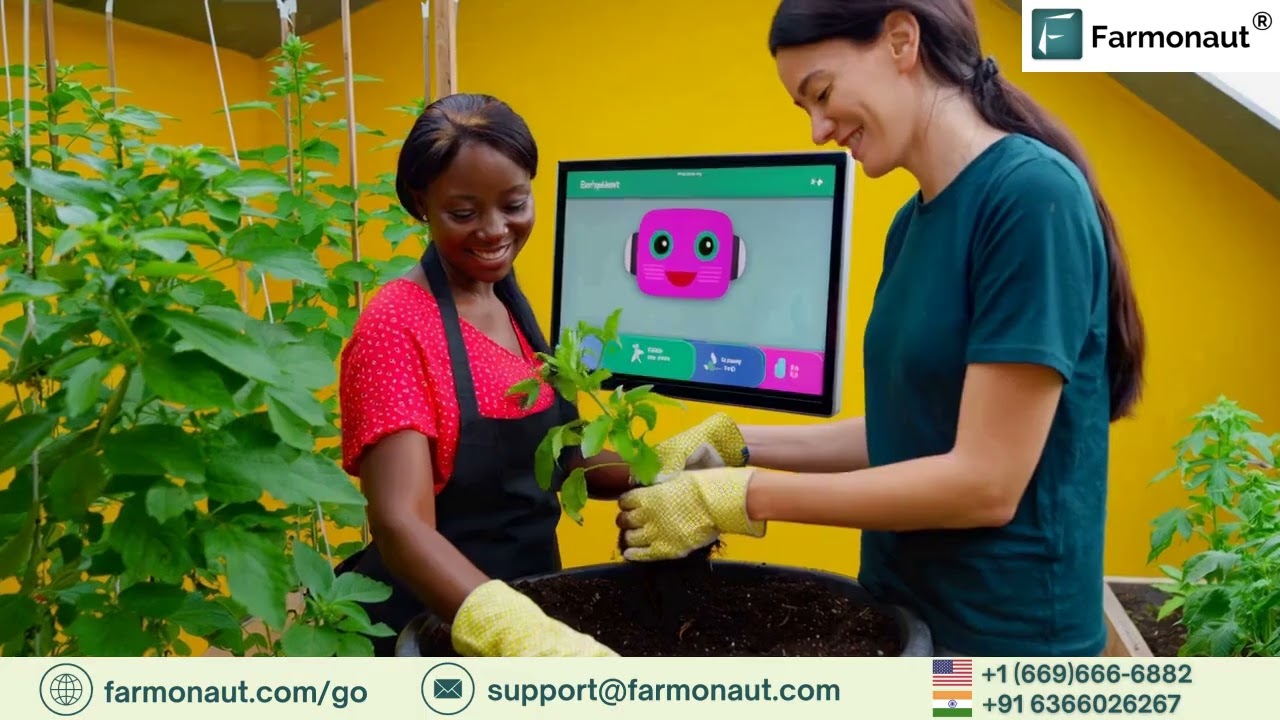
Discover how our Large Scale Farm Management tools help boost agricultural efficiency, employment monitoring, and equitable rural development—empowering every stakeholder up to 2026.
🌱 Key Benefits of Agricultural Employment
- 🧑🌾 Supports diverse livelihoods in farming, agribusiness & supply chains
- 👩🎓 Develops skills, modern agronomy & food technology expertise
- 🌍 Reduces poverty and strengthens rural economies
- 🧒 Youth employment and skills transfer to next generations
- 💼 Entrepreneurship opportunities in agri-processing & value-added services
Food Security, Nutrition, and Domestic Production
Food security is a cornerstone of stability and health, making the question of why is agriculture important in South Africa intrinsically linked with every family’s daily reality. Local, sustainable food production lowers our reliance on imports, stabilizes prices, protects against global shocks, and ensures steady access to nutritious food across all communities.
- ✔ Domestic Food Production: Ensures food sovereignty and buffers against international price volatility
- 📊 Nutrition & Health: Diverse local crops improve public health outcomes by expanding access to vitamins, minerals, and dietary variety
- ✔ Supply Stability: Local production reduces food deserts, especially in marginalized rural and urban communities
Improved domestic production also contributes to lower food prices, especially critical during periods of global supply chain disruption (as seen post-2020). Ensuring that staple crops are grown, processed, and distributed sustainably is central to national food strategy into 2026 and beyond.
Explore our Crop Loan & Insurance solutions. They’re designed to help South African farmers optimize investments and gain quick access to necessary credit, reducing risk and strengthening food security for every community.
Rural Development, Empowerment, and Transformation
Why is agriculture important in South Africa? Because it sits at the center of rural development and transformation. Agriculture doesn’t just provide jobs—it actively empowers individuals and communities, fosters equitable development, and enables the success of land reform programs.
- ✔ Community Empowerment: Through co-operatives, extension services, credit, and training, agriculture empowers rural households.
- ✔ Transformation: A key driver of land reform, unlocking equality and access to productive resources.
- ⚠ Risk: Insufficient support for smallholder farmers can widen inequality; accessible financial and technical services are necessary.
- ✔ Inequality Reduction: By investing in smallholder capacity and inclusion, agriculture reduces rural-urban gaps and fosters national harmony.
In rural areas throughout Limpopo, Mpumalanga, KwaZulu-Natal, and the Western Cape, the presence of dynamic agriculture supports not only economic transformation but also cultural identity, inter-generational skills, and land heritage.
Environmental Stewardship and Sustainable Practices
2026 poses ongoing climate and environmental challenges for South Africa: frequent droughts, unpredictable rainfall, floods, and pest outbreaks. Agriculture, when managed with stewardship in mind, is key to climate resilience and long-term productivity.
- ✔ Soil Health: Sustainable practices preserve soil fertility, organic matter, and structure, ensuring strong yields for the future.
- ✔ Water Management: Smart irrigation, catchment protection, and water retention strategies conserve this scarce resource.
- ✔ Biodiversity: Farms that integrate conservation buffers, agroforestry, and pollinator corridors protect native flora and fauna.
- ✔ Climate Change Mitigation: Healthy soils store carbon and buffer landscapes from environmental shocks.

🌍 Visual List: Top Environmental Practices in South African Agriculture
- 🌱 Conservation tillage to reduce erosion
- 🪵 Agroforestry for biodiversity and carbon storage
- 🚰 Drip irrigation for smart water use
- 🧑🔬 Precision fertilizer management to limit runoff
- 🦉 Biological pest control to protect pollinators and reduce chemicals



Why is Soil Important in Agriculture?
Soil is the foundation of a resilient agricultural landscape in South Africa. Its health directly affects crop vigor, yields, nutrition, and the wider ecosystem. Thus, when we ponder why is soil important in agriculture, we’re really asking how to secure our future as a food-producing nation.
- ✔ Productivity Anchor: Healthy soils ensure steady yields, quality crops, and lower input costs
- ✔ Water Retention: Good soil structure improves infiltration, reducing irrigation demand
- ✔ Nutrient Cycling: Soil biodiversity recycles nutrients, controls disease, and supports pollinator health
- ✔ Carbon Storage: Soils sequester carbon, directly mitigating climate change
- ✔ Future Security: Protecting soil quality now ensures ongoing productivity for future generations
Practical Aspects of Soil Management are often undervalued in public discussion, even though they underlie both yield stability and sustainability. Below is a focused look at why soil health matters and how best practices can enhance farming’s future in South Africa:
🌾 Best Practices for Soil Stewardship
- 🔬 Test soil pH, organic content, and texture for targeted fertilizer application
- ♻️ Incorporate organic matter (cover crops, manure, mulching)
- 🌿 Reduce tillage to maintain microbial health and soil structure
- 🛡️ Prevent erosion through contour farming, grass strips, and windbreaks
- 🐞 Encourage beneficial soil organisms for natural pest & disease suppression

Advanced solutions like Farmonaut’s Carbon Footprinting platform help monitor soil carbon and emissions, driving more transparent, sustainable, and compliant soil management practices on every farm.
Soil Health and Its Impact on Farming
Let’s dig deeper into why is soil important for agriculture by exploring the direct, practical value of healthy soils. South African farms face frequent droughts, floods, and pest pressure. Healthy soils provide:
- ✔ Yield Stability: Healthy soils buffer crops against drought and disease, maintaining steady yields even in tough years.
- ✔ Input Efficiency: Soil fertility maps guide targeted fertilizer use, reducing waste and costs.
- ✔ Water Management: Good soil structure improves water infiltration and retention, lowering irrigation needs and conserving resources during dry spells.
- ✔ Pest & Disease Suppression: Soil biodiversity keeps harmful organisms in check, creating a natural resilience against outbreaks.
- ✔ Long-term Sustainability: Healthy soils keep land productive for future generations—securing South Africa’s food system.
Learn about product traceability and how blockchain-enabled systems ensure food safety from soil to fork, boosting consumer confidence in sustainable South African produce.

Why Farming is Important in South Africa
Why farming is important spans economic, social, and environmental realms. Farming guarantees food sovereignty for South African communities, supports rural resilience, and preserves cultural identity and diverse landscapes. Its role becomes even more crucial as climate change and resource scarcity intensify.
- ✔ Food Sovereignty: Local farming buffers South Africa against global market shocks and ensures nutritious, affordable produce for every community.
- ✔ Resilience Through Diversity: Crops, livestock, and agroforestry systems spread risk, stabilize incomes, and support rural customs.
- ✔ Innovation & Skills: Modern farming builds expertise in water management, pest suppression, and sustainable fertilization.
- ✔ Environmental Health: Integration with biodiversity conservation and regenerative practices enhances wider ecosystem services.
- ✔ Heritage: Agricultural landscapes define South Africa’s cultural fabric and attract tourism, while transmitting traditional wisdom to new generations.
Explore our Fleet Management solution—streamline agricultural logistics, reduce costs, and optimize equipment usage for efficient modern farming.
Agriculture Jobs in South Africa: Trends and Future Opportunities
As we approach 2026, agriculture jobs in South Africa are evolving rapidly—blending traditional roles with new technological, environmental, and entrepreneurial skills.
- ✔ Role Diversity: Beyond farm workers and managers, the sector needs agronomists, soil scientists, climate adaptation specialists, AI/data analysts, and value chain innovators.
- ✔ Smallholder Emphasis: Investment and support are growing for smallholder farmer skills, technology adoption, and market access.
- ✔ High-Demand Skills (2026+):
- 🛰️ Remote sensing & satellite data interpretation
- 💧 Irrigation efficiency and water management
- 🌱 Sustainable soil and fertilizer practices
- 🦟 Pest and disease management with eco-friendly approaches
- 🌍 Climate-smart and regenerative agriculture
- 🧑💻 Agri-entrepreneurship and supply chain tech
- ✔ Emerging Roles: Green energy technicians, precision agriculture professionals, agro-tourism leaders, and traceability managers are all seeing increased demand.
Are you interested in integrating cutting-edge environmental data and skills into your business or career? Explore our API solutions:
Farmonaut API |
API Developer Docs
Comparative Overview: Agriculture’s Impact on South Africa
Farmonaut: Empowering Smart, Sustainable Agriculture
The future of agriculture in South Africa will rely on the intelligent integration of data, technology, and environmental stewardship. At Farmonaut, we are committed to making these solutions accessible across sectors, supporting everyone from individual farmers and cooperatives to large agribusinesses and financial institutions.
Our key offerings include:
- 🌐 Real-time satellite monitoring for crop and soil health, water use, and yield insights
- 🧠 Jeevn AI Advisory System for tailored, data-driven farm management strategies
- 🔗 Blockchain-based traceability to boost transparency and trust in agri-supply chains
- ⚡ Fleet and resource management to streamline logistics and reduce operational costs
- 🌱 Environmental impact monitoring for carbon, water, and biodiversity stewardship
Explore our Agronomy and Plantation Advisory Services for tailored, satellite-backed recommendations on crop choice, soil amendment, and climate-smart practices.
Our value proposition:
Affordable, scalable, and data-driven tools to strengthen food security, boost resource efficiency, and empower rural livelihoods. Choose Farmonaut for trusted, actionable agricultural insights for 2026 and beyond.
FAQs About Agriculture in South Africa
What are the most important crops in South African agriculture?
South Africa’s most important crops include maize, wheat, sugarcane, citrus, grapes, and a wide variety of vegetables. These not only sustain local food supplies but also generate vital export revenues.
How many people rely on agriculture jobs in South Africa?
Over 800,000 people are directly employed in agricultural activities, supporting nearly 8% of the national workforce and the majority of rural households.
Why is soil important for agriculture in South Africa?
Healthy soils underpin productivity, crop quality, water retention, and resilience against drought and pests. Protecting soil is key for future food security, sustainable yields, and climate adaptation.
How is technology shaping agriculture jobs in South Africa?
Technology is rapidly enhancing skill requirements—demand for satellite data analysts, AI-powered advisory roles, climate-smart farming, irrigation specialists, and digital agri-business experts keeps growing. Digital transformation creates new, high-value jobs and more resilient careers.
Where can I access smart farming solutions relevant to South Africa?
Visit Farmonaut for real-time satellite monitoring, advisory systems, and digital tools customized for African agriculture in 2026 and beyond.
🌟 Five Key Takeaways for 2026 & Beyond
- ✔ Agriculture remains the economic and social backbone of South Africa
- ✔ Soil health and smart water management drive future productivity and climate resilience
- ✔ Sustainable farming ensures jobs, food security, and equality for millions
- ✔ Digital skills and technologies create high-value, future-proof agricultural careers
- ✔ Environmental stewardship today secures prosperity for generations
Discussion
Questions, corrections or field experience? Share them below. First-time comments are reviewed before they appear, and your email is never published.
No comments yet. Be the first to add a question or your experience.

 MWS Research Centre
 FieldZero
 Indico Company
 Kubota
 FFBS
FFBS Jontra
 Kalustyan
 Tucor
Tucor Geno
Geno Hayleys Agriculture
 Linx Agritech
 Adinet
 Save Your Soils
 Licence holder · Niger · Gold










