

Table of Contents
- Introduction: The Rising Strategic Value of Rare Earths Minerals
- What Are Rare Earths Minerals?
- Mining Rare Earths: Challenges and Techniques
- Global Supply Chain & Strategic Outlook for 2026
- Top Applications of Rare Earth Elements in 2026 & Beyond
- Sustainability & Social Responsibility in Rare Earth Mining
- Comparative Strategic Outlook Table: Key Rare Earths Minerals
- Future Innovations & Emerging Technologies in Rare Earths Mining
- Farmonaut Satellite Insights: Powering Sustainable Mining
- FAQ: Rare Earths Minerals & Strategic Mining Outlook
- Conclusion & Strategic Vision for 2026 and Beyond
“In 2025, over 90% of global rare earths supply will come from just three countries.”
Rare Earths Minerals: Strategic Mining Outlook 2026 & Beyond
Summary: The Strategic Importance of Rare Earth Minerals in Modern Mining and Industry (2025 Perspective)
Rare earths minerals have become indispensable to the landscape of modern industry and technology. Despite their name, these elements are relatively abundant within Earth’s crust, but their extraction and refining remain significant environmental and technical challenges. As we head into 2026, rare earths are at the heart of emerging technologies, electric vehicle batteries, defense systems, and renewable energy—making their mining, supply, and sustainability an urgent global and national security priority.

What Are Rare Earths Minerals?
Rare earths minerals—often simply called rare earths—refer to a group of 17 chemically similar elements: the 15 lanthanides plus scandium and yttrium. These elements, which include names like neodymium, dysprosium, terbium, and more, have magnetic, luminescent, and electrochemical properties that make them critical components for modern technological devices and systems.
Each element in the group, and how they differ, is explained in the 17 rare earth metals defined.
- Magnetic Properties: Essential in the manufacture of permanent magnets used in electric motors and renewable energy turbines.
- Luminescent Properties: Integral to high-efficiency lighting and display technologies such as LED and LCD screens.
- Electrochemical Properties: Make them indispensable in the production of rechargeable batteries, catalysts, and advanced optics.
- Industrial Catalysts: Rare earths often act as catalysts, speeding up chemical reactions in key industrial processes.
Why Are They Called “Rare”?
Despite the name, rare earths are not rare in terms of their abundance in the Earth’s crust. Rather, they are rarely found in concentrated deposits that are economically viable to mine. Instead, they occur in dispersed mineral forms such as bastnäsite, monazite, and xenotime—making extraction and refining a complex process.
- Not Precious Metals: Rare earths minerals differ from precious metals like gold or silver in both concentration and extraction techniques.
- Often Dispersed: These elements often occur as trace components within larger ore bodies, requiring significant chemical and physical separation.
The global industrial demand for these elements has surged, making their mining and global supply a central focus for advanced economies moving into 2026.
Mining Rare Earths: Challenges and Techniques
Rare earths mining remains technologically advanced yet environmentally challenging. Extracting these valuable elements requires extensive processing to separate the rare earths from other minerals and impurities. Unlike precious metals, rare earths minerals do not usually occur in concentrated ore deposits that are simple to extract.
Mining Methods: Surface, Underground, and Emerging Techniques
-
Open-Pit Mining:
Used for deposits lying close to the surface. This is the most common method where rare earth minerals are extracted directly from the earth’s surface after removing overburden. Though effective, it can pose significant environmental disturbance. -
Underground Mining:
Employed for deeper or more concentrated ore bodies. While more expensive, this method is sometimes necessary for geological conditions, reducing surface impact but increasing operational complexity. -
In-Situ Leaching (Emerging Technique):
A technological innovation involving the dissolution of rare earths minerals underground, then pumping the solution to the surface. This process attempts to minimize environmental disruption but requires careful monitoring to avoid chemical leakage and water contamination.
Despite advances, mining rare earths remains environmentally taxing, often generating radioactive waste due to thorium and uranium content, and utilizing hazardous chemicals for separation.
Extraction & Refining: Environmental & Technical Challenges in Mining Rare Earths
- Ore Processing: Begin with crushing ore and subjecting it to chemical separation techniques that isolate rare earth elements.
- Radioactive Waste: The presence of thorium and uranium in ore generates radioactive byproducts.
- Hazardous Chemicals: Chemical leaching often involves acids and solvents that require careful management and disposal.
- Environmental Impact: Mining activities can contaminate water supplies, soil, and local ecosystems if not managed sustainably.
- Social Responsibility: Ensuring mining practices benefit local communities and support fair labor standards remains a key industry priority in 2026.

“Rare earths are vital in producing 80% of advanced technological components worldwide by 2026.”
Global Supply Chain & Strategic Outlook for 2026
The global supply chain for rare earths minerals is strategically shaped by geopolitical dynamics and mounting global demand. By 2025, China dominates, accounting for over 60% of supply and much of the refining capability, but the situation is evolving as countries like the USA, Australia, and nations in Africa invest heavily in new mining developments to diversify supply and enhance national security.
-
United States: Rapid project acceleration in states like California (Mountain Pass) and Wyoming.
These states are developing both surface and underground mines to secure vital supply for critical industries and enhance the country’s national defense capabilities. -
Australia:
A stable supplier with large-scale mines, specializing in neodymium and praseodymium production for magnets, motors, and advanced batteries. -
Africa:
Emerging as a critical front for investment, countries like South Africa, Malawi, and Madagascar host rich deposits of rare earth elements, aiming to strengthen global supply security.
Geopolitical Risks: The concentration of supply in a few countries creates a high-risk environment, especially as trade restrictions, tariffs, or export controls could impact global industries reliant on rare earths.

Supply Chain Innovation & Diversification by 2026
- Governments and industries worldwide are backing recycling programs and researching alternative sources to bolster supply chain resilience.
- Satellites, AI, and advanced mapping tools now play a larger role in resource management and fleet optimization for mining — reducing costs and environmental impact.
Learn how satellite-based fleet management can improve mining efficiency. - Traceability using blockchain is gaining traction. This traceability of rare earths from mines to finished products assures buyers of origins and compliance, enhancing global trust.
The result is a more dynamic, tech-enabled approach to rare earths minerals supply and mining—making strategic planning for these resources a top global priority through 2026 and beyond.

Top Applications of Rare Earth Elements in 2026 & Beyond
Rare earths minerals are fundamental to progress across diverse industries. Their unique properties ensure they remain at the heart of technological advancement, with demand increasing sharply as we transition into a low-carbon, high-tech society.
- Renewable Energy:
High-strength magnets created with neodymium, praseodymium, and dysprosium make wind turbines smaller, lighter, and more efficient—propelling the clean energy transition. - Electric Vehicles (EVs):
Rare earths minerals are irreplaceable in producing high-performance motors and batteries for electric vehicles.
Magnets made from neodymium-iron-boron alloys power the lightweight, compact motors in EVs—supporting the global shift to sustainable mobility. - Defense:
National defense systems rely on rare earths for advanced applications, including missile guidance, radar, sonar, lasers, and precision sensors. - Electronics & Telecommunications:
From smartphones to fiber optics and computer data storage, rare earth elements are critical for manufacturing miniaturized, powerful, and energy-efficient electronic components. - Catalysts & Industrial Chemistry:
Used in petrochemical refining, pollution control, and specialty glass manufacturing.
With 80% of advanced technological components projected to require rare earths by 2026, their strategic importance continues to rise.
Further Reading & Insights
Want to understand how sustainability is measured for rare earths extraction? See how Farmonaut’s carbon footprinting platform gives mining operators actionable environmental insights.

Sustainability & Social Responsibility in Rare Earth Mining
Mining rare earths minerals poses unique environmental challenges and social considerations. By 2026, sustainable extraction methods and a commitment to social responsibility are essential both for regulatory compliance and for ensuring the longevity of the industry.
Eco-Friendly Mining Practices: Key Innovations
- Closed-Loop Water Systems: Minimize water consumption and reduce leaching of hazardous chemicals into the environment.
- Waste Recycling: Recovering valuable elements from mining waste reduces the need for new extraction and lessens landfill burden.
- Bioleaching: Uses microbes to extract rare earths from ore, reducing reliance on hazardous chemicals and cutting emissions.
- Real-Time Monitoring: Ongoing observation of mining activities and environmental indicators with satellite and sensor tech—essential for ensuring environmental compliance and transparency.
Societal and Economic Responsibility:
In today’s global landscape, mining companies are expected to:
- Support local communities economically through job creation and infrastructure investment.
- Adhere to fair labor practices and international standards to ensure worker safety and rights.
- Engage stakeholders—particularly indigenous and local populations—in planning and development.
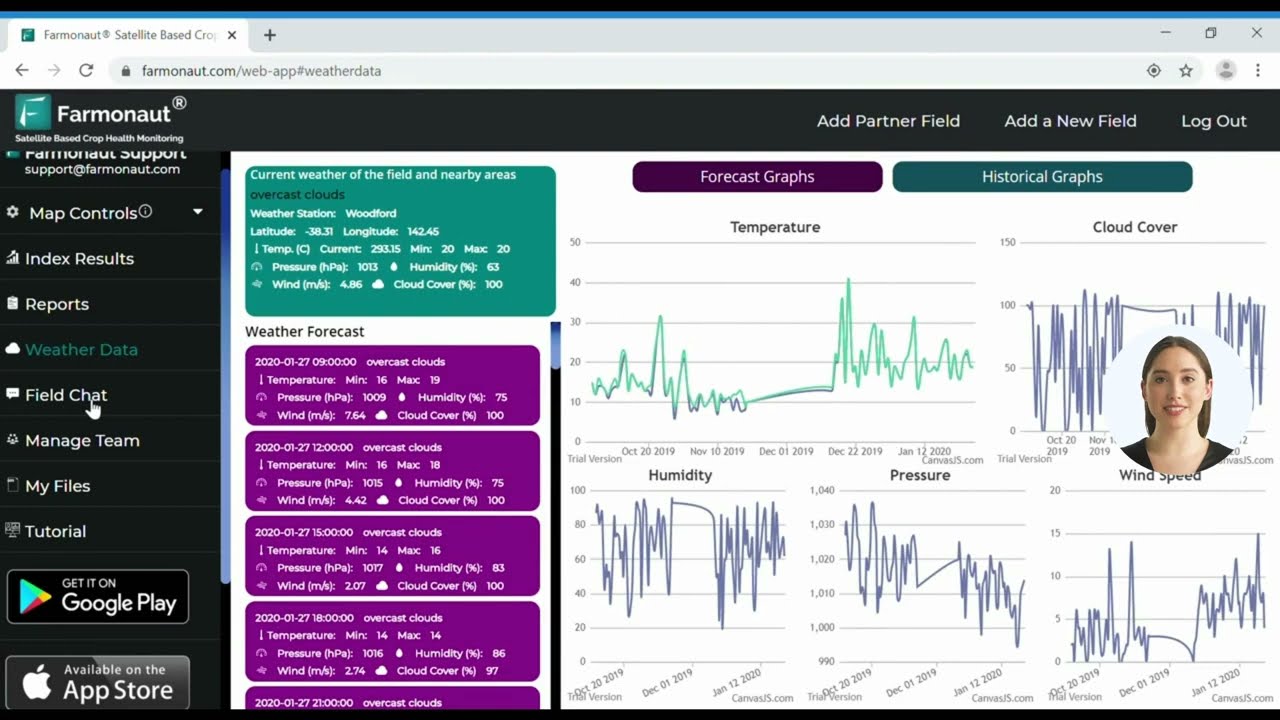
Interested in how cutting-edge platforms offer traceability of resources from extraction to product? Farmonaut’s blockchain-based traceability ensures supply chain authenticity—a rising industry standard.
Comparative Strategic Outlook Table: Key Rare Earths Minerals
| Rare Earth Mineral | Est. 2025 Global Production (tonnes) | Key Industrial Applications | Major Producing Countries | Supply Chain Risk Level | Sustainability Challenges |
|---|---|---|---|---|---|
| Neodymium (Nd) | ~55,000 | Magnets for EVs, wind turbines, electronics | China, Australia, USA | High | Radioactive waste, energy-intensive refining |
| Dysprosium (Dy) | ~2,000 | High-temperature magnets, defense, batteries | China, Myanmar, Australia | High | Geopolitical risk, supply concentration |
| Terbium (Tb) | ~700 | Luminescent materials, magnets, electronics | China, Myanmar, Australia | High | Low yield mining, hazardous chemical use |
| Yttrium (Y) | ~8,700 | Ceramics, lasers, medical devices, LEDs | China, Australia, India | Medium | Processing waste, water use |
| Praseodymium (Pr) | ~6,000 | Magnets, alloys, aircraft engines | China, Australia, USA | Medium | High energy use, mining disturbance |
| Lanthanum (La) | ~38,000 | Rechargeable batteries, catalysts, glass | China, India, Brazil | Medium | Waste disposal, resource depletion |
| Cerium (Ce) | ~44,000 | Catalysts, polishing, battery electrodes | China, Australia, USA | Medium | Chemical usage, waste management |
| Samarium (Sm) | ~1,700 | Magnets, nuclear reactors, lasers | China, Australia | Low | Local contamination, low recycling rates |
| Gadolinium (Gd) | ~1,100 | Magnetic resonance imaging (MRI), alloys | China, USA | Low | Byproduct disposal, mining waste |
Future Innovations & Emerging Technologies in Rare Earths Mining
As the world pivots to sustainability and resource security, innovation in mining rare earths is accelerating. The integration of satellite technology, AI, and data-driven environmental monitoring is making mining more efficient and sustainable—setting the stage for a smarter, cleaner industry in 2026 and beyond.
- AI and Data Analytics: Machine learning models rapidly analyze satellite imagery, geological surveys, and environmental data to identify new deposits and optimize extraction techniques.
- Blockchain: Secure, transparent record-keeping for resource traceability and regulatory compliance.
- Remote Sensing: Satellite-based monitoring allows for real-time tracking of mining activities, vegetation, water, and emissions, enhancing environmental stewardship and operational transparency.
- Bioleaching & Green Chemistry: The adoption of biological methods and safer chemicals to extract minerals significantly reduces the release of hazardous or radioactive waste.
- Circular Solutions: Advanced recycling of rare earth-containing electronics (urban mining) is expected to supplement mined supply and reduce total ecosystem impact.
These advancements are revolutionizing how we extract, refine, and manage rare earths minerals—preparing the industry for a more sustainable and secure future.
Farmonaut Satellite Insights: Powering Sustainable Mining
We at Farmonaut leverage cutting-edge satellite and AI technologies to transform the way industries manage rare earths minerals extraction, ensuring strategic, environmentally responsible, and economically optimized mining operations.
-
Environmental Monitoring: Our satellite-based systems deliver real-time monitoring for compliance, impact reduction, and sustainable practice enforcement.
Explore carbon footprinting solutions for mining operators. - Resource Optimization: Our AI-powered advisory provides operational intelligence to minimize waste, reduce energy usage, and maximize yield from ore extraction.
- Blockchain Traceability: We provide blockchain-based traceability solutions, enabling transparent and secure tracking of rare earths minerals throughout the supply chain.
- Fleet & Logistics Management: With satellite-based fleet tracking, we help mining businesses cut transportation costs and enhance resource deployment for maximum efficiency.



Explore Farmonaut APIs: Seamlessly integrate our rare earths monitoring and analytics into your mining IT systems.
Farmonaut Satellite Monitoring API | Developer Docs

FAQ: Rare Earths Minerals & Strategic Mining Outlook
What are rare earths minerals and why are they called “rare”?
Rare earths minerals are 17 chemically similar elements (15 lanthanides plus scandium and yttrium) with unique properties essential for advanced technology. They’re called “rare” not because they’re scarce, but because they are rarely found in concentrated, economically viable deposits.
Why are rare earths minerals critical for global industries in 2026?
These elements are indispensable for producing magnets, batteries, electronics, defense systems, and renewable energy technologies. By 2026, they form the heart of over 80% of advanced technological components globally.
What are the main environmental and social challenges in mining rare earths?
Major challenges include radioactive and hazardous waste generation, high water and energy use, potential environmental contamination, and the need for fair labor practices and community engagement.
How are countries addressing rare earths minerals supply chain risks?
By investing in new mines, recycling technologies, supply chain diversification, regulatory frameworks, and advanced monitoring and traceability tools, nations aim to reduce dependence on single sources and strengthen supply security.
What role does innovation play in sustainable mining of rare earths?
Innovation, particularly through AI, satellite monitoring, blockchain traceability, and eco-friendly extraction techniques, is key to optimizing yield, reducing environmental impact, and ensuring compliance in the years ahead.
How does Farmonaut support rare earths minerals mining and sustainability?
We provide real-time satellite monitoring, AI-driven operational advisory, blockchain traceability, and automated fleet/resource management for mining operations. Our solutions empower industries to achieve higher efficiency, transparency, and sustainability goals.
Conclusion & Strategic Vision for 2026 and Beyond
The strategic importance of rare earths minerals is only set to grow as demand for clean energy, electric vehicles, defense, and cutting-edge electronics accelerates through 2026 and beyond. Despite technical and environmental challenges, innovations in extraction, monitoring, and sustainability practices are forging a path toward a more secure, responsible, and resilient rare earth supply chain globally.
Teams and organizations working with mining rare earths must focus on environmental responsibility, regulatory compliance, and social impact—ensuring that the rewards of technological advancement are matched by commitment to planetary stewardship and ethical mining practices.
As we collectively transition into a new era of strategic minerals mining, the intersection of geopolitical foresight, advanced technology, and sustainable practices will define industry leaders.
Rare earths minerals will remain fundamental to powering our modern world—making their responsible management a top priority in 2026 and beyond.
Ready to leverage the latest in satellite technology, AI, and sustainability tools for your mining operations? Explore Farmonaut’s affordable, scalable solutions designed for a smarter future in rare earths minerals mining, extraction, verification, and traceability.

 Vulcan International Limited
 Kidepo Associates
 GKY Mining
 Alkimy SARL
 Double A Trading
 GemSprout Metals Limited
 Qader Group
 Ileys General Trading
 SG Gold Mining LLC
 VRV Global Pte Ltd
 Omsri International FZE
 G.I.T.T.
 Jaunita Erss Ltd
 Almosi SARL
 SRK Consulting
 Berks Gold Limited
 Mwerezi Minerals Company Limited
 Mining SARL
 SenGold Invest SAS
 Sean Mining Limited
