

Agriculture Map of Maharashtra 2026: Land & Jobs Guide
“Maharashtra’s agriculture employs over 50% of its workforce, with sustainable practices projected to boost jobs by 2025.”
Introduction: Mapping the Terrain for Sustainable Growth (2025)
The agriculture map of Maharashtra is more than just a geographical sketch; it is a living, dynamic reflection of our state’s topography, climate variability, soil types, water resources, and agricultural livelihoods. As India’s second-most populous state, Maharashtra presents a diverse landscape shaped by its deccan plateaus, fertile plains of Vidarbha, and the humid Konkan coast. Understanding this mosaic is essential not only for the millions of farmers who depend on the land, but also for policymakers, agribusinesses, and anyone seeking to enhance sustainable growth and resilience in the coming years.
As we chart a course for 2025 and beyond, the maharashtra agriculture map helps us recognize key zones, dominant crops, soil management strategies, climate resilience, water stewardship, and evolving agriculture jobs in Maharashtra. This guide explores how tailored practices, infrastructure investments, and policy support can meet the demands of a rapidly changing agrarian landscape—and how satellite-based technologies empower us to do more with less, ensuring long-term productivity while safeguarding resources for future generations.
- ✔ Mapping the agricultural terrain is the foundation for planning regional crop choices, resource allocation, and job growth.
- 📊 Data-driven strategies are vital for minimizing yield loss, optimizing water use, and improving market access.
- ⚠ Risk alert: Droughts, unpredictable rainfall, and groundwater depletion remain pressing concerns in key production belts.
- 🌱 Sustainability actions like integrated pest management, organic amendments, and better post-harvest handling are rising.
- 🏞 Smart use of the agriculture land map Maharashtra can unlock new pathways for both resilience and rural prosperity.
Regional Agricultural Zones Overview: Agriculture Map of Maharashtra
| Zone Name | Estimated Agricultural Land Area (ha) | Main Crops | Dominant Soil Type | Avg Annual Rainfall (mm) | Key Water Management | Estimated Agricultural Jobs (2025) |
|---|---|---|---|---|---|---|
| Vidarbha | 5.5 million | Cotton, Soybeans, Pulses, Cereals | Black (Regur), Red | 900-1,200 | Farm ponds, Micro-irrigation | 4.1 million |
| Western Maharashtra (Pune, Satara, Kolhapur) |
3.9 million | Sugarcane, Onions, Grapes, Pulses, Soybeans | Black, Loamy | 850-1,000 | Canal, Drip irrigation | 3.3 million |
| Konkan Coast (Raigad, Ratnagiri) |
1.4 million | Coconut, Mangoes, Cashews, Spices | Laterite, Alluvial | 2,500-3,800 | Rainwater harvesting, Drainage | 1.2 million |
| Marathwada (Aurangabad, Jalna) |
2.6 million | Pulses, Cotton, Sorghum, Oilseeds | Black, Calcareous | 700-900 | Wells, Check dams | 1.7 million |
| North Maharashtra (Nashik, Dhule, Jalgaon) |
2.1 million | Grapes, Onions, Vegetables, Pomegranate, Banana | Black, Alluvial | 650-1,000 | Drip, Surface irrigation | 1.3 million |
| Central Maharashtra (Akola, Amravati, Buldhana) |
3.2 million | Cotton, Pulses, Maize, Groundnut | Red, Black | 900-1,100 | Farm ponds, Traditional wells | 2.2 million |
- 🧭 Regional mapping supports sustainable water use and reduces crop failure risk.
- 📈 Zone-specific advice improves yield and resource use in diverse soil & climate settings.
- 💼 Agricultural jobs in Maharashtra expand with diverse, regionally-aligned value chains.
Maharashtra Agriculture Map: Geographic Zones, Soil & Crop Highlights
The modern agriculture map of Maharashtra reveals a dynamic mix of command regions—from the arid western Deccan to the fertile plains of Vidarbha, lush Konkan coasts, and bustling Nashik horticulture clusters. The soil, rainfall, and water resources vary sharply between these belts, calling for tailored farming practices and crop choices. Here’s how each region is shaping the agricultural landscape through 2025 and beyond.
“By 2026, efficient water management could increase crop yields in Maharashtra’s key zones by up to 30%.”
Konkan Coast: Humid, Rainfall-Rich, & Horticulture-Driven
- Profile: High rainfall (2,500-3,800 mm), laterite/alluvial soils, smallholdings predominate.

- Key Crops & Practices: Plantation crops (mangoes, cashews), coconut, spices, rice, and horticulture thrive here.
- Water & Management: Rainfed cultivation, efficient drainage needed to combat waterlogging. Soil fertility requires organic inputs and crop rotation.
- Market Linkages: Focus on post-harvest handling, cold storage, and transport to coastal urban hubs (Mumbai, Navi Mumbai).
- Sustainability: Rainwater harvesting, mulching, cover cropping.

Western Maharashtra: Irrigated Sugar Belt Meets Diversified Cropping
- Profile: Top regions include Pune, Satara, Kolhapur. Medium to high rainfall. Black/loamy soils.
- Key Crops & Practices: Major crops are sugarcane, onions, soybeans, grapes (viticulture), pulses. Both irrigated and rainfed farms exist.
- Water & Management: Long-established canal irrigation, but faced with aquifer stress in some pockets. Advances in drip irrigation and farm ponds are reducing pressure.
- Resilience Tactics: Crop diversification, value addition, dairy integration—for price shock mitigation.
- Innovation: Agri-processing and packaging industries are expanding, especially for onions and grapes.

Central & Eastern Maharashtra: Cotton, Pulses, and Climate Risks
- Areas: Akola, Amravati, Buldhana
- Soils: Dominant red and black soils, moderate rainfall, increasingly variable monsoons.
- Crops: Traditionally cotton-dominated, but rapidly diversifying into pulses, soybean, cereals, maize, groundnuts.
- Challenges: Recurrent droughts, erratic rainfall, pest incidents (bollworms, cotton pests), and groundwater depletion.
- Critical Needs: Improved input accessibility, climate-resilient seeds, insurance for crop and rainfall shocks.
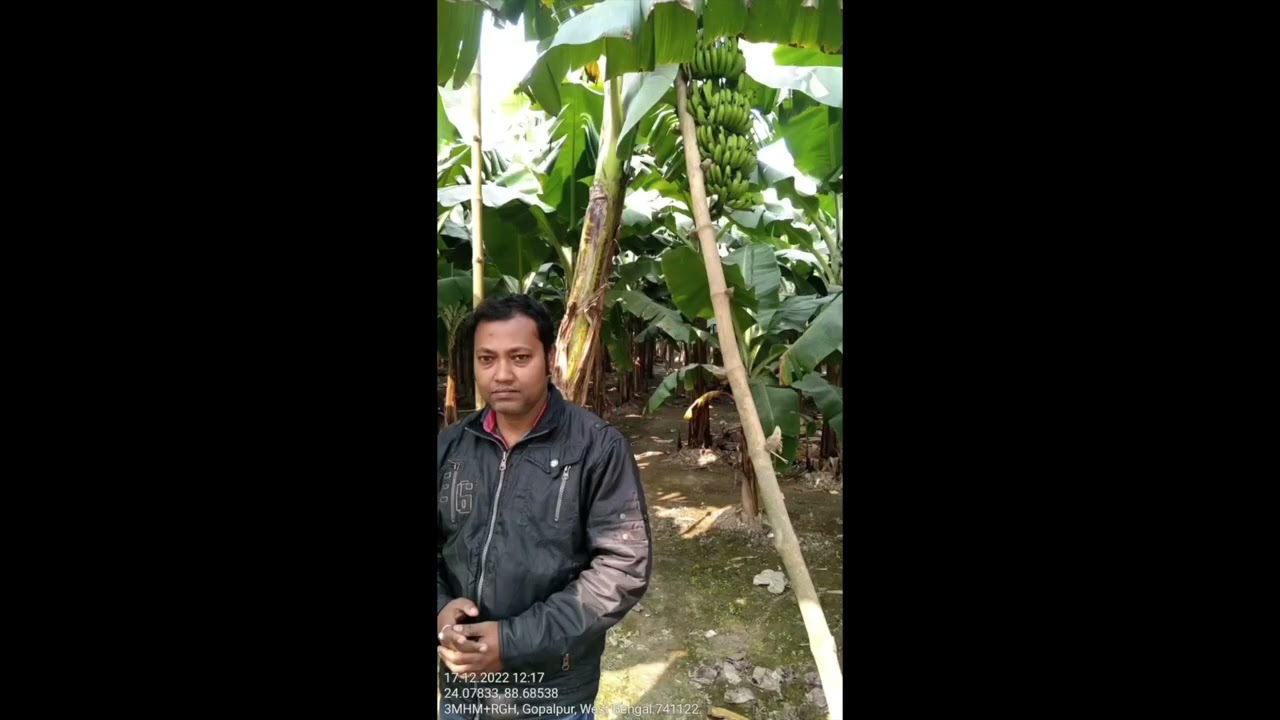
- 🦠 Pest Management: Early warning & intervention crucial for avoiding large-scale yield losses.
- 🔥 Drought Preparedness: Water harvesting, mulching, and insurance uptake are protective measures.
Vidarbha Essentials: Resilient Mixed Farming and Farmer Distress
- Location: Eastern Maharashtra – Yavatmal, Nagpur, Wardha, Chandrapur
- Soils: Black regur, red soils. Variable rainfall.
- Crops: Cotton (primary), maize, groundnuts, sugarcane, pulses. Mixed cropping systems prevalent.
- Critical Issues: Market volatility, weather risks, and farmer debt have necessitated major policy and safety-net interventions.
- Support Mechanisms: Crop insurance uptake, improved irrigation, input subsidies, and price support needed to stabilize incomes.

North Maharashtra (Nashik & Surrounds): Horticulture Hotspot
- Profile: Nashik, Jalgaon, Dhule districts. Agro-climatic diversity, moderate rainfall.
- Crops: Grapes, pomegranates, onions, vegetable crops. Ground zero for wine and juice industries in India.
- Resource Needs: Effective water management via drip/sprinkler systems. Soil conservation is vital.
- Integrated Value Chains: Farm-level processing and cold storage have unlocked significant value, including direct exports.
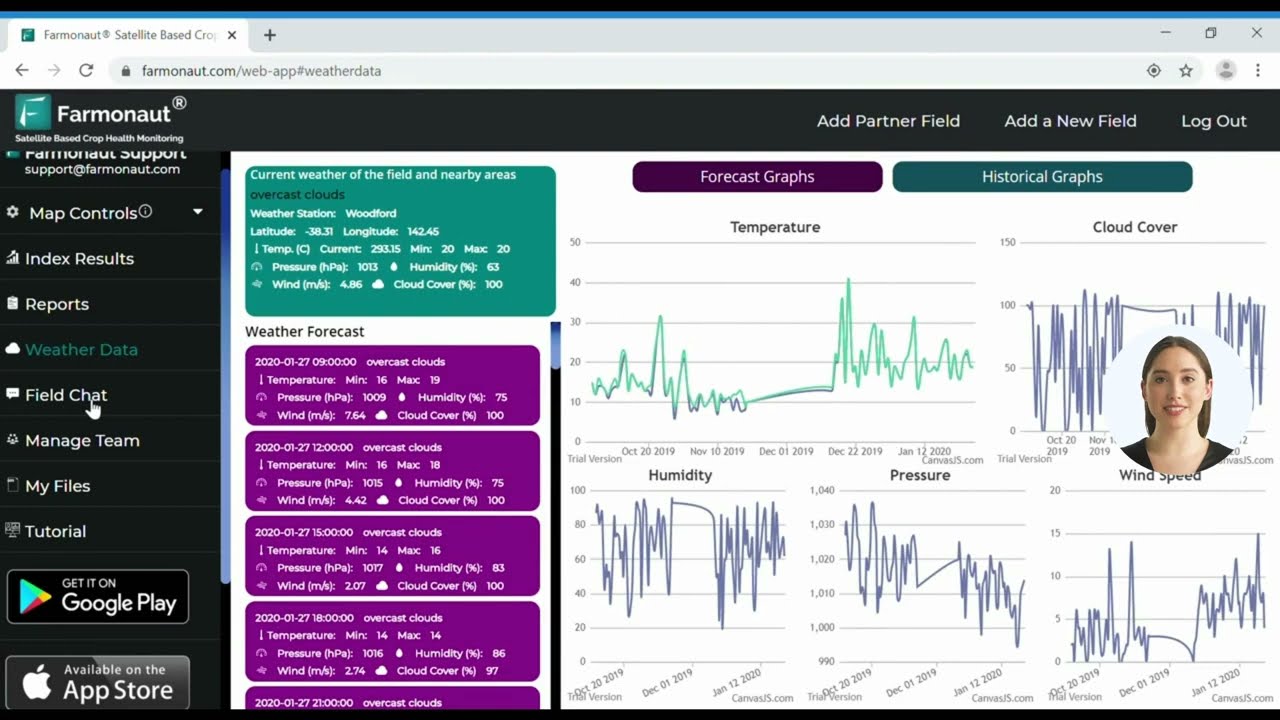
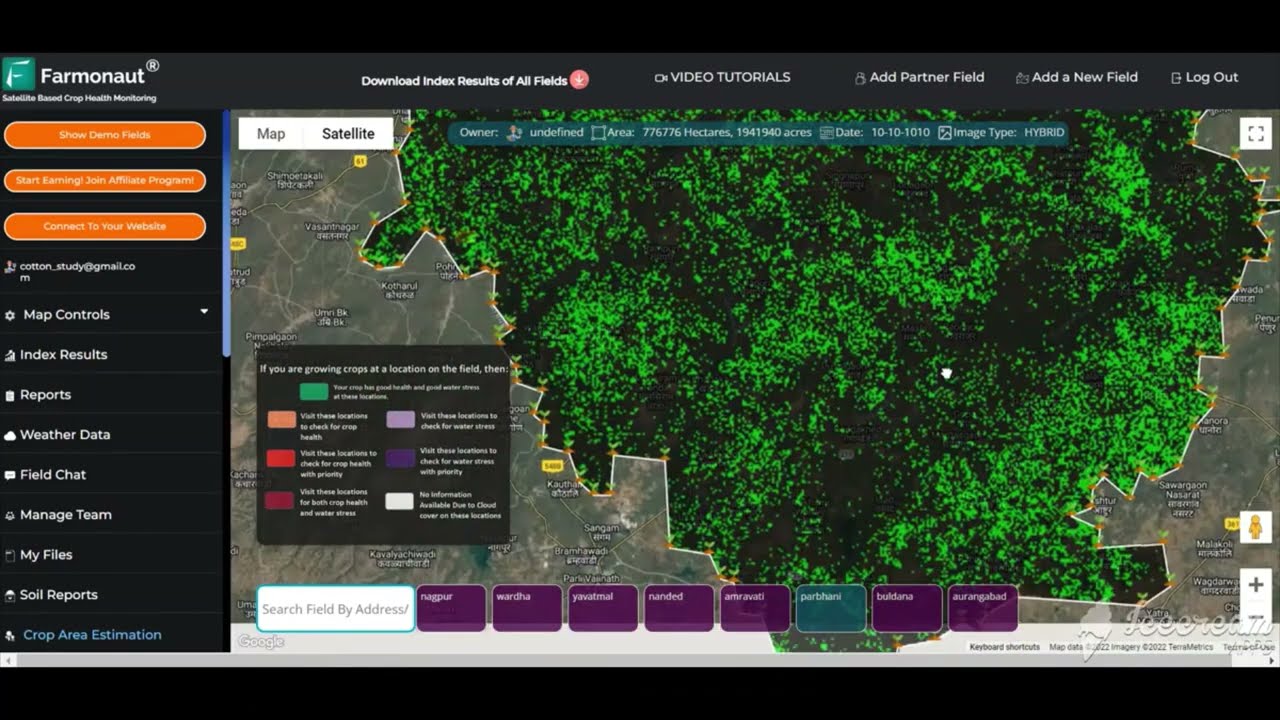
Water Resources, Soil Health, and Climate Adaptation in Maharashtra Agriculture Map
Efficient water management, balanced soil health practices, and robust climate adaptation systems are the backbone of a resilient maharashtra agriculture map. These pillars are non-negotiable for sustaining long-term productivity and agricultural employment.
Irrigation Infrastructure & Water Efficiency
- Major canal systems include the Krishna and Godavari basin networks.
- Groundwater withdrawal is high, especially in western belts—leading to stress in some pockets.
- Micro-irrigation (drip, sprinkler) is expanding but needs rapid scaling to optimize water use per hectare.
- Water pricing reforms and participatory user associations are promoting equitable allocation in drought-prone belts.
Learn more about how soil and water shape agricultural success with cutting-edge technology:

Soil Management & Health
- Soil types include red, black, laterite and alluvial variations.
- Organic amendments (compost, green manure), integrated nutrient management, and mulching boost soil fertility.
- Field-level soil testing and digital mapping ensure precise fertilizer recommendations, reducing ecological impacts and cost.
Climate Resilience & Adaptation
- Uptake of drought-tolerant, pest-resilient varieties is accelerating, especially in rainfed regions.
- Insurance reforms and improved market access help reduce income vulnerability to climate shocks.
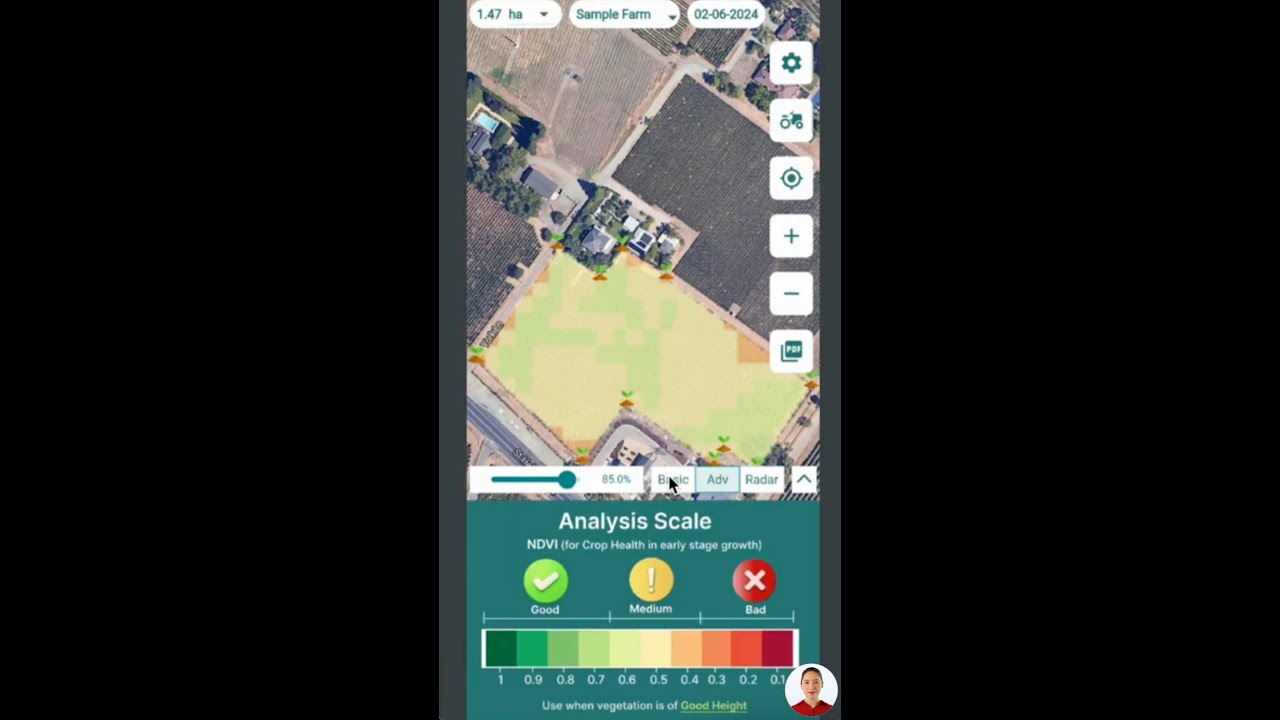
- Early warning systems supported by satellite data and mobile advisories empower farmers with timely risk management.
Policy Landscape, Agricultural Jobs in Maharashtra, and Value Chains
No understanding of the maharashtra agriculture map is complete without dissecting policy supports, emerging agriculture jobs in Maharashtra, and the interconnected value chains that move produce from field to fork, or field to export.
Key Policy Programs
- Mahatma Jyotiba Phule Vidarbha Abhiyan: Targets cotton belts for productivity growth and farmer distress mitigation.
- Irrigation Reforms: Focused on completion of major canals, water user associations, and promoting micro-irrigation.
- Horticulture Initiatives: Quality planting material, high-density orchards, and post-harvest/agro-processing units.
- Skilling & Credit Access: Extension services help train young people and women for roles in farm management, post-harvest handling, and agri-entrepreneurship.
Agriculture Jobs and Employment Drives
- Farm labor remains dominant, but skilled roles in processing, cold chain logistics, digital advisory, and market linkages are rising.
- Women’s participation and entrepreneurial training efforts are projected to boost employment in rural belts.
- Prompt access to credit and satellite-aided loan verification ease business growth and job creation.
Farmonaut actively supports financial institutions with satellite-based verification for crop loan and insurance.
Learn more about smart crop loan and insurance technology here.
Market Access and Storage Infrastructure
- Rural road upgrades and mandi digitalization have improved farmer market reach.
- Cold storage capacity is expanding in Nashik, Pune, and Kolhapur belts to reduce post-harvest losses.
- Agro-processing units are being clustered near primary production chains—unlocking significant local employment.
- Blockchain traceability tools (offered on the Farmonaut platform) increase both supply chain transparency and export value.
Discover blockchain traceability for agriculture and supply chains here.
Farmonaut Tools for the Maharashtra Agriculture Map
-
Large-Scale Farm Management Platform: Satellite monitoring, digital records, fleet management—tailored for corporate or large landholding scenarios.
Explore large-scale, satellite-based farm management here.
- 🚚 Fleet tracking and digital logistics are streamlining farm-to-market movement.
- 🔗 Supply chain transparency is assured via blockchain & satellite insights, boosting trust for buyers & exporters.
Satellite Technology & Farmonaut: Ushering Sustainable Growth in Maharashtra
As we advance into 2026, leveraging new technologies is not optional—it’s essential. Farmonaut stands at the forefront of delivering advanced, affordable satellite technology for agriculture, geospatial analysis, and sustainable agricultural productivity across the maharashtra agriculture map.
- 🌍 Satellite-Based Monitoring: Real-time crop, soil, and water status across regions—enabling timely interventions and better yield forecasts.
- 🤖 AI & Jeevn Advisory System: Farmonaut’s proprietary AI tools—available on Android, iOS, and web apps—offer weather forecasts and actionable farm management advice.
- 🔒 Blockchain Traceability: Track every stage of your product for compliance and transparency—critical for export value, insurance, and loan eligibility.
Learn more about Farmonaut’s Satellite, Weather, and Traceability APIs here.
API Developer Docs for easy integration. - 🌱 Environmental Monitoring: Farmonaut’s carbon footprinting module lets agribusinesses track— and reduce—their farm carbon emissions with simple dashboards.
See how Farmonaut supports climate-smart agriculture and carbon farming here. - 🛠 Fleet and Resource Management: Optimize machinery, logistics, and personnel allocation on large and small farms. Streamline agricultural operations here.



Strategic Recommendations for 2025 and Beyond
- Promote Region-Specific Cropping: Horticulture in Konkan/Nashik, pulse-cereal rotation in Vidarbha, and diversified systems in central belts.
- Scale Micro-Irrigation and Water-Use Efficiency: Ramp up drip, sprinkler, and participatory water management to reduce stress and safeguard yields.
- Invest in Soil Health Programs and Organic Farming: Launch pilots in both flood and drought-prone regions to support long-term fertility.
- Expand Extension Services, Credit Access, and Insurance: Strengthen risk-mitigation for every farmer via timely info and accessible finance.
- Build Robust Cold Chains and Processing Units: Target high-loss crops (onions, grapes, mangoes) for value retention in key belts.
FAQ: Agriculture Map of Maharashtra, Land & Jobs Guide
How does the agriculture map of Maharashtra benefit farmers in 2026?
The maharashtra agriculture map empowers farmers with localized crop choices, climate and soil insights, and water management strategies that fit their agro-ecological zone. With satellite and digital tools, crop health monitoring and precision interventions can significantly enhance yields and profitability.
Which crops will dominate the landscape in different Maharashtra zones by 2026?
Vidarbha will continue with cotton, pulses, and cereals; Nashik and Konkan will lead in horticulture and plantation crops (mangoes, grapes); Western Maharashtra will excel in sugarcane, onions, and viticulture; Central and Eastern Maharashtra will remain diversified with cereals, maize, and soybean.
What are some top employment and value chain opportunities in Maharashtra agriculture?
Post-harvest management, farm logistics, agri-processing, cold chain operation, digital advisory, and blockchain-enabled traceability for both domestic and export markets are all growing fields. Skilling in digital/satellite-based farm management is becoming increasingly important.
How can Farmonaut help agribusinesses and policymakers with the agriculture map in Maharashtra?
We provide satellite-driven insights on vegetation, soil, water, and crop health for every zone, enabling better planning, risk mitigation, and market intelligence. Our digital tools support several actors—including banks (loan/insurance verification) and logistics managers (fleet/resource tracking).
Where can I access detailed satellite data and integrate monitoring technology for Maharashtra farms?
Download our web, Android, or iOS apps for immediate access, or use our API for developer/system integration.
Conclusion & Key Takeaways: The Road Ahead for Maharashtra Agriculture
The agriculture map of Maharashtra is a crucial guide for sustainable growth, economic productivity, and environmental stewardship. As we move into 2026, its evolving zones, tailored crop choices, and rich resources promise new opportunities for millions—if we invest in the right systems and adapt proactively to climate and market changes. Leveraging advanced satellite technologies, data analytics, robust extension services, and smart policy reforms will empower our farmers and agricultural enterprises to not just survive, but thrive.
- ⭐ Soil and water mapping are the foundation for crop success in all regions.
- 🏭 Processing and cold storage are engines for value addition and job growth in the agricultural value chain.
- ❤️ Empowering women and young people through training expands the impact of technology and sustainability.
- 🛰 Advanced monitoring tools ensure resilience, climate-smart adaptation, and transparent market participation in 2026 and beyond.
- 📱 Digital access to satellite data—made affordable and inclusive by Farmonaut—democratizes the future of Maharashtra’s agriculture landscape.
We encourage every farmer, policymaker, and business leader to embrace this blueprint for a more sustainable, inclusive, and resilient agrarian future. The next wave of agricultural growth in Maharashtra will be mapped as much in the digital sphere as in the fields themselves.

 Disease Free Life
 WebsEdge
 Blickwinkel
 Agricultural Credit Policy Council
 BayWa
BayWa MCSOD
MCSOD Marei Nursery
 eKGIS
eKGIS Mostas Tech
 Native Seeds
 Andex
Andex FCF India
 Unifrutti Gulf
 Deluxe Conseil
 TVS Electronics
 WICO
WICO Chimera Innovation
