

Agricultural USA Map 2025: Innovative Farming & Crop Trends
Table of Contents
- Agriculture Farming in the USA: A 2025 Perspective
- Trivia
- The Agricultural Map of the USA: Regional Specializations
- Advancements in Sustainable Farming and Technological Innovations
- State-wise Agricultural Innovations & Major Crops (USA, 2025)
- Economic and Social Impact of Agriculture
- Climate Change, Food Security & Resilience
- Looking Ahead: The Future of US Agriculture Farming
- Satellite and Digital Solutions for Modern Farming – Farmonaut
- Frequently Asked Questions
Agriculture Farming in the USA: A 2025 Perspective
Agriculture remains a cornerstone of the United States economy, driving a rich heritage and an adaptive future built on innovation, sustainable practices, and evolving market demands. As we move into 2026 and beyond, agriculture farming in the USA continues to play a critical role in feeding the nation, supporting global food security, empowering rural communities, and advancing environmental stewardship.
Understanding the agricultural USA landscape through a modern lens — encompassing technological advancements, sustainability, and regional crop specialization — offers valuable insights into this vital sector.
- ✔ Dynamic Evolution: US agriculture is continually evolving to meet rising global food and environmental demands.
- 📊 Technological Leap: Implementation of AI, IoT, drones, and satellite tech is driving record productivity and sustainability.
- ✔ Resilience & Adaptation: Modern practices mitigate climate risks and extreme weather impacts.
- ⚠ Challenges Remain: Market volatility and labor shortages demand ongoing innovation.
- ✔ Community Impact: Rural economies thrive on agri-tourism and farm-to-fork movements.
Key Insight
Agriculture farming in the USA is not just about crops & food production; it’s a dynamic sector at the forefront of technology, sustainability, and economic resilience — setting the stage for future global food systems.

The Agricultural Map USA 2025: Regional Specializations
The geography of American agriculture is incredibly diverse, reflecting a wide range of climatic zones, soil types, and water availability across the country. From the Midwest Corn Belt to the irrigated valleys of California and the fruit-rich Southeast, each region carves a unique niche:
Midwest: The Heartland of Corn & Soybeans
- ✔ Corn Belt (Iowa, Illinois, Nebraska, Indiana) dominates corn and soybean production — leading to 70% of national corn output by 2025.
- ✔ Rich, fertile soils and advanced mechanization foster high crop yields and robust regional economies.
- ✔ Strategic adoption of precision agriculture and AI-driven yield mapping.

Great Plains: Wheat Powerhouse
- ✔ Kansas, North Dakota, Oklahoma and others are top producers of winter & spring wheat varieties—vital for bread and export products.
- ✔ Drought-resistant, gene-edited wheat cultivars are adapting to climate change and erratic rainfall patterns.
- ✔ High-tech grain storage and supply chain solutions enhance market access.
West: California & Specialty Produce Regions
- ✔ California Central Valley: Supplies >25% of US fresh produce (almonds, grapes, lettuce, tomatoes, nuts, berries).
- ✔ Advanced irrigation systems, soil moisture sensors, and water recycling technologies help optimize resource use.
- ✔ Other Western states (Washington, Oregon): Apples, hops, and wine grapes unlock niche markets.

Southeast: Cotton, Peanuts, Tobacco & Blueberries
- ✔ Georgia, Alabama, Mississippi, Florida — leading in cotton, peanuts, tobacco, and an expanding range of blueberries & specialty crops.
- ✔ Warmer climates and a lengthy growing season underpin diverse, high-value production.
- ✔ Uptake of integrated pest management and climate-adapted seed varieties.

Pro Tip
For farmers navigating market demands, focusing on regional crop specializations and utilizing digital mapping platforms is the key to increasing profitability & resource efficiency.
Advancements in Sustainable Farming and Technological Innovations
By 2025, agriculture farming in the USA is defined by innovation and a widespread commitment to sustainable practices. Farmers are increasingly adopting precision agriculture technologies:
- ✔ GPS-guided tractors & equipment for accurate planting and fertilizer application.
- ✔ Drones and satellite imagery for real-time monitoring, pest detection, and yield estimation.
- ✔ AI-based agronomic advice optimizing nutrition, irrigation, and pest management.
- ✔ Soil sensors and linked irrigation platforms reducing water consumption and nutrient runoff.
Cover cropping, crop rotation, and conservation tillage are now standard, promoting soil fertility, reducing erosion, and building healthier soil ecosystems. Notably, regenerative agriculture — including practices focused on carbon sequestration — is helping to mitigate climate change, positioning American agriculture as a potential carbon sink.
- 🟦 Precision irrigation reduces water use by up to 30% in drought-prone regions.
- 🟩 Biotechnology enables disease-resistant, climate-resilient crops.
- 🟦 Blockchain traceability secures food supply chains and ensures authenticity.
- 🟩 AI pest diagnostics cut pesticide use, protecting beneficial insects.
- 🟦 Fleet management systems maximize machinery uptime, cut fuel use.
Common Mistake
Many farm operators invest in new agricultural technology but underutilize its data. Integrating farm management platforms and adjusting field operations based on analytics is crucial for maximum ROI and environmental gains.




Interested in reducing your farm’s environmental impact? Check out our carbon footprinting solutions for real-time tracking and compliance.
State-wise Agricultural Innovations & Major Crops (USA, 2025)
The following table showcases the agriculture map USA in 2025, offering an at-a-glance view of innovation adoption, crop specializations, and estimated yield improvements for key states:
| State | Major Crop(s) (Est. % Area) |
Technological Innovation(s) | Sustainability Practice Adoption | Yield Improvement (2020–2025, %) |
|---|---|---|---|---|
| Iowa | Corn (55%), Soybeans (35%) | AI-driven crop prediction, precision planting, satellite NDVI monitoring | 85% farms use cover crops, 68% use conservation tillage | +19% |
| Illinois | Corn (53%), Soybeans (37%) | Advanced variable rate tech, GIS mapping, blockchain traceability | 82% (Sustainability certification) | +16% |
| Nebraska | Corn (46%), Soybeans (32%), Wheat (10%) | Automated irrigation, soil health sensors, climate-resilient seed varieties | 80% (irrigated by smart systems) | +17% |
| California | Almonds (18%), Grapes (21%), Lettuce (17%), Berries | Drip irrigation, multispectral drone imaging, AI water management | 78% (organic/biodynamic or water-efficient) | +13% |
| Kansas | Wheat (43%), Corn (22%), Soybeans (19%) | Gene-edited wheat, drought prediction AI, remote fleet tracking | 68% (adopted reduced tillage) | +14% |
| Georgia | Peanuts (38%), Cotton (32%), Blueberries | Satellite-driven pest monitoring, precision fertilizer application | 60% use IPM, 64% practice crop rotation | +17% |
| Florida | Oranges (29%), Sugar Cane (15%), Vegetables (17%) | Biotech citrus, hydroponic systems, AI disease modeling | 72% climate-adapted varieties | +15% |
| Texas | Cotton (38%), Wheat (14%), Sorghum (20%) | Remote fleet management, soil moisture AI, carbon mapping tools | 61% (sustainability programs) | +12% |
| Washington | Apples (42%), Cherries, Hops | Drone pollination, organic pest control, traceable supply chains | 74% use eco-pest solutions | +14% |
| North Dakota | Canola (19%), Wheat (35%), Soybeans (27%) | Autonomous equipment, drought-resilient seed varieties | 65% adaptive irrigation | +16% |
| Mississippi | Catfish (<10%), Cotton (26%), Soybeans (21%) | Smart aquaculture, IoT-based crop diagnostics | 58% digital water monitoring | +10% |
| Indiana | Corn (42%), Soybeans (39%), Wheat (6%) | Yield-mapping, blockchain traceability, smart fleets | 67% certified sustainable | +12% |
| Alabama | Peanuts (16%), Cotton (25%), Poultry | Smart logistics, farm analytics apps | 53% advanced digital management | +11% |
| Pennsylvania | Dairy, Mushrooms, Hay | Digital feed monitoring, AI animal health sensors | 75% energy-efficient dairy | +12% |
Note: Values are estimated for 2025 and reflect dominant crops by acreage, leading-edge technologies, and sustainability adoption rates (source: agricultural usa research projections).
Investor Note
Investment in agricultural technology and crop diversification in the USA is projected to see compounded growth through 2030, with particular momentum in AI, satellite analytics, and sustainable supply chain traceability.

Want to monitor your entire farm operation at scale? Learn about our Large Scale Farm Management platform—ideal for agribusiness and co-ops needing unified digital oversight.
Economic & Social Impact of Agriculture Farming in the USA
The agricultural sector is vital to the US economy:
- ✔ Direct output exceeds $1 trillion (2025 estimate), including food, bioenergy, and fiber production.
- ✔ Nearly 20 million Americans are employed via farming, processing, logistics, and agri-services.
- ✔ US agricultural exports support global food security and stabilize rural communities through job creation and technology transfer.
The scope of agriculture continues to expand into new segments:
- ✔ Agri-tourism boosts rural economies and enhances consumer understanding of sustainable food.
- ✔ Farm-to-table networks promote healthy eating habits and reduce supply chain emission footprints.
- ✔ Strategic rural infrastructure investment (broadband, logistics) is reshaping access and economic opportunity for farming regions.
Consumers and regulators are demanding food supply transparency. Explore traceability solutions — essential for robust food safety, anti-fraud, and organic certification programs in 2026 and beyond.
Climate Change, Food Security & Resilience in US Agriculture
Climate change remains a top challenge for agriculture farming in the USA. Droughts, floods, heatwaves, and unpredictable seasons threaten yields and farm viability.
- ✔ Crop diversification and regionally adapted seed varieties help buffer risks to food production.
- ✔ Precision irrigation and sensor networks counter water stress in drought-prone zones.
- ✔ Federal/state insurance and weather-indexed safety nets are in expansion.
- ✔ Regenerative agriculture is emerging as a solution for soil health, carbon storage, and mitigating climate impacts in both croplands and rangelands.
US agricultural research institutes and government agencies actively promote adaptive management strategies, positioning American farmers to meet the future head-on:
- ✔ Developing gene-edited, climate-resilient crop varieties.
- ✔ Promoting digital climate analytics and decision support tools (e.g., drought early-warning apps).
- ✔ Encouraging carbon market participation for soil-based emissions offsets.
Data Insight
In 2025, satellite-driven farm monitoring tools and climate-specific management plans have reduced yield volatility in high-risk counties by up to 22% compared to previous years.
Optimize the operational efficiency of your machinery with our Fleet Management solutions — streamline logistics, reduce downtime, and enhance safety for large or remote farm operations, a critical advantage in high-risk climates.

Looking Ahead: The Future of US Agriculture & Trends Beyond 2025
US agriculture is positioned at the intersection of technology, market evolution, and sustainability. From 2026 onwards, we can expect:
- ✔ Biotechnology and AI analytics to unlock even greater yield potential and reduce natural resource use.
- ✔ Consumer trends (organic, local, specialty foods) to reshape crop choices and farm-to-market strategies.
- ✔ Rural workforce development and training investments to transfer traditional wisdom while embracing modern practices.
- ✔ Integration of geospatial data for risk management, resource planning, and yield prediction.
- ✔ Expansion of carbon markets and sustainable finance models, turning agriculture into a leader for climate mitigation.
Ready to digitalize your insurance and credit application process? Discover our Crop Loan & Insurance verification platform — harness satellite intelligence to simplify documentation and fraud prevention in 2026.
Satellite and Digital Solutions for Modern Farming – Farmonaut
As the drive toward digitalization reshapes agriculture farming in the USA, satellite and AI-backed platforms offer unmatched advantages. At Farmonaut, we are making advanced tools affordable and user-friendly for individual growers, businesses, and government agencies:
- ✔ Satellite-Based Crop Monitoring: Monitor fields anytime, anywhere, using real-time NDVI, soil, and weather data.
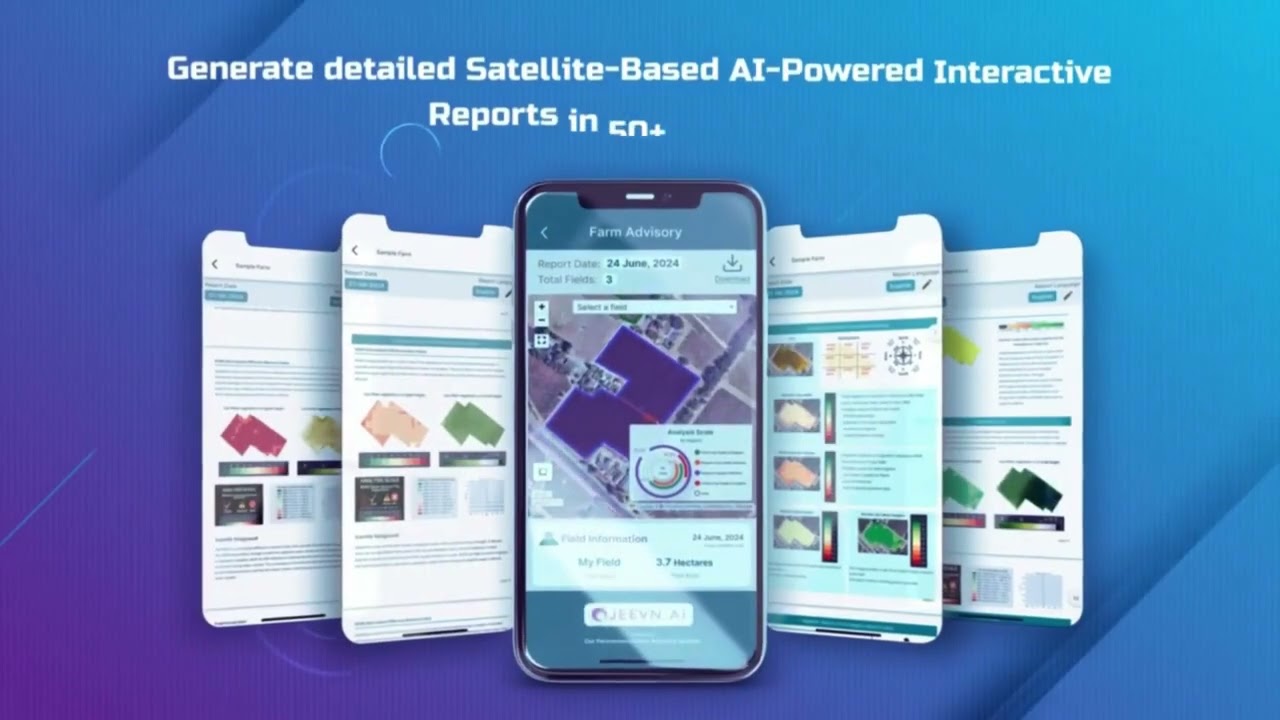
- ✔ AI-powered Advisory (Jeevn AI): Get predictive recommendations on irrigation, fertilization, and pest threats tailored to your crop and region.
- ✔ Blockchain Traceability: Secure your supply chain and meet compliance demands with transparent, tamper-proof traceability.
- ✔ Environmental Impact Tracking: Monitor carbon footprint and environmental metrics to support sustainable farming and regulatory reporting.
- ✔ Fleet, Resource, and Large Farm Management: Optimize use of your personnel, vehicles, and equipment on one dashboard — from small family farms to enterprise operations.
Our services are readily accessible via web, Android, and iOS apps, and are easily integrated into existing systems through our API and developer documentation.
From real-time field monitoring to supply chain traceability and digital resource management, we’re supporting the next generation of agricultural innovation, sustainability, and efficiency for the USA and beyond.
Planning a new crop or forest project? Access our digital Crop Plantation and Forest Advisory toolkit for climate-smart, geo-tagged recommendations.
- ✔ Scalable, cloud-based digital maps of US agriculture enable actionable planning at every level.
- ✔ Reduced operational costs via automation and satellite analytics—vital for market resilience.
- ✔ Track carbon footprint to unlock new revenue in ESG and carbon markets.
- ✔ Modular tools—from field monitoring to fleet management and satellite-driven compliance checks.
- ✔ Seamless integration—API support for developers and large enterprises (see API platform).
Frequently Asked Questions (FAQ): Agricultural USA Map, 2025 & Beyond
What is the focus of the Agricultural USA Map for 2025?
The Agricultural USA Map for 2025 emphasizes innovation, sustainable practices, and regional specialization. It helps visualize major crop zones, adoption of digital farming tools, and climatic adaptation.
Which states dominate corn and soybean production?
The Midwest states — especially Iowa, Illinois, Nebraska, and Indiana — form the Corn Belt, producing 70% of national corn and a majority of soybeans for domestic and export markets in 2025.
How is technology improving agricultural efficiency and yield?
Technologies like precision agriculture, AI advisory systems, drones, and satellite monitoring allow farmers to optimize water and fertilizer use, monitor crop health, detect threats early, and maximize yields—while reducing environmental impact.
What are key sustainable practices for US farms in 2025?
Widespread adoption of cover cropping, crop rotation, conservation tillage, precision irrigation, and digital traceability help improve soil health, decrease input use, and support climate resilience.
How can I access satellite-based tools for my farm?
Digital platforms like Farmonaut provide real-time monitoring, resource management, and advisory services via web & mobile apps, as well as through API integrations. These tools are accessible and scalable for US users of any size.
Is farm data traceability important in 2026 and beyond?
Definitely. Traceability ensures food safety, facilitates certifications, prevents fraud, and unlocks market value. Satellite-based and blockchain secured solutions are rapidly becoming standard in US agriculture.
How does regenerative agriculture help the environment?
Regenerative agriculture focuses on building soil organic matter, sequestering carbon, and restoring biodiversity—helping to balance high productivity with climate and ecological stewardship.
Where can I find more resources and app links?
To start using digital agri-intelligence tools, visit Farmonaut’s web/app portal or API documentation for developers. Explore our product pages throughout this blog for detailed feature breakdowns.
- ✔ Innovation and sustainability define the USA agricultural landscape through 2026.
- 📊 Regional specialization underpins high-yield efficiency and food security.
- ⚠ Climate risks remain a challenge, demanding adaptive solutions.
- ✔ Digital and satellite technology are now essential farm management tools.
- ✔ US agriculture will remain a global leader in food production and environmental stewardship.
Conclusion
The agriculture map USA of 2025 stands as a testament to the sector’s dynamic innovation, environmental adaptation, and economic strength. Leveraging technology, regional expertise, and sustainable practices, American farmers are not only feeding the USA but also contributing critical solutions to global food and climate challenges. With tools like Farmonaut’s satellite-driven insights, all stakeholders — from small family farms to state governments — can access real-time data and actionable intelligence to ensure a thriving, resilient US agricultural future.

 Raintree Computing
 Agricultural Credit Policy Council
 BayWa
BayWa MCSOD
MCSOD Marei Nursery
 eKGIS
eKGIS Mostas Tech
 Native Seeds
 Andex
Andex FCF India
 Unifrutti Gulf
 Deluxe Conseil
 TVS Electronics
 WICO
WICO Chimera Innovation
 SkyHarvest
