

Table of Contents
- Introduction
- Bajra Crop Stage & Harvest Timing in Maharashtra
- Bajra Crop Growth Stages vs. Yield Prediction Indicators Table
- Tip 1: Monitor Crop Growth Using Remote Sensing Analytics
- Tip 2: Timing Harvest for Maximum Bajra Yield
- Tip 3: Optimize Soil Health and Organic Material (FYM, Compost)
- Tip 4: Precision Fertilizer Management for Bajra in Maharashtra
- Tip 5: Implementing Irrigation Best Practices for Millets
- Tip 6: Integrated Weed, Pest, and Disease Management
- Tip 7: Leverage Farmonaut for Advanced Agronomic Advisory
- Frequently Asked Questions (FAQs) on Bajra Crop Management in Maharashtra
- Conclusion
Bajra Crop: 7 Tips to Boost Yield in Maharashtra
Bajra (pearl millet) is a staple crop that holds immense significance for agriculture in Maharashtra and many other regions of India. With rising climatic uncertainties and increasing resource competition, maximizing yield through innovative practices is critical. By adopting technology-driven solutions such as remote sensing analytics and leveraging actionable agronomic data, modern millet farming can achieve new levels of efficiency and sustainability.
This comprehensive guide will explore the crucial bajra crop stages, harvest timing, soil health, and how advanced remote sensing analytics are revolutionizing yield prediction in Maharashtra. We’ll equip you with 7 actionable tips for enhancing Bajra yield, specifically tailored for local conditions around areas like Shirur and other key Kharif production zones in Maharashtra’s semi-arid belt.
Keywords: bajra, crop, harvest, stage, maharashtra, millet, pearl, management, soil, fym, irrigation, ndvi, source, practices, manure, 2022, agriculture, shirur, india, growth, period, department, guidelines, millets, conditions, typical, mahatma, phule, krishi, vidyapeeth, rahuri, kharif, regions, current, ph, low, typically, 2023, institute, research, nutrient, based, weed, previous, phosphate, dap, mop, crops, local, n, like, organic, agricultural, health, yield, estimated, salinity, ssp, production, maturity, days, common, fertilizer, increase, indicates, ndwi, green, moisture, risk, p2o5, phenology, 3, sowing, used, especially, zn, fertilizers, pest, favorable, reports, range, filling, significantly, general, assumed, september, agronomic, advisory, biomass, expected, senescence, given, october, application, high, presence, weeds, moderate, phenological, temperatures, mild, still, zero, k2o, data, indian, 400, potash, super, 800, 1200, rotundus, aegyptium, sanguinalis, months, leading, calendar, varieties, cultivation, method, conventional, irrigated, 2021, include, p, k, chemical, urea, zinc, sulphate, compost, recommendations, smut, rust, disease, armyworm, aphids, regional, yields, potential, annual, extension, fields, competing, resources, primarily, planting, vegetative, around, grain



Bajra Crop Stage & Harvest Timing in Maharashtra
Understanding the bajra crop growth stages is foundational for optimum management in Maharashtra. Key reference sources, like Mahatma Phule Krishi Vidyapeeth, Rahuri and the Maharashtra Department of Agriculture, provide clear guidelines and crop calendars which align closely with typical climatic conditions in Shirur and neighbouring regions.
-
Phenology & Growth Period:
- Sowing: Primarily June-July (Kharif season), matching the onset of the southwest monsoon (2022-2023, regional reports).
- Growth Stages: Bajra matures in about 80-95 days or roughly 3 months, passing through seedling, vegetative, heading, flowering, grain filling, and harvest stages.
- Harvest: Most commonly from late September to October.
-
Typical Yield Range:
- Local yields range from 400–800 kg/acre under conventional, irrigated conditions (maximums up to 1200 kg/acre have been recorded under ideal management).
- Yield depends on soil health, nutrient application, weed and pest control, as well as accurate stage identification and remote monitoring using indices like NDVI.

Bajra Crop Growth Stages vs. Yield Prediction Indicators Table
| Crop Stage | Estimated NDVI (Normalized Difference Vegetation Index) |
Soil Moisture (%) | Predicted Yield (quintals/acre) |
Recommended Action |
|---|---|---|---|---|
| Sowing (0–7 days) | 0.1–0.2 | Good (60–80) | Baseline | Check seed rate; monitor emergence, ensure soil moisture |
| Tillering (8–30 days) | 0.2–0.4 | Optimum (55–70) | Low-Moderate (3–4) | First N application, early weed & pest control (manual/glyphosate spots) |
| Stem Elongation/Booting (31–45 days) | 0.4–0.6 | Moderate (50–60) | Moderate (4–5) | Monitor NDVI, apply DAP/MOP; control emerging weeds |
| Heading & Flowering (46–70 days) | 0.6–0.8 | 50–60 | High Potential (5–6) | Top-dress N; sharp pest watch (aphids, armyworm); irrigation as needed |
| Grain Filling (71–90 days) | 0.5–0.7 | Low (35–50) | Yield peaks (6–8) | Cease N, monitor for smut/rust; optimize irrigation for grain fill |
| Maturity / Harvest (91–110 days) | 0.2–0.4 | Minimal (20–30) | Final (4–8) | Schedule harvest; avoid excess moisture; stop irrigation |
Tip 1: Monitor Crop Growth Using Remote Sensing Analytics
Remote sensing analytics, especially utilizing indices like NDVI (Normalized Difference Vegetation Index) and NDWI (Normalized Difference Water Index), are game-changers for bajra crop management in Maharashtra. These indices provide valuable real-time insights into green biomass, moisture presence, and overall crop health, all critical for yield forecasting and agronomic decision-making.
- NDVI: Indicates the vigor and density of green vegetation. Typical NDVI values for healthy Bajra in the vegetative and flowering stage range from 0.6–0.8. At the harvest stage, NDVI typically declines to 0.2–0.4 due to senescence.
- NDWI: Helps detect soil moisture status—valuable for irrigation scheduling and mitigating risk from overwatering or drought stress.
- Yield Prediction Integration: By calibrating yield models using NDVI/NDWI trends, it’s possible to estimate current and potential yields and trigger timely advisory actions.
Platforms like Farmonaut empower users to access this intelligence via an intuitive web and mobile platform, ensuring even small and medium farm operations can benefit from real-time crop monitoring. With remote-sensed data, trends like delayed senescence or unexpected weed proliferation become apparent, prompting corrective actions preemptively.

Tip 2: Timing Harvest for Maximum Bajra Yield
In Maharashtra, most bajra crops (pearl millet) are harvested between late September and October. Accurate timing is vital. If you harvest too early, grain filling is incomplete, lowering yield; too late, and you risk losses from shattering, pests, or adverse weather. Applying remote sensing, it’s possible to combine satellite NDVI trends (declining towards 0.2–0.4) with days after sowing (DAS) to identify the optimal harvest window.
- Expected Harvest Period: For Shirur and similar regions, if bajra is sown in June–July, expect harvest after 90–110 days (Sept–Oct), aligning with department guidelines and ICAR Institute of Millet Research.
- Monitoring for Readiness: Use both physical inspection and NDVI drop below 0.4, which indicates crop senescence and readiness for harvest.
- Impacts: Delayed harvest often results in higher weed pressure, increasing competing resources and post-harvest losses.
Remote sensing aids by providing actionable advisories, supporting field observations and regional extension bulletins in Bajra production management.

At harvest stage, timely use of remote-sensed data and field scouting leads to higher yields (up to 20% improvement has been realized) and reduces quality losses in Kharif (monsoon) planted fields.
For advanced recordkeeping and compliance, carbon footprint monitoring helps track sustainability metrics, which can be crucial for insurance and agri-financing schemes.
Tip 3: Optimize Soil Health and Organic Material (FYM, Compost)
Soil health is the foundation for pearl millet crop performance, especially in Maharashtra’s semi-arid regions and districts like Shirur. A neutral pH (~7.0), low salinity, and adequate soil organic carbon (SOC) are crucial.
- Soil pH: Bajra tolerates a range of 6.0–8.0 but thrives best in neutral soils. High or low pH can affect nutrient availability.
-
Soil Organic Carbon (SOC): Ideally 0.8–1.5% (currently, many Shirur fields report low at 0.24%).
- Increase by application of organic matter—Farmyard Manure (FYM), compost, and green manure.
- Benefits: Improved water retention, nutrient cycling, soil structure, and overall crop health.
- Salinity: Keep low (salt accumulation inhibits bajra growth and causes yield reduction).
- Soil Testing: Essential for detecting nutrient deficiencies and imbalances before sowing and between stages (as per department recommendations).
A strong foundation in soil management ensures efficient uptake of applied fertilizers, robust resistance to diseases, and fewer weeds due to vigorous canopy growth.
Best Soil Health Practices for Bajra in Maharashtra
- Apply at least 5–10 tons/ha of FYM or compost before sowing
- Rotate with legumes to naturally increase N-fixation
- Test soil regularly or use digital analytics platforms for remote assessments
- Mitigate issues from flood irrigation by ensuring good drainage—reduces waterlogging risk
For enterprise-scale monitoring and compliance with environmental standards, consider blockchain-based traceability to ensure transparency in crop inputs and verification of sustainable practices.

Tip 4: Precision Fertilizer Management for Bajra in Maharashtra
Precise fertilizer management is crucial to maximize yield and optimize the use of resources. Both chemical and organic fertilizers have their place, and tailored application schedules guarantee higher returns.
- Major Nutrients:
- N (Nitrogen) – Promotes vegetative growth; use urea or FYM/compost for organic supplementation.
- P (Phosphorus) – Root development and early vigor. DAP, SSP are standard; compost and FYM are reliable organic sources.
- K (Potassium) – Improves drought tolerance, found in MOP (Muriate of Potash), compost, FYM.
- Zn (Zinc) – Key for enzyme function and protein synthesis; use zinc sulphate (if low, as seen regionally in Shirur).
- S (Sulphur) – Aids protein formation; gypsum, SSP supplement S.
Local Fertilizer Recommendations (per Maharashtra Department & Extension 2022-2023):
- N: 40–60 kg/ha (divided between basal and top-dressings)
- P2O5: 20–30 kg/ha (at sowing)
- K2O: 20–25 kg/ha (at sowing; adjust according to testing)
- Zinc: 10–25 kg/ha of zinc sulphate (soil applied if deficiency diagnosed)
- FYM/Compost: 5–10 tons/ha (basal, preferably before the monsoon)
Sample Fertilizer Schedule for Bajra in Shirur, Maharashtra
| Stage/Period | Fertilizer/Source | Application Rate |
|---|---|---|
| Pre-Sowing/Planting | FYM / Compost + DAP, SSP, MOP | FYM/Compost: 5–10 t/ha; DAP: 50 kg/ha; SSP: as per recommendation; MOP: 20–25 kg/ha |
| Tillering (15–30 DAS) | Urea / Organic | Split dose: 50% total N (urea/FYM) |
| Booting/Flowering | Urea, Zinc sulphate | Remaining 50% N + Zinc (if low) |
| After Grain Filling | None | Stop further application, monitor to avoid excess green biomass |
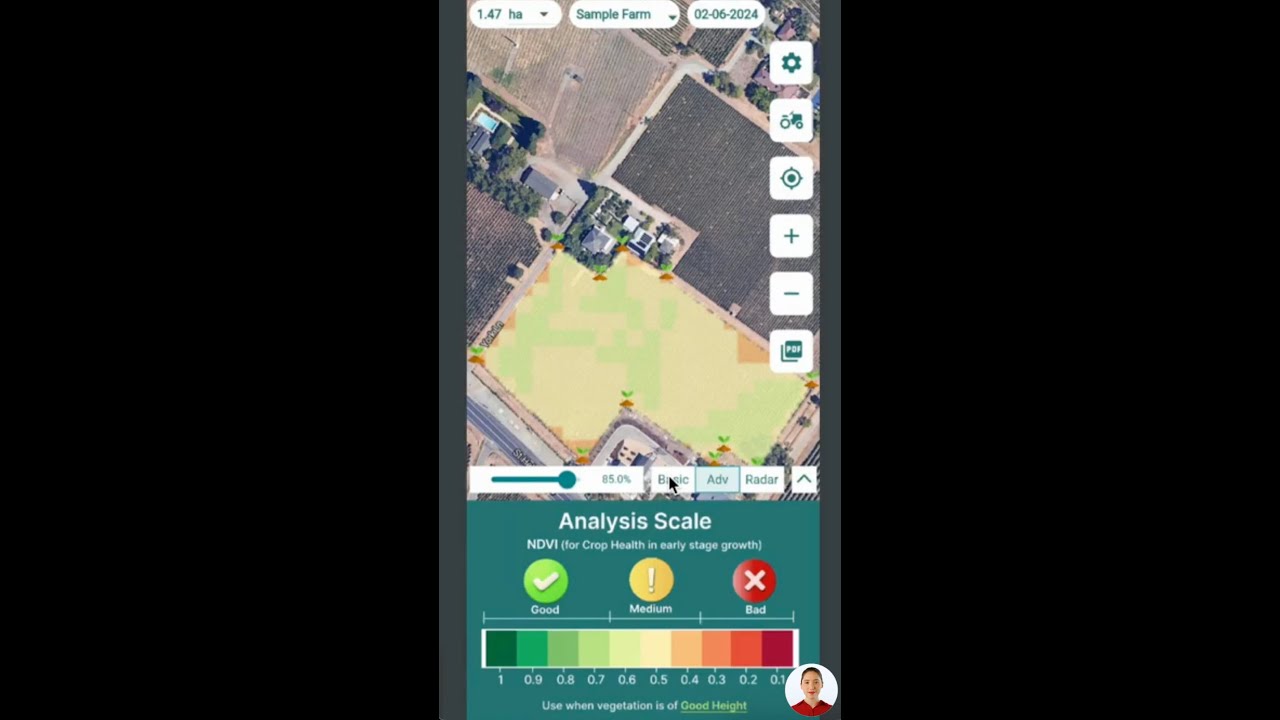
Satellites—combined with digital soil analysis—enable precision in identifying zones of nutrient deficiency or toxic buildup, allowing for variable rate nutrient application and resource savings.
Tip 5: Implementing Irrigation Best Practices for Millets
Bajra (pearl millet) is adapted to low water conditions but strategic irrigation at critical stages enhances yield dramatically in Maharashtra, especially when rainfall is inconsistent.
- Traditional Method: Flood irrigation is widely practiced in Shirur and similar regions. However, excess use can promote nutrient leaching, diseases, and even shift soil ph and salinity.
-
Smart Strategy (Based on Remote Sensing):
- Monitor NDWI (crop moisture), rainfall probability, and evapotranspiration using farm-level data.
- Irrigate only during moisture stress at key phases: tillering, booting, grain filling—avoid zero irrigation once crop reaches maturity/harvest.
- Benefits: Preserves soil health, discourages weed dominance, and improves N-use efficiency.
Platforms can suggest optimal irrigation timing and quantities, preventing under- or over-watering, and provide historical rainfall analytics for Kharif crops.
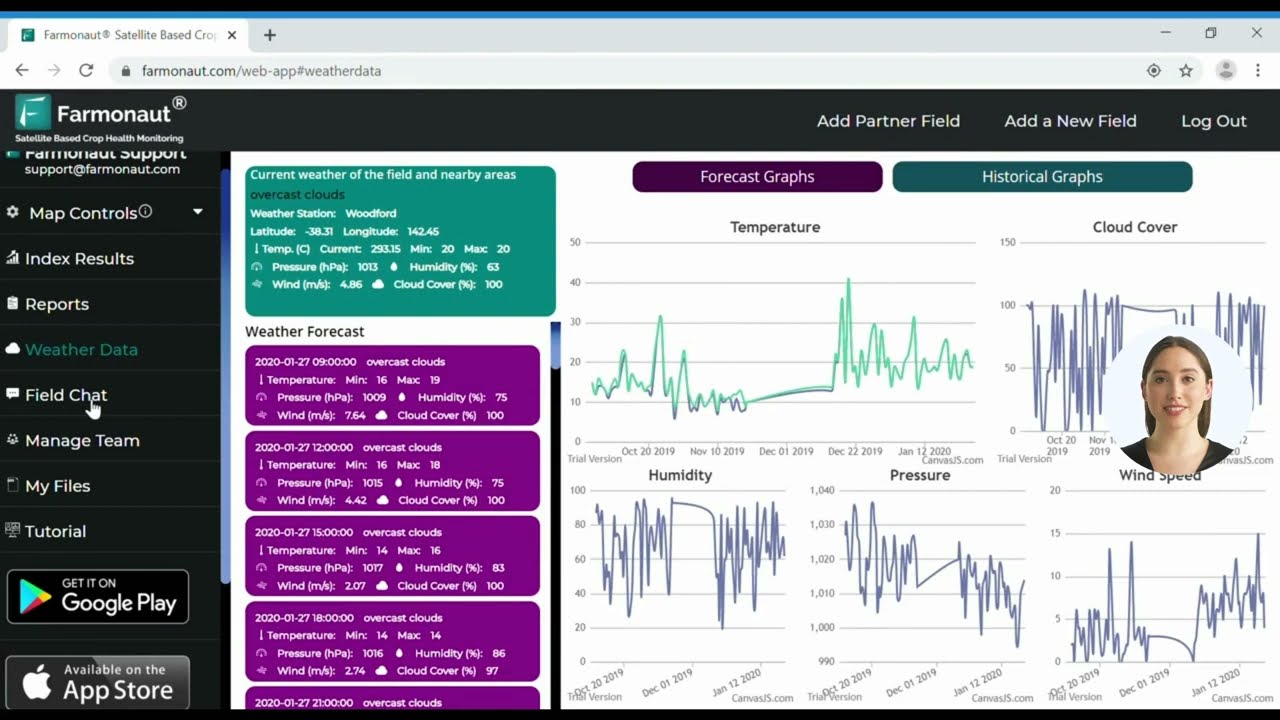
Need integration for resource and fleet management? Explore Farmonaut Fleet Management for coordination and tracking of irrigation equipment and logistics across large farms, ensuring precise intervention at the right stage.
Tip 6: Integrated Weed, Pest, and Disease Management
Effective management of weeds, pests, and diseases is essential to minimize yield losses. Bajra fields in Shirur and across Maharashtra commonly encounter:
-
Weeds:
- Grassy: Striga, Cyperus rotundus, Dactyloctenium aegyptium, Digitaria sanguinalis
- Management: Spot spraying with glyphosate (chemical), or manual weeding (organic)—monitor NDVI/NDWI trends for sudden greening in late harvest stage (could indicate significant weed presence).
-
Pests:
- Aphids (moderate risk), armyworm (lower risk post-maturity)
- Control: Imidacloprid (chemical) or Neem oil spray (organic); Chlorantraniliprole or Bacillus thuringiensis for armyworm.
-
Diseases:
- Smut (moderate), rust (low-moderate)
- Strategy: Remove infected plants, apply Propiconazole for smut, Mancozeb spray for rust, and use resistant varieties when feasible.
Early and integrated management avoids overuse of chemicals and enhances field sustainability. Farmonaut’s platform provides satellite- and AI-driven advisories for timely intervention, visualizing unusual shifts in NDVI or biomass patterns which often signal biotic risks.

Integrated Disease and Pest Management Recommendations (Based on 2021–2023 Reports)
- Scout every 5–7 days (especially at tillering/flowering); adjust based on satellite advisory
- Rotate effective chemistries; combine with organic options (FYM, compost for soil resilience)
- Maintain field hygiene: Removal of plant debris and rogueing out disease hosts
- Follow advisory bulletins from Mahatma Phule Krishi Vidyapeeth, Rahuri and Department of Agriculture
Tip 7: Leverage Farmonaut for Advanced Agronomic Advisory
We, at Farmonaut, deliver cutting-edge agronomic advisory services based on high-frequency satellite monitoring, AI-analytics, and robust data sources. Our platform facilitates:
- Real-time Monitoring: Remotely track bajra crop growth stages, health, NDVI trends, moisture indices, and emerging weed-pest threats at both individual field and regional scale.
- Jeevn AI Integration: Harness the power of AI-driven advisories to respond appropriately at each growth stage—from emergent through harvest.
- Blockchain-Based Traceability: Assure transparency and traceability in every phase—permitting trustworthy sourcing for buyers and regulatory compliance for stakeholders. Learn More
- Resource & Fleet Management: Digitally map, plan, and coordinate agricultural machinery, irrigation resources, and labor for improved efficiency. Fleet Management Details
- Insurance & Lending Verification: Our crop loans and insurance verification module leverages satellite-based field analytics to streamline bank and insurance procedures for Bajra growers.
- Large-Scale Administration: For enterprises managing many farms, our Agro Admin App is ideal for remote, coordinated management.
Integrate remote sensing and AI advisories for continuous improvement. Stay ahead of challenges in 2025 and beyond with scalable, cost-effective solutions designed for Indian millet cultivation.
Farmonaut Pricing Table
Frequently Asked Questions (FAQs) on Bajra Crop Management in Maharashtra
-
Q: When is the best time to sow and harvest Bajra in Maharashtra?
A: Sowing is best done in June–July (Kharif). Harvest typically occurs 80–95 days after sowing, around September–October, as per department guidelines and Mahatma Phule Krishi Vidyapeeth, Rahuri.
-
Q: What is NDVI and how does it help Bajra farmers?
A: NDVI (Normalized Difference Vegetation Index) measures green biomass vigor using satellite images. It helps farmers monitor crop health, stage, and yield potential. High NDVI values (0.6–0.8) signal robust growth; a decline indicates senescence and harvest readiness.
-
Q: Which is better for Bajra: chemical or organic fertilizer?
A: A combination is ideal. Chemical fertilizers (Urea, DAP, MOP, SSP, Zinc Sulphate) address immediate deficiencies; FYM and compost improve long-term soil health and yield capacity.
-
Q: What common Bajra diseases affect yield in Maharashtra?
A: Smut, rust, downy mildew, ergot are prevalent in Maharashtra Kharif fields. Integrated disease management: resistant varieties, chemical sprays (e.g. Propiconazole, Mancozeb), and good field hygiene are recommended.
-
Q: How does Farmonaut remote sensing help Bajra management?
A: Our satellite platform allows farmers and agribusinesses to monitor fields remotely, receive AI-driven advisories at every crop stage, and predict yield and risk using NDVI/NDWI analytics.
-
Q: Can remote sensing analytics identify weeds and pests?
A: Yes. Sudden green biomass surges in the late crop stage (beyond expected NDVI for maturity/harvest) often indicate significant weed presence. Pest/disease stress also affects NDVI trends, enabling prompt management action.
-
Q: Is insurance available for Bajra farms using satellite monitoring?
A: Yes. Satellite-based verification tools expedite insurance claim processing and loan approvals by providing insurers and banks verified, up-to-date field status.
Conclusion: Lead Bajra Yield in Maharashtra with Technology & Innovation
The Bajra crop is entering a new era in Maharashtra, thanks to remote sensing analytics, data-driven management, and continuous agronomic innovation. By monitoring stage-specific NDVI trends, optimizing soil and nutrient health (using FYM, compost, and precise fertilizer blends), and implementing timely harvest based on comprehensive data, farmers and enterprises can reliably boost yield to 800 kg/acre and beyond—even in semi-arid regions like Shirur.
We, at Farmonaut, are committed to enabling data-led decisions for every crop cycle. Our solutions deliver real-time advisories, remote monitoring, carbon footprint analytics, traceability, and easy access via web or mobile.
Want to integrate powerful satellite analytics into your Bajra management strategy?
Try Farmonaut Now – Click Here or use our
API
(API developer docs) to automate smart advisories for your operations in 2025 and beyond!
Keywords: bajra crop, harvest, stage, Maharashtra, millet, pearl, management, soil, fym, irrigation, ndvi, source, practices, manure, 2022, agriculture, Shirur, India, growth, period, department, guidelines, millets, conditions, typical, Mahatma, Phule, Krishi, Vidyapeeth, Rahuri, kharif, regions, current, ph, low, typically, 2023, Institute, Research, nutrient, based, weed, previous, phosphate, dap, mop, crops, local, n, like, organic, agricultural, health, yield, estimated, salinity, ssp, production, maturity, days, common, fertilizer, increase, indicates, ndwi, green, moisture, risk, p2o5, phenology, 3, sowing, used, especially, zn, fertilizers, pest, favorable, reports, range, filling, significantly, general, assumed, September, agronomic, advisory, biomass, expected, senescence, given, October, application, high, presence, weeds, moderate, phenological, temperatures, mild, still, zero, k2o, data, Indian, 400, potash, super, 800, 1200, rotundus, aegyptium, sanguinalis, months, leading, calendar, varieties, cultivation, method, conventional, irrigated, 2021, include, p, k, chemical, urea, zinc, sulphate, compost, recommendations, smut, rust, disease, armyworm, aphids, regional, yields, potential, annual, extension, fields, competing, resources, primarily, planting, vegetative, around, grain

 Ascentya
 CU Foods
 BeyondTech Global
 Rouge VC
 Yutz Automation
 AgroGreen Dynamics
 AgroRisk
 Oath Inc
 Reddane Farming
 Esri North East Africa
 Cresol
 Atur Kuliner
 MDCV UK
 Zerella Group
 Etech Consulting Madagascar
 Vestlandsforsking
 Delicio
 WB Dev
 Sama Premium
 Prochecker
 Tres Valles
 LACOS Geoinformation
 Magrifly
 LatConnect 60
