

Farmed Along the Yangtze River: 2025 Aquaculture Trends
“By 2025, Yangtze River aquaculture is projected to supply over 5 million tons of sustainable fish annually.”
- The Significance of Aquaculture Along the Yangtze River
- Evolution & 2025 Trends in Aquaculture Farmed Along the Yangtze River
- Sustainable Practices & Ecological Balance
- Technology & Innovation in Aquaculture Along the Yangtze in 2025
- Challenges Facing Aquaculture in the Yangtze Basin
- Future Outlook: Innovation and Policy Integration
- Farmonaut: Enabling Data-Driven, Sustainable Aquaculture in 2025
- Comparative Trend Table: Aquaculture Along the Yangtze River (2023-2025)
- Frequently Asked Questions
- Conclusion: Future-Ready Yangtze Aquaculture
The Significance of Aquaculture Along the Yangtze River
The Yangtze River—Asia’s longest river and a historical cradle of agricultural development—has nourished civilizations for millennia. Stretching over 6,300 kilometers, the river’s presence has always carved a vital role in China’s ecology, culture, and economy.
In 2025, aquaculture farmed along the Yangtze River stands as a cornerstone of sustainable food production and a key driver of local livelihoods. As this article delves into the significance, challenges, and future outlook of aquaculture along the basin, we see how this practice continues to shape regional agriculture and ecosystem management—from the floodplains of Yunnan to the urban industries of Chongqing and Wuhan.
- The Yangtze’s Fertile Floodplains: The river’s nutrient-rich waters create ideal environments for freshwater aquaculture, supporting diverse species.
- Diverse Species Cultured: Species such as Chinese mitten crab (Eriocheir sinensis), grass carp (Ctenopharyngodon idella), and silver carp (Hypophthalmichthys molitrix) are extensively cultured in ponds and cages along the river basin.
- Food Security: Aquaculture serves as a sustainable source of fish, helping to reduce pressure on wild fisheries and supporting a growing demand for protein-rich food.
- Rural Employment: This sector provides employment for millions of farmers, sustaining rural economies along the river.
The practice of aquaculture, often described as the farming of aquatic organisms — including fish, crustaceans, mollusks, and aquatic plants — is deeply woven into the socioeconomic fabric of Yangtze River communities.
Aquaculture production not only meets the nutritional needs of China’s enormous and urbanizing population, but also nurtures an ancient rural culture, reflecting both traditional wisdom and modern innovation.
“Over 60% of rural communities along the Yangtze rely on aquaculture for livelihoods and environmentally balanced food production.”
Evolution & 2025 Trends in Aquaculture Farmed Along the Yangtze River
The past few years have been transformative for aquaculture farmed along the Yangtze River. The journey from traditional fishing and extensive ponds to smart, integrated systems highlights the rapid adaptation to the needs of food security, sustainability, and ecological balance.
Key Evolutionary Phases in Yangtze River Aquaculture:
- Traditional Wisdom: Early farming combined fish production with seasonal flood management, using polyculture methods to maintain ecosystem health.
- Technological Integration: The introduction of ponds and cages, improved species selection, and modern feed efficiency techniques boosted productivity.
- Modern Era — 2025 and Beyond: Integrated Multi-Trophic Aquaculture (IMTA), smart sensors, and AI-driven monitoring systems have become mainstream, focusing on maximizing yield and minimizing environmental footprint.
- Eco-Friendly Policies: The Chinese government has strongly prioritized sustainable practices, emphasizing the alignment of economic growth with ecological preservation.

Today, aquaculture farmed along the Yangtze River stands at the crossroads of traditional knowledge and technological innovation. With growing populations in cities along the basin, the demand for safe, nutritious food is intensifying.
Species Central to the Yangtze Aquaculture ‘Revolution’
- Chinese mitten crab (Eriocheir sinensis): Renowned for its taste and high market value, now cultured in controlled aquatic environments for better yield and traceability.
- Grass carp (Ctenopharyngodon idella): A resilient species, efficient in plant-based feed systems; essential for traditional and modern polyculture systems.
- Silver carp (Hypophthalmichthys molitrix): A fast-growing species, crucial for bulk protein supply. Cultured in cages and ponds to control environmental impact and maximize output.
- Shellfish and Aquatic Plants: These organisms are synergized within IMTA systems to help recycle nutrients and rebalance water quality.
Sustainable Practices & Ecological Balance
The focus on sustainable aquaculture is more paramount than ever. Yangtze River aquaculture practices have come under increased scrutiny due to overstocking, past pollution episodes, and the need to protect biodiversity.
In 2025, the industry’s path forward is defined by a clear shift: from maximizing yields at any cost to balancing production with the preservation of ecological health.
Government Policies & Sustainable Aquaculture Along the Yangtze
- Prioritizing IMTA (Integrated Multi-Trophic Aquaculture): Encouraging farming systems that combine fish, shellfish, and aquatic plants, leveraging natural synergies to recycle nutrients and reduce pollution.
- Reducing Inputs, Maximizing Output: Implementation of smart feeding systems and growth rate management to limit waste.
- Enhancing Water Quality: Strict regulation on antibiotics, chemical usage, and waste disposal along the Yangtze basin.
- Biodiversity Conservation: Establishment of protected corridors and buffer zones to shelter native species and restore wetland habitats.

Key Sustainable Techniques Adopted by 2025
- Integrated Multi-Trophic Aquaculture (IMTA): Maximizing resource use by recycling nutrients, improving feed efficiency, and minimizing environmental impact.
- Water Circulation and Treatment: Employing natural and mechanical filtration systems to maintain high water quality naturally.
- Rice-Fish Farming: Combining rice cultivation with aquaculture to enhance land-use efficiency and reduce fertilizer dependence.
- Biodiversity Monitoring: Employing technologies to track ecosystem health, adjust farming practices, and support conservation objectives.
Technology & Innovation in Aquaculture Along the Yangtze in 2025
Innovation and technology play a critical role in advancing aquaculture farmed along the Yangtze River. The push toward smart, sustainable farming has transformed the management of aquaculture environments in the region, introducing new systems, sensors, and data analytics.
Smart Technologies Reshaping Aquaculture on the Yangtze
- Smart Sensors and IoT Systems: Deployed across farms for real-time monitoring of water quality (pH, dissolved oxygen, temperature), environmental conditions, and fish health.
- AI-Driven Monitoring: Artificial intelligence assists farmers in forecasting disease outbreaks, optimizing feed schedules, and maintaining ecological conditions.
- Satellite Imagery and Drones: Used for large-scale ecosystem monitoring, identifying trends, and supporting decision-making across the Yangtze basin.
- Blockchain Traceability: Ensures product journey traceability, builds transparency, and boosts consumer trust.
- Sustainable Feed Innovations: Integration of plant and insect-based protein feeds reduces reliance on wild fishmeal, aligning with both ecological and economic goals.
For those seeking to further optimize fisheries, advanced fleet management solutions—such as those provided by us at Farmonaut—help aquaculture businesses organize their fleet logistics and reduce operational costs with real-time data and satellite-based insights.
To access advanced satellite-based monitoring, real-time advisory, and crop management solutions for aquaculture and other agricultural needs, use our platform via these links:



Blockchain Traceability for Yangtze Aquaculture
Blockchain-driven product traceability enhances transparency for buyers and regulators. Tracking every stage—from fingerling to harvest—ensures authenticity, reduces fraud, and builds trust for both domestic and export markets.
Environmental Impact Monitoring
Knowing the ecological footprint of aquaculture operations has become a regulatory and marketing requirement in 2025. Solutions like carbon footprinting help farms measure, report, and reduce emissions. This integration of environmental governance aligns with China’s vision of ecological civilization.

By 2025, these tech-driven transformations in aquaculture farmed along the Yangtze River not only improve yield and efficiency but also play a vital role in sustaining local economies and the river’s remarkable biodiversity.
Challenges Facing Aquaculture in the Yangtze Basin
While the 2025 outlook is full of promise, there are substantial challenges facing aquaculture along the Yangtze River. These risks threaten productivity, environmental health, and the integrity of the ecosystem.
- Periodic Flooding & Sedimentation: Natural disasters remain a persistent threat—disrupting farms, washing away stock, and damaging infrastructure.
- Industrial Pollution: Runoff from urban and industrial zones introduces toxins and nutrients into the river, stressing both farmed and wild populations.
- Climate Change: Shifting rainfall patterns, temperature rises, and more extreme weather events alter water quality, affect breeding cycles, and invite new diseases.
- Urbanization: Expanding cities along the Yangtze’s middle and lower reaches endanger natural habitats, contaminate water, and limit available land for integrated aquaculture.
- Biodiversity Loss: Encroachment and overfishing threaten rare and endemic Yangtze species. Conservation is essential to sustain ecosystem services.
Policy and Regulatory Responses
- Stricter Regulation: The Chinese government continues to strengthen policies on pollution control, water quality, and land use.
- Protected Areas: The creation of protected wetlands, nature reserves, and buffer zones aims to halt ecosystem and habitat loss for aquatic organisms.
- Incentives for Green Practices: Subsidies and technical support encourage farmers to adopt more eco-friendly systems.
Adopting multi-faceted approaches that combine technology, policy, and local community engagement is vital to navigate these challenges sustainably.
Future Outlook: Innovation and Policy Integration
The future of aquaculture farmed along the Yangtze River will be defined by the effective integration of advanced technologies, sound management, and forward-thinking policy frameworks. In 2025 and beyond, collaboration between research institutions, government, and farmers is central to creating a resilient aquaculture sector.
Key Trends Shaping the Future of Yangtze Aquaculture
- Ecological Civilization: China’s national vision—aligning economic development with ecological stewardship—anchors the future of aquaculture policy and practice.
- Advanced Feed Alternatives: Research and pilot projects are focusing on plant- and insect-based feeds that lower environmental impact and cost.
- Integration with Rice Farming: Rice-fish culture and similar integrated approaches harness traditional wisdom to boost farm output and sustainability.
- Community Empowerment: Education, cooperative models, and equitable profit-sharing foster social stability and sector resilience among local farming communities.
- Smart Aquaculture: The mainstreaming of AI, satellite-based monitoring, and digital traceability systems will drive higher profits with minimal ecological impact.
Satellite Intelligence — The Next Frontier
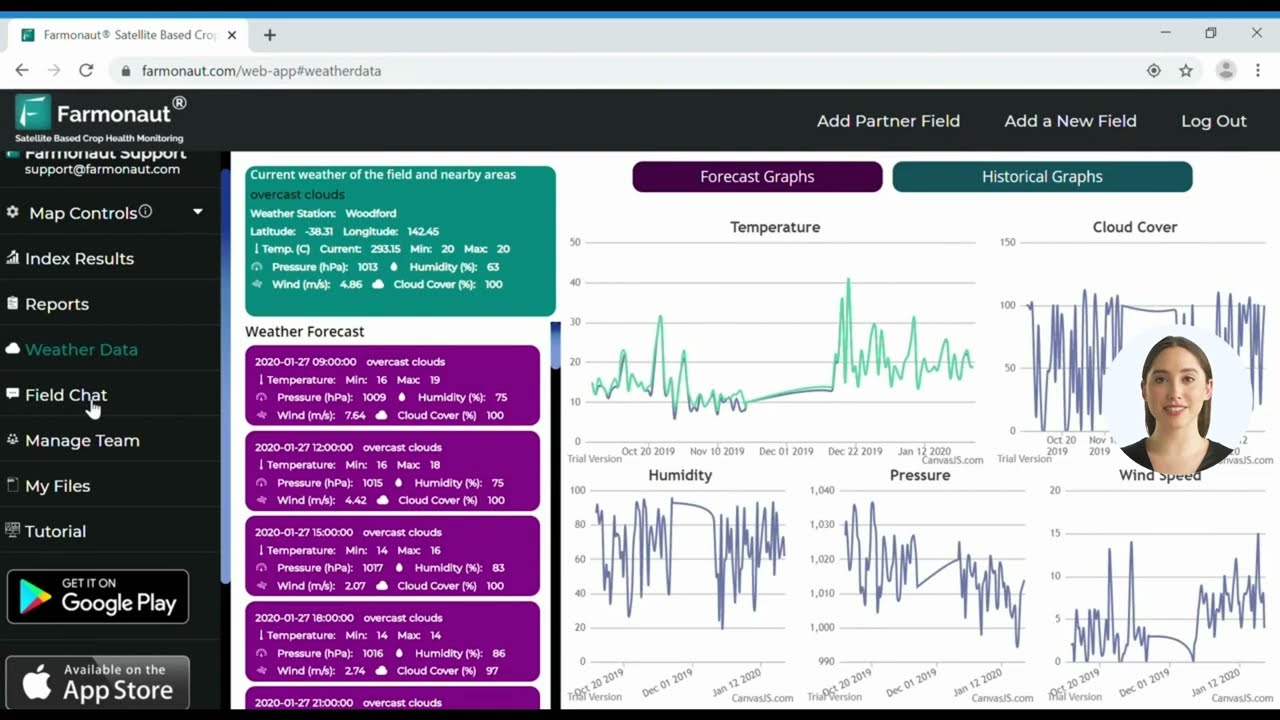
At Farmonaut, we believe that large-scale farm management solutions are critical for advanced monitoring of aquaculture and crop lands. By leveraging multispectral satellite imagery and AI analytics, we enable producers around the Yangtze to make timely, sustainable management decisions at scale.
For stakeholders seeking API integration, our API and developer documentation offer seamless access to satellite-based data that supports actionable insights, traceability, and compliance in aquaculture.
Farmonaut: Enabling Data-Driven, Sustainable Aquaculture in 2025
We at Farmonaut are committed to empowering those who farm along the Yangtze River—and beyond—with affordable, real-time satellite-based tools for monitoring, AI advisory, blockchain traceability, and resource management, supporting the next era of sustainable aquaculture, rural livelihoods, and ecological protection. Our solutions support:
- Environmental Impact Tracking: Our carbon footprinting tool empowers aquaculture farms to measure and reduce their emissions, ensuring regulatory compliance and environmental stewardship along the Yangtze.
- Traceability: Our blockchain-based feature lets Yangtze fish farms guarantee end-to-end authenticity from hatchery to market, boosting buyer confidence and meeting export requirements.
- Resource Optimization: We enable businesses to cut costs and improve operations across fleet management and large farm holdings using actionable satellite data and AI insights.
- Satellite Surveillance for Health & Efficiency: Automated monitoring detects disease risks, pollution, and operational inefficiencies, reducing losses and supporting the health of local communities and aquatic ecosystems.
- Financial Access: Our tools for crop loans and insurance verification help aquaculture farmers access vital financing with transparency and speed.
We make these capabilities accessible via easy-to-use Android, iOS, and web apps, along with robust APIs for integration.
Farmonaut’s modular platform is designed to serve everyone from small landholders to large commercial farms, ensuring scalability as aquaculture operations grow across the Yangtze basin, in China, and globally.
Ready to get started?
Comparative Trend Table: Aquaculture Along the Yangtze River (2023-2025)
| Year | Aquaculture Production Volume (tons, estimated) | Sustainable Practices Adopted (% of farms) | Environmental Impact Score (Index, est.) | Rural Employment Provided (jobs, estimated) | Biodiversity Health Indicator (Index, est.) |
|---|---|---|---|---|---|
| 2023 | 4,150,000 | 42% | 0.67 | 2,650,000 | 0.62 |
| 2024 | 4,580,000 | 54% | 0.73 | 2,870,000 | 0.71 |
| 2025 | 5,120,000 | 66% | 0.81 | 3,240,000 | 0.80 |
As shown above, aquaculture production volume along the Yangtze River is projected to grow in 2025. Simultaneously, a greater percentage of farms adopt sustainable practices. Improvements in environmental impact and biodiversity indicators mirror successful integration of technology, community engagement, and policy measures for a healthier and more productive river basin.
Frequently Asked Questions: Aquaculture Trends Farmed Along the Yangtze River (2025)
The most common species include Chinese mitten crab (Eriocheir sinensis), grass carp (Ctenopharyngodon idella), and silver carp (Hypophthalmichthys molitrix). Other species include various shellfish and aquatic plants, especially within integrated aquaculture systems.
By providing over 5 million tons of sustainable fish annually in 2025, aquaculture reduces pressure on wild fisheries, meets rising protein demand, and supports food security for China’s urban and rural communities.
Integrated Multi-Trophic Aquaculture (IMTA), rice-fish farming, and smart water management systems are leading trends. Monitoring technologies and alternative feeds, including plant and insect proteins, are also prevalent.
Flooding, industrial pollution, climate change, urban expansion, and biodiversity loss are ongoing issues. Continued government action and technology integration are crucial to address these challenges effectively.
Satellite data: Offers real-time monitoring of farms, environmental health, and water quality.
Blockchain: Powers traceability, ensuring product authenticity, quality, and reduced risk of fraud, which is key for exports and food safety.
We deliver real-time satellite monitoring, AI-based advisory, and blockchain traceability solutions to help optimize yield, preserve ecosystem quality, and support sustainable livelihoods for communities farmed along the Yangtze River. These tools enhance operations, transparency, and access to resources or financing.
To access our apps for satellite-based monitoring, farm management, and environmental impact solutions, visit:
Farmonaut Web App,
Android,
iOS
To integrate satellite intelligence for aquaculture or regional ecosystem management, use our Farmonaut API and get more details in our API developer documentation.
Conclusion: Future-Ready Yangtze Aquaculture
Aquaculture farmed along the Yangtze River is far more than a mechanism for food production: it symbolizes the living, dynamic interface between culture, economy, and environment in one of China’s most vital regions.
Looking toward 2025 and beyond, the practice remains a cornerstone of sustainable agricultural development, continually adapting through innovation and scientific management to meet global food security and ecological challenges.
As the Yangtze continues its journey to the East China Sea, the fish farms, aquatic organisms, and communities along its banks stand as a testament to both human ingenuity and the power of harmonizing modern technology with ancient wisdom. Through sustainable practices, cutting-edge tools, and the empowerment of local farmers, the future of aquaculture in the Yangtze region looks not only productive but resilient, balanced, and thriving.
If you are ready to harness the next generation of satellite-powered, sustainable aquaculture solutions farmed along the Yangtze River or anywhere worldwide, visit Farmonaut for more information and to explore our product suite.
Discussion
Questions, corrections or field experience? Share them below. First-time comments are reviewed before they appear, and your email is never published.
No comments yet. Be the first to add a question or your experience.

 Agroes
 Etech Consulting Madagascar
 Vestlandsforsking
 Elders
 Agritein
 Delicio
 WB Dev
 Sama Premium
 Prochecker
 Tres Valles
 LACOS Geoinformation
 Magrifly
 LatConnect 60
 WebsEdge
 Blickwinkel
 Agricultural Credit Policy Council
 Marei Nursery
 eKGIS
eKGIS Mostas Tech
 Andex
Andex
