

Farms in Russia & Korea, Crops of Russia: 2025 Trends — How Technology and Sustainability Shape the Future of Global Agriculture
“In 2023, over 40% of Russian farms adopted precision agriculture tools, boosting strategic crop yields significantly.”
- Introduction: The Global Importance of Farms in Russia & Korea, Crops of Russia 2025
- Farms in Russia 2025: Scale, Diversity & Rapid Modernization
- Crops of Russia 2025: Strategic Role in Global Food Security
- Technological Modernization and Innovation Trends in Russian Agriculture
- Sustainable & Environmental Practices on Farms in Russia
- Farms in Korea 2025: Innovation, Smart Systems & High Efficiency
- Key Crops & Climate-Resilient Approaches in Korea
- Technology Integration: How Korean Farms Lead in Smart Agriculture
- Comparative Trends Table: Russia and Korea in 2025
- How Farmonaut Empowers Modern Agriculture With Satellite & AI Tools
- Future Outlook: 2025 and Beyond — Emerging Trends for Russia and Korea
- Frequently Asked Questions (FAQ) — Farms in Russia & Korea, Crops of Russia 2025
Introduction: The Global Importance of Farms in Russia & Korea, Crops of Russia 2025
The dynamic landscape of global agriculture is undergoing a transformation, driven by rapid technological innovation, sustainability imperatives, and shifting market forces. As we look toward 2025, farms in Russia and Korea represent two compelling and contrasting models of agricultural advancement — both playing a critical role in ensuring food security, responding to population growth, and meeting the demands of an increasingly interconnected world.
Russia’s vast expanse and diverse climate enable it to stand as one of the world’s leading agricultural producers. Its farms are central to the global supply of wheat, barley, rye, corn, and oilseeds, leveraging the exceptional fertility of the Black Earth (Chernozem) region and expansive steppe zones.
Meanwhile, Korea — particularly South Korea — is pioneering high-tech, highly efficient farming in a compact geography. Through vertical agriculture, smart greenhouses, and AI-powered management, farms in Korea set an example for innovation amidst constraints, showcasing distinct yet complementary strengths in the evolving global agricultural arena.
Let’s explore the technological, environmental, and strategic production trends shaping farms in Russia & Korea, crops of Russia as we head into 2025.



Farms in Russia 2025: Scale, Diversity & Rapid Modernization
Farms in Russia continue to be defined by their immense scale, diversity of crop cultivation, and accelerating modernization. The country’s agriculture is shaped by unique climatic conditions, soil types, and expansive regions:
- Vast Arable Land: Russia’s fertile Black Earth (Chernozem) region and expansive steppe zones foster the cultivation of a wide variety of crops essential domestically and internationally.
- Grain Production at Scale: Areas like the Central and Southern Federal Districts are among the most productive regions globally for grains — particularly wheat, barley, rye, and corn.
- Structural Diversity: Both large commercial enterprises and smaller family-run farms coexist throughout the agricultural landscape, each playing a significant part in meeting global demands.
This unique setup means farms in Russia are both producers for the international market and the backbone of domestic food security.
Modernization Efforts: Embracing Technology & Innovation
Throughout the early 2020s, the modernization of Russian farming has accelerated dramatically. Farms are increasingly adopting precision agriculture tools, advanced farm management systems, and digital solutions to address climate unpredictability, rising population needs, and a changing market landscape.
- Precision Agriculture: Use of GPS-guided machinery, satellite monitoring, field sensors, and drones for crop monitoring, yield tracking, and resource allocation.
- Climate Adaptation: Deployment of cold-resistant seed varieties, greenhouse expansion for season extension, and investments in high-tech storage infrastructure to reduce losses.
- Sustainability Initiatives: Early efforts to reduce dependence on chemical inputs, conserve water, and improve soil health.
According to industry reports, in 2023, more than 40% of Russian farms had adopted at least one form of precision farming technology — a number projected to climb sharply by 2025 as market demands and international competition intensify.

Crops of Russia 2025: Strategic Role in Global Food Security
The crops of Russia remain integral to global food security, particularly as climate change and shifting dietary patterns disrupt traditional agricultural regions worldwide. In 2025, the Russian crop portfolio is diverse and strategically managed to supply both domestic needs and international markets.
Key Russian Crops and Their Global Importance
- Wheat: Russia is consistently among the top wheat exporters globally. Russian wheat flows to North Africa, the Middle East, and Southeast Asia, stabilizing sensitive food markets.
- Barley & Rye: Essential for both food and livestock feed, increasingly critical for export markets.
- Corn: Gaining in importance for animal feed and food processing industries worldwide.
- Sunflower (Oilseeds): Russia and Ukraine together supply a significant portion of the world’s sunflower oil exports; Russian production remains pivotal post-2024.
- Sugar Beets & Potatoes: Core crops for food processing and the national diet.
- Flax: Grown for both the linen industry and as a healthy oilseed, adapted well to Russia’s northern climates.
- Vegetables: Increasingly produced in technologically advanced greenhouses to supply urban areas and reduce reliance on imports.
The strategic importance of these crops lies in their role as a buffer for global grain supplies. As climate variability affects yield reliability in North America, Australia, and the EU, Russia’s stable output is more important than ever in meeting the demands of a growing world population.
Russian Agricultural Innovation: Crop Research & Enhanced Varieties
- Biotechnology & Breeding Programs: Russian agricultural research institutions are driving the development of pest and disease-resistant crops and improved hybrids for yield and nutritional profile.
- Organic & Non-GMO Trends: In response to rising consumer sustainability and health awareness, there is growing investment in traceability and organic farming certification.
- Resource Use Efficiency: Adoption of data-driven crop rotation and fertilization regimes to optimize land productivity and conserve soil health.
With crops of Russia under continuous modernization and research, the country cements its place as a critical stabilizer in volatile global agricultural markets.

Technological Modernization and Innovation Trends in Russian Agriculture
The push for modernization in farms in Russia is about both enhancing productivity and addressing environmental and market demands. Here are the most significant technological advancements for 2025:
Precision Agriculture & Digital Tools
- Satellite Imagery and Data Analytics: Real-time satellite data is used to monitor vegetation health (NDVI), soil conditions, and weather, enabling detailed farm management.
- Automated Machinery: Widespread use of GPS-guided tractors and combines maximizes yield and reduces overlap or wasted input application.
- Smart Sensors: Deployed throughout fields to monitor moisture,
nutrient levels, pest, and disease risks for timely intervention. - Drones: Provide high-resolution imagery for crop stress monitoring, yield estimation, and even precision spraying.
- Blockchain Integration: Enables farm-to-market traceability for crops, supporting certification and compliance with international standards.
All these systems directly contribute to higher large-scale farm management efficiency and secure, transparent supply chains.

Responding to Environmental & Market Demands
- Water Conservation: Smart irrigation systems and water monitoring for both open field and greenhouse crops.
- Pest & Disease Management: Use of AI-based advisory systems for early warning to reduce excessive chemical application and enable eco-friendlier agricultural practices.
- Climate Change Adaptation: Focus on drought- and cold-resistant crop varieties, with rapid-shifting of planting schedules and crop types based on predictive data.
Russian farms are increasingly recognized for their adoption of sustainable, data-backed approaches to face both old and emerging challenges.

Our Satellite-Driven Solutions
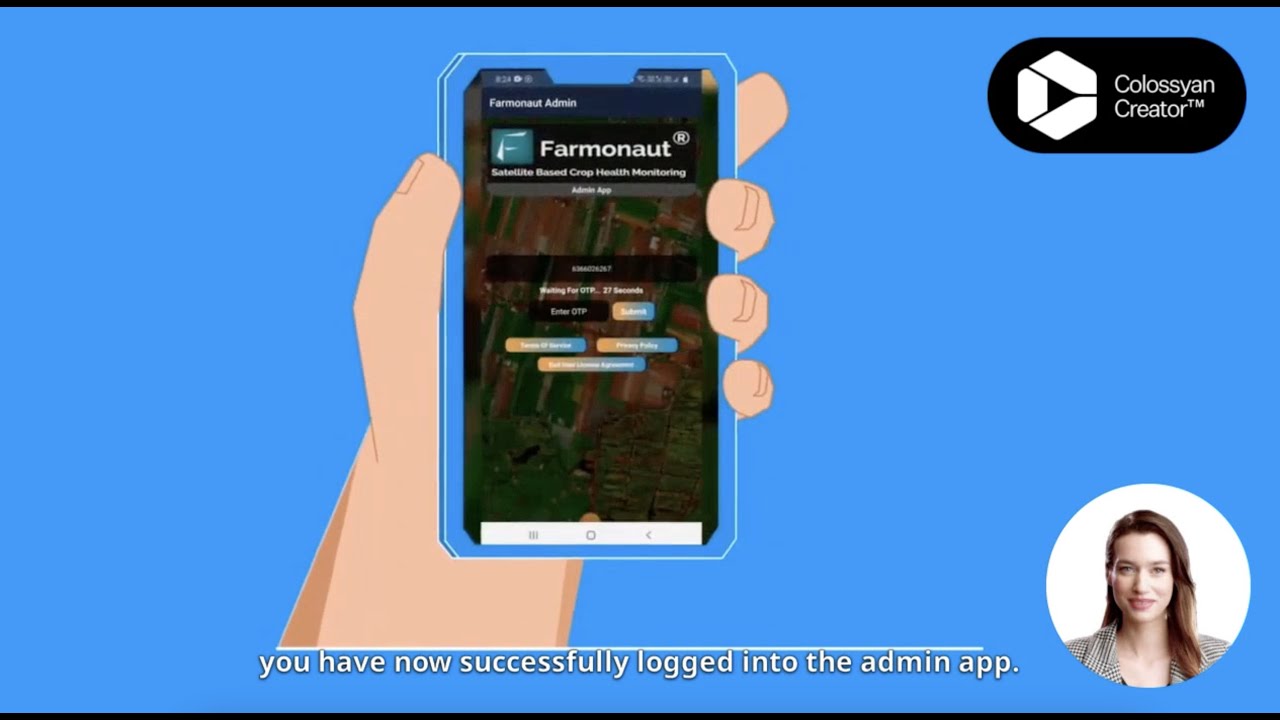
We at Farmonaut provide advanced satellite-based monitoring and management tools for agriculture. Our API and developer documentation offer open integration options for businesses and developers seeking real-time data on crop health, soil conditions, and resource management, enabling farms to adapt quickly and efficiently.

Sustainable & Environmental Practices on Farms in Russia
Environmental responsibility is becoming a keystone for Russian farms, with actions and investments driven by both government policies and international market expectations.
Key Sustainability Initiatives (2025 & Beyond)
- Carbon Footprinting: Large farms are adopting carbon monitoring solutions to measure and reduce agriculture’s climate impact as export markets tighten emission standards.
- Reduced Chemical Use: Emphasis on biological pest management, organic crop rotations, and certified eco-friendly practices.
- Soil Regeneration: Use of cover cropping, minimal tillage, and organic matter additions to restore and maintain soil health.
- Efficient Resource Use: Data-based optimization of water and fertilizer use to minimize waste and environmental runoff.
We enable real-time environmental impact monitoring — supporting sustainable choices on the farm and alignment with growing consumer and regulatory demands.
“South Korea’s smart farming sector is projected to grow by 13% annually, revolutionizing high-tech greenhouse crop production.”
Farms in Korea 2025: Innovation, Smart Systems & High Efficiency
The story of farms in Korea, especially in South Korea, is one of technological ingenuity and resource optimization. Despite a much smaller land base relative to Russia, Korea’s agriculture is a beacon for urban and peri-urban farming innovation, serving as a global model for efficient production in space-constrained environments.
- Vertical Farming & Smart Greenhouses: South Korea’s rapid adoption of hydroponics, soilless cultivation, and automated greenhouse systems is dramatically enhancing yields per square meter.
- IoT & AI Integration: Farms utilize advanced sensor networks for precise control of light, water, and nutrients; AI-powered crop prediction ensures optimal harvest timing and disease management.
- Urban and Suburban Farming Models: Strategic use of small plots, rooftops, and inner-city vertical spaces to supply ultra-fresh produce with minimal transport emissions.
Responding to Social and Environmental Pressures
The Korean agricultural model is adapting to:
- Aging Rural Population: Policies incentivizing young entrepreneurs and farm consolidation and modernization.
- Limited Land: High-tech, high-yield farming methods to maximize every square meter of arable ground.
- Climate Change: Active research into climate-resilient crop varieties, new irrigation solutions, and risk management for unpredictable weather.

Key Crops & Climate-Resilient Approaches in Korea
South Korea’s approaches to crop production reflect both traditional influences and cutting-edge innovation:
- Rice: While no longer the dominant force, rice remains vital. New climate-tolerant strains and water-efficient practices ensure continued local production.
- Vegetables & Fruits: Smart greenhouse and hydroponic cultivation enable year-round crops like tomatoes, peppers, lettuce, and strawberries, often rivaling imported produce for quality.
- Specialty Crops: Urban farms frequently focus on high-value microgreens, herbs, and exotic varieties responding to urban dietary trends.
By 2025, South Korean agriculture is projected to see double-digit percentage increases in greenhouse and vertical farm outputs, setting a new standard for small-scale, high-efficiency crop production.
Government Policy and Investment
- Support for AgriTech Startups: Robust funding streams accelerate technology R&D and market adoption.
- Climate Resilience: National targets for hereditary crop improvement and water-saving technologies in response to climate-driven weather variability.
- Sustainability Targets: National push to reduce chemical input usage and transition toward carbon-neutral greenhouses and renewable-powered farm systems.
Technology Integration: How Korean Farms Lead in Smart Agriculture
It is within the Korean smart farming sector that we see some of the most intensive technology adoption and digital transformation:
- AI & IoT Platforms: Automated environmental control — climate, pH, moisture, light, and nutrients — for precision optimal growth at all stages.
- Real-Time Crop Monitoring: Use of sensors and cameras in smart greenhouses and vertical farms to monitor plant health, identify diseases, and immediately optimize growing conditions.
- Blockchain in Food Traceability: Digital ledgers verify supply chains from greenhouse to retailer, strengthening consumer trust and premium market access.
- Robotics and Automation: Machine-assisted seedling planting, harvesting, and sorting, mitigating labor shortages and supporting an aging farm population.
These systems reduce labor costs, minimize chemical use, and enable Korea to meet shifting population dietary patterns with safer, more sustainable food production methods.
We proudly support data-driven farm management and offer accessible insights into crop health and environmental parameters for all scales of operation.
Comparative Trends Table: Russia and Korea in 2025
The following table highlights the distinct strengths of farms in Russia and farms in Korea in 2025, offering a direct comparison based on estimated quantitative data for key crops, technology adoption, sustainability implementation, and output growth.
| Country / Region | Key Crops (2025 Estimate) | Adoption of Advanced Technologies (%) | Sustainability Initiatives (%) | Expected Output Growth (2025 vs. 2024) |
|---|---|---|---|---|
| Russia (Black Earth Region, Steppe) | Wheat (1st globally), Barley, Rye, Corn, Sunflower, Flax, Sugar Beet, Potatoes, Greenhouse Vegetables | 50-60% of large & mid-size farms by 2025 | 35-45% implementing standards (organics, reduced chemical) | 3-5% increase (weather, technology-driven) |
| South Korea (Urban, Peri-Urban, Rural) | Rice (climate-resilient varieties), Tomatoes, Peppers, Lettuce, Strawberries, Microgreens, Specialty Herbs | 70-80% of greenhouse/vertical farms by 2025 | 50-60% adopting smart/eco-friendly practices | 10-13% increase (urban/controlled environment farming) |
How Farmonaut Empowers Modern Agriculture With Satellite & AI Tools
At Farmonaut, our mission is to make cutting-edge technology and data-driven insights accessible to all stakeholders in the agricultural sector — from the vast cereal-producing regions of Russia to the precision-driven smart farms in Korea.
- Satellite-based Crop Monitoring: Our multispectral satellite imagery supports continuous tracking of crop health, soil moisture, and vegetation index, ensuring that farms efficiently respond to changing field conditions.
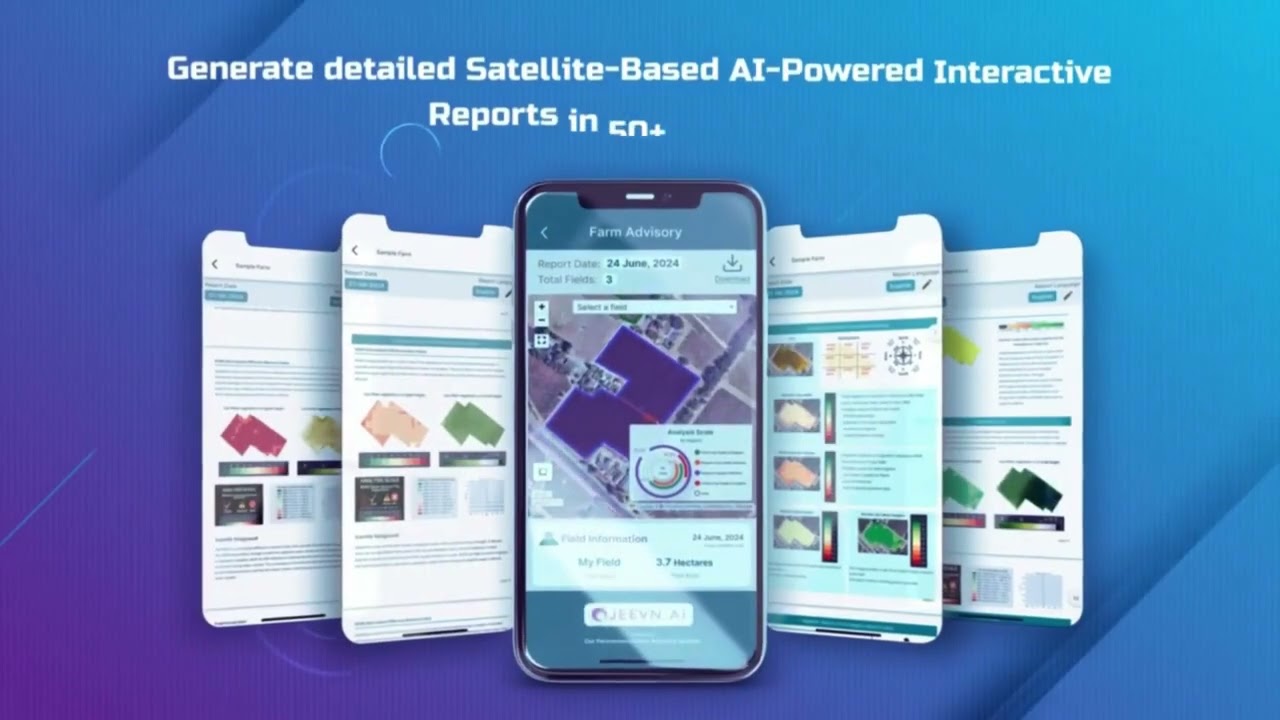
- AI-Based Advisory Tools: The Jeevn AI Advisory System delivers actionable, real-time insights for managing crop stress, irrigation, and yield forecasts (see our video for more details).
- Blockchain for Traceability: Our traceability system ensures product authenticity and transparent supply chains, essential for meeting global standards and premium markets.
- Environmental Impact Measurement: Carbon footprinting tools allow farmers to monitor emissions and comply with environmental policies.
- Resource & Fleet Management: With our fleet management solutions, agricultural enterprises can optimize logistics, reduce operational costs, and enhance safety.
- Financing Enablement: Our satellite-based crop loan and insurance platform streamlines verification, reduces fraud, and increases access for farmers seeking financial products.
Flexible Access Across Devices
Farmonaut empowers users worldwide through our web, Android, and iOS platforms (see download options above). We also support scalable integration for government and business with our accessible satellite API.
Future Outlook: 2025 and Beyond — Emerging Trends for Russia and Korea
Farms in Russia and Korea set the pace for global agricultural innovation and sustainability. As we move further into 2025, both countries are expected to:
- Deepen Technology Adoption: With widespread integration of satellite, AI, and blockchain, precision management will be the norm, not the exception.
- Advance Sustainability: Regulatory requirements and market preference will continue to drive sustainable crop production — reducing carbon footprints and input waste, and restoring soil health.
- Expand Climate Resilience: Ongoing research into new genetic lines and adaptive management systems will help buffer both regions from the impacts of climate change.
- Increase Output and Security: Higher reliability in food production and improved risk management ensuring reliable supply amidst a growing global population.
- Promote Traceable, Transparent Markets: Demand for verifiable, transparent food origins will strengthen, opening doorways for premium, value-added agricultural exports.
Collaboration between technology providers, business, and government, as well as data-driven decision making, will be fundamental to the success of agriculture in both Russia and Korea.
Frequently Asked Questions (FAQ) — Farms in Russia & Korea, Crops of Russia 2025
1. What are the top crops of Russia in 2025?
The crops of Russia in 2025 include wheat (the largest by volume and export), barley, rye, corn, sunflower (for oil), flax, sugar beets, potatoes, and a fast-growing segment of greenhouse vegetables. These crops remain essential for both domestic food security and international exports.
2. Why is modernization critical for farms in Russia?
Modernization — via precision technology, advanced equipment, and sustainable practices — is vital for Russian farms to remain productive amid climate volatility, global market demands, and the need for environmental responsibility.
3. How do Korea’s farms overcome limited land?
Farms in Korea exploit vertical farming, smart greenhouses, hydroponic systems, and digital management to maximize yields per square meter. This minimizes land use and allows high-tech, year-round crop production despite limited acreage.
4. What role does Farmonaut play in agricultural technology?
We at Farmonaut provide satellite and AI-powered advisory solutions for crop monitoring, environmental impact tracking, resource management, and product traceability. Our mission is to make these insights affordable and accessible, supporting the next generation of sustainable agriculture worldwide.
5. What are the most significant trends in global agriculture for 2025?
- Precision farming and data-driven decision-making through AI and satellite imagery
- Increased focus on sustainable, eco-friendly agricultural practices
- Development of climate-resilient crop varieties and risk-mitigation systems
- Transparent and traceable supply chains for both domestic and export markets
- Greater integration of digital management across the value chain
6. How are climate change and shifting population patterns impacting farms in Russia and Korea?
Climate change is causing unpredictable weather and shifting pest/disease patterns. Farms in both Russia and Korea are responding with adaptive technology, new crop varieties, and proactive water and resource management. Urbanization and an aging population push for more technology and efficiency in both regions’ agriculture.
7. Where can I find more about Farmonaut’s technology and solutions?
– To monitor large farms, analyze crop health or manage operations via satellite and AI, use our Large-Scale Farm Management platform.
– For traceability, sustainability, fleet, or carbon footprint tracking, visit our product pages or start integrating via our API.
– You can also download our app(s) as per your requirements (see links above).
Summary: Farms in Russia & Korea, Crops of Russia — 2025 and Beyond
As we advance through 2025, farms in Russia and Korea showcase transformative agricultural models — Russia with its vast, fertile, export-driven approach; Korea with its innovative, high-tech urban and peri-urban systems. Both countries are at the forefront of technological modernization, sustainable practices, and climate adaptation. Their evolving landscapes not only ensure their own food security but play a pivotal role in stabilizing and innovating global agriculture.
While our role as Farmonaut is strictly that of a technology provider — empowering farms, businesses, and governments with actionable satellite data and AI insights — we remain committed to supporting a more productive, secure, and environmentally responsible future for agriculture worldwide.
To learn more, access our tools via the app store links above, and explore how advanced technology can transform your own agricultural operations.

 Geospatial Lab Africa
 KhetiBuddy
 Agro La Gándara
 Global Agrifood
 HIPSAC
 ZOL Zimbabwe
 Juligerm
 AdBio
AdBio MISE Maroc
 NWNS
NWNS Red August Group
 Farm Inc
 WeMe Global
 Agrotoken
 Blue BearX
 Insignito
 Croptimum
 DnCubed
 Field Capacity
 Indosistim Teknologi
