

Hydroponic Saffron Farming in India: 2025 Innovations & Future Trends
Introduction: The Rise of Hydroponic Saffron Farming in India
Saffron, termed the “red gold” of the agricultural world, stands not just as one of the world’s most expensive and valued spices, but also as a marvel of fragrance, flavour, and medicinal brilliance. From its historical strongholds in Kashmir, Iran, and Spain, saffron faces contemporary challenges including climate unpredictability, labor intensity, and shrinking arable land. As India’s agritech sector propels into 2025, a revolution is in motion—hydroponic saffron farming and aeroponic farming saffron are reshaping possibilities, boosting quality, and making saffron cultivation more sustainable and profitable than ever.
In this comprehensive guide, we decode how hydroponic and aeroponic saffron farming are rewriting the playbook for saffron growers in India. Through science, technology, and expert insight, discover why soilless saffron farming is the next big leap for yield, sustainability, and global market readiness.
What is Saffron? Unpacking the Red Gold
Saffron is harvested from the stigma of the Crocus sativus flower, a crop renowned globally for its unique aroma, color, flavor, and medicinal properties. It is often termed the “red gold” because of its high price, labor-intensive harvesting, and limited stacking regions, including Kashmir, Iran, and Spain. Traditional saffron cultivation requires specific climate parameters, particularly cool winters and dry, warm summers.
- Rich in crocin (gives color), safranal (gives aroma), and picrocrocin (gives flavor)
- Used in culinary, medicinal, and cosmetic industries globally
- Faces acute challenges of climatic dependency, soil-borne diseases, labor intensity, and low yield efficiency
With growing global demand and pressure on natural resources, advanced cultivation methods have become crucial for Indian farmers to stay competitive, sustainable, and resilient to climate change.
Traditional Saffron Cultivation vs. Innovative Methods
Traditional saffron farming historically flourishes in Kashmir (Pampore region), relying heavily on the available arable land and seasonal weather patterns. Cultivation is typically limited to one annual harvest and is highly labor-intensive. The susceptibility to pests, diseases, and climate vagaries is high, and water usage per kilogram of harvested saffron can be substantial.
- Land constraints: Saffron requires well-drained, loamy soil, making it site-limited
- Water requirements: Considerable, and often limited by regional droughts
- Dependency on climate: Extreme sensitivity to seasonal weather, risking failed crops
- Labor intensity: Delicate manual planting, monitoring, and harvesting increase costs
Enter hydroponic saffron farming and aeroponic farming saffron: advanced agritech methods that optimize growing environments, use soilless media or no medium at all, and dramatically increase the potential for yield, quality, and sustainability in India and beyond.
Understanding Hydroponic Saffron Farming in India
Hydroponic saffron farming involves growing plants without soil, using a nutrient-rich solution to deliver all necessary minerals directly to saffron corms. In India, where climatic extremes and limited arable land are prevalent, this method offers a controlled, scalable, and sustainable approach for saffron cultivation.
Key Features of Hydroponic Saffron Farming
- Soilless Cultivation: Saffron corms are placed in inert media like perlite, cocopeat, clay pellets, or even suspended in trays within a nutrient solution bath.
- Controlled Environment: Allows precise adjustment and monitoring of nutrient availability, pH levels, temperature, humidity, and light cycles.
- Multiple Harvests Per Year: Hydroponic techniques can accelerate crocus growth cycles, enabling 2-3 harvests per year, compared to the single seasonal harvest in traditional methods.
- Reduced Water Usage: Systems are recirculatory, drastically decreasing water waste while maintaining optimal moisture around the corms.
- Lower Risk of Pests and Diseases: Eliminates soil-borne threats, thus lowering chemical pesticide requirements and promoting cleaner, organic produce.
- Suitability for Urban/Non-traditional Regions: With land usage optimized via vertical stacking, hydroponics enables saffron growth in cities or in previously unsuitable regions (e.g., Maharashtra, Tamil Nadu, Haryana).
Example Hydroponic Setup: Multi-tier racks fitted with temperature and humidity controls, LED grow lights, and automated nutrient solution delivery systems. The corms are sheltered from adverse weather patterns, leading to higher yields and superior saffron quality.

Aeroponic Farming Saffron: Advantages & Practices
Aeroponic farming saffron elevates soilless cultivation a step further. Instead of relying on a solid or semi-solid medium, corms are suspended in the air and regularly misted with a nutrient solution. Roots are never waterlogged, optimizing oxygen absorption and nutrient uptake.
Aeroponics: Unique Edge in Saffron Cultivation
- Maximum Oxygenation: Roots are exposed to both air and nutrients, resulting in faster growth rates and healthier, disease-resistant crocus plants.
- Water Efficiency: This method uses up to 90% less water compared to traditional cultivation and even outperforms hydroponic water usage in arid regions of India.
- Unprecedented Control: Direct root access allows tailored nutrient delivery, essential for the precise flowering and stigma production required in premium-grade saffron.
- Minimal Disease Risk: The completely controlled environment eliminates most soil- and water-borne pathogens.
- Suitability for Vertical Farming: Aeroponics supports vertical stack systems, vastly increasing yield per square meter and making urban/roof-top saffron production viable.
In India, saffron aeroponic farming is gaining momentum within both research and commercial sectors, particularly in metropolitan areas where land is at a premium. Its benefit for sustainable agriculture in water-scarce regions makes it highly relevant as we move deeper into 2025.

Comparison Table: Traditional vs. Hydroponic vs. Aeroponic Saffron Farming
| Farming Method | Estimated Yield (kg/sq.m) | Water Usage (liters/kg) | Time to Harvest (months) | Initial Setup Cost (INR) | Quality Traits |
|---|---|---|---|---|---|
| Traditional Soil-based | 0.1–0.2 | >8000 | 7–9 | 30,000–40,000/sq.m | Variable crocin, shorter threads, risk of contamination |
| Hydroponic | 0.25–0.3 | 1,500–2,500 | 5–7 | 70,000–1,20,000/sq.m | Higher crocin, longer threads, no soil contaminants |
| Aeroponic | 0.3–0.35 | 500–1,000 | 4–6 | 1,10,000–1,65,000/sq.m | Max crocin, premium thread length, ultra-clean quality |
This table underscores how technologically advanced farming methods, like hydroponics and aeroponics, can significantly enhance yield, cut resource usage, and uplift quality traits for saffron in India’s evolving agriculture sector.
Opportunities & Growth in Saffron Hydroponic Farming in India
As the Indian government and private agritech innovators double down on advanced saffron farming, the growth opportunities for hydroponic and aeroponic saffron farming in India stand unmatched:
- Climate Adaptability: Overcomes specific climate dependencies—enables high-grade saffron farming even in Maharashtra, Tamil Nadu, Haryana, Punjab, and other non-traditional regions.
- Resource Efficiency: Dramatically reduces water and land requirements. This aligns perfectly with India’s push for sustainable agriculture amid mounting drought and land shortage issues.
- Enhanced Yield & Quality: Controlled growth environments ensure optimum stigma color, thread length, and aroma—increasing both market price and export competitiveness.
- Reduction in Labor Intensity: Automation minimizes manual intervention and frees up labor, reducing operational costs and human error.
- Organic & Clean Produce: Limited or no chemical inputs; soilless techniques result in organic certification readiness.
- Employment & Skilling: Opens new career opportunities in agritech, hydroponic system management, and agri-entrepreneurship for Indian youth.
- Multiple Harvests: Possibility of 2–3 saffron harvest cycles per year is a game changer for profitability.
- Market Growth: Saffron demand is expected to escalate globally, providing Indian producers with high-margin export opportunities.

Supporting Precision Saffron Cultivation with Farmonaut
As hydroponic saffron farming and aeroponic saffron farming emerge as the future of saffron cultivation in India, the ability to monitor, analyze, and optimize every aspect of the crop cycle becomes paramount. This is where Farmonaut, a pioneering agricultural technology platform, delivers immense value:
How We at Farmonaut Empower Indian Saffron Farmers
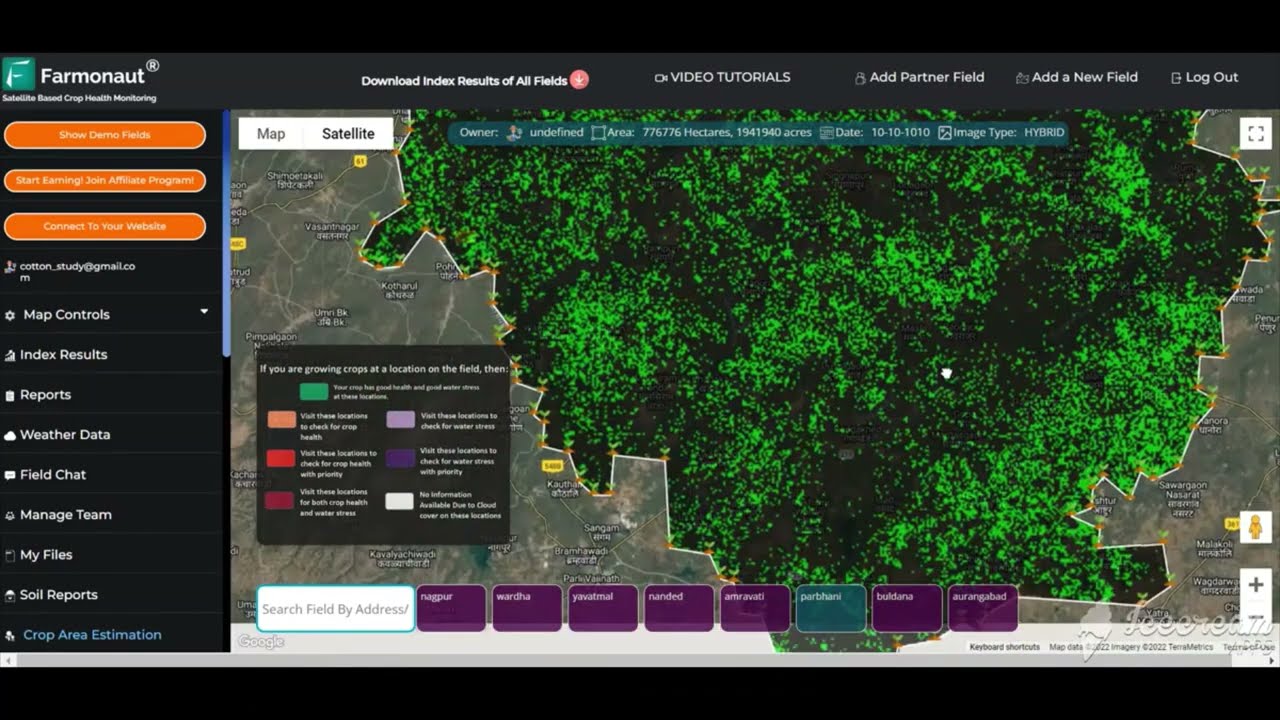
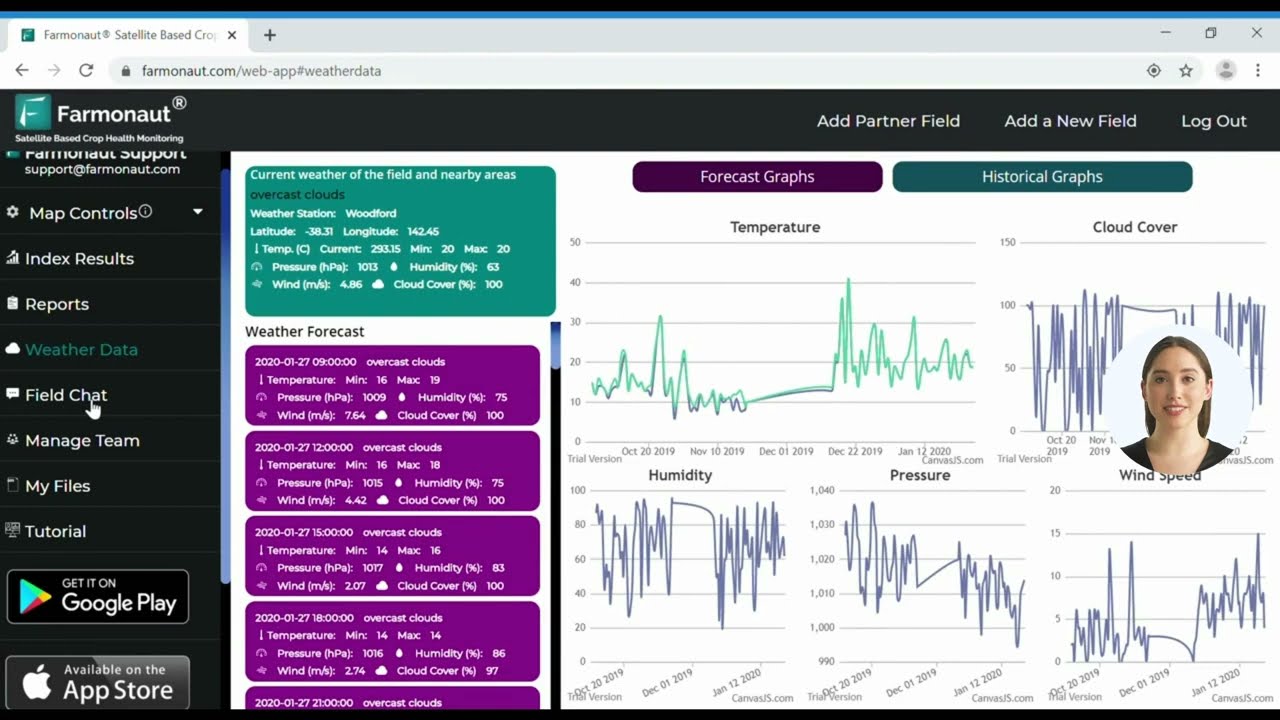
- Satellite-Based Crop Health Monitoring: We provide real-time, satellite-derived insights on vegetation health (NDVI), moisture levels, and anomalies—empowering growers to minimize resource wastage and maximize yield.
- AI-Powered Advisory: Our Jeevn AI delivers predictive advisories, tailored crop management tips, and weather risk analysis—key for soilless saffron systems demanding absolute precision.
- Blockchain Traceability: We offer end-to-end product tracking, crucial for premium and export saffron markets that demand the highest transparency and authenticity standards. Explore traceability tools here.
- Resource Management: Our platform equips large farms and agribusinesses to coordinate fleet management, logistic, and irrigation routines for saffron hydroponic and aeroponic methods. Discover fleet management solutions.
- Carbon Footprint Tracking: Sustainability is at the core; our carbon tracking tools help saffron producers measure and lower their environmental impact. Learn more about carbon footprinting.
- Accessible Apps and API: Farmers and agribusinesses can use our mobile/web apps and integrate with our APIs (API Docs) for seamless, affordable precision farming.




Challenges and Solutions with Hydroponic & Aeroponic Methods
Hydroponic saffron farming in India, despite its tremendous promise, is not without challenges. Nevertheless, 2025 sees rapid innovation resolving many traditional bottlenecks:
- High Initial Setup Costs: Hydroponic and aeroponic infrastructure demand a higher upfront investment (racks, climate controls, nutrient delivery systems). However, government subsidies and increasing market demand are lowering barriers, especially for collective and cooperative farms.
- Operational Knowledge Gap: Successful operation requires an understanding of nutrient solutions, pH management, and regular monitoring of environmental parameters. This can be mitigated through training programs, digital advisories, and professional services.
- Power and Technology Dependency: Continuous power and system uptime are crucial for maintaining optimal growth conditions. Hybrid solar-powered solutions and sensor-based automation (offered by agri-platforms like Farmonaut) are rapidly overcoming this challenge.
- Disease Control: While soilless systems drastically reduce pathogen risk, strict sterilization protocols and real-time monitoring are still required to prevent waterborne or air-borne infection spread.
- Market Awareness: Traditionally, buyers associate saffron with Kashmir soil-based produce. Increasing awareness on the cleaner, higher quality of hydroponic/aeroponic saffron is essential for optimizing market value.
The accelerated adoption of IOT, satellite monitoring, AI advisories, and blockchain for certification is addressing many of these challenges, paving the way for a robust saffron hydroponic farming sector in India.
Farmonaut Products for Saffron Farming Innovation
As saffron cultivation evolves toward precision, scalability, and environmental sustainability, we at Farmonaut offer a suite of tools and services perfectly aligned with the needs of Indian saffron farmers and agribusinesses:
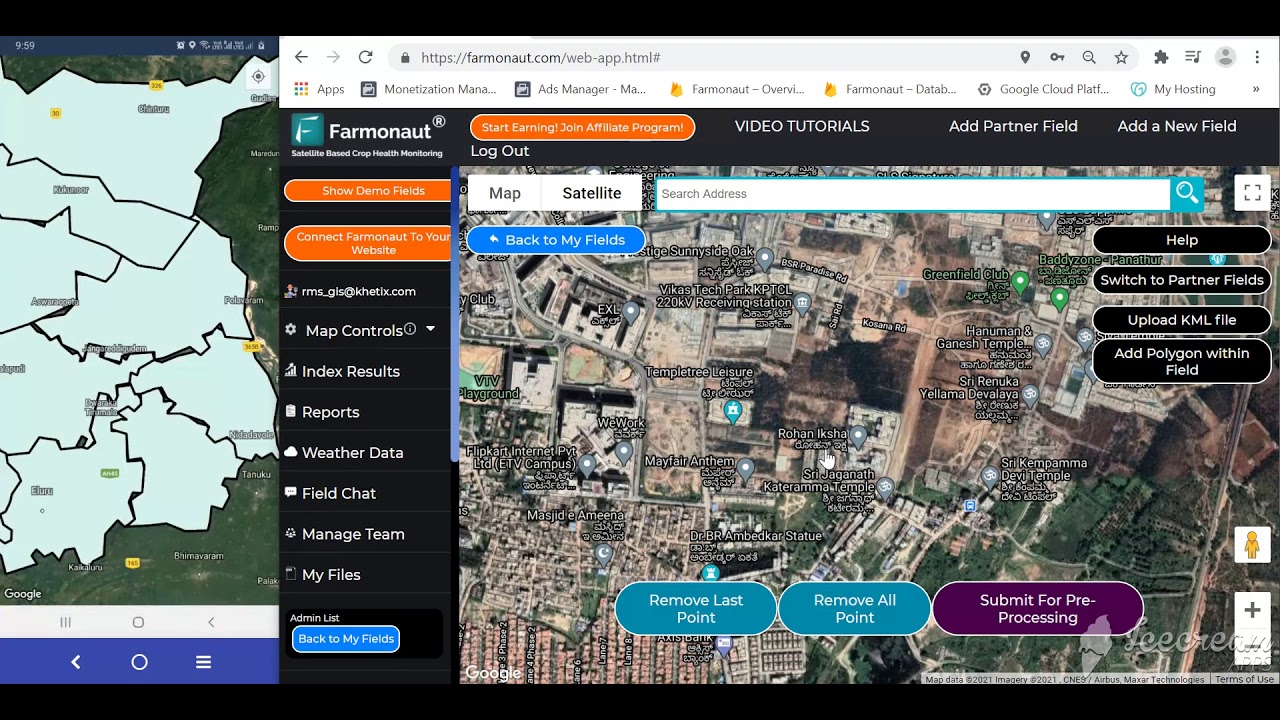
- Large Scale Farm Management: Our Agro Admin App provides an integrated dashboard for managing resources, workforce, and multiple saffron plots/facilities across India.
- Crop Loan and Insurance: Saffron producers can access financial products with satellite-based farm verification to ease crop loan approval and insurance claim validation. Explore: Crop Loan and Insurance Solutions
- Crop Plantation & Forest Advisory: Make smart decisions in saffron field expansion, optimal plantation timing, and overall health monitoring. Access crop advisory here.

Summary & The Future of Saffron Farming in India
Hydroponic saffron farming in India and aeroponic saffron farming are at the heart of the nation’s 2025 agriculture innovations, where controlled environments, sustainable methods, and advanced technologies deliver excellence. With challenges ranging from climate uncertainty in Kashmir to water scarcity in southern and western regions, soilless saffron farming offers practical, scalable, and high-impact solutions.
As demand for this premium spice grows globally, and as India strives to reduce import reliance and harness domestic yield potential, the amalgamation of hydroponics, aeroponics, and digital agritech platforms like Farmonaut will be crucial. From real-time crop health monitoring to blockchain-driven traceability, saffron farming is entering a phase where profit, sustainability, and quality can coexist harmoniously.
For modern Indian farmers and agri-entrepreneurs, hydroponic and aeroponic saffron farming is a golden opportunity—one that is reshaping India into a global powerhouse for the world’s most expensive and valued spice.
FAQ: Hydroponic and Aeroponic Saffron Farming
-
Q: Is hydroponic saffron farming in India profitable?
Yes—especially from 2025 onwards, as the technology becomes more accessible, operational costs drop, and market value for hydroponic saffron (due to quality and yield) rises. Controlled growth cycles allow for multiple annual harvests, increasing annual returns.
-
Q: Can saffron be grown outside Kashmir using hydroponics?
Absolutely. With hydroponic and aeroponic methods, environmental parameters can be simulated anywhere, enabling saffron cultivation in Maharashtra, Tamil Nadu, Haryana, and urban centers alike.
-
Q: How do water savings of aeroponic farming saffron compare to soil methods?
Aeroponic techniques can cut water usage by up to 90% compared to traditional soil-based saffron farming, making it extremely sustainable for water-stressed Indian regions.
-
Q: Are there government schemes for hydroponic saffron farming in India?
Yes, several state and central agritech schemes in India offer capital subsidies, technical training, and incentives for hydroponic and aeroponic farm setups. Check with your local agriculture department for current options.
-
Q: Do Farmonaut solutions support hydroponic saffron farmers?
We at Farmonaut provide crop health monitoring, AI advisories, resource and environmental management, and blockchain-based traceability—all of which are integral for managing, optimizing, and certifying hydroponic and aeroponic saffron operations.
-
Q: What is the future of saffron hydroponic farming in India?
The future is robust—combining soilless farming techniques, technological automation, and market innovations to position India as a world leader in saffron production, especially by 2025 and beyond.
Subscribe to Farmonaut Solutions
Experience affordable, accessible, and cutting-edge agricultural technology for precision saffron farming management. Choose a subscription that fits your farm size and operational needs below.

 DnCubed
 Pistachio ST
 Field Capacity
 Abhishta Agri
 Indosistim Teknologi
 Liquify Digital
 CU Foods
 BeyondTech Global
 Rouge VC
 AgroGreen Dynamics
 AgroRisk
 Oath Inc
 Reddane Farming
 Esri North East Africa
 Cresol
 MDCV UK
 Etech Consulting Madagascar
 Vestlandsforsking
