

Palm Oil 2026: Sustainability in Indonesia & Malaysia
Meta Description: Palm oil remains a global pillar in 2025. Discover the sustainability challenges, innovative solutions, and future outlook for Indonesia and Malaysia as they define the industry’s trajectory.
Table of Contents
- Introduction: Palm Oil’s Crucial Role for 2025-2026
- Agricultural Significance & Economic Impact in Indonesia & Malaysia
- Environmental Challenges: Sustainability Concerns in the Palm Oil Industry
- Technological Advances & Best Sustainable Practices
- Certification, Policy Frameworks & Traceability
- The Future Trajectory: Opportunities and Challenges Beyond 2025
- Comparison Table: Sustainable Palm Oil Practices – Indonesia vs. Malaysia (2025-2026)
- How Farmonaut Empowers Sustainable Palm Oil Agriculture
- Palm Oil 2025-2026: Frequently Asked Questions
“Indonesia and Malaysia produce over 85% of the world’s palm oil, crucial for global sustainability efforts in 2026.”



Palm Oil’s Global Impact: The 2025-2026 Outlook
Palm oil remains one of the most widely used vegetable oils globally. In 2025, the industry is at a crossroads where sustainability, technological innovation, and multilateral policy frameworks converge to address pressing environmental and economic challenges. Indonesia and Malaysia together contribute around 85% of global production, anchoring the future of the sector in the tropical belt of Southeast Asia.
The impact of palm oil cultivation extends far beyond these countries—affecting global food, biofuel supply chains, industrial uses, and community development. However, ongoing demand also presents formidable concerns: deforestation, biodiversity threats, and a need for robust certification and traceability frameworks.
Sustainable palm oil practices in 2026 rely heavily on balancing high-yield agriculture with rigorous environmental protection, empowering millions of livelihoods in Indonesia and Malaysia while guarding the world’s biodiversity hotspots.

Agricultural Significance & Economic Role in Indonesia & Malaysia
Palm Oil: A Pillar of Tropical Agriculture
Palm oil cultivation is the cornerstone of agricultural and economic stability in Indonesia and Malaysia. With high-yield per hectare when compared to other vegetable oils, palm supports millions of smallholder farmers and workers across these producing countries.
- ✔ High Productivity: Oil palm plantations yield up to 4-6 tons/hectare, outperforming soybean, sunflower, and canola crops.
- ✔ Employment Generation: Over 4.5 million direct jobs, plus millions more in supply chains and downstream industries.
- ✔ Supports Community Development: Palm oil farming fosters rural livelihoods, developing roads, schools, and healthcare facilities.
- ✔ Global Food Security: Palm oil is used in 50% of supermarket products: edible oils, processed foods, cosmetics, and even pharmaceuticals.
- ✔ Energy Security: As a source for biofuel, palm oil aids energy diversification in Asia and beyond.
The economic resilience of Indonesia and Malaysia in global agriculture is tightly intertwined with palm oil cultivation, supply chain optimization, and responsible industrial expansion.
“Oil palm cultivation covers 16 million hectares in Southeast Asia, challenging sustainable land management by 2025.”
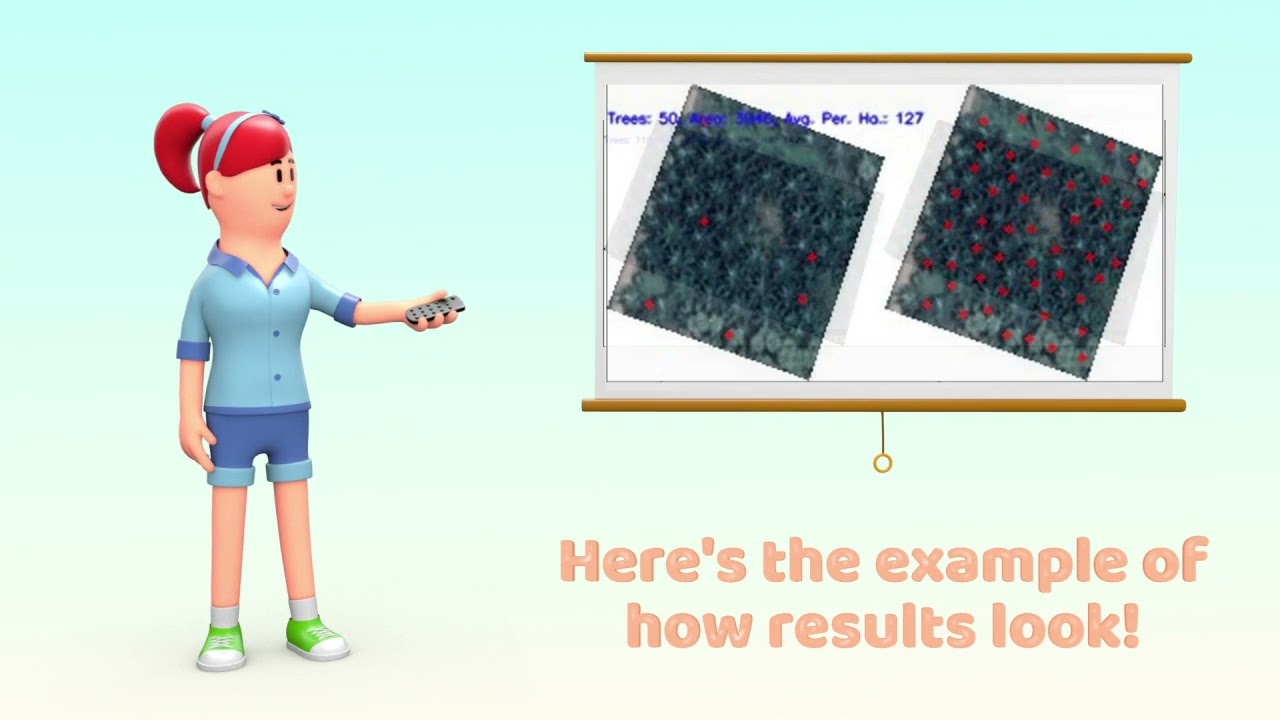
Visual List: Economic Benefits of Palm Oil in 2025
- 💰 Largest Export Commodity
- 👨🌾 Smallholder Empowerment
- 🏗️ Local Infrastructure Growth
- 🥗 Critical for Global Edible Oils Market
- 🔋 Key Driver for Domestic Biofuel Industry
Sustainability & Environmental Concerns: Challenges in Palm Oil Practices
Key Environmental Issues in 2025-2026
The environmental footprint of conventional palm oil cultivation continues to trigger scrutiny, especially regarding:
- ⚠️ Deforestation: Forest loss in Borneo and Sumatra for new plantations, threatening biodiversity hotspots and endangered species.
- ⚠️ Peatland Drainage: Conversion of carbon-rich peat areas releases significant greenhouse gas emissions, exacerbating climate change.
- ⚠️ Water Resource Stress: Intensive irrigation increases risks to local water tables and pollution from agrochemicals.
- ⚠️ Biodiversity Loss: Habitat fragmentation impacts orangutans, tigers, and countless other tropical species.
- ⚠️ Social Issues: Land conflicts, labor rights, and opaque supply chains prompt calls for fair policies and certification.
Overemphasizing yield without sustainable practices leads to long-term resource degradation and loss of supply chain transparency.
Visual List: Main Sustainability Concerns
- 🌲 Forest & Peatland Clearance
- 🌏 Loss of High Conservation Value Areas
- 💨 CO2 and Methane Emissions
- 🌿 Biodiversity Erosion
- 👥 Human & Community Rights Risks

Unregulated expansion of palm plantations continues to be a significant driver of land conversion, undermining sustainable goals for 2026.
Curious how emissions from palm oil operations can be measured and improved?
Leverage Farmonaut’s Carbon Footprinting tools for near real-time, accurate carbon tracking using satellite and AI. This helps agricultural producers meet international compliance and sustain eco-certifications.

Technological Innovations & Sustainable Best Practices in Palm Oil Agriculture – 2026 Outlook
Precision Agriculture & Satellite Monitoring
The future of palm oil revolves around cutting-edge technology and sustainable practices—especially in Indonesia and Malaysia, where both industry and policy are converging to meet global expectations.
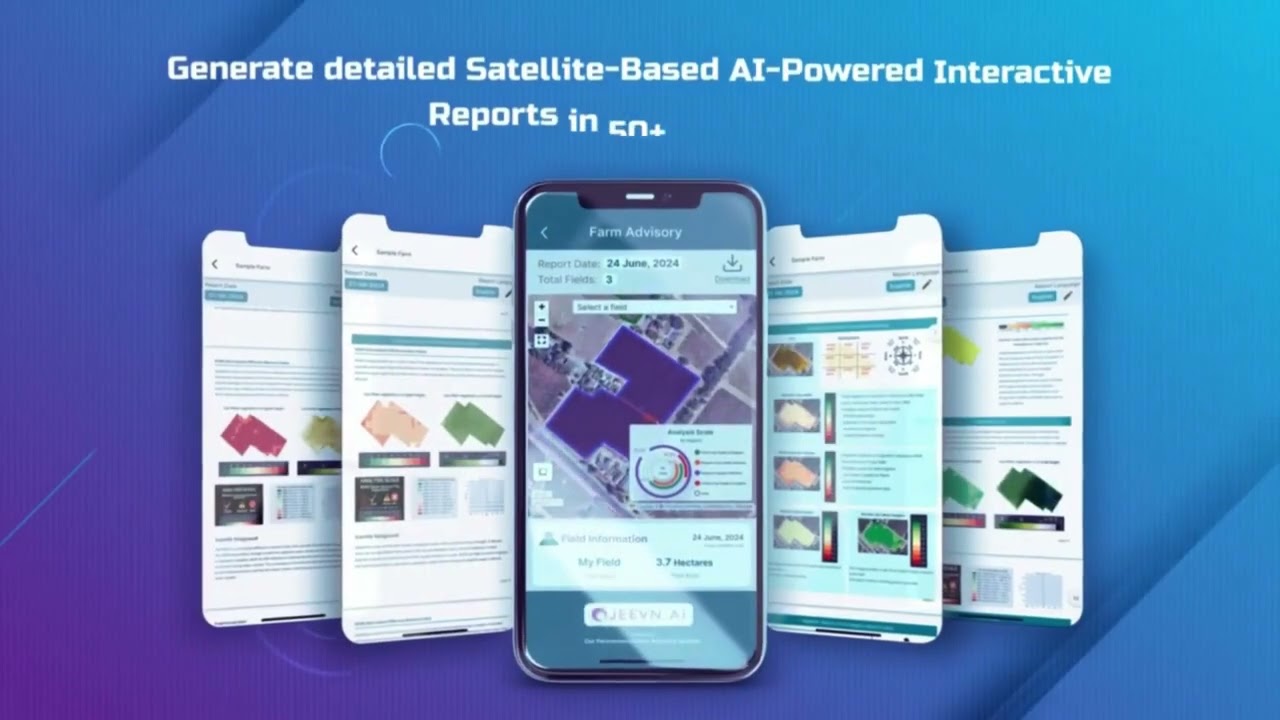
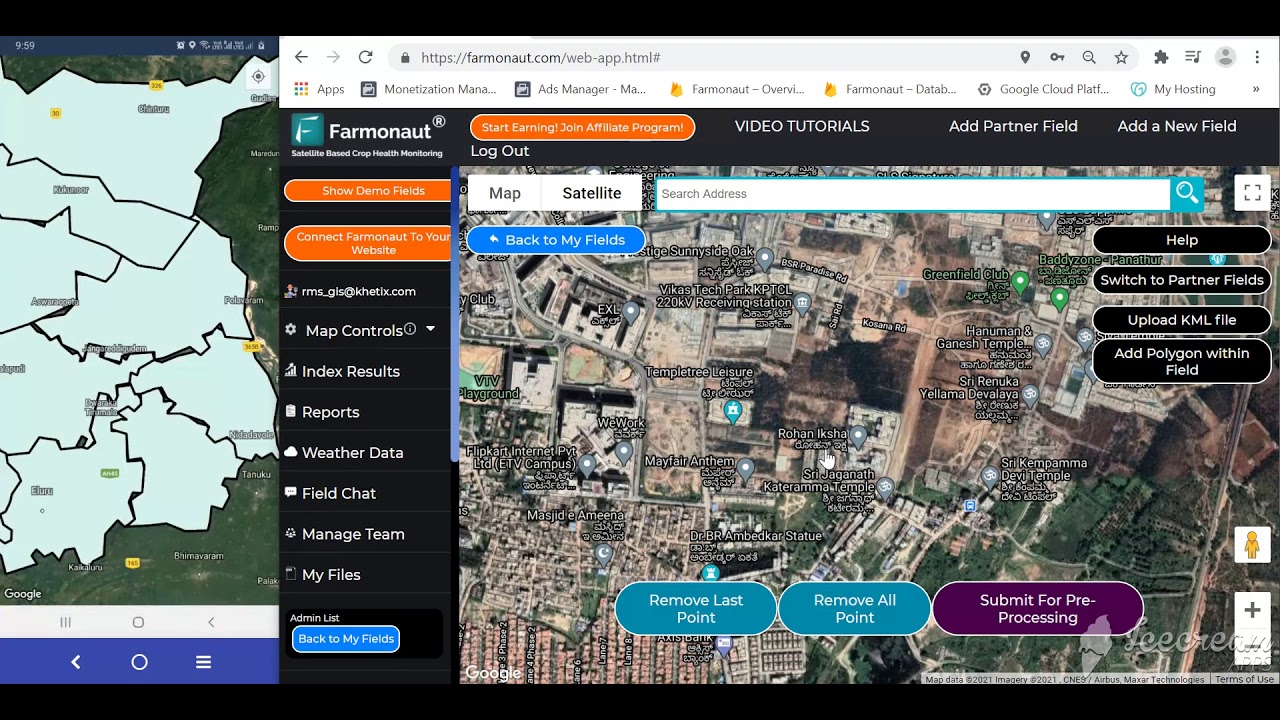
- 📊 Satellite Monitoring: Multispectral satellite images deliver crop health data, drought stress alerts, and growth monitoring for extensive palm plantations. Our satellite-based platform enables palm oil producers to detect yield gaps early and prevent diseases.
- 🤖 AI & Machine Learning: AI-driven advisory systems (like Farmonaut’s Jeevn AI) analyze field, climate, and soil data for automated, precision interventions.
- 🛰️ Blockchain Traceability: Blockchain ensures authenticity, transparency, and security at every stage—from plantation to product, supporting deforestation-free supply chains. See our blockchain-based traceability solution.
- 🌳 Agroforestry Models: Farming palm with native species (shade, fruit, or timber trees), supporting biodiversity and ecosystem health.
- 🚁 Drone Surveillance: Drones perform field inspections, pest/disease scouting, and supply plant health imagery for effective resource allocation.
In 2025, combining high-frequency satellite monitoring with precision field analytics reduces fertilizer waste, optimizes water use, and minimizes unsustainable expansion into high conservation value areas.
- ✔ Key Benefit: Targeted interventions reduce input costs and maximize yield per hectare without additional deforestation.
- ✔ Data Insight: Continuous field monitoring correlates with up to 20% yield increase and 15% reduction in agrochemical use.
- ✔ Advances: New palm varieties developed through biotechnology offer more output per plant, reducing land pressure.
- ✔ Sustainable Irrigation: Digital water sensors and AI-based recommendations cut water usage per ton of palm oil produced.
- ✔ Community Engagement: Mobile platforms make best-practice guidelines accessible to millions of smallholders in local languages.
Discover large-scale satellite-driven farm management: Use Farmonaut’s Agro Admin App for streamlined mapping, compliance, and reporting in vast palm plantations.
Best Practices for a Sustainable Oil Palm Sector
- Zero-Burn land prep to avoid fire-related carbon emissions.
- Riparian Buffer Zones to protect rivers and aquatic biodiversity.
- Integrated Pest Management minimizes pesticide use.
- Cover Crops & Mulching to preserve soil health and moisture.
- Rotational Planting & Replanting of older plantations with high-yield palm varieties to maintain land productivity.
Certification & Policy Frameworks: Defining Indonesia and Malaysia’s Palm Oil Trajectory in 2025-2026
Leading Certification Schemes
- 🌎 Roundtable on Sustainable Palm Oil (RSPO): Globally recognized; mandates no deforestation, ethical labor, and transparency.
- 🇮🇩 Indonesian Sustainable Palm Oil (ISPO): National scheme focused on legal compliance, environmental, and social criteria.
- 🇲🇾 Malaysian Sustainable Palm Oil (MSPO): Country-wide certification targeting traceability, social responsibility, and conservation.
As major importing countries and retailers demand deforestation-free supply chains by 2025, both public and private sectors in Indonesia and Malaysia are driving alignment with international frameworks and robust policy enforcement.
Over 50% of Malaysia’s planted area is RSPO and/or MSPO-certified as of 2025, with Indonesia ramping up dual certification for better global market access.
Modernize traceability and certification compliance with Farmonaut’s blockchain-based solutions for palm oil, ensuring high market credibility.

Policy Shifts and Supply Chain Governance (2025-2026)
- 📝 Deforestation-Free Supply Chains: New trade regulations in Europe, North America, and Asia incentivize certified palm oil over conventional production.
- 📢 Consumer Pressure: Global brands and NGOs demand full supply chain transparency and social equity for smallholders.
- 🔍 Satellite Monitoring for Enforcement: Near-real-time data (via platforms like Farmonaut) verifies compliance and alerts non-compliance risk in protected areas.
- 🌐 International Commitments: Both Indonesia and Malaysia are part of the “Glasgow Declaration” targeting an end to forest loss by 2030.
Satellite-driven traceability and carbon tracking strengthen certification impact and policy enforcement, unlocking access to premium international markets.
Integrate Farmonaut’s API for seamless, automated compliance monitoring and certification data flows.
Developers and data teams: explore the Farmonaut API developer docs for custom palm oil monitoring and reporting applications.
Palm Oil’s Future: Opportunities and Persistent Challenges
What’s Next for Palm Oil in Indonesia and Malaysia?
The trajectory of the palm oil industry will be defined by its agility in responding to:
- Diversifying Products: Value-added palm derivative production, bioplastics, renewable chemicals, and next-gen biofuels.
- Circular Economy Models: Using mill residues for bioenergy and sustainable materials, reducing operational waste.
- Empowering Smallholders: Digital inclusion and financial access for the millions managing over 40% of the region’s plantations.
See how satellite-based loan & insurance verification helps - Climate Change Resilience: Smart irrigation, drought-resistant palm varieties, and landscape-level adaptation plans.
- Institutional Innovations: Evolution of regulatory frameworks, joint monitoring platforms, and public-private standards alignment.
Indonesia and Malaysia’s leadership in sustainable palm oil determines global trends—future market share, environmental stability, and rural development hinge on embracing innovation and enforcing best practices at scale.

Comparison Table of Sustainable Palm Oil Practices: Indonesia vs Malaysia – 2025-2026 Estimates
| Metrics / Practices | Indonesia 2025 | Malaysia 2025 | Combined 2025 / Regional Avg. |
|---|---|---|---|
| Certified Area [% of total] | 37% | 54% | ~43% |
| Estimated GHG Emissions [tons CO2e/yr] | 105 million | 40 million | 145 million |
| Water Usage [m³/ha] | 550 | 490 | 520 |
| Yield [tons/ha] | 4.2 | 4.6 | 4.4 |
| Smallholder Involvement [%] | 41% | 39% | 40% |
| Technological Adoption [Index: 0-100] | 64 | 71 | 67 |
Certified area coverage and technology adoption rates are rapidly growing, but challenges persist in uniform enforcement—especially across Indonesia’s vast, remote plantations.
How Farmonaut Empowers Sustainable Palm Oil Agriculture
As a satellite technology company, we at Farmonaut offer affordable and accessible solutions to monitor palm oil production, track certification status, and facilitate precision agriculture—empowering both smallholders and large-scale operators in Indonesia, Malaysia, and beyond.
- Satellite-Based Monitoring: We provide near real-time health, stress, and yield data for palm oil plantations to optimize management and sustainability efforts.
- AI-Powered Advisory: Our Jeevn AI delivers actionable insights for interventions that balance yield with environmental integrity.
- Blockchain Traceability: We enable end-to-end transparent supply chains through secure, immutable transaction records.
- Fleet & Resource Management: Optimize machinery, logistics, and harvest schedules via Farmonaut fleet management tools.
- Environmental Impact Tracking: We help producers monitor and improve their carbon footprint for compliance with both local and international regulations.
Relying solely on manual reporting and outdated plantation records—embracing satellite and AI tools like Farmonaut ensures data-driven sustainability tracking in dynamic environments.
Palm Oil Sustainability FAQ (2025-2026)
What makes palm oil both beneficial and controversial?
Palm oil’s high yield and economic impact make it crucial for global food, cosmetic, and biofuel markets. Yet rapid expansion in tropical countries like Indonesia and Malaysia has caused environmental concerns—notably deforestation and habitat loss. Sustainability is about maximizing benefits while mitigating impacts.
Is there a difference between RSPO, ISPO, and MSPO certification?
Yes. RSPO is internationally recognized. ISPO is Indonesia’s national scheme focused on legal and social standards. MSPO is Malaysia’s equivalent, addressing local supply chain challenges. All aim to ensure sustainable, traceable production.
How are technology and AI transforming palm oil agriculture?
AI, satellite monitoring, and blockchain are driving efficient management, transparency, yield optimization, and resource conservation. Producers detect issues early, apply inputs precisely, and document compliance reliably—improving sustainability.
Can smallholders access these advanced technologies?
Absolutely. Mobile apps and affordable satellite-based platforms like Farmonaut’s connect small and large-scale growers alike, supporting sustainable adoption and socio-economic equity.
What is the future of palm oil sustainability in Southeast Asia?
By 2026 and beyond, advancing technology adoption, strict certification, and robust policy frameworks will drive the palm oil sector’s balance between economic success and global sustainability leadership.
The intersection of consumer pressure, digital compliance, and climate-smart innovation will shape the future of palm oil in Indonesia and Malaysia for decades to come.
In summary: Palm oil remains a vital agricultural commodity for Indonesia, Malaysia, and the world. Its future in 2025 and beyond will be defined by robust sustainability frameworks, technological innovation, and the steadfast commitment of producers—large and small—to responsible, high-yield, and ethical supply chains. Solutions like those offered by us at Farmonaut are already empowering this transition with affordable, scalable, and cutting-edge digital tools across the palm oil sector.
Ready to drive the sustainable palm oil revolution? Try Farmonaut’s satellite-powered platform today!

 Red Dog Management
 Liquify Digital
 Ascentya
 CU Foods
 BeyondTech Global
 Rouge VC
 AgroGreen Dynamics
 AgroRisk
 Oath Inc
 Reddane Farming
 Esri North East Africa
 Cresol
 Atur Kuliner
 MDCV UK
 Zerella Group
 Etech Consulting Madagascar
 Vestlandsforsking
 Delicio
 WB Dev
 Sama Premium
 Prochecker
 Tres Valles
 LACOS Geoinformation
